Don’t fall for a shiny detail job. Use this thorough test drive checklist to catch transmission issues, suspension clunks, brake vibrations, alignment prob...
Used Car Buying Guide
8 Used Cars That Can Go 200,000+ Miles
Looking for a used car that can last 200,000+ miles? Here are 8 proven picks, the best years and engines to target, what to avoid, and what to check before buying.

Ben Sullivan
Ben Sullivan is a former ASE-certified mechanic with over 15 years of experience inspecting, repairing, and appraising used vehicles. He contributes to Car Wise Guide to help everyday buyers navigate the used car market with confidence, armed with the knowledge to spot hidden red flags and negotiate fair prices.
Published October 18, 2026
Updated October 18, 2026
I’ve inspected thousands of used cars, and I can tell you this: hitting 200,000 miles is rarely about luck. It’s usually a mix of the right model, the right previous owner, and a quick but smart inspection before you hand over your money.
Below are eight high-mileage champions I’ve seen go the distance again and again. I’ll tell you what to buy, what to watch out for, and the specific weak spots to check so you do not accidentally buy the one bad example.
One important reality check: even “200,000-mile cars” do not all make it to 200,000. Maintenance, rust, driving style, and climate decide the outcome as much as the badge on the grille. Studies from outlets like iSeeCars and Consumer Reports routinely show the usual suspects here near the top for longevity, but any individual car can be a hero or a headache.
What makes a 200,000-mile car?
Model reputation matters, but condition matters more. A well-kept “average” car can outlast a neglected “reliable” car.
- Maintenance history wins. Oil changes on time, coolant services, transmission fluid services when appropriate, and evidence the owner fixed things instead of ignoring them.
- Simple powertrains age better. Naturally aspirated engines and conventional automatics generally cost less to keep alive than complex turbo setups.
- Rust is the silent killer. In salt states, structural rust and brake or fuel line corrosion can total an otherwise good car.
- Highway miles are easier miles. A 180,000-mile commuter can be healthier than a 90,000-mile city car with short trips and lots of idling.
8 used cars that can reach 200,000+ miles
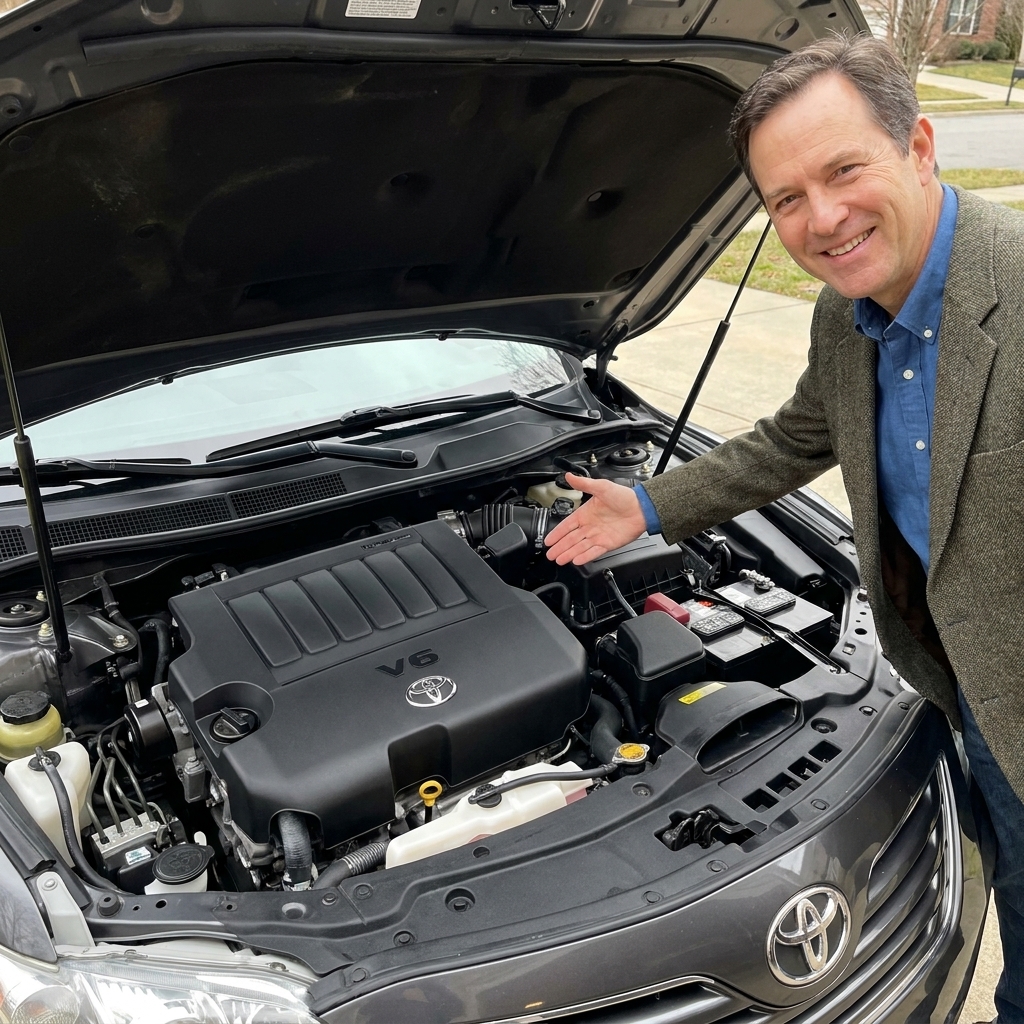
1) Toyota Camry (2007 to 2017)
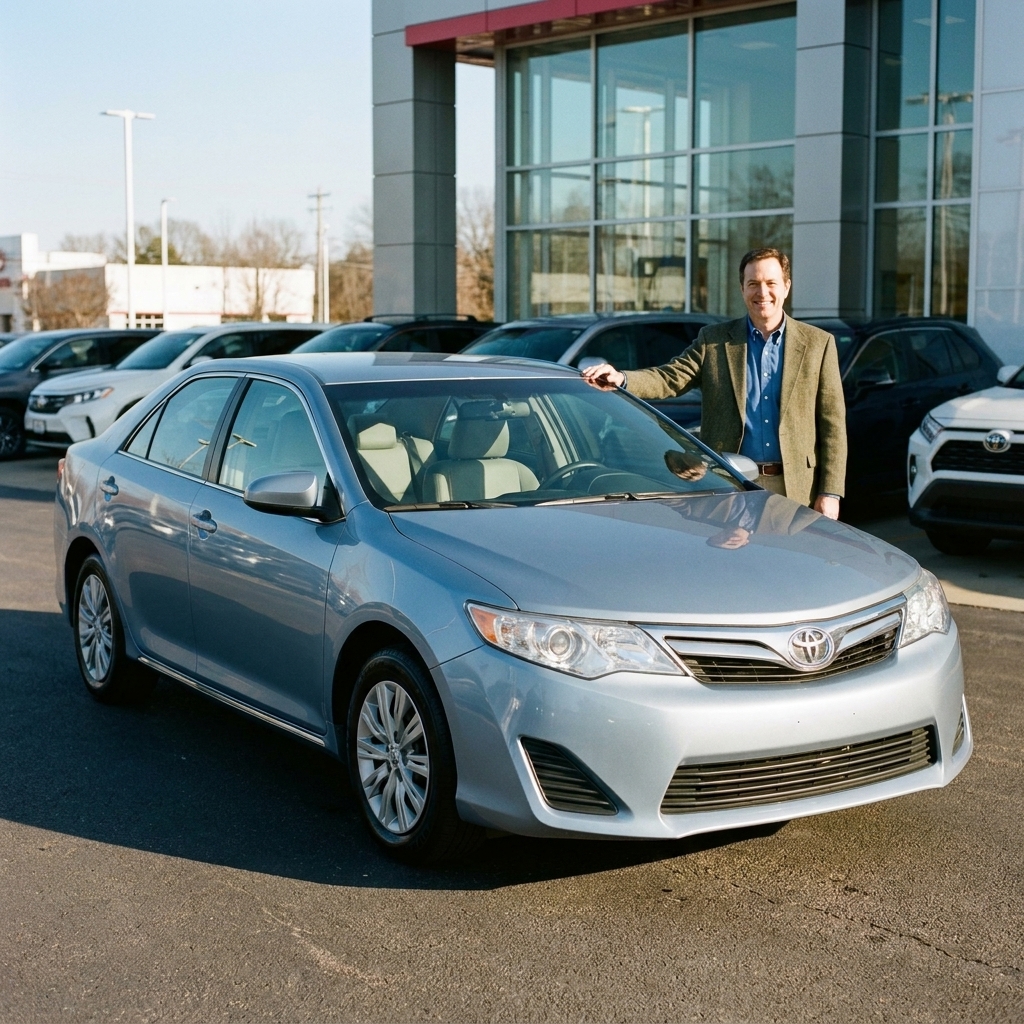
If you want boring in the best possible way, the Camry is the poster child. These are easy to service, parts are everywhere, and they tolerate real life.
- Best picks: 2010 to 2017 4-cylinder (2.5L) for a great balance of reliability and fuel economy.
- Watch out for: 2007 to 2009 4-cylinder models if they show oil burning or poor service history. Also be cautious of any car with overheating history, even if it “drives fine now.”
- What to check: Oil level and any smoke on startup (more common on some older 4-cylinders than the 2010+ 2.5L), neglected coolant, and motor mounts that can cause extra vibration.
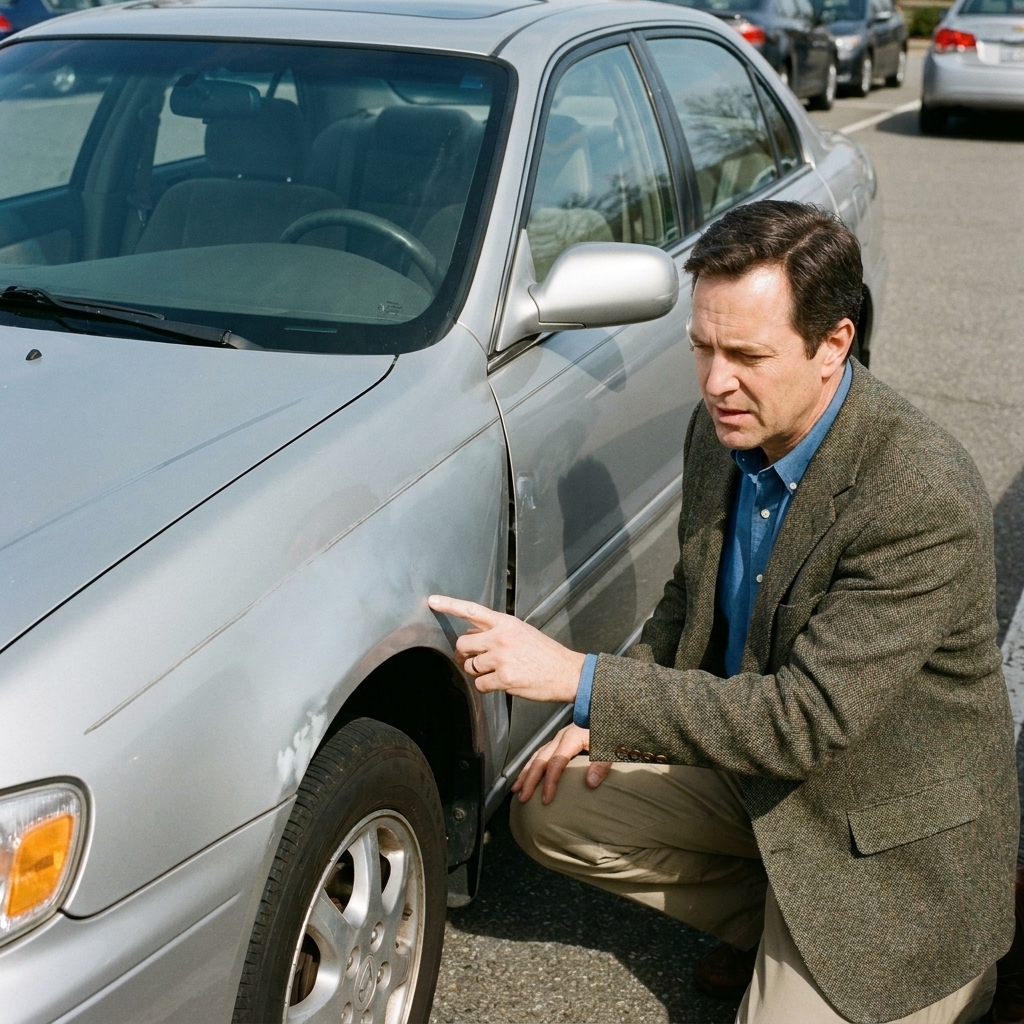
- My buying tip: Choose the best-maintained example over the lowest-mileage one. A thick folder of receipts beats a shiny detail job.
2) Toyota Corolla (2010 to 2019)
If you value low cost per mile more than anything, Corolla belongs on your shortlist. They are not exciting, but they are steady, predictable, and cheap to keep on the road.
- Best picks: 2014 to 2019 for modern safety features and strong long-term reliability.
- Watch out for: Any example with harsh CVT behavior (shuddering, slipping, delayed engagement) or obvious neglect. Fleet cars can be fine, but only if the maintenance is documented.
- What to check: CVT fluid condition and service history on automatic models, tired suspension components on higher-mileage cars, and uneven tire wear that hints at alignment or worn bushings.
- My buying tip: Some owners treat CVT fluid as “lifetime.” I do not. If there is no record, follow Toyota’s severe-service guidance or take a conservative approach and service it after purchase.
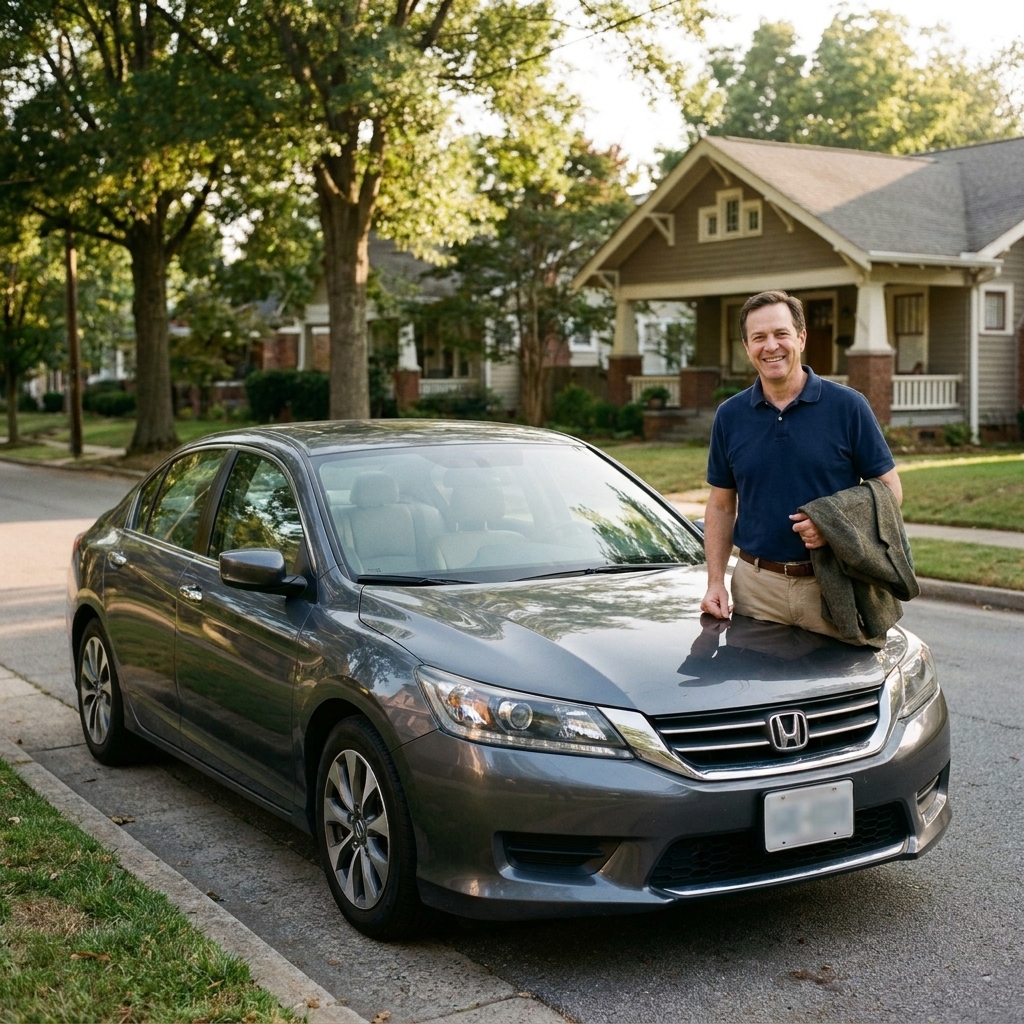
3) Honda Accord (2008 to 2017)
The Accord is one of my favorite “do everything” used cars. It’s roomy, comfortable, and when maintained, it stacks miles without drama.
- Best picks: 2013 to 2017 4-cylinder for long-term simplicity.
- Watch out for: V6 models without proof of timing belt and water pump service. Also be cautious of any V6 that shows signs of heavy oil consumption, which can happen on some cars with VCM cylinder deactivation if maintenance was lax.
- What to check: Transmission behavior (especially the 2013+ 4-cylinder CVT for smooth, consistent operation), power steering leaks, and front suspension wear.
- My buying tip: On the test drive, pay attention to shift quality, especially when warm. Any flare, slam, or shudder is a negotiation point or a walk-away.
4) Lexus ES 350 (2007 to 2018)
Want Camry-like longevity with a quieter cabin and a more upscale feel? The ES 350 is one of the smartest long-haul buys on the market. It tends to attract owners who service their vehicles, which matters.
- Best picks: 2013 to 2018 for updated tech and refined ride quality.
- Watch out for: Neglected luxury cars. A cheap ES with warning lights, clunks, or mismatched tires is rarely a bargain.
- What to check: Oil leaks (valve covers), worn struts, brake condition, and evidence of consistent fluid services.
- My buying tip: Don’t let the Lexus badge scare you. Many wear items are reasonably priced, and the platform is proven.
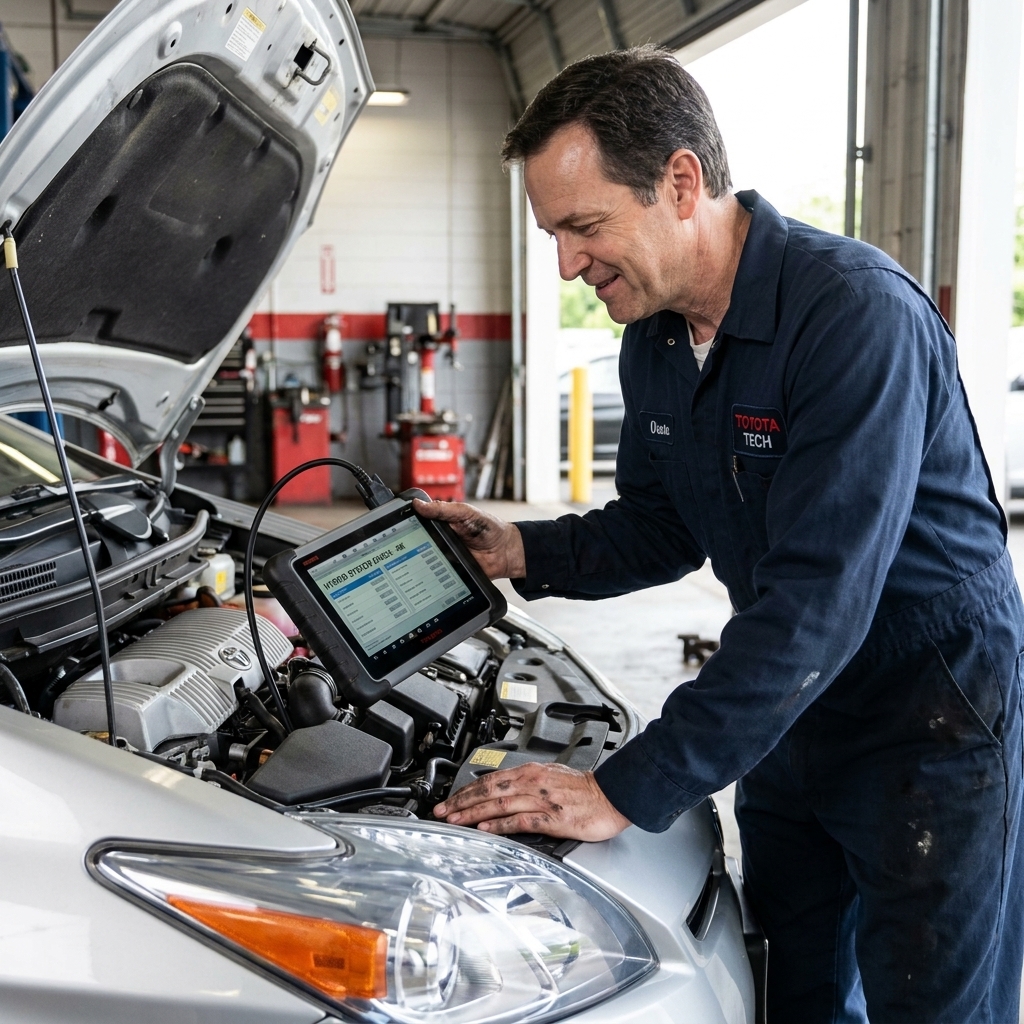
5) Toyota Prius (2010 to 2015)
I’ve seen Prius models with mileage that makes people do a double-take. The drivetrain is incredibly durable when cared for, and the fuel savings can be real if you drive a lot.
- Best picks: 2010 to 2015 with documented oil changes and cooling system care.
- Watch out for: A Prius that “runs great” but has zero history. On Gen 3 cars, skipped maintenance can turn into expensive engine issues later.
- What to check: Hybrid battery health (not just a dashboard with no warning lights), inverter and engine cooling system condition, water pump history, and brake condition (regen braking can hide neglected friction brakes).
- High-mile weak spots to verify: EGR and intake clogging on Gen 3 cars (a known contributor to rough running and, in worst cases, head gasket failure). Also watch for brake booster or accumulator issues on some cars, which can show up as warning lights or odd brake feel.
- My buying tip: Ask for hybrid battery test results or get a pre-purchase inspection from a shop that understands hybrids. It is money well spent on these.
6) Toyota 4Runner (2005 to 2016)
If you want a tough SUV that can take years of family duty, road trips, and rough weather, the 4Runner is a classic high-mileage machine. It is not the cheapest to fuel, but it is usually cheaper than surprise repairs on less durable SUVs with more complex drivetrains.
- Best picks: 2005 to 2009 V6 for value, or 2010 to 2016 if your budget allows.
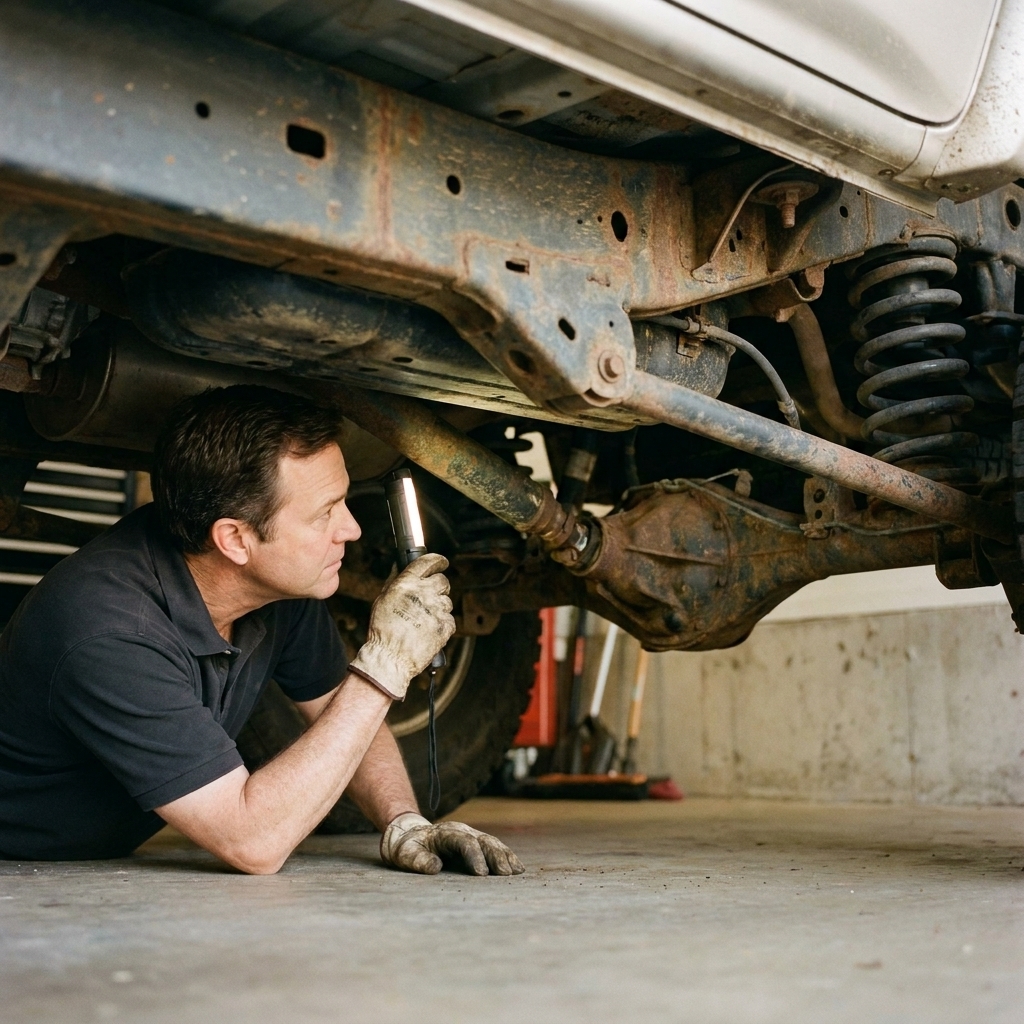
- Watch out for: Rust belt trucks with crusty frames or questionable undercoating that looks like it is hiding corrosion.
- What to check: Frame rust (critical), leaking shocks, seized brake hardware in rust regions, and neglected differential and transfer case fluids.
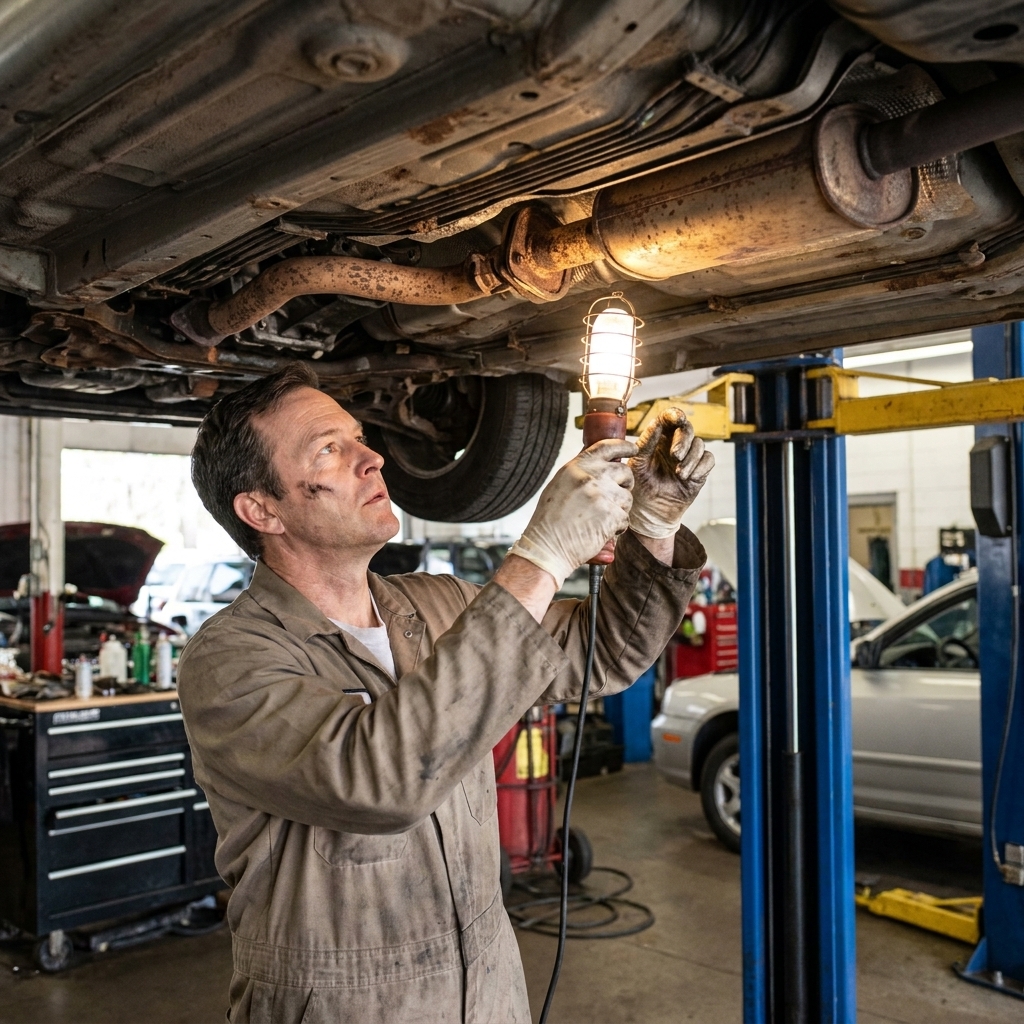
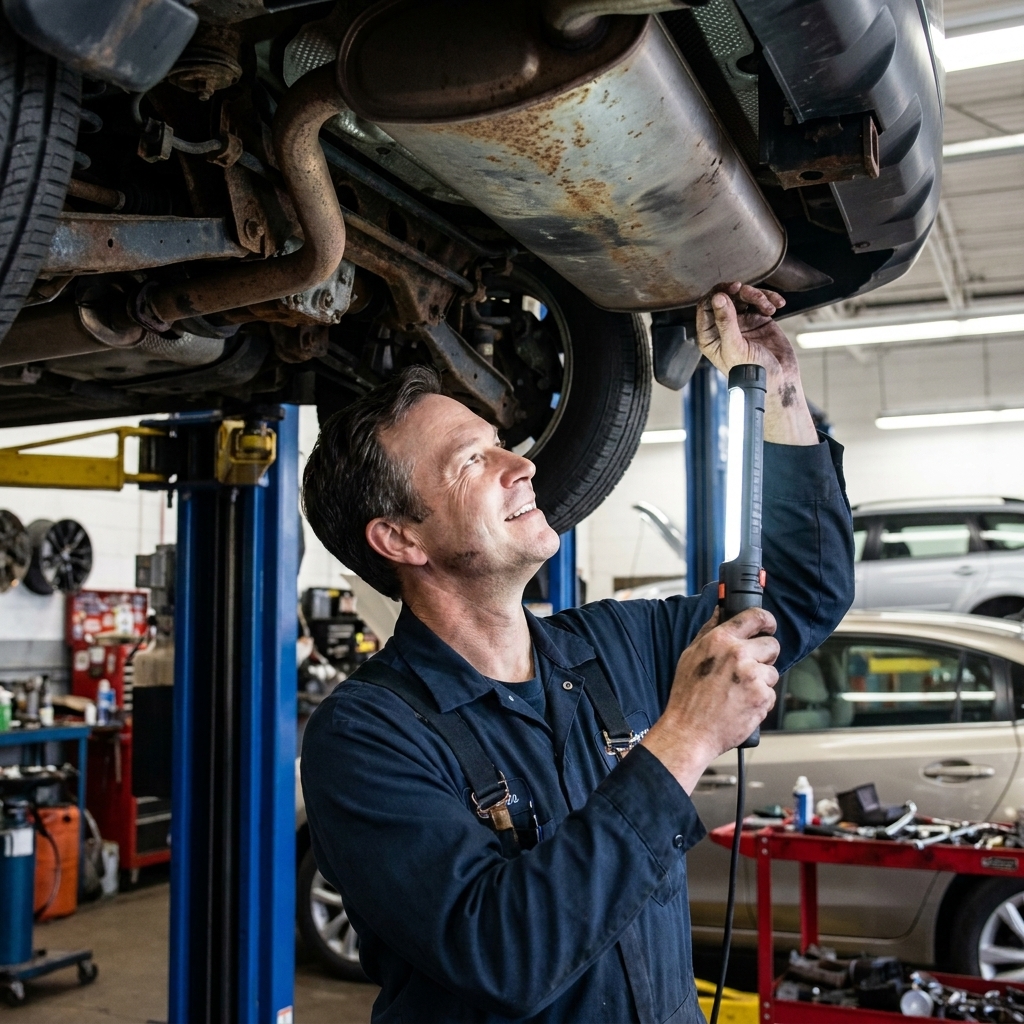
- My buying tip: Crawl underneath with a flashlight. If the frame has heavy scaling or holes, walk away, no matter how good the paint looks.
7) Honda CR-V (2012 to 2016)
The CR-V is one of the best answers for “I just need a reliable small SUV.” They are easy to live with, hold value, and rack up miles with basic care.
- Best picks: 2012 to 2016 for a strong mix of reliability, practicality, and ownership cost.
- Watch out for: AWD models with mismatched tires or evidence the rear differential fluid was ignored.
- What to check: Rear differential fluid service on AWD models, AC performance, and suspension noise over bumps.
- My buying tip: If it is AWD, make sure all four tires match in brand and tread depth. Mismatched tires can stress AWD systems.
8) Toyota Tacoma (2005 to 2015)
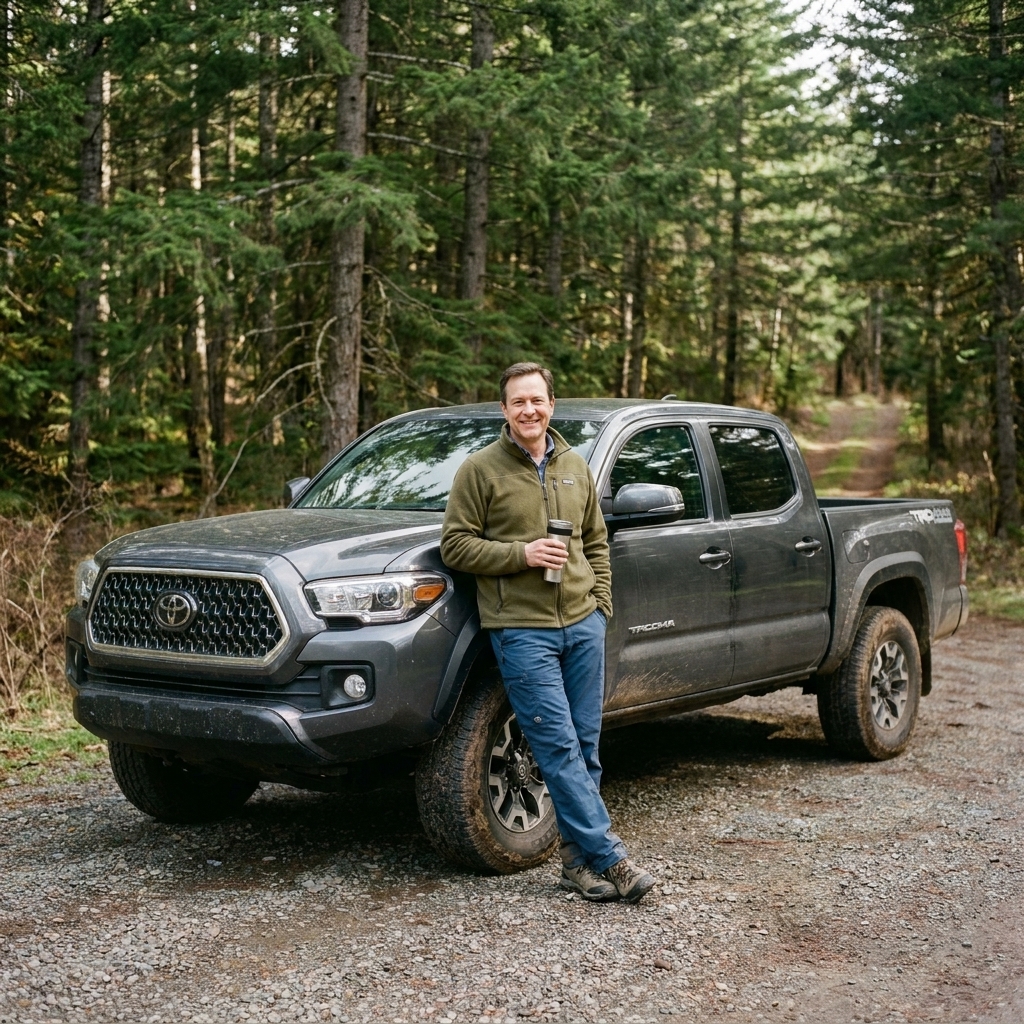
I’m biased because I live with an older Tacoma myself, but the reputation is earned. Tacomas can take a beating and keep going, as long as rust does not get them first.
- Best picks: 2005 to 2015 V6 if you tow or haul, 4-cylinder if you want simpler and usually cheaper maintenance.
- Watch out for: Frame rust and any truck with an unclear rust recall or campaign history. These trucks are famous for longevity, but also famous for corrosion in the wrong climate.
- What to check: Frame rust (non-negotiable), rear leaf spring condition, and signs it spent its life towing heavy loads.
- My buying tip: Check the VIN for open recalls and verify any frame-related campaigns were completed where applicable. Then still inspect the frame yourself.
Quick high-mile test drive checklist
You do not need to be a mechanic to catch the big red flags. Here’s a simple routine I use with customers in the passenger seat.
- Cold start: Listen for rattles, loud ticking, or a rough idle that does not settle quickly.
- Transmission: It should shift smoothly and consistently. Shuddering, slipping, or delayed engagement is a warning sign.
- Braking: No pulsation, pulling, or grinding. A soft pedal could mean air in the system or a leak.
- Steering and suspension: No clunks over bumps, no wandering on the highway, and the wheel should return to center normally after a turn.
- Temperature: The gauge should rise and then hold steady. Overheating is a deal-breaker.
High-mile repairs to expect
Even the best models start asking for age-related parts as the miles stack up. That is normal, and it is why I tell buyers to leave a little budget cushion.
- Suspension wear items: struts, shocks, control arm bushings, sway bar links.
- Charging and starting: alternator, battery, starter.
- Cooling system: radiator, hoses, thermostat, water pump depending on the vehicle.
- Wheel bearings and brakes: bearings get noisy, calipers can seize in rust regions.
- AC and small leaks: compressors fail, and minor oil seepage becomes more common.
Paperwork checks that save you
- Run the VIN: confirm title status, mileage consistency, and accident history.
- Check recalls: verify open recalls are handled before you buy.
- Look for real records: receipts beat verbal promises every time.
- Know where it lived: rust-belt history matters as much as mileage.
Ownership habits that help any car reach 200,000 miles
If you buy one of the cars above and do these basics, you dramatically improve your odds of seeing 200,000 miles without a financial meltdown.
- Change oil on time and check the level monthly, especially on higher-mileage engines.
- Do not ignore small leaks. Small oil or coolant leaks become big ones at the worst possible time.
- Service fluids proactively including coolant, brake fluid, and drivetrain fluids where applicable.
- Fix check-engine lights correctly. Clearing codes without solving the cause is how catalytic converters and engines get expensive.
- Keep good tires on it and get alignments when you replace them.
FAQ
Is 200,000 miles too high for a used car?
Not automatically. For proven models with maintenance records, 200,000 miles can be a reasonable buy. The bigger question is condition: rust, transmission behavior, cooling system health, and evidence of consistent servicing.
What matters more: age or mileage?
Condition and maintenance matter most, then usage. A newer car with neglected oil changes can be riskier than an older car that was serviced on schedule. In rust states, age can matter more because corrosion is time-based.
Should I get a pre-purchase inspection on a “reliable” model?
Yes. Even the best models can be ruined by overheating, skipped oil changes, or collision damage. A pre-purchase inspection is often the cheapest money you’ll spend in the whole process.
Which is the safest bet for a commuter?
If you want maximum simplicity and low running costs, start with a Corolla or Camry. If you want a nicer ride without giving up reliability, the Lexus ES is a strong value on the used market.
Final advice
Pick a model with a long track record, then buy the best-maintained example you can find, even if it has a few more miles. A clean inspection and good service history are what turn a used car into a 200,000-mile car.
If you want, tell me your budget, where you live (rust state or not), and what you need the car to do. I’ll help you narrow this list down to the two or three best fits.