Learn how to find the right shop, schedule a pre-purchase inspection, what a PPI can cost, and how it can save you money on a used car.
Used Car Buying Guide
DIY Used Car Inspection vs. Professional PPI
Should you inspect a used car yourself or pay for a professional pre-purchase inspection? Here’s what each option can and cannot catch, plus a practical decision guide.

Ben Sullivan
Ben Sullivan is a former ASE-certified mechanic with over 15 years of experience inspecting, repairing, and appraising used vehicles. He contributes to Car Wise Guide to help everyday buyers navigate the used car market with confidence, armed with the knowledge to spot hidden red flags and negotiate fair prices.
Published October 18, 2026
Updated October 18, 2026
If you have ever watched a friend buy a used car that turned into a money pit, you already understand the stakes. The hard part is deciding how deep to go before you hand over your cash. Do you do your own inspection in the driveway and call it good, or do you pay an independent shop for a pre-purchase inspection (PPI)?
As someone who spent years doing PPIs all day, I will tell you the truth: a careful DIY inspection can catch a lot of deal-breakers. But there are specific, expensive problems you usually cannot reliably confirm without a lift, tools, and diagnostic equipment. The best approach is not pride. It is picking the right level of inspection for the risk you are taking.
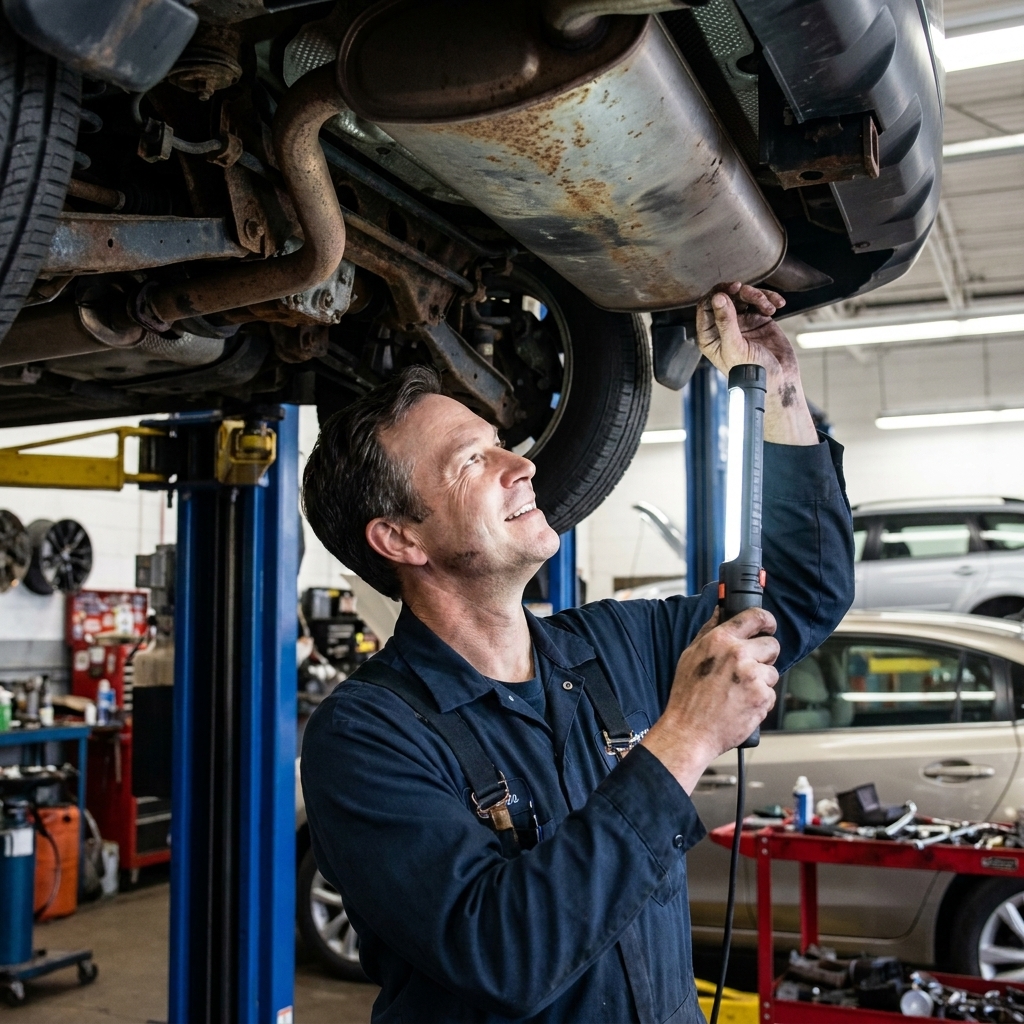
What a DIY inspection is good for
A solid DIY inspection is mainly about two things: catching obvious red flags, and deciding whether the car is even worth pursuing. You are trying to avoid wasting time on a vehicle that is clearly neglected, abused, or hiding something in plain sight.
Pros of inspecting the car yourself
- It is fast and free. You can screen multiple cars in a weekend without paying a dime.
- You learn the car’s story. Mismatched tires, worn pedals, cheap new paint, and missing maintenance stickers tell you a lot.
- You can spot the “walk away” stuff. Overheating, slipping transmission, heavy smoke, and major warning lights are often apparent on a test drive.
- It makes you a better negotiator. If you can calmly point out worn tires, leaking struts, or a dead A/C, you are not negotiating on vibes.
Limits of DIY
Most buyers can check fluids, listen for noises, and do a smart test drive. What you cannot do well without equipment is confirm the cause, severity, and repair cost. A DIY check also struggles with intermittent issues, hidden body repairs, and undercarriage problems you cannot see clearly on the ground.
Quick safety note: Do not crawl under a car that is not properly supported on jack stands, and never open a hot cooling system. Steam burns are a bad way to learn about pressure.
What a professional PPI does that you cannot
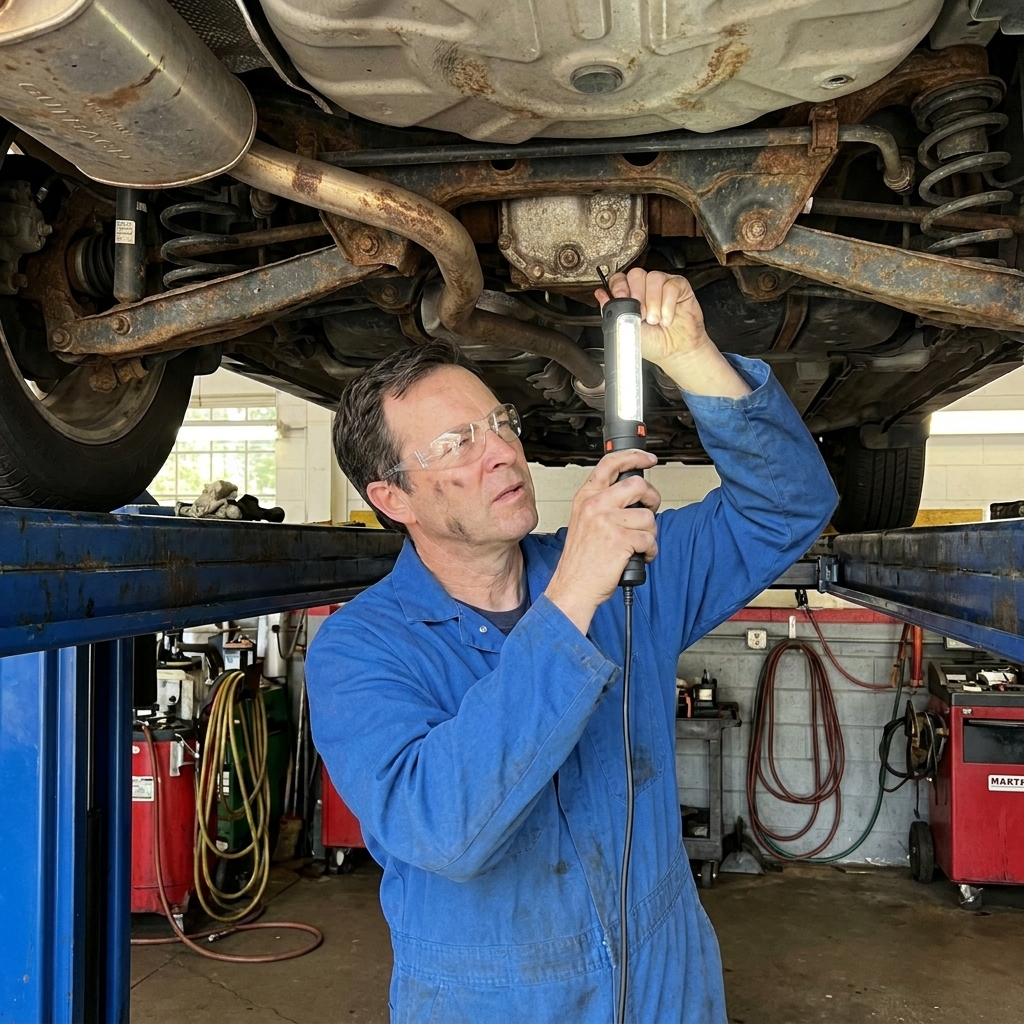
A real PPI is not just “a mechanic eyeballs it.” A good shop puts the car on a lift, checks for leaks and play in suspension components, inspects brake and tire wear patterns, scans modules for codes, and looks for evidence of prior collision or improper repairs. In plain English: it reduces the chances you buy a car with a four-figure surprise waiting right under it.
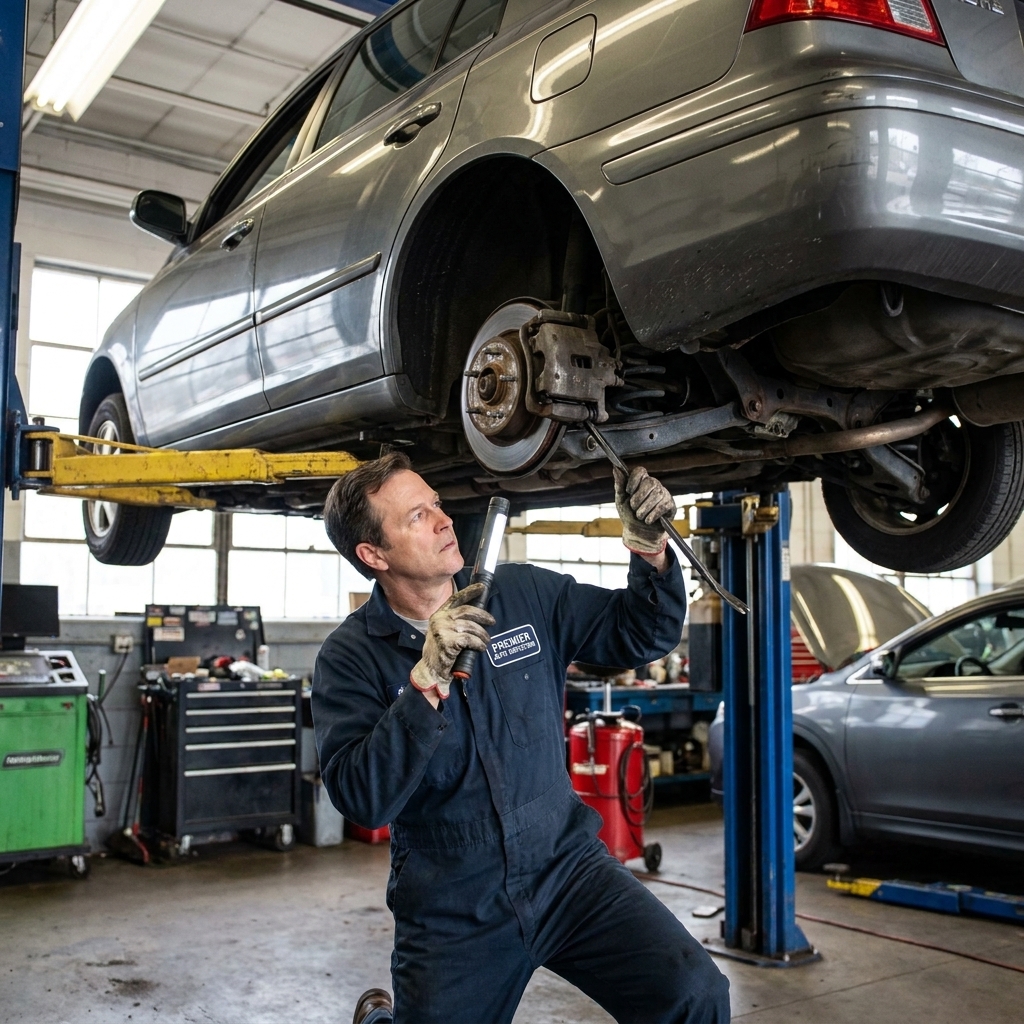
Pros of a professional PPI
- Undercarriage truth. Oil leaks, coolant seepage, torn CV boots, rust, exhaust issues, and frame damage are much easier to confirm on a lift.
- Brake and suspension measurement. A shop can measure pad thickness, rotor condition, and identify worn ball joints, control arm bushings, and wheel bearings that show obvious play or noise during checks.
- Computer diagnostics. A scan tool can reveal current and pending codes, readiness monitors, misfire counters, and sometimes freeze-frame data or stored information (this varies by make, model, and scan tool).
- Better repair cost forecasting. A seasoned tech can often estimate what is “needs attention soon” versus “needs attention now” and what that likely costs.
- Paper trail. A written report gives you leverage for negotiation or a clean reason to walk away.
Limits of a professional PPI
- It is still not a crystal ball. A transmission can pass a road test today and fail next month.
- Quality varies. A thorough independent shop is different from a quick checklist at a high-volume chain.
- Access limitations. A shop usually will not remove major components or do leak-down testing unless you pay for extra diagnostics.
- Sellers can restrict time. Some dealers or private sellers push back on off-site inspections. That pushback is information.
Cost: what you pay, and what you are really buying
PPI prices vary by market and vehicle, but a standard inspection often falls in the $120 to $300 range. High cost-of-living areas, luxury brands, diesels, and complex hybrids can run higher. Some shops offer a basic check for less, but the value is in time and thoroughness.
What you are really buying is risk reduction. If a PPI helps you avoid one bad purchase, it paid for itself many times over. If the car checks out, the PPI can also justify paying a fair price with more confidence.
DIY vs. PPI: what each one can catch (and miss)
Problems DIY often catches well
- Obvious overheating signs: coolant smell, bubbling reservoir, temp gauge creeping up
- Major drivability issues: stumbling, hesitation, harsh shifts, loud clunks
- Basic neglect: low fluids, filthy cabin air filter, uneven tires, mismatched tires
- Interior and electrical issues: dead windows, weak A/C, warning lights, wet carpets
- Bad vibes: seller rushing you, refusing a cold start, “lost title,” stories that keep changing
Problems a PPI is far more likely to catch
- Undercarriage leaks: engine or transmission oil leaks (including rear main seal seepage), oil pan damage, power steering leaks
- Hidden suspension wear: loose ball joints, bad bushings, worn tie rods, play that is hard to confirm on the ground
- Brake condition: pad and rotor measurements, caliper issues, brake line condition
- Rust and structural concerns: subframe rot, jacking point damage, accident repairs underneath
- Scan tool data: pending codes, readiness monitors not set, misfire data
What both can miss
- Intermittent electrical gremlins that only show up after days of driving
- Freshly cleared codes if the car has not been driven enough to reset monitors
- Future failures that are not yet showing symptoms (especially on high-mileage vehicles)
My decision guide: which is right for you?
Here is how I would decide if I was walking the lot with you.
DIY-only can be enough if…
- The car is cheap enough that you can absorb a surprise repair without wrecking your finances.
- You are buying from a trusted friend or family member with maintenance records.
- You are mechanically comfortable and you can do a long, varied test drive including highway speeds.
- The vehicle is a simple, common model with widely available parts and no known big-ticket failure pattern in your mileage range.
A professional PPI is strongly recommended if…
- You are spending serious money relative to your budget.
- The car is high mileage or has gaps in maintenance history.
- You see anything even slightly suspicious: fresh undercoating, wet engine bay, odd tire wear, missing VIN stickers, repaint lines.
- The car is turbocharged, European, luxury, diesel, or hybrid/EV and you are not experienced with that platform.
- You are buying from an auction, small lot, or out-of-town seller where accountability is limited.
Walk away if…
- The seller will not allow an independent PPI, will not let the car leave their possession, or tries to rush you.
- You cannot verify the title status or the seller’s identity.
- The car has a salvage, rebuilt, or flood history and you are not deeply experienced evaluating those vehicles.
How to do a smart DIY inspection
If you are going to inspect it yourself, give yourself enough time. Ten minutes is not an inspection, it is a first impression.
Before you meet the seller
- Ask for the VIN and run a history report if you choose to use one.
- Ask for maintenance records and confirm the title is in the seller’s name.
- Request a cold start. A warmed-up engine can hide noise and smoke.
Walkaround and body
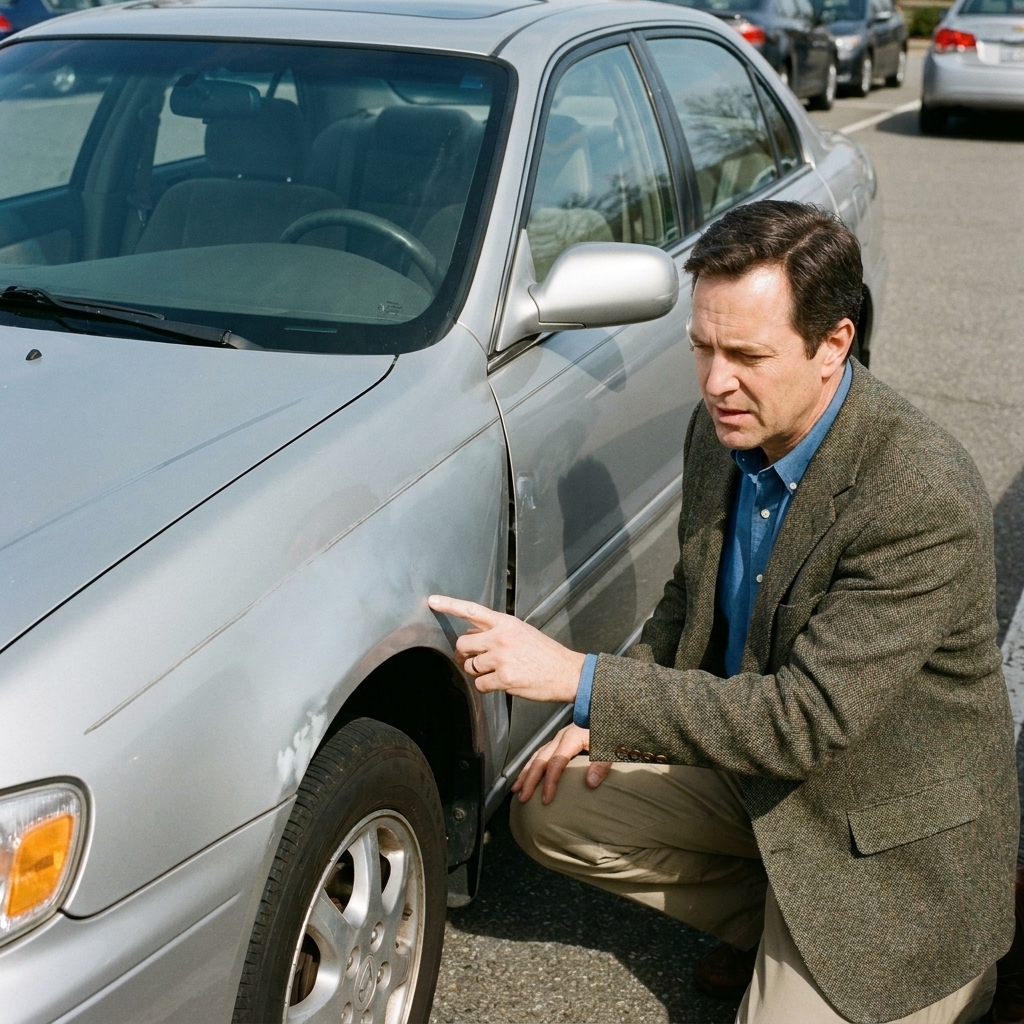
- Check for mismatched paint, overspray on trim, uneven panel gaps.
- Look for uneven tire wear and mismatched tire brands or sizes.
- Inspect headlights and taillights for moisture inside.
Under the hood (engine off first)
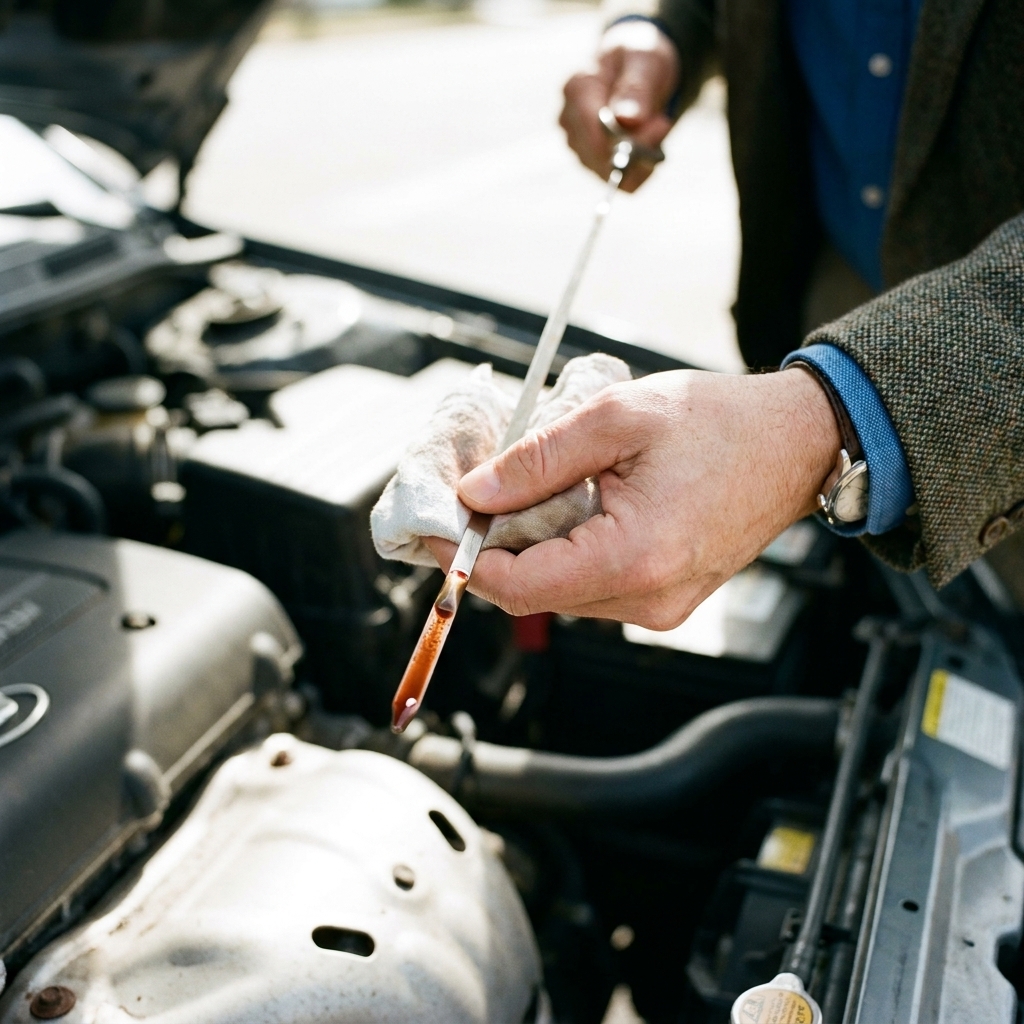
- Check oil level and condition. Milky oil is a big red flag.
- Check coolant level and look for oily residue in the reservoir.
- Look for cracked belts, hacked wiring, and wet spots around the engine.
Interior and electronics
- Turn the key to ON and confirm the warning lights illuminate, then go out after start.
- Test windows, locks, mirrors, A/C, heat, wipers, washer, lights.
- Check for damp carpets and musty smells that can hint at leaks or flood damage.
Test drive (do not skip this)
- Listen at idle with the hood open.
- Drive at city speeds and highway speeds.
- Brake firmly from 45 to 55 mph when safe. Note vibrations or pulling.
- Find an empty lot and do tight circles left and right. Listen for CV joint clicking.

Quick post-drive checks
- Look underneath for fresh drips.
- Smell for burning oil or coolant.
- Recheck the temp gauge and, if the engine is warm, see whether the cooling fans run when expected (for example, with the A/C on).
How to get the most value from a PPI
PPIs are only as good as the shop and the scope. Here is how to make your money count.
Pick the right shop
- Choose an independent shop that regularly works on that make and model.
- Ask how long the inspection takes. A real PPI is not a 15-minute oil-change bay check.
- Request a written report with photos if possible.
Ask the right questions
- Will you scan for codes and check readiness monitors?
- Will you check for leaks with the car on a lift?
- Will you measure brake pad thickness and note tire tread depth?
- Will you check suspension and steering play?
- Can you give a “buy / no-buy” opinion based on safety and near-term costs?
Mobile PPIs
If getting to a shop is the bottleneck, a reputable mobile mechanic can be a solid middle ground. You still want a thorough checklist, a scan, and a real road test. Just understand the limits: without a lift, some undercarriage and suspension issues are harder to see.
Coordinate with the seller
- Set the appointment yourself and offer to share the report.
- If a dealer claims they already “inspected it,” that is fine. Still do your own or get an independent PPI. The inspection that matters is the one that answers to you.
Negotiation: how inspection results should change the deal
Inspections should not be used to nitpick a clean car to death. They should be used to price the car accurately and avoid bad buys.
- Safety items are deal items. Bald tires, warped rotors, leaking brake hydraulics, broken lights, steering looseness.
- Maintenance needs are bargaining items. Due fluids, worn brakes, tires near replacement, overdue timing belt, spark plugs, suspension wear.
- Structural or flood concerns are usually walk-away items. Frame damage, significant rust in critical areas, evidence of water intrusion.
If you get a report showing $1,800 in near-term needs, you have three clean options: negotiate the price, require repairs in writing before purchase, or walk.
FAQ
Is a PPI worth it on a cheap used car?
Sometimes. If a $3,000 car is all you can afford and a $200 PPI means you cannot buy it, do the best DIY inspection you can and focus on safety and drivability. But if a surprise repair would put you in a financial hole, a PPI can be the cheapest insurance you buy all year.
Can a seller refuse a PPI?
Yes. And you can refuse the car. A reasonable seller with a decent vehicle usually has no problem meeting you at a shop or letting you take it for an inspection with a small, written deposit.
What if the car has no check engine light?
A dash with no lights does not mean there are no problems. Codes can be pending, monitors can be unset, or the battery can be disconnected to clear things. A scan tool check and readiness status are a big part of why PPIs matter.
What is a readiness monitor?
It is the car’s way of saying whether its emissions self-tests have run since codes were cleared or the battery was disconnected. If monitors are “not ready,” it can be a sign the car has not been driven normally since a reset, and that is worth asking about.
Is a PPI the same as a state inspection?
No. A PPI is a buyer-focused condition check. State safety and emissions inspections are separate, rules vary, and a car can sometimes pass one while still needing expensive work soon.
Should I get a PPI at a dealership?
If the vehicle is a specific brand and you are at a truly reputable dealer service department, it can be fine. But I generally prefer an independent shop that works for you, not the seller.
The bottom line
Use a DIY inspection to screen cars quickly and avoid obvious traps. Use a professional PPI when the purchase would strain your budget, the vehicle is complex or high-mileage, or anything about the story feels off. Pride is expensive in the used car world. Confidence comes from verification.