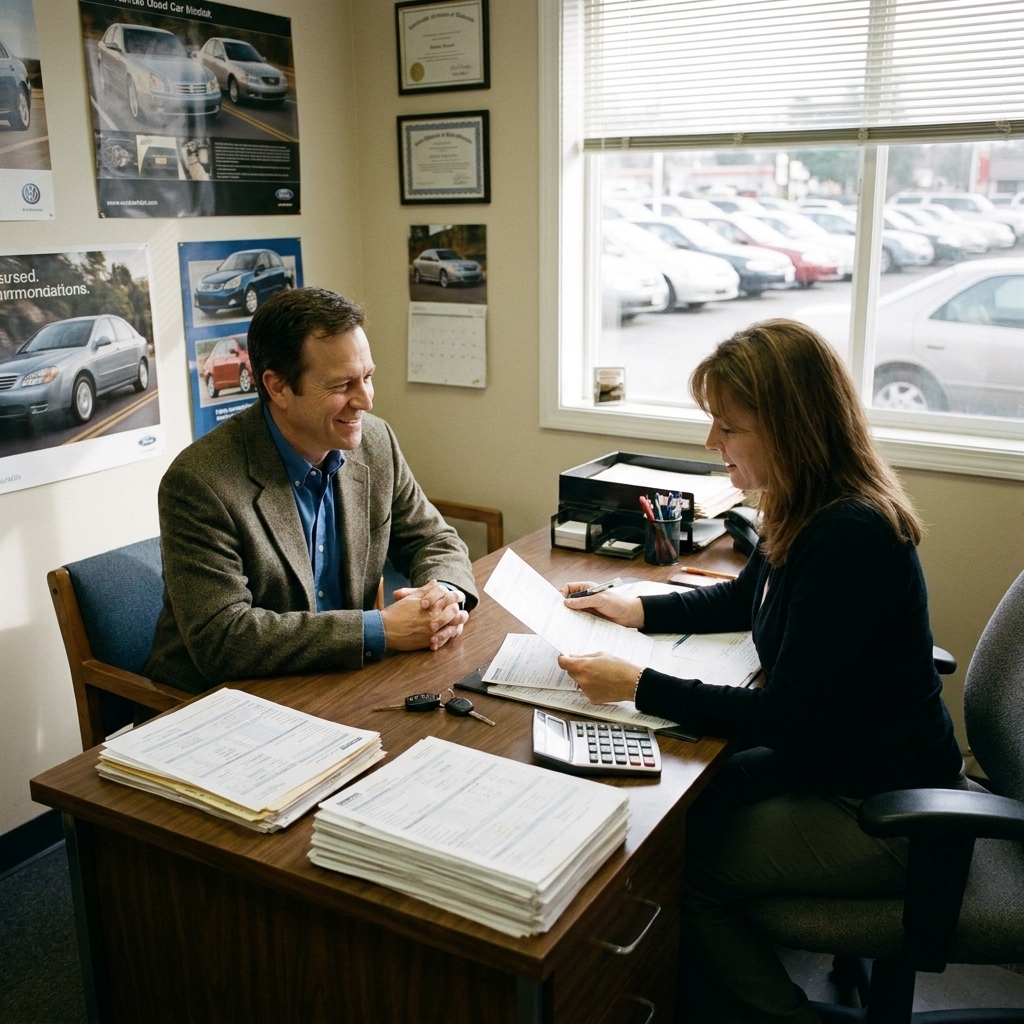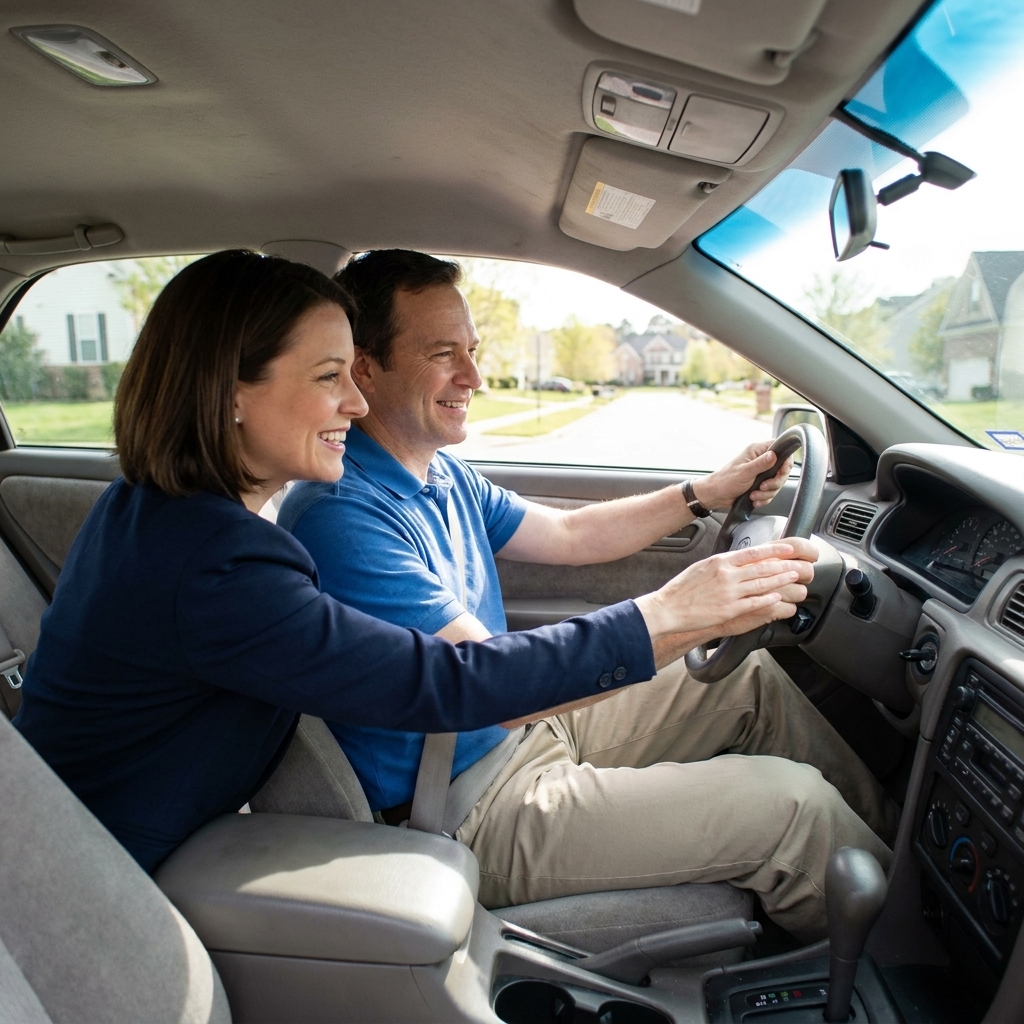
From sneaky transmission behavior to brake shudder and weird smells, these subtle test drive signs can help you avoid buying a lemon.
Used Car Buying Guide
How to Arrange a Pre-Purchase Inspection (PPI)
A pre-purchase inspection can reveal hidden leaks, crash repairs, and looming maintenance before you buy. Here’s how to book a PPI, what it can cost, and how to use the results to negotiate.

Ben Sullivan
Ben Sullivan is a former ASE-certified mechanic with over 15 years of experience inspecting, repairing, and appraising used vehicles. He contributes to Car Wise Guide to help everyday buyers navigate the used car market with confidence, armed with the knowledge to spot hidden red flags and negotiate fair prices.
Published October 18, 2026
Updated October 18, 2026
After years of inspecting used cars for buyers, I can tell you this: a pre-purchase inspection (PPI) is the cheapest “insurance policy” you can buy in the used car world. It is a professional, unbiased look at a vehicle before money changes hands. A good PPI can catch the stuff that doesn’t show up on a quick test drive, and it can save you from inheriting someone else’s expensive problems.
If you’re thinking, “The car looks clean and the seller seems honest,” that’s exactly when you want a PPI. Clean cars can have dirty secrets.
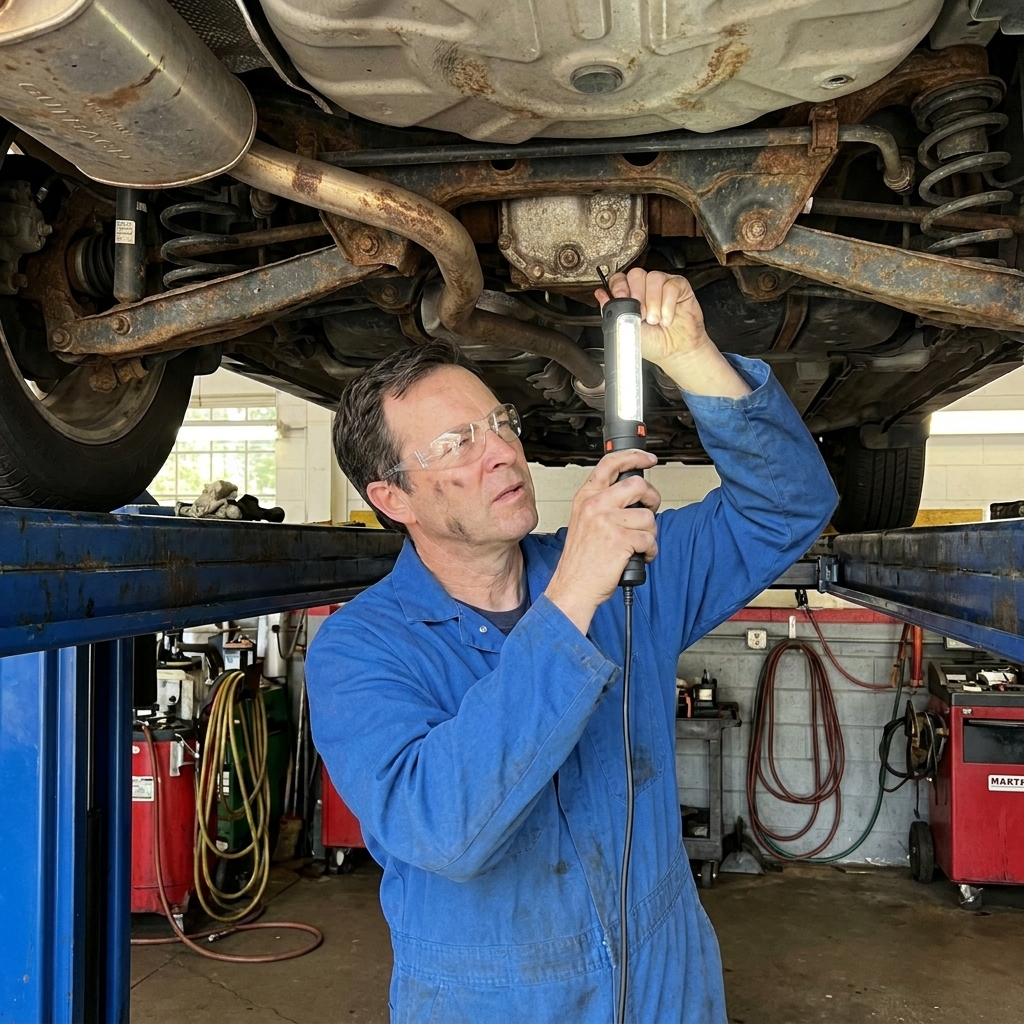
What a PPI is and what it is not
A PPI is a structured inspection performed by a qualified technician to evaluate a car’s condition, safety, and likely near-term repair needs. Think of it like a medical checkup. You want a clear picture of what’s going on, not a sales pitch.
Typically included
- Computer scan: diagnostic trouble codes (including pending codes)
- Road test: shifting, braking, steering feel, noises, vibration, alignment pull
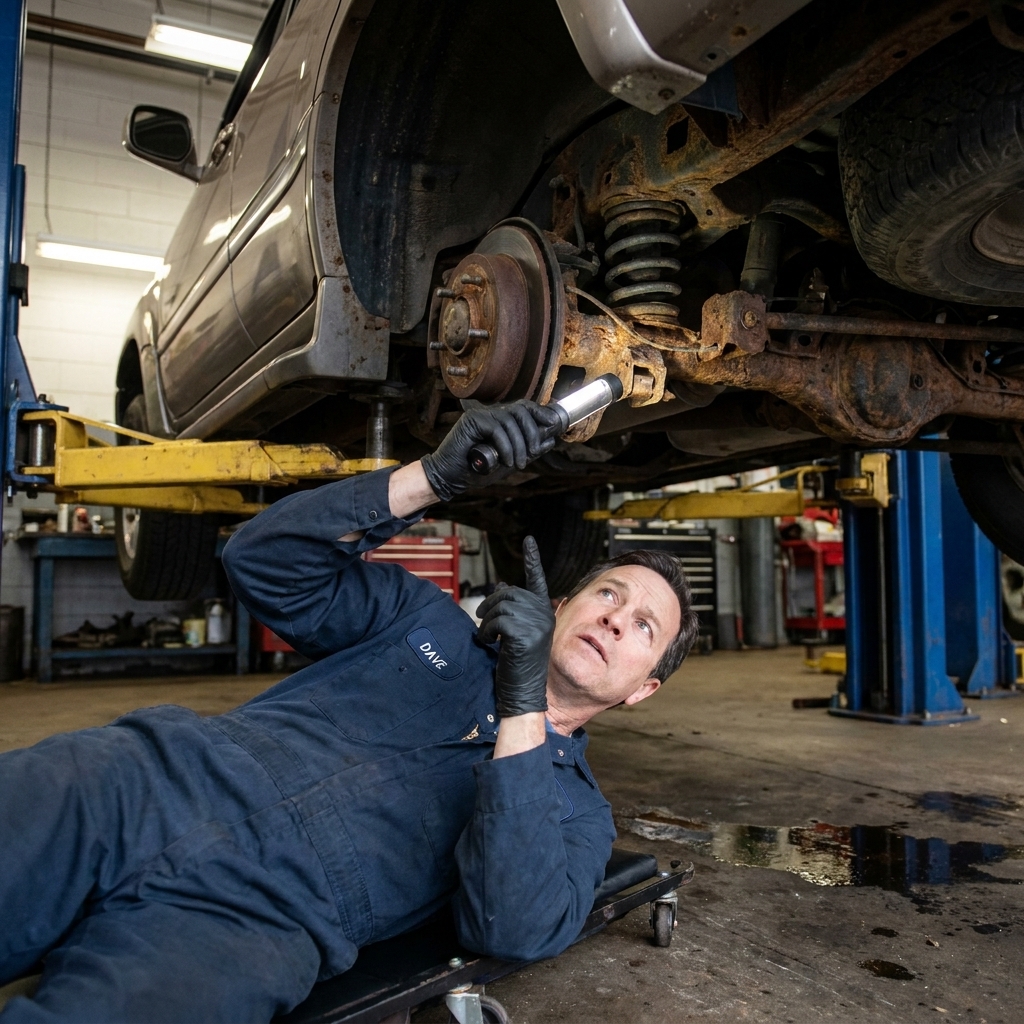
- Lift inspection: leaks, rust, damage, worn suspension and steering parts
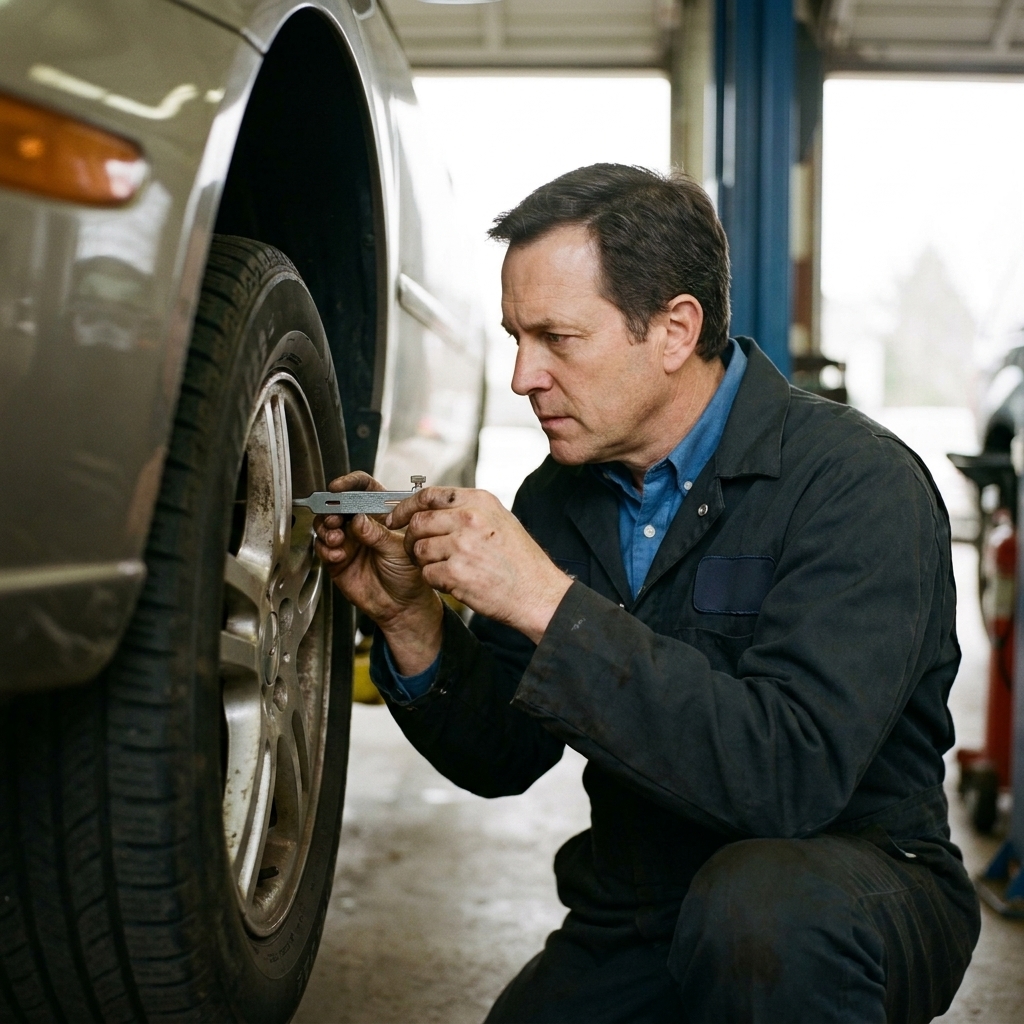
- Tires and brakes: measured for remaining life
- Fluid check: condition and visible leaks (oil, coolant, transmission, power steering, brake fluid)
- Battery and charging: basic testing
- HVAC and electrical: heat/AC, lights, windows, locks
- Body check: signs of collision repair and paintwork
Usually not included
- Compression and leak-down testing: sometimes available as add-ons
- Deep disassembly: shops cannot tear down a car for a PPI
- Perfect prediction: no inspection can guarantee every future failure
- “Free” dealer check: often just a quick checklist meant to sell you
A solid PPI gives you leverage and clarity: what’s good, what’s worn, what’s unsafe, and what’s likely to cost money soon.
Why you need a PPI
I love a good Toyota or Honda as much as anyone, but “reliable” doesn’t mean “this specific car has been cared for.” A PPI protects you from the big money surprises and the slow leaks that drain your bank account over the first six months.
Common expensive problems PPIs uncover
- Oil leaks from timing covers, valve covers, rear main seals
- Coolant leaks and early head gasket symptoms
- Transmission problems like delayed engagement, slipping, harsh shifts
- Suspension wear (control arms, ball joints, struts) that destroys tires and handling
- Collision repairs that were done cheaply or incorrectly
- Hidden rust on frames, subframes, brake lines, rocker panels
- Electronic faults that show up on a scan tool
Here’s the financial reality: spending a couple hundred dollars to avoid a multi-thousand-dollar headache is usually a good trade. And even when the car is solid, the PPI report can help you negotiate based on real wear items like tires, brakes, and upcoming services.
One caveat: even a great technician can miss issues hidden behind trim, under fresh repairs, or inside an engine or transmission without deeper testing. A PPI reduces risk, it doesn’t erase it.
PPI plus history and records
A PPI works best when you pair it with paperwork. Before you get too deep, ask for service records and run a vehicle history report. Use those as a cross-check, not a substitute.
- Vehicle history report: can reveal title brands, reported accidents, and mileage issues, but it will not catch everything.
- Service receipts: tell you if the owner actually maintained it, and what’s coming due (timing belt, major fluid services, brakes).
- Open recalls: check by VIN. Recalls happen on good cars too, and you want them addressed.
What a PPI typically costs
Pricing varies a lot by city, shop, and vehicle type. These are common ballpark ranges you will see in many markets:
- Basic PPI: often $100 to $200
- Full PPI with scan, road test, and lift time: often $175 to $350
- European luxury or performance vehicles: commonly $250 to $500+
- Add-ons (compression test, used oil analysis, deeper diagnostics): often $50 to $200 extra
If someone offers a $49 “inspection special,” ask what that actually includes. A meaningful PPI takes time. You are paying for a technician’s experience and access to a lift, not a quick walk-around.
Who pays for it?
Most of the time, the buyer pays. Sometimes a dealer, concierge service, or marketplace deal bundles an inspection, but do not assume it. In my book, the buyer paying is usually a good thing because it keeps the inspection independent.
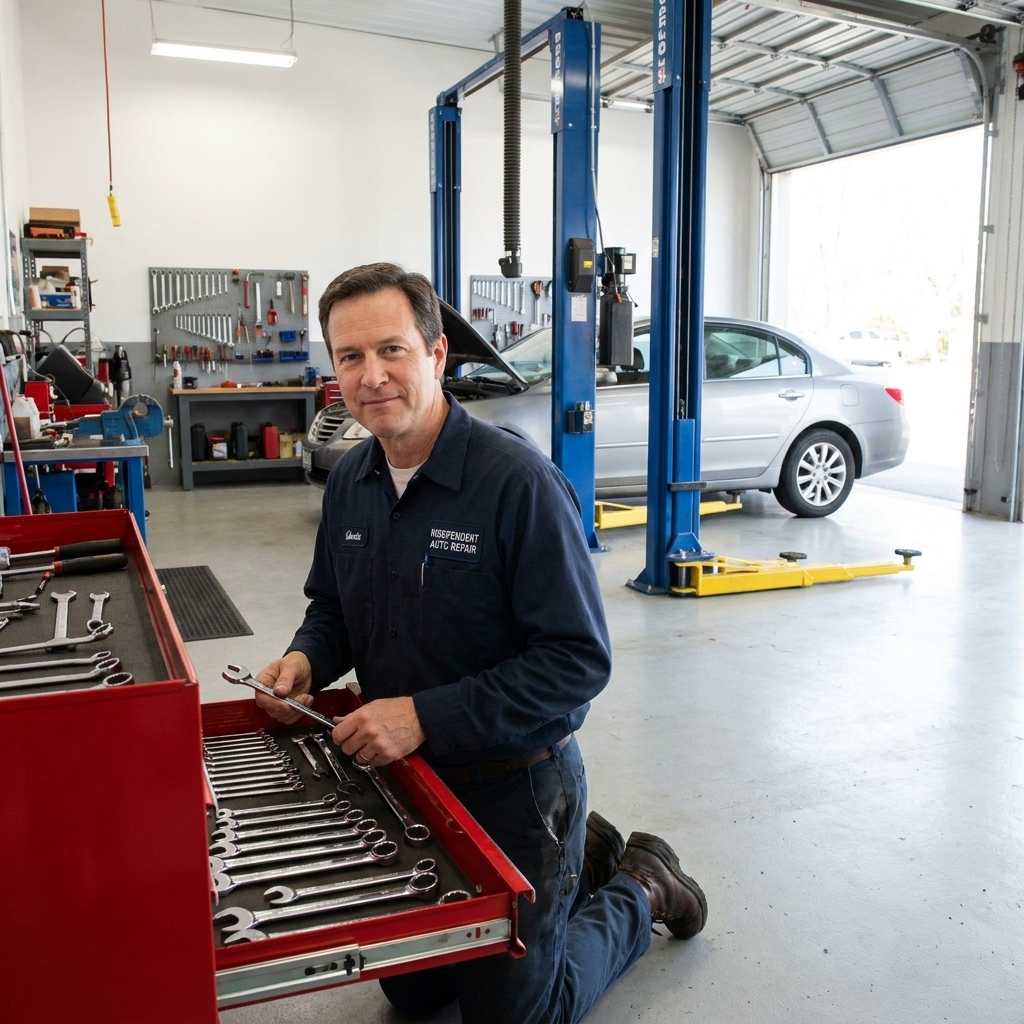
How to find a PPI shop
The best PPI is done by a shop that has no stake in whether you buy the car. You want a straight-shooter with a busy schedule, not a place that sounds overly eager to tell you what you want to hear.
Best options
- Independent shop that regularly works on the make you’re buying
- Brand specialist (especially for German cars, hybrids, diesels, and trucks)
- Dealership service department can be fine if you need factory-level knowledge, but confirm they will do a real PPI with notes, not just a standard multi-point sheet
What to look for
- Experience with PPIs (ask how often they do them)
- Photos when possible of leaks, rust, tire wear, and damage
- Clear pricing and timing up front
- Underbody access (a lift is ideal, but a thorough mobile inspection can still be worthwhile when a lift is not practical)
Questions to ask
- “Do you do pre-purchase inspections? What does yours include?”
- “Will you scan all modules for codes, or just the check-engine system?”
- “Can you measure brake pad life and tire tread depth?”
- “Will the car go on a lift or get an underbody inspection?”
- “How long should I plan for, and can I get a written summary?”
- “If you find major issues, can the tech talk to me for a few minutes?”
If the shop seems rushed, vague, or annoyed by these questions, move on. You’re hiring them. You deserve clarity.
How to schedule a PPI
This is the part that intimidates buyers, but it’s straightforward once you know the playbook.
1) Ask the seller early
Before you fall in love with the car, say: “I’m interested, but I buy with a pre-purchase inspection. Are you comfortable with me having a shop look at it?”
How they respond tells you a lot. A reasonable seller expects it. A seller who refuses without a good reason is waving a red flag.
2) Choose the shop
Pick a shop near the seller (or near the car) to keep things easy. Avoid “my buddy’s shop” suggestions from the seller. You want your own referee.
3) Coordinate the logistics
- Private seller: agree on a time window, then book the inspection and send the address. Some shops let you drop off; others want you present.
- Dealership: ask for permission to take the vehicle off-site for an inspection. Many allow it with a copy of your license and proof of insurance, sometimes with a salesperson riding along.
Plan for at least 60 to 90 minutes. A thorough inspection can take longer, especially if the shop is busy or the car has obvious issues that require documenting.
4) Tell the shop what matters
- Vehicle year, make, model, engine (if known)
- VIN, if available (helps check recalls and service info)
- Any specific concerns you want them to focus on (smell of coolant, rough idle, weird shift, etc.)
5) Get results in writing
When you receive the findings, ask the tech to sort issues into buckets:
- Safety: brakes, tires, steering, suspension, structural rust
- Needs attention soon: leaks, overheating risks, battery/charging issues
- Maintenance and wear: fluid services, filters, spark plugs, belts
- Nice-to-have: cosmetic issues, minor seepage, small trim faults
This keeps you from getting overwhelmed by a long list of minor items that are normal for age and mileage.
How to negotiate with a PPI
A PPI is not just for walking away. It’s also a negotiation tool when the car is good overall but needs a few things.
My approach
- Stick to measurable items like tread depth, brake pad thickness, and active codes
- Use real estimates from the inspecting shop when possible
- Ask for a price adjustment or specific repairs, not a vague demand
Example: “The inspection shows the front brakes are at 2 mm and the tires are at 3/32. That’s immediate money. Can we adjust the price by $900, or can you replace the brakes and install two front tires before delivery?”
That number is just an example. Pricing varies by region, parts availability, and vehicle type. The point is to tie your ask to real wear and real cost.
If the seller won’t budge and the issues are significant, you have your answer. Walking away is a win when it saves you from a bad buy.
Red flags to watch
- Seller refuses a PPI or tries to rush you into a decision
- Recently cleared codes with monitors “not ready” and no good explanation
- Fresh undercoating that looks like it’s hiding rust or leaks
- Coolant or oil contamination (milky residue, oily coolant)
- Major structural rust on frame or subframe mounting points
- Flood indicators (musty smell, corrosion under seats, waterlines in trunk or spare well)
- Mismatched tires or uneven wear suggesting suspension or alignment problems
- Transmission symptoms like flare, harsh engagement, or slipping under load
About those readiness monitors: yes, they can be reset for legitimate reasons, like a recent battery replacement. What you want is a straight story that matches the evidence.
Some issues are manageable. Some are money pits. A good shop will tell you which is which.
Special situations
Buying long-distance
If you’re shopping out of town, you can still get a PPI. Find a reputable local shop near the vehicle, pay over the phone, and ask for a written report with photos. Then ask the tech to call you for a quick debrief. That 10-minute phone call is worth its weight in gold.
Buying from a dealership
Some dealers push back on off-site inspections. Stay calm and firm. You’re not accusing them of anything. You’re doing due diligence. If they refuse entirely, I treat that as a serious warning sign.
Certified Pre-Owned (CPO)
CPO can be great, but it doesn’t magically make a car perfect. A PPI can still catch paintwork, tire wear, brake life, or pending codes. If you’re spending real money, you want real verification.
Hybrids and EVs
If you’re buying a hybrid or EV, tell the shop up front. You want someone who can scan the correct modules and understands common wear patterns.
- Hybrid and EV battery systems: you may not get a perfect “battery health percentage” from a basic scan, but you can still look for fault codes, cooling issues, and warning history.
- Brake wear: regen braking can change pad and rotor wear patterns, so measurements matter.
- Cooling systems: many hybrids and EVs have multiple cooling loops that need to be checked for leaks and proper operation.
Quick checklist
- Confirm the seller allows a PPI before you schedule a long visit
- Pick an independent shop with strong reviews and underbody access
- Ask what’s included and get the price up front
- Schedule the PPI before you negotiate final price
- Request a written summary and ask for priority ranking (safety, soon, later)
- Use the findings to negotiate or walk away
FAQ
Should I get a PPI before or after a test drive?
Test drive first, then PPI. If it drives poorly or feels wrong, don’t spend inspection money yet. If it passes your basic sniff test, book the PPI before you commit.
What if the seller says, “You can inspect it here, but it can’t leave”?
A driveway inspection is better than nothing, but you are giving up the lift inspection and sometimes the scan. If you can’t get it on a lift, consider a mobile inspector who can do a scan, road test, and thorough visual check, then decide if it’s worth the risk.
Can a PPI miss problems?
Yes. Some issues only show up intermittently, or after more time and heat cycles. A good PPI catches many of the expensive problems that buyers miss, but it is not a guarantee.
Is a PPI worth it on a cheap car?
Often, yes. If the car is $4,000 and the inspection is $175, that can feel painful. But cheap cars can have expensive problems. If you absolutely cannot justify a full PPI, at least pay for a scan and an underbody inspection.
What’s the difference between a PPI and a state safety inspection?
A state inspection is usually a pass/fail minimum standard. A PPI is a buyer-focused condition report meant to predict cost and risk.
The bottom line
A pre-purchase inspection is how you buy a used car like a pro. It helps you avoid lemons, budget more accurately, and negotiate based on facts instead of hope. If you’re about to spend thousands on a used vehicle, spending a little on a PPI is one of the smartest moves you can make.