Practical, no-fluff negotiation tactics: out-the-door pricing, comps, timing, fees, trade-ins, deposits, inspections, and scripts that keep you in control.
Used Car Buying Guide
5 Negotiation Scripts to Lower a Used Car Price
Memorize these 5 word-for-word negotiation scripts to counter dealer fees, “someone else is coming,” and payment games, and walk out with a lower used car out-the-door price.

Ben Sullivan
Ben Sullivan is a former ASE-certified mechanic with over 15 years of experience inspecting, repairing, and appraising used vehicles. He contributes to Car Wise Guide to help everyday buyers navigate the used car market with confidence, armed with the knowledge to spot hidden red flags and negotiate fair prices.
Published October 18, 2026
Updated October 18, 2026
I have watched a lot of good, hard-working people lose money on used cars because the conversation got steered away from facts and into feelings. Negotiation is not about being aggressive. It is about being calm, consistent, and specific.
Below are five word-for-word scripts you can memorize. They are designed for the most common moments where buyers get boxed in: “What monthly payment do you want?”, surprise fees, “another buyer is coming,” and the classic slow-walk meant to wear you down.
Before you use any script: set your three numbers
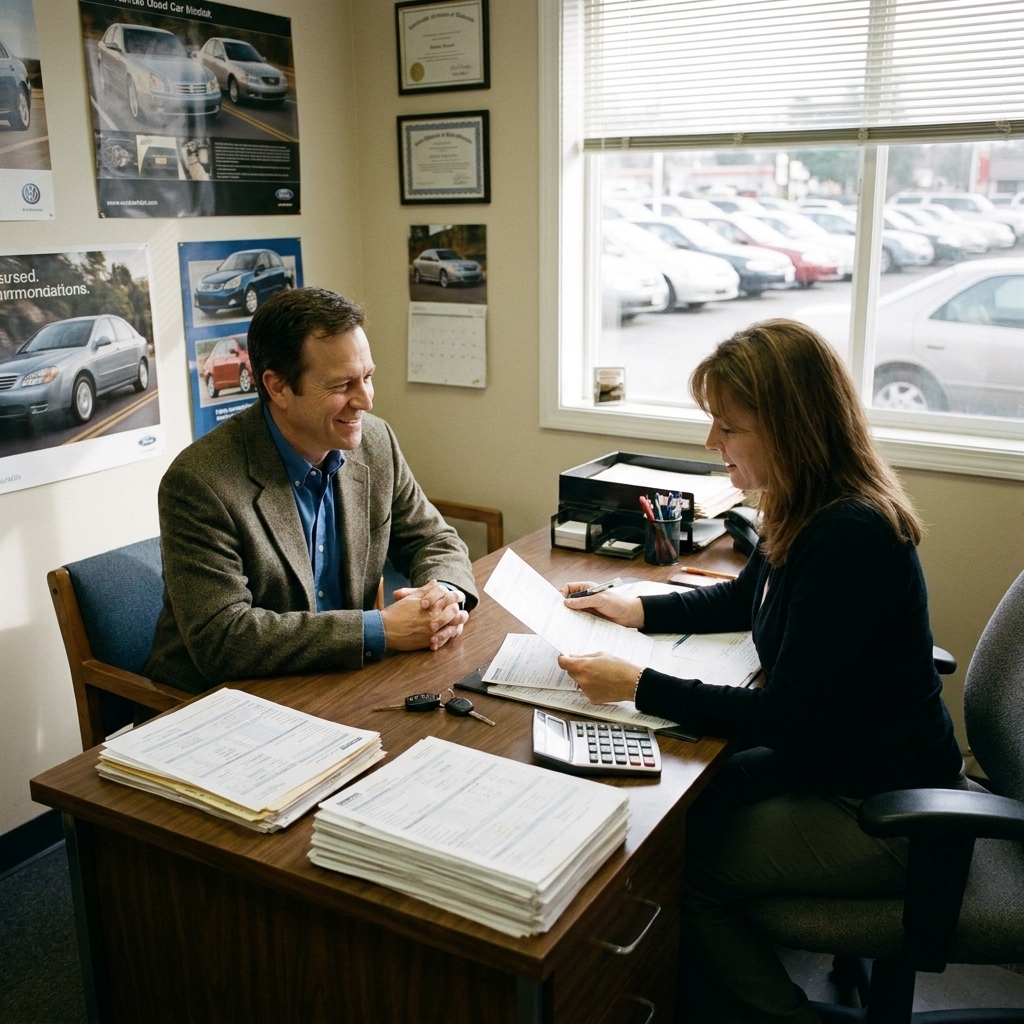
These scripts work best when you walk in with three numbers already decided. Write them down in your phone.
- Market range: What similar cars are selling for (same year, trim, mileage, and condition).
- Your walk-away price (out the door): The most you will pay including dealer fees and estimated taxes and registration.
- Your offer: Usually a bit below your walk-away price to leave room for a counter.
Important: negotiate the out-the-door price first. That is the number that matters. Just know that taxes and registration are sometimes estimated and can be adjusted later depending on DMV rules, your address, trade payoff timing, and other state-specific factors.
One more rule that saves money: keep the deal separated. Negotiate (1) the car’s out-the-door price, (2) your trade-in value, and (3) financing as three different conversations. When they blend them into one “monthly payment,” it is easier for the numbers to get slippery.
Script 1: “Let’s talk out-the-door price” (avoids the payment trap)
Use this when: They keep asking what monthly payment you want, or they try to talk finance before price.
Say this, word for word
“I’m not shopping by monthly payment. I’m shopping by out-the-door price. If we can agree on an out-the-door number today, then we can talk about financing terms.”
If they push again
“I understand. I’ll share my financing preferences after we lock in the out-the-door price. What’s your out-the-door number including all dealer fees and taxes?”
Why it works
Payment talk is where extra profit can hide. A dealer can sometimes create a “great” payment by stretching the term, changing the rate, or bundling add-ons. When you anchor on out-the-door, the math has less room to move.
Pro tip: If they ask “Cash or finance?” early, keep it neutral: “I’m open either way depending on the final out-the-door price.” Dealers vary. Some prefer financing, some do not care, and some will beat your outside loan. You are protecting your leverage by not committing early.
Script 2: “Show me the OTD breakdown” (handles surprise fees)
Use this when: You see doc fees, reconditioning fees, theft protection, nitrogen, VIN etching, paint protection, or “required” packages.
Say this, word for word
“Please print the out-the-door breakdown line by line. If a fee is optional, I’m declining it. If it’s required, I need you to explain what it is and why it’s required.”
Then follow with this
“I’m happy to buy the car today at $____ out the door. If those add-ons stay, the out-the-door price has to come down by the same amount.”
Why it works
It forces clarity. Add-ons are often high-margin products packaged as “standard,” and practices vary by dealer and state. You do not need to argue about whether VIN etching is “worth it.” You make it a math problem: either remove it or reduce the price.
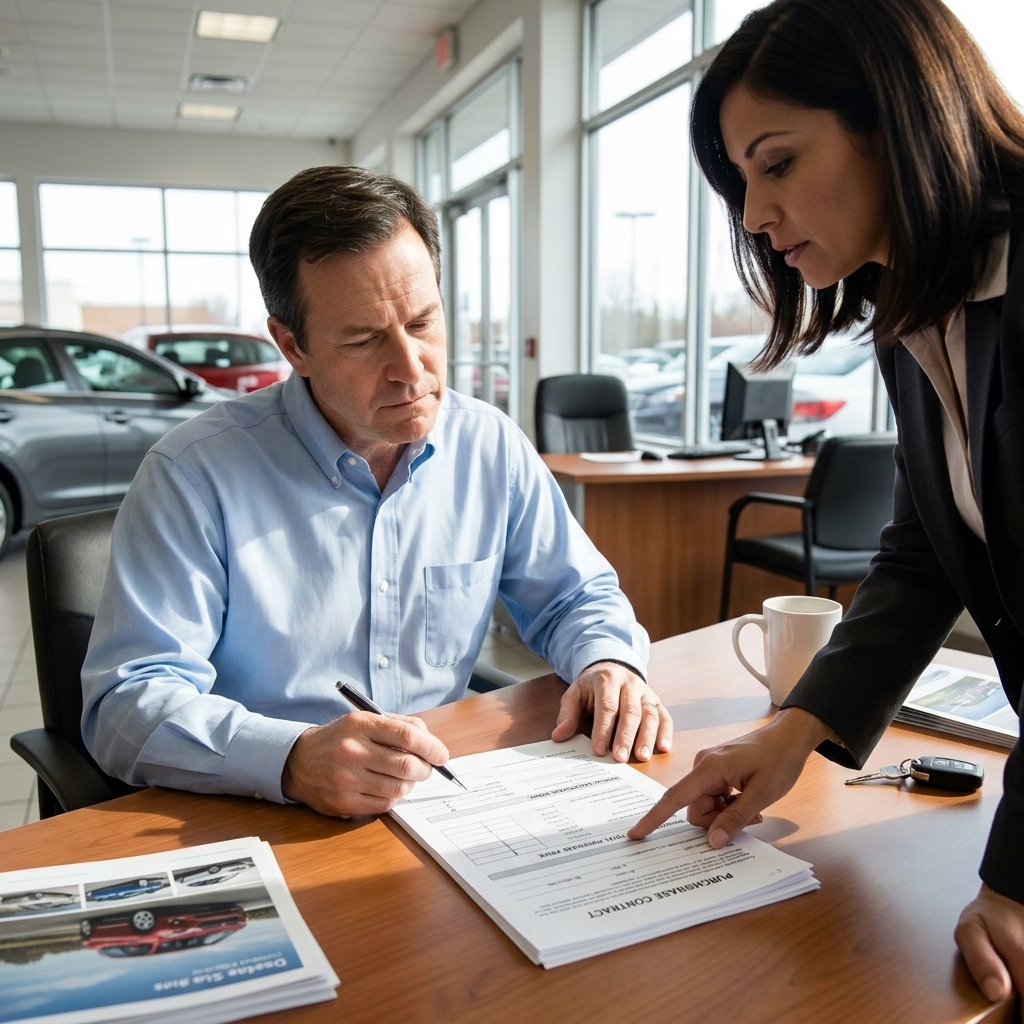
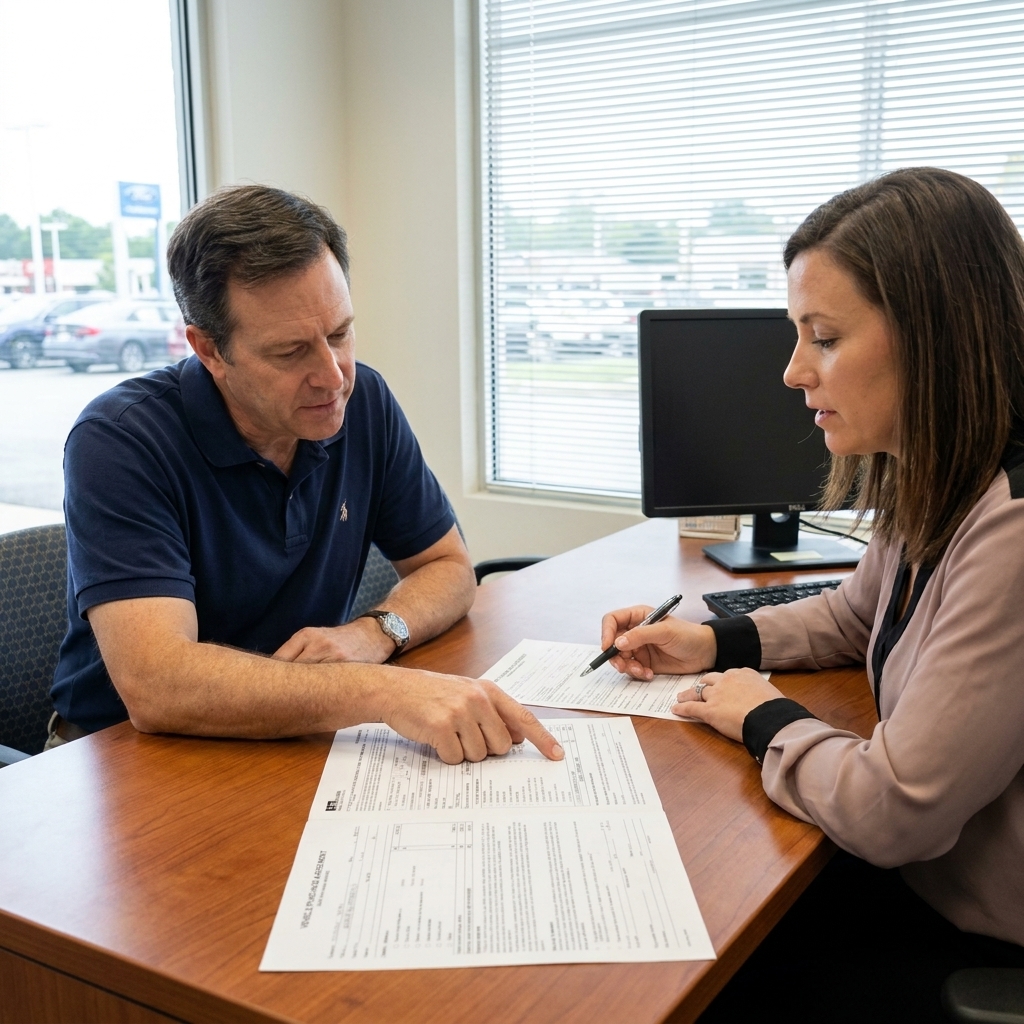
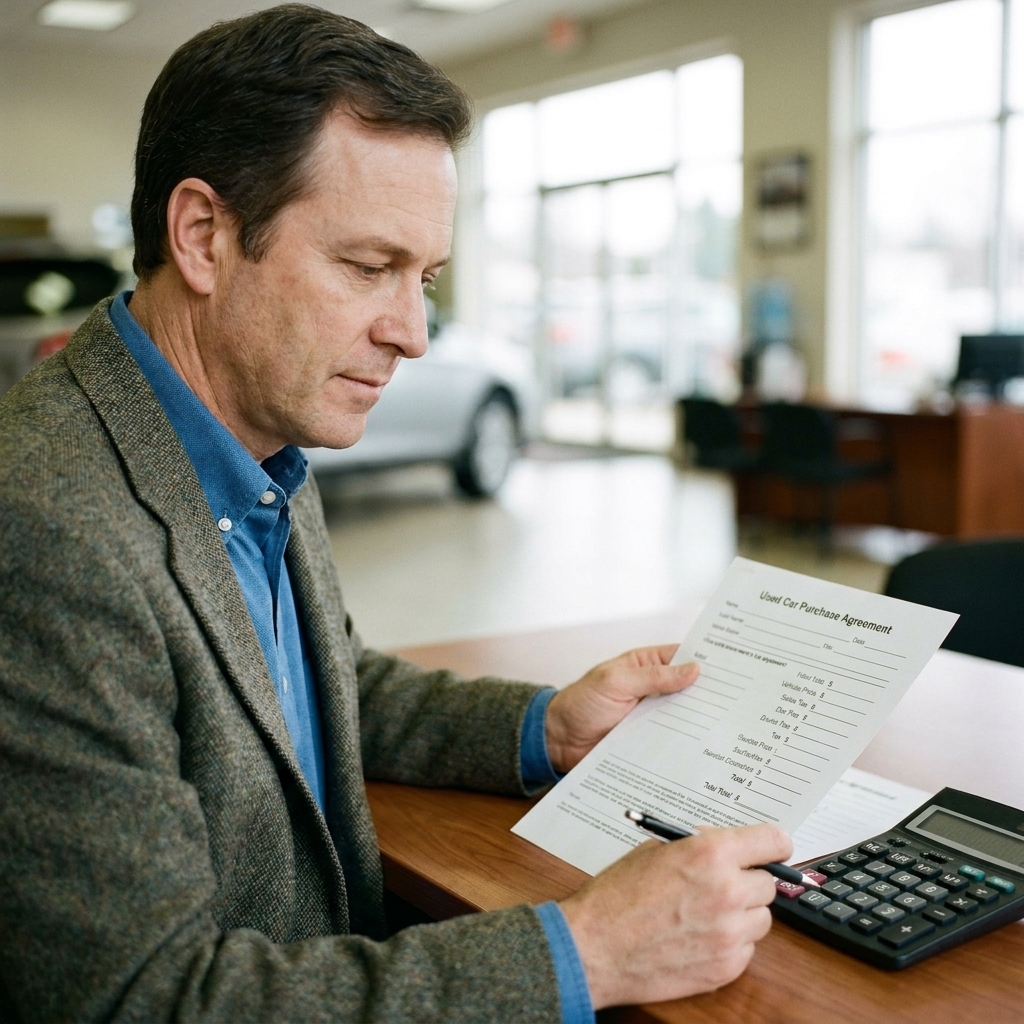
Paperwork move that matters: Ask for the buyer’s order (or purchase agreement) showing the full out-the-door number in writing before you go to the finance office. If they will not put the number in writing, assume it is not real.
Script 3: “I’m ready now, if the numbers work” (beats urgency)
Use this when: They say another buyer is on the way, it will be gone tonight, or they try to rush you into signing.
Say this, word for word
“I understand. I’m not asking you to hold it. I’m ready to buy it now if we can agree on $____ out the door. If it sells, no hard feelings.”
If they try to speed you past an inspection or test drive
“I’m serious about buying today, but I’m not buying any used car without a full test drive and a quick look for leaks, tire wear, and warning lights. If that’s a problem, I’ll pass.”
Why it works
It removes the pressure hook. You are not begging. You are presenting a clean, immediate deal with a clear number. If they really have another buyer, fine. If they do not, your calm confidence usually changes the tone fast.
Script 4: “Here’s my comp” (wins with facts)
Use this when: They say “we’re priced aggressively,” “we can’t move,” or they counter high without justification.
Do this first
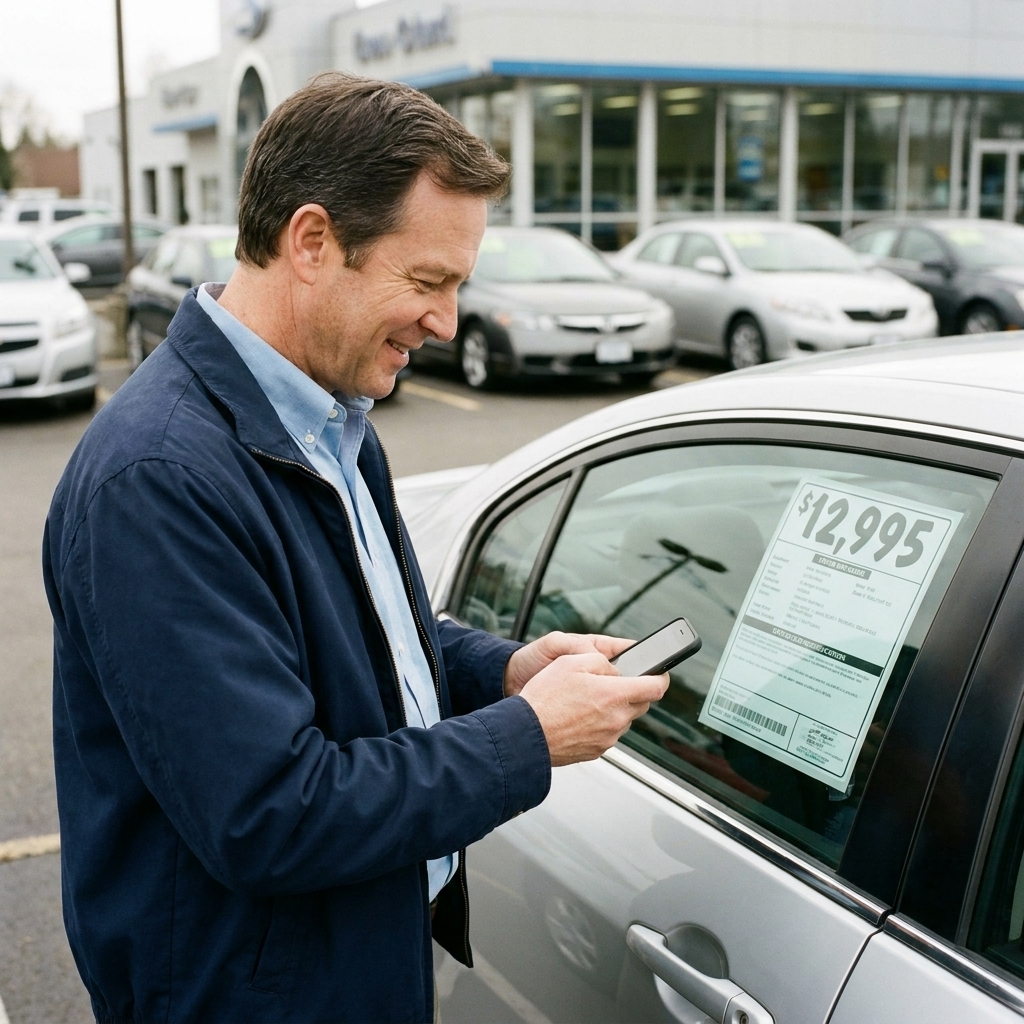
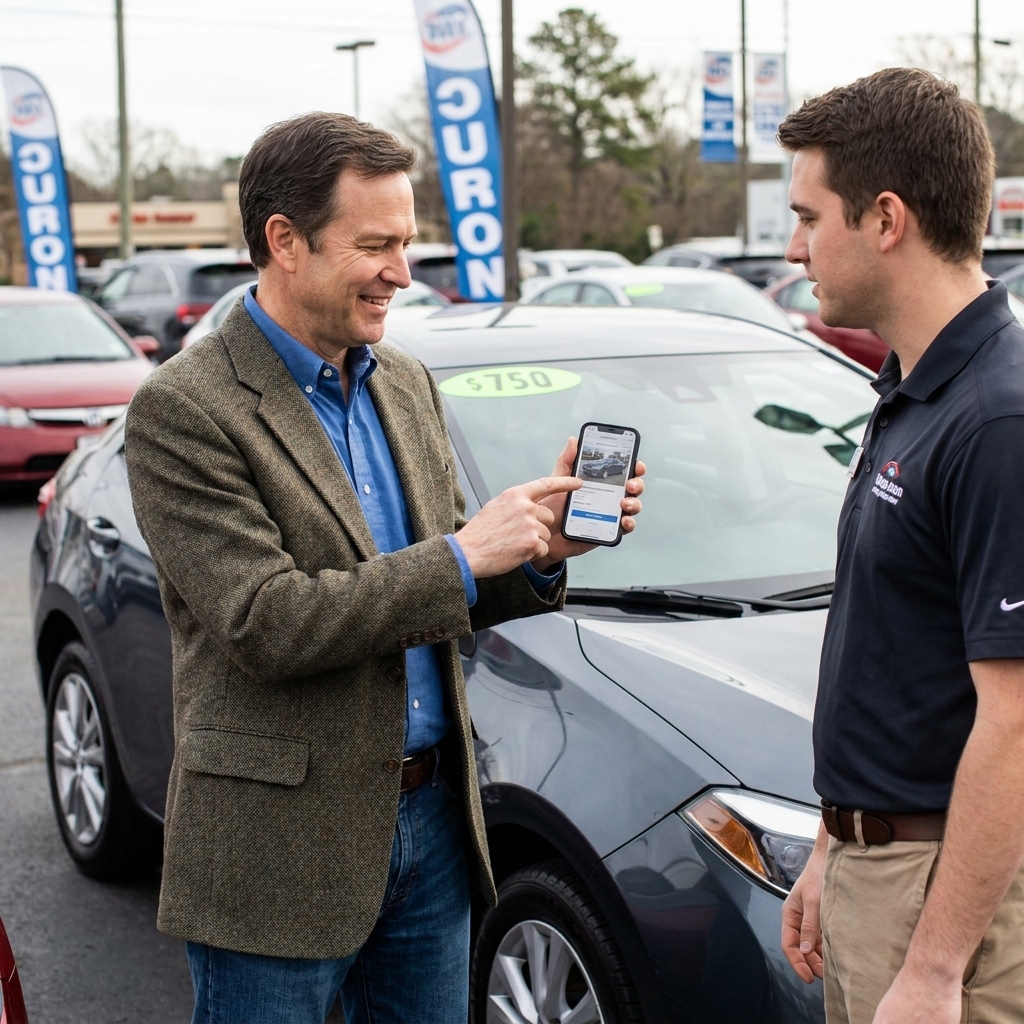
Pull up one or two comparable listings you already saved: same trim, similar miles, similar condition, within a reasonable distance. Then deliver the script.
Say this, word for word
“I’m not trying to beat you up. I’m trying to pay market value. This one is $____ with similar miles, and this one is $____. If you can do $____ out the door, I’ll buy yours today. If not, I’m going to go look at the other one.”
If they say “Those are not the same car”
“You’re right, they’re not identical. That’s why I’m giving you the chance to earn the deal. If your car is better, show me what justifies the price. Otherwise, my number stays $____ out the door.”
Why it works
Dealers respect comps because comps are real. You are not negotiating against their feelings. You are negotiating against the market.
Script 5: “I’ll sign today at this number” (beats the slow-walk)
Use this when: You are stuck in back-and-forth and the dealership is slow-walking the deal, hoping you will cave from fatigue.
Say this, word for word
“I don’t want to waste your time. I’m comfortable at $____ out the door. If you can do that, I’ll sign today. If you can’t, that’s okay, I’m going to leave my number and keep shopping.”
Then do the hardest part
Stand up, gather your things, and actually start to leave. No speeches. No extra negotiating. Calm and friendly.
If they stop you with “What would it take?”
“$____ out the door. Same number.”
Why it works
Most negotiation leverage comes from being willing to walk. The moment you show you can leave, the conversation often gets more realistic.
Quick add-on scripts
When they say: “This price is only good today”
“If it’s a fair market deal today, it will still be a fair market deal tomorrow. If it sells, I’ll keep shopping.”
When they say: “We already put money into reconditioning”
“I’m glad you did. That’s part of selling a used car. I’m still buying based on market value and condition today.”
When they say: “Doc fee is non-negotiable”
“That’s fine. Keep the doc fee. But my out-the-door number stays the same, so we need to adjust the price of the car to get there.”
Doc fees are handled differently by state, and some dealers will not offset them. If they will not, you either hold your number or you walk.
When they say: “Talk to finance, they handle that”
“I’m happy to talk to finance after we agree on the out-the-door price in writing. Let’s finish the purchase numbers first.”
Pre-purchase inspection basics
If you want the simplest strategy that saves people the most money, it is this: get the car inspected before you “fall in love,” and keep your negotiation anchored to out-the-door price.
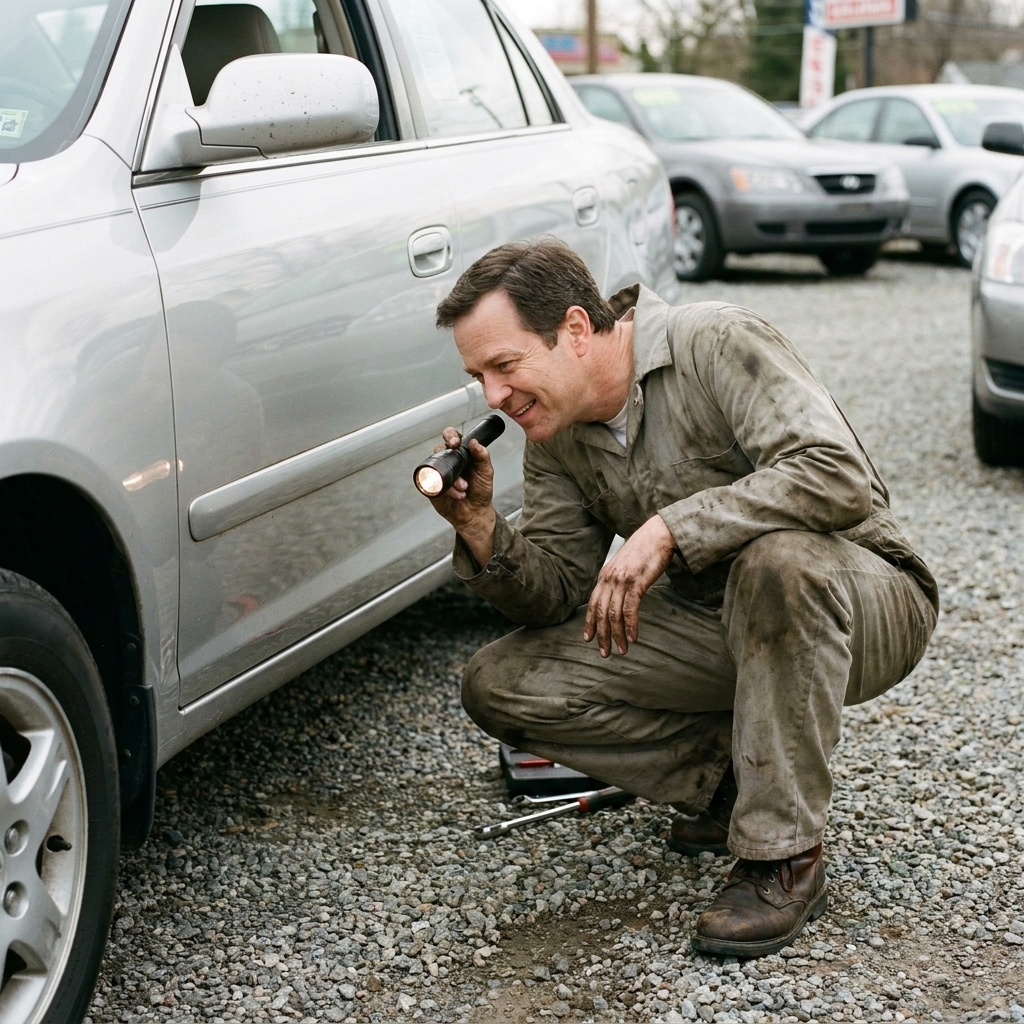
- How to ask at a dealer: “I’d like a pre-purchase inspection at an independent shop. I’ll pay for it. Can we schedule a 60 to 90 minute window?”
- Who pays: Usually the buyer.
- Typical cost: Often $100 to $250, sometimes more for specialty cars or deep diagnostics.
- If they refuse: Treat it as a real data point. There are honest reasons a dealer may say no, but you do not have to accept the risk. Walk.
Deposits and spot delivery
Deposits: If they ask for a deposit to “hold” the car, get the refund terms in writing. Do not rely on “refundable” as a verbal promise. If they cannot clearly explain when and how you get your money back, do not put money down.
Spot delivery: If you are financing and they want you to take the car home before the loan is finalized, read everything twice. If the financing is not approved, some deals get rewritten later with worse terms. If anything feels rushed or unclear, slow it down and insist on final numbers in writing.
FAQ
What should I negotiate first on a used car?
Out-the-door price first. That is the only number that aims to include what you are actually paying for the vehicle purchase, including dealer fees and estimated taxes and registration. After that, negotiate financing rate and term, and only then discuss add-ons if you genuinely want any.
How much off can you realistically negotiate?
It depends on the vehicle, the dealer, and how it is priced versus market. On fairly priced, in-demand cars, the discount might be modest. On overpriced units or cars with cosmetic flaws, old tires, or stale inventory, you can often move the needle more. The better your comps, the better your odds.
Is it better to negotiate by text or in person?
For pure price, text or email can be great because everything is in writing and you avoid pressure. For evaluating condition, you still need to see the car in person and test drive it. If you negotiate remotely, ask for the out-the-door breakdown in writing before you go in.
Should I tell them I’m paying cash?
Not early. Some dealers make profit on financing, so mentioning cash too soon can reduce their motivation to discount. That said, it is not universal, and some deals are simpler with cash or outside financing. The clean move is to stay flexible until the out-the-door price is agreed to in writing, then choose the payment method that is best for you.