Learn how to find the right shop, schedule a pre-purchase inspection, what a PPI can cost, and how it can save you money on a used car.
Used Car Buying Guide
How to Test a Used Car’s Transmission
Learn how to spot transmission trouble on a used car test drive. Check fluid condition, scan for codes, feel for slipping or harsh shifts, and confirm manual clutch health before you buy.

Ben Sullivan
Ben Sullivan is a former ASE-certified mechanic with over 15 years of experience inspecting, repairing, and appraising used vehicles. He contributes to Car Wise Guide to help everyday buyers navigate the used car market with confidence, armed with the knowledge to spot hidden red flags and negotiate fair prices.
Published October 18, 2026
Updated October 18, 2026
If an engine is the heart of a car, the transmission is the part that makes that heart usable. And when a transmission is failing, the repair bill can be brutal. The tough part is that many transmission problems show up as little quirks at first: a soft flare between gears, a delayed engagement, a shudder at 40 mph, a clutch that grabs funny. On a quick dealership loop, those can be easy to miss.
This guide walks you through a simple, repeatable way to test a used car’s transmission in the driveway and on the road, for both automatics and manuals. You do not need special tools. You just need a plan and the confidence to keep shopping if it feels wrong.
Safety note: Do these checks only with the seller’s permission, in a safe area, while obeying traffic laws. If a test requires you to stare at the tach or think too hard, skip it and focus on what you can feel.
Before you drive: quick checks
1) Ask the right questions
- Any transmission work? A rebuilt unit is not automatically bad, but you want paperwork and details.
- When was the fluid last changed? Never is a yellow flag on many vehicles, especially if the car tows or sees heavy city driving.
- Any warning lights recently? A seller who says it was on but went away might be describing an intermittent solenoid or pressure issue.
- Does it shift differently hot vs. cold? That is often when marginal transmissions show their true colors.
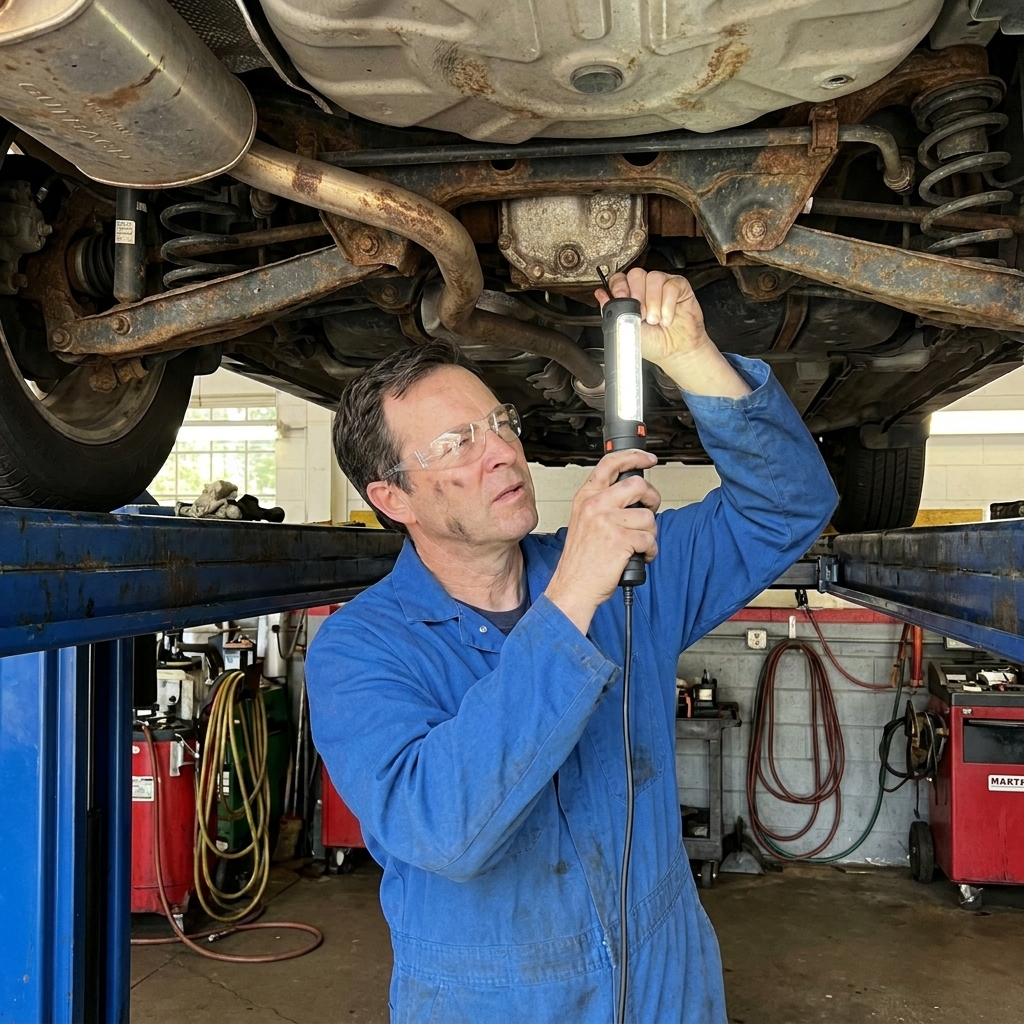
2) Scan the ground and underbody for leaks
Transmission fluid leaks do not always mean the transmission is failing, but they can point to neglected seals, overheating, or prior removal and reinstall mistakes. Look for wetness around:
- Axle seals where the drive axles enter the transmission
- Transmission pan gasket area (automatic)
- Bellhousing area between engine and transmission (can be rear main seal or input seal)
- Transmission cooler lines and fittings (automatic)

Bring a code reader (worth it)
If you have access to a basic OBD-II code reader, bring it. Plug it in before the drive and again after the drive.
- Check for stored and pending codes, not just a check-engine light.
- Watch for transmission-related codes (shift solenoids, gear ratio errors, torque converter clutch performance) and for engine codes that can mimic transmission issues (misfires).
- Be alert for freshly cleared codes. If all readiness monitors show “not ready,” the seller may have recently erased codes. That is not proof of a problem, but it is a reason to slow down and verify.
Check fluid the right way
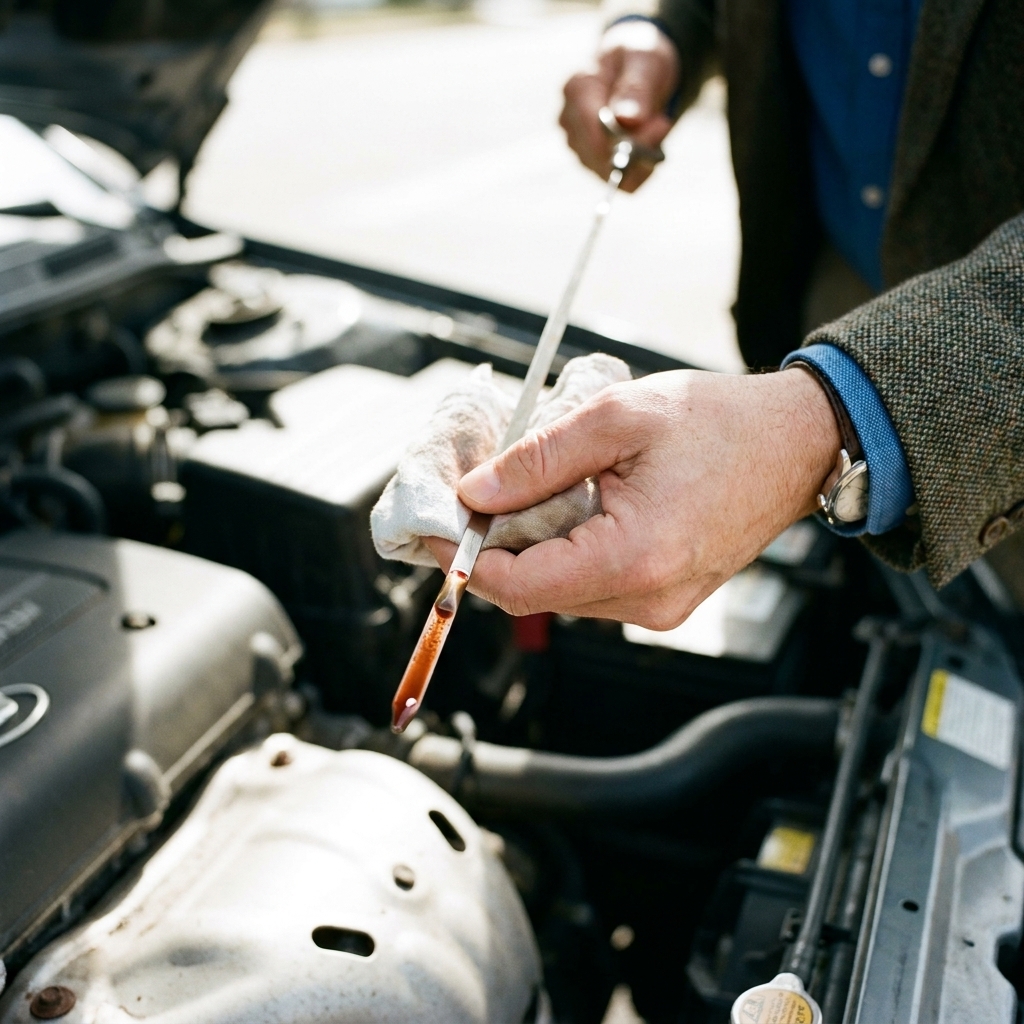
Fluid tells stories. It can hint at overheating, internal wear, water contamination, and poor maintenance. Not every car has a dipstick anymore, but when it does, use it.
Quick caution: The correct procedure varies. Some automatics must be checked with the engine running, the vehicle level, and the transmission at operating temperature. Others are sealed and use a fill or check plug. If you are not sure, consult the owner’s manual or service procedure before you treat the dipstick reading as gospel.
Automatic transmission fluid (ATF)
- Healthy: Color varies by fluid type. Newer fluid is often red, amber, or light brown. Condition matters more than shade: it should look clean and smell mildly oily.
- Concerning: Very dark fluid plus an overheated or burnt smell. That often points to heat damage and slipping.
- Bad sign: Glittery metallic sparkle on the dipstick or on a white paper towel. A little staining is normal. Shiny metal is not.
- Also watch for: Pink, milky fluid. That can indicate coolant contamination (often from a radiator cooler failure on vehicles that use a coolant-to-ATF heat exchanger), and it can ruin an automatic fast.
Pro tip: Dab the dipstick on a white paper towel. It makes debris and discoloration easier to see.
Manual transmission fluid
Most manuals do not have a dipstick. Checking level requires removing a fill plug, which most sellers will not allow. In that case, lean harder on service records and your road test. Receipts showing gear oil changes are a real plus, especially on high-mileage cars.
Automatic test drive plan
You want to test an automatic transmission in three phases: cold-start behavior, normal driving, and fully warmed-up behavior. Many problems hide until fluid heats up.
1) Start cold if you can
If the seller has already warmed the car up when you arrive, that is not proof of anything, but it removes helpful information. When you start the car:
- Listen for a whine that rises with engine speed, especially in gear. Some whine is normal on some models, but loud new whine can indicate pump or bearing issues.
- Watch idle quality. A rough idle can create a shudder that feels like a transmission. We want to separate engine problems from shift problems.
2) Engagement test: Park to Drive, Park to Reverse
With your foot firmly on the brake, move from P to D, pause, then P to R. A healthy transmission should engage promptly, about a second on many cars, with a smooth, decisive feel.
Warning signs:
- Delayed engagement: You select Drive and it takes a couple seconds to find the gear.
- Harsh clunk: A violent bang into gear can mean worn mounts, but it can also mean pressure control issues inside the transmission.
- Needs revving to move: If you have to tap the gas to get it to engage, keep shopping.
3) Gentle acceleration: feel every upshift
In a safe area, accelerate lightly from a stop to about 35 to 45 mph. You are looking for consistent, clean upshifts.
Warning signs:
- Slip or flare: RPM rises between gears like the car free-revs before catching.
- Harsh shift: A sharp kick during a 1-2 or 2-3 shift.
- Hesitation: You press the pedal and nothing happens for a moment, then it suddenly goes.
4) Moderate acceleration: test kickdown
At 30 to 50 mph, press the accelerator about halfway to request a downshift. You should feel a prompt downshift and smooth pull.
Warning signs:
- Hunting: It cannot decide on a gear and keeps shifting up and down.
- Shudder on downshift: A vibration as it changes gears can indicate torque converter clutch issues.
- Slipping under load: RPM climbs but speed does not match.
5) Steady cruise test: the shudder zone
Many torque converter problems show up at a steady cruise when the converter clutch applies, often somewhere in the 30 to 60 mph range depending on programming. On a flat road, hold a steady speed.
Warning signs:
- Vibration or shudder that feels like driving over rumble strips
- RPM flutter that rises and falls slightly without you moving the pedal
6) Deceleration and stop
As you slow down to a stop, a healthy transmission downshifts smoothly in the background.
Warning signs:
- Clunk or bump right before stopping
- Stall-like feeling when coming to a stop (can indicate torque converter clutch not releasing)
7) Once warm: repeat the engagement test
Once the car is fully warmed up, do the Park to Drive and Park to Reverse engagement test again. Some worn units behave better cold and worse hot. Others do the opposite.
Manual and clutch checks
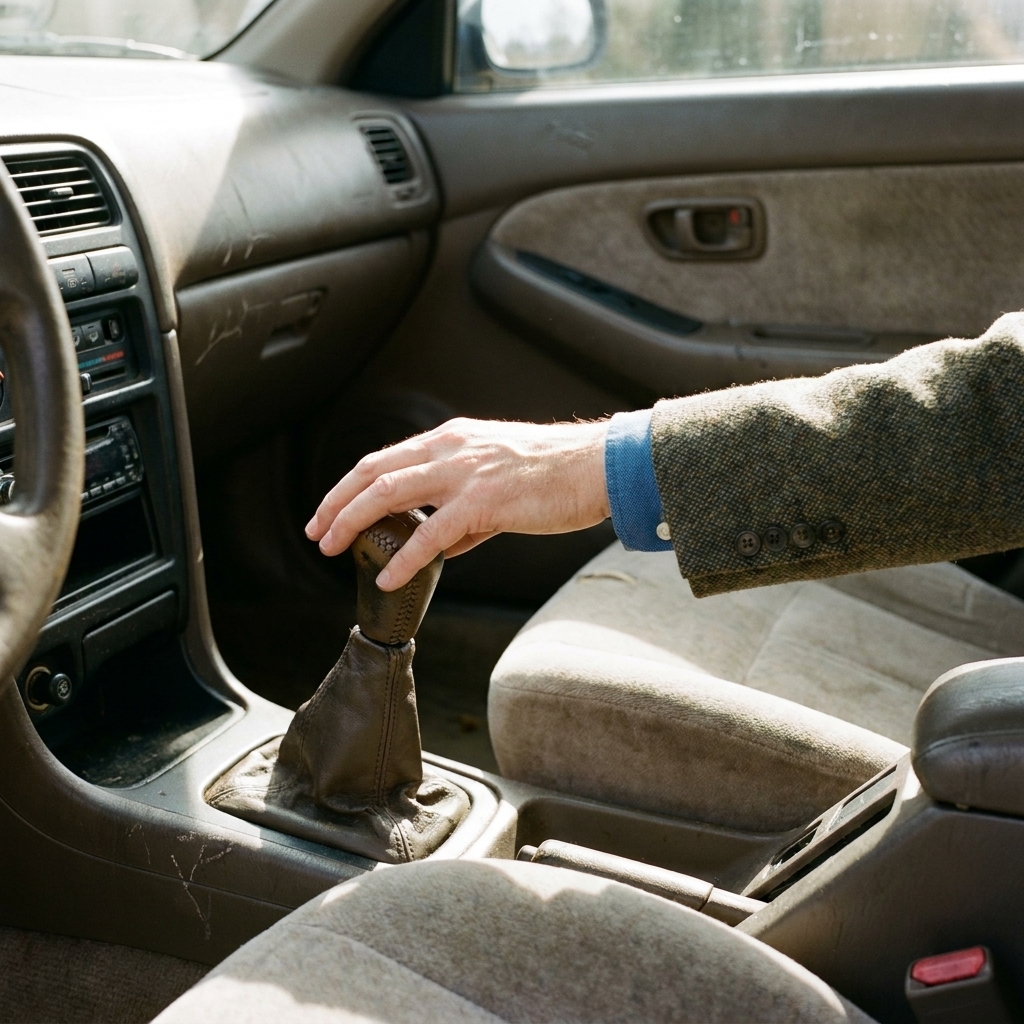
Manual gearboxes are often simpler and cheaper to repair than automatics, but clutch jobs and internal synchro wear can still get expensive. Your test drive should focus on clutch condition, shift quality, and noises.
1) Clutch bite point and pedal feel
With the engine running, press the clutch. It should feel smooth and consistent.
Warning signs:
- Bite point at the very top of the pedal travel: often a worn clutch (not always, but common).
- Spongy pedal or inconsistent engagement: can indicate hydraulic issues (master or slave cylinder) or air in the system.
- Chatter when starting from a stop: can be a hot spot on the flywheel, worn mounts, or a clutch nearing the end.
2) Test for clutch slip
On a flat road at about 25 to 35 mph, shift into a higher gear than normal (like 4th or 5th), then press the accelerator moderately.
- Healthy: Engine RPM and vehicle speed rise together.
- Slipping: RPM jumps up quickly, but the car does not accelerate proportionally.
If it slips, budget for a clutch soon. If the seller tells you it just needs adjustment, be careful. Many modern clutches self-compensate, but some vehicles still use cable setups or older-style adjustments.
3) Shift quality
Run through all gears with normal, unforced shifting. Pay special attention to 2nd and 3rd gear, which often show wear first.
Warning signs:
- Grinding when selecting a gear: often synchro wear, or the clutch is not fully disengaging.
- Notchy or stiff shifting when warm: could be fluid, linkage, or internal wear.
- Popping out of gear under load or on decel: internal wear red flag, and usually not cheap.
4) Listen for bearing noises
At idle in neutral, listen. Then press the clutch pedal in and listen again.
- Noise changes when clutch is pressed: can indicate a throwout bearing or input bearing issue.
- Growling that varies with vehicle speed in gear: could be differential or gearbox bearings.
Warning signs to take seriously
- Slipping: RPM rises without matching acceleration, or it flares between shifts.
- Delayed engagement: Noticeable pause when selecting Drive or Reverse.
- Harsh shifts: Banging into gear, especially when warm.
- Shudder at steady speed: Often torque converter clutch related on automatics.
- Overheated or burnt fluid smell: Heat and friction material wear.
- Grinding (manual): Synchros or clutch release issues.
- Popping out of gear (manual): Internal wear, often a deal-breaker for budget buyers.
- Transmission temperature warnings or limp mode: Treat as a major red flag unless proven repaired properly.
Automatic vs. CVT vs. DCT
Not all automatics behave the same. Knowing what you are driving helps you interpret what you feel.
Traditional automatic
Shifts are usually distinct but smooth. Shudder at cruise, harsh engagement, and slipping under load are key red flags.
CVT
CVTs often hold RPM steady while speed increases. Many also simulate shifts on purpose, so a stepped feel is not automatically a problem. What you do not want is:
- Judder from a stop
- Delayed takeoff then sudden surge
- High RPM with poor acceleration once warmed up
- Whining that gets loud under light throttle
DCT
Some dual-clutch transmissions shift quickly and can feel a little abrupt at low speeds even when healthy. Dry-clutch DCTs in particular can feel jerky in parking lots. What is not normal is repeated hesitation pulling away from a stop, loud clunks, or persistent gear-selection errors.
Quick checks to avoid misdiagnosis
I have seen plenty of buyers blame a transmission when the real issue was something else. Before you panic, consider these quick sanity checks:
- Motor mounts and transmission mounts: Broken mounts can cause a hard bang on shifts.
- Misfires: An engine misfire under load feels like a hesitation or shudder.
- Old tires or mismatched sizes: On some AWD systems, this can create binding that feels like driveline trouble.
- Brake drag: A sticking caliper can make the car feel sluggish and confused on shifts.
Even when something is not strictly the transmission, it still impacts your purchase decision and your budget. Use it as negotiating leverage or a reason to keep looking.
What to do if you notice symptoms
If it is minor
Repeat the same maneuver a couple of times in a safe place. Some shift weirdness is driver input, especially with manuals. But if a symptom is repeatable, it is real.
If it is clear
If you feel slipping, delayed engagement, grinding, or popping out of gear, do not hope it is nothing. Make the sale contingent on a professional pre-purchase inspection and, ideally, a scan and road test by a shop that does drivability diagnostics.
Get the paperwork
If the seller claims it was repaired, ask for invoices that include:
- What parts were replaced
- Whether it was rebuilt, used, or remanufactured
- Warranty terms and whether they transfer to a new owner
FAQ
Is dark transmission fluid always a deal-breaker?
Not always. Color alone is not a verdict because ATF shades vary by type. What matters is condition. Dark fluid plus an overheated or burnt smell, slipping, or harsh shifts is a strong no. Dark fluid with clean shifting might mean neglected maintenance, so budget for service and get a pre-purchase inspection to check for stored transmission codes and abnormal shift data.
Can a transmission shift hard just because the car is cold?
Some vehicles do shift firmer when cold. What I do not like is harshness that stays after 10 to 15 minutes of driving, or harsh engagement into Drive or Reverse.
What does hesitation usually mean?
It can be transmission related, but it can also be throttle body issues, turbo lag, misfires, or fuel delivery problems. The key is whether RPM rises without speed (more transmission-like) or whether the engine bogs without RPM rising (often engine-related).
Should I buy a used car with a rebuilt transmission?
Sometimes, yes. A quality rebuild with documentation from a reputable shop can be a plus. A fresh rebuild with no paperwork, vague details, or a car that still shifts oddly is a pass.
Is a small shudder at 40 to 50 mph a big deal?
It can be. That speed range is where many automatics apply the torque converter clutch, but the exact window varies by vehicle. A light shudder that comes and goes with steady throttle is often an early sign of converter clutch wear or fluid breakdown. You want a shop to confirm before you buy.
Walk-away checklist
If you hit any of these on a test drive, trust what you felt:
- Delayed engagement into Drive or Reverse
- RPM flare between gears
- Repeatable shudder at steady cruise
- Grinding into any gear (manual)
- Popping out of gear (manual)
- Overheated or burnt-smelling transmission fluid
- Limp mode or transmission warnings
The used car market is full of decent vehicles. Your job is not to rescue a problematic one. If the transmission is sending warning signs, thank the seller for their time and go find a better example.