A step-by-step guide to scanning a used car with an OBD2 tool: stored and pending codes, readiness monitors, live data checks, and red flags that can save yo...
Used Car Buying Guide
Inspecting a Used EV or Hybrid
Buying a used EV or hybrid? Learn how to check battery health, charging performance, cooling systems, 12V issues, and the tech features that can turn a deal into an expensive headache.

Ben Sullivan
Ben Sullivan is a former ASE-certified mechanic with over 15 years of experience inspecting, repairing, and appraising used vehicles. He contributes to Car Wise Guide to help everyday buyers navigate the used car market with confidence, armed with the knowledge to spot hidden red flags and negotiate fair prices.
Published October 18, 2026
Updated October 18, 2026
I love EVs and hybrids for used buyers, when they are healthy. They can be quiet, cheap to run, and in the right model and year, impressively reliable. But the inspection priorities are different from a gas car. You are not just listening for a rough idle. You are trying to avoid a high-voltage battery problem, a charging problem, or a tech problem that can cost more than the “great deal” you thought you found.
Below is how I’d inspect a used EV or hybrid in the real world, with the biggest emphasis where it belongs: battery health and the systems that keep that battery alive.
First: Know what you are actually buying
Before you pop any hood or open any app, get clear on the type of electrification. Each one has different failure points and different questions you should ask.
- EV (battery electric): No gasoline engine. Battery and charging system are everything.
- Hybrid (HEV): Gas engine plus a smaller battery that charges while driving. Typically no plug.
- Plug-in hybrid (PHEV): Hybrid plus a larger battery you can charge. You have two drivetrains to evaluate: electric and gasoline.
- Mild hybrid (MHEV/48V): Not an EV. Usually a gas engine with a small motor and 48V battery that helps with start-stop and torque assist. Inspection is closer to a normal gas car, but you still want to check the 48V system, DC-DC converter behavior, and start-stop operation.
Pro tip: Ask for the window sticker or build sheet, or look up the VIN build info. Trim and options matter in EV world because range, charging speed, heat pump, and driver assistance packages can change both value and repair risk.
The battery health mindset
Batteries wear with age, heat, and charge cycles. Degradation usually shows up as reduced usable capacity, meaning less real-world range, and sometimes reduced peak power or slower DC fast charging.
Two things can be true at once:
- A car can drive perfectly today and still have a battery that is noticeably down on range compared to new.
- A battery can show decent range but have a brewing problem like coolant intrusion, a failing pack contactor, or weak modules that trip warnings under load.
Your goal is not perfection. Your goal is to understand what you are getting, confirm it is behaving normally, and make sure the price reflects the remaining life and warranty coverage.
What to ask before you drive
1) Battery and powertrain warranty details
EV and hybrid batteries often have separate coverage from the rest of the car. Get the in-service date and confirm what remains for the high-voltage battery warranty. Also ask whether the warranty transfers to a new owner and whether any branded title or commercial history affects coverage.
Also read the fine print. Battery coverage is often tied to specific conditions, and in some cases a dealer diagnosis is required to confirm eligibility. Most warranties are not “it feels weak so you get a new pack.” There is usually a threshold and a defined failure mode that has to be met.
2) Service history and recalls
For EVs, I care less about oil changes and more about:
- Coolant services (some manufacturers specify intervals)
- Drive unit fluid services if applicable
- Brake fluid flush history (regenerative braking can hide neglected brake fluid)
- Recall completion for battery, charging, and software issues
3) Charging behavior and the owner’s habits
Ask simple questions and listen for confident, specific answers:
- “Do you usually charge to 80% or 100%?”
- “How often do you DC fast charge?”
- “Any charging errors at home or on road trips?”
- “Any reduced range warnings or battery service messages?”
Frequent fast charging is not automatically a deal breaker, but on some models and some battery chemistries it can correlate with faster degradation, especially in hot climates or in vehicles with weaker thermal management. Treat it as a reason to be thorough, not a reason to panic.
4) What charging gear comes with it
Confirm what is included and what is missing:
- Factory portable charge cable (Level 1 and any Level 2 capability)
- Any adapters your life will depend on (for example, J1772, NACS, CCS-related adapters where applicable)
- Any known recalls on the included EVSE
Missing cables and adapters are not the end of the world, but they are real money, and cheap knockoffs can create nuisance charging faults.
Battery health checks you can do
1) Compare displayed range to reality
That dashboard range estimate is a guess based on recent driving and conditions, not a lab test. Still, you can learn a lot:
- Ask the seller to have the car charged to a known level (like 80% or 90%).
- Note the displayed range and the outside temperature.
- If the car allows it, reset a trip meter and watch miles driven versus percent used. Even better, note kWh used if the car displays it.
- During the drive, watch how quickly the percentage drops at steady speeds.
If the car is dropping range very quickly on mild days and normal speeds, that is a clue to dig deeper. Just do not convict the battery based on one short drive that includes hard acceleration, high speed, big hills, or heavy HVAC use.
2) Use the car’s battery and energy screens
Many EVs and some PHEVs show energy consumption, battery temperature status, and sometimes even state of health data. Explore the menus calmly with the seller. You are looking for:
- Any active warnings
- Messages about reduced power, reduced charging, or battery conditioning faults
- Charge limit settings that seem odd (like a seller who says they always charge to 80% but the car is set to 100%)
3) Get a battery health report when possible
Some brands or third-party inspection services can provide an actual battery capacity or “state of health” estimate using OBD data or manufacturer tools. If you are shopping an EV with no remaining battery warranty, I strongly recommend paying for a battery health report. It can turn a nervous decision into a confident one.
If the seller refuses any independent inspection or won’t allow a scan, treat that like any other used car red flag.

Charging system inspection
1) Inspect the charge port and door
Look for:
- Broken hinges or charge door that does not sit flush
- Cracked plastic, bent pins, corrosion, or water staining
- Signs of forced entry around the port
Also check that the car actually locks and unlocks the connector normally. A flaky latch can strand you at a public charger.
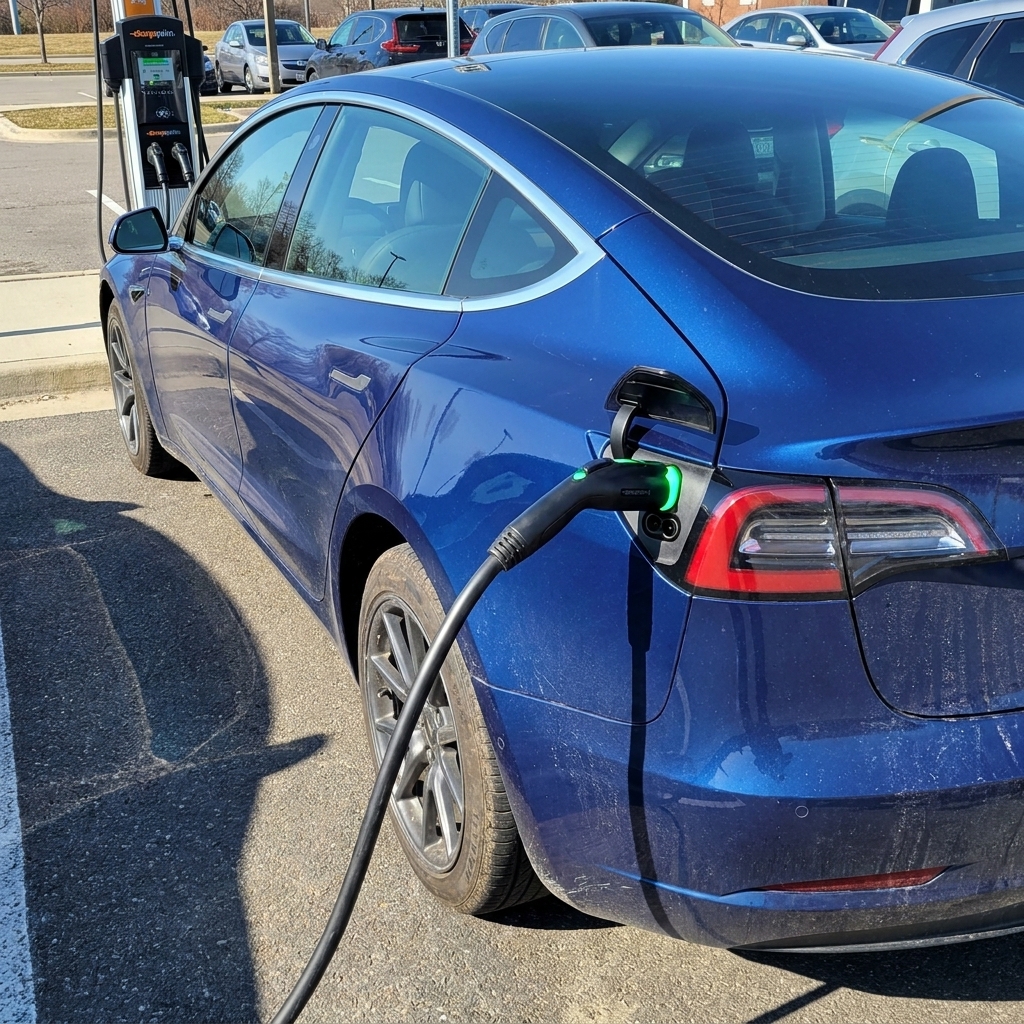
2) Confirm it charges on AC
If possible, plug into a Level 2 station or home charger during your visit. You are verifying:
- It initiates charging without errors
- Charging rate looks reasonable for that model
- No warning lights or repeated interruptions
3) Confirm DC fast charging works (if supported)
This one is huge for road-trippers. Some EVs have fast charging hardware issues that only show up at a DC charger. If you can, do a short DC session and watch:
- Does it handshake and begin charging quickly?
- Does it limit charging power severely even with a low battery?
- Does it throw error messages mid-session?
Slow DC speeds can be normal depending on battery temperature, state of charge, the charger’s capability, and what the car is programmed to do. But repeated errors, “charging unavailable” messages, or severe power limitation at low state of charge is a reason to pause.
Thermal management
Battery longevity depends heavily on how well the car heats and cools its pack. Problems here can be subtle and expensive.
What to check
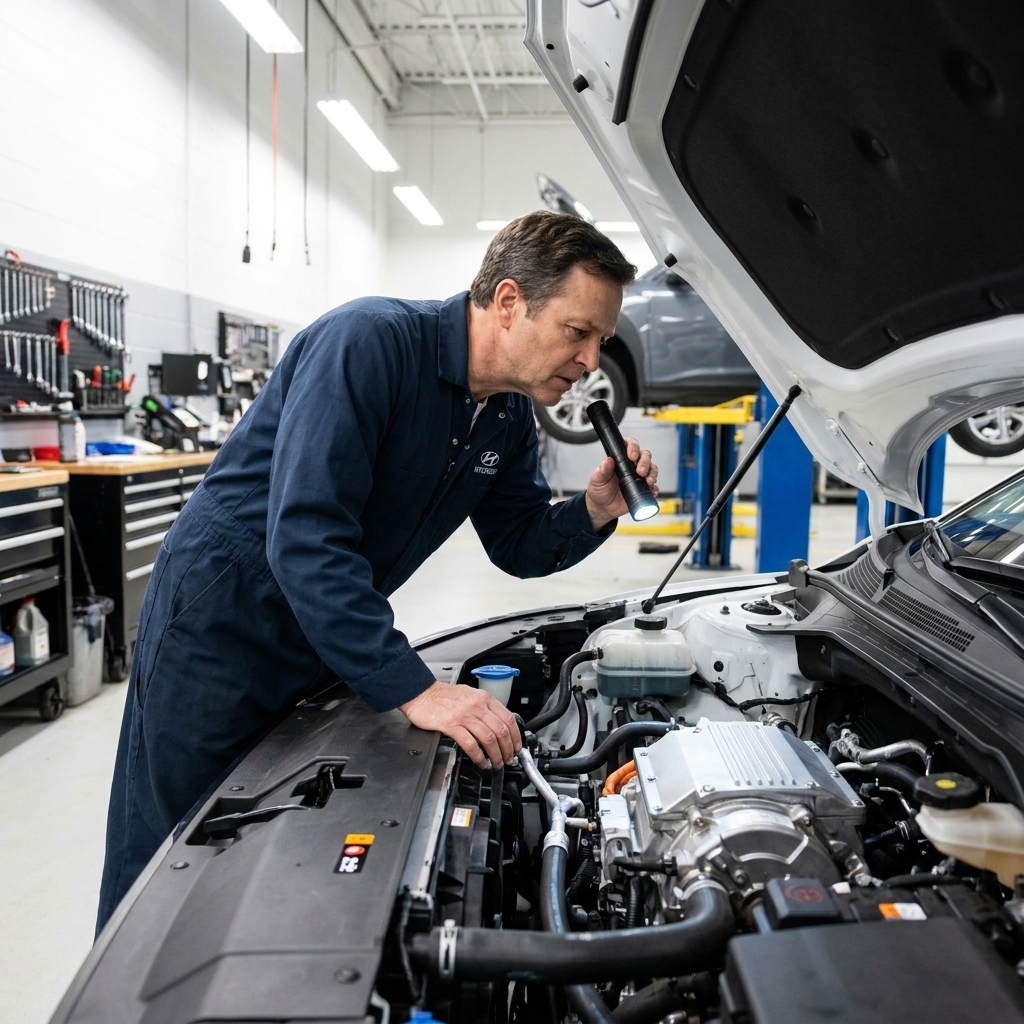
- Coolant level in the proper reservoir (never open high-voltage components yourself)
- Leaks around radiators, hoses, undertrays, and the front of the vehicle
- HVAC performance (in many EVs, the air conditioning system is tied into battery cooling)
- Heat pump operation if equipped, especially in cold-weather markets
During your drive, run the heat and A/C. Listen for odd compressor noises, watch for weak cooling, and note any “reduced power” messages when you push the car a bit.
Do not ignore the 12V system
A weak 12V battery is one of the most common causes of EV and hybrid weirdness: random warnings, modules not waking up, charging sessions that fail, and the classic “it is dead but the big battery is fine” situation.
What I do as a buyer:
- Ask if the 12V battery has ever been replaced and when
- Check for slow boot-up behavior, flickering screens, or odd error messages right after unlocking
- If you have a shop inspection lined up, ask them to load-test the 12V battery
It is usually not a deal breaker if the 12V is weak, but it is leverage in pricing and a reminder to not dismiss electrical symptoms.
Hybrid-specific checks
Hybrids and PHEVs can hide issues because the engine does not run constantly. I have seen buyers miss a rough engine, a misfire, or a failing head gasket because the test drive stayed in EV mode too much.
What I do on a hybrid or PHEV test drive
- Force the engine to run by accelerating briskly or selecting a drive mode that uses the engine.
- Listen at cold start if possible. Rattles, knocking, or loud ticking are not “normal hybrid sounds.”
- Check for smooth transitions between EV and engine power. Harsh shuddering can indicate mounts, misfires, or transmission issues.
- Watch coolant temp and make sure it warms up normally and stays stable.
Regenerative braking feel
Some hybrids blend regen and friction brakes. The pedal should feel consistent. If the brake pedal is grabby, pulses strangely, or you get warning lights, walk away unless a shop confirms it is a simple fix.
Tech and software
On an older gas car, a flaky infotainment screen is annoying. On a modern EV, it can be everything from climate control to charging to basic settings. You want to confirm features work and that the car is eligible for updates and services.
Checklist
- All keys, key cards, fobs, plus any mobile app access the seller claims
- Infotainment screen responsiveness, dead spots, and reboot behavior
- Bluetooth and phone pairing
- Backup camera and parking sensors
- Driver assistance like adaptive cruise and lane centering on a safe test route
- Navigation and connected services subscriptions and transferability
- OTA update status if the brand supports it, plus any “update failed” messages
One more: verify the car is not stuck in someone else’s account ecosystem. Some brands require the previous owner to release the car before you can add it. If the seller cannot demonstrate a clean ownership transfer process, do not assume it will be easy later.

Accident and water damage
EVs and hybrids can be repaired well after an accident, but you want to be extra cautious with anything that may have impacted the battery pack area or damaged high-voltage wiring.
Red flags I take seriously
- Salvage or rebuilt title without thorough documentation
- Underbody dents, crushed pinch welds, or missing undertrays
- Moisture smell, fogging in lights, corrosion under seats
- Electrical gremlins: random warnings, intermittent no-start, odd charging behavior
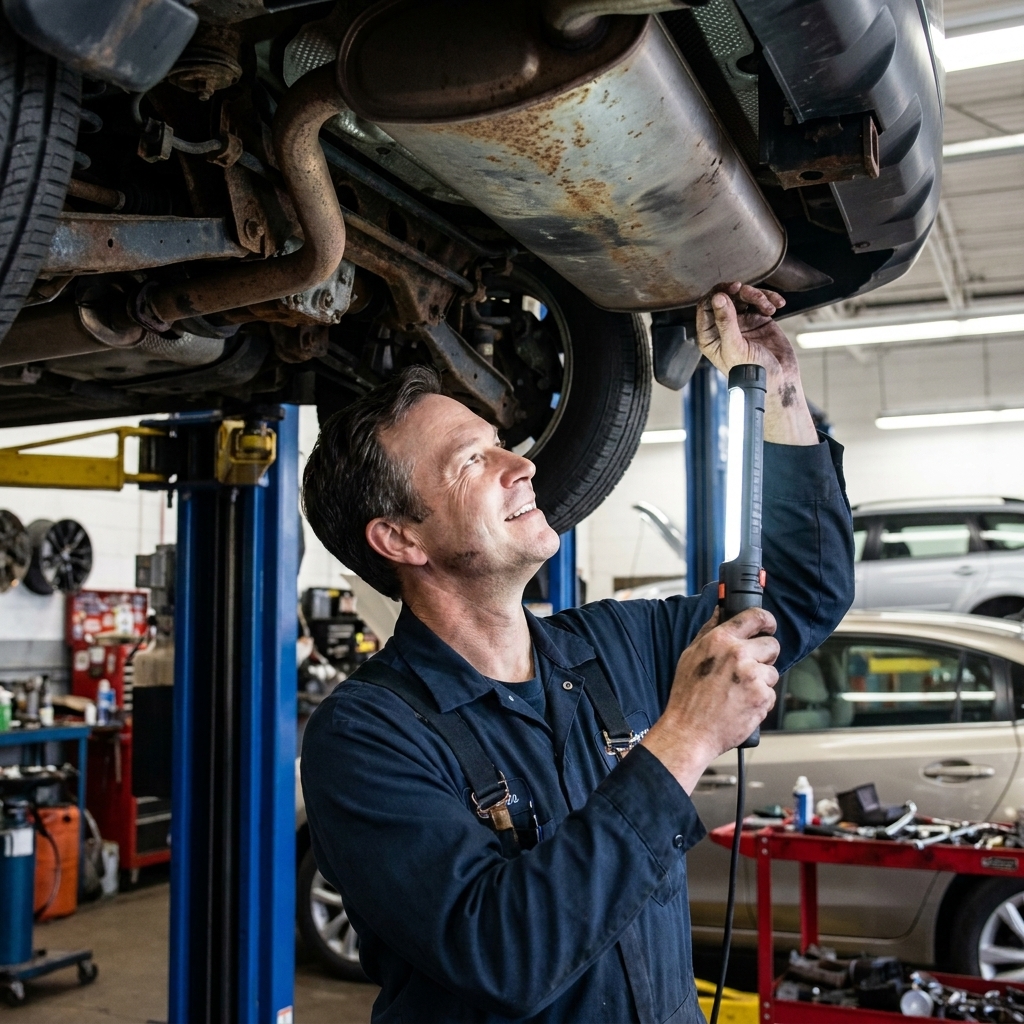
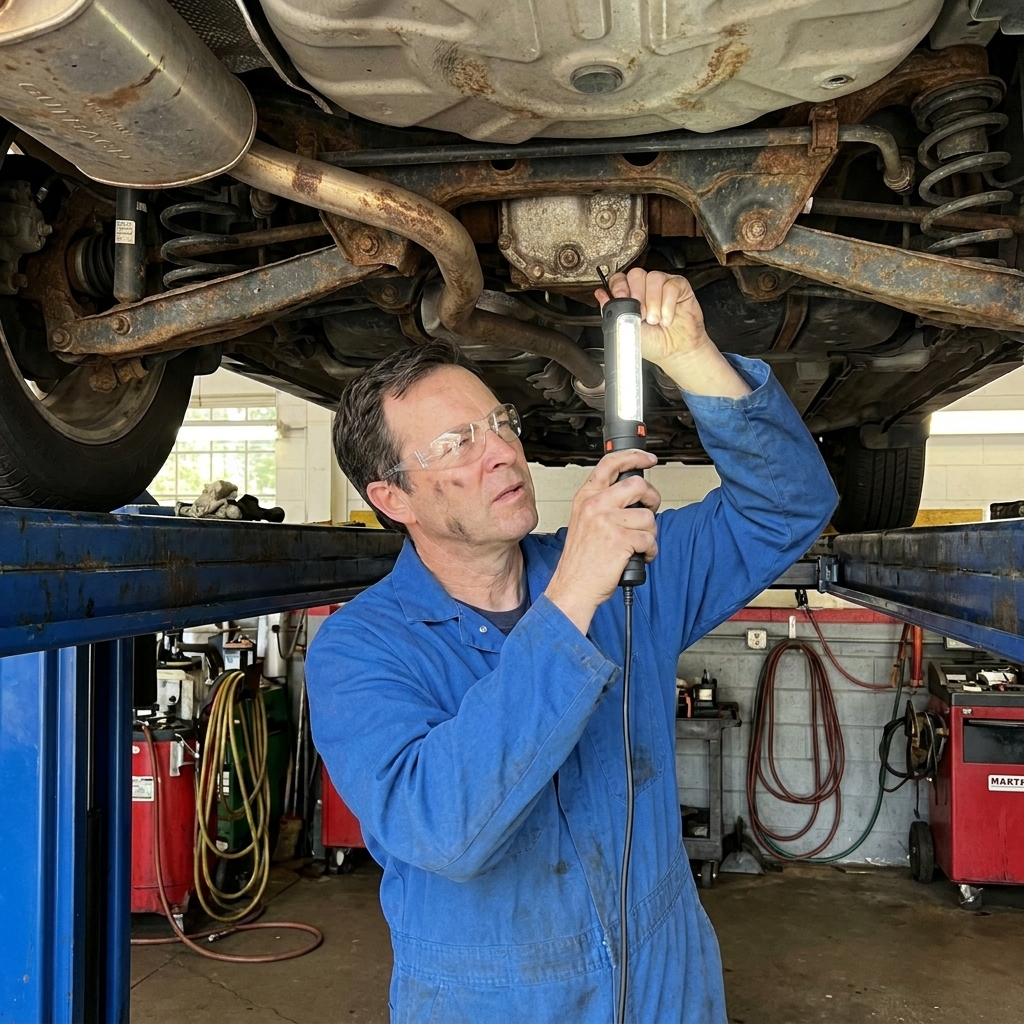
Look underneath with a flashlight. Some EV battery packs are structural, and most packs sit low and can be expensive to repair or replace. A hard impact can mean more than cosmetic damage.
OBD scans and inspections
I get it. People say EVs have fewer moving parts. That can be true. But diagnosis is not always simple, and parts can be pricey.
A good EV-aware inspection should include:
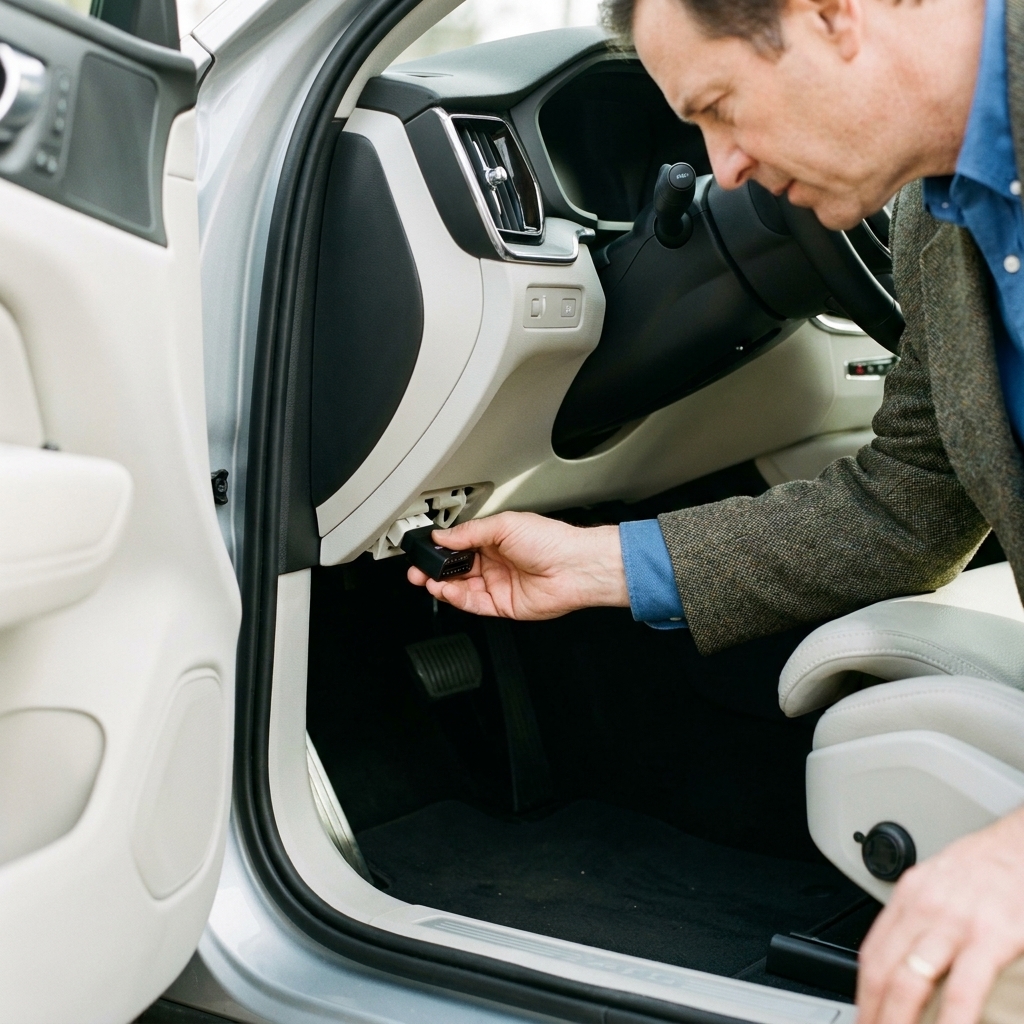
- Full code scan including pending and history codes
- Live data review where possible (battery temps, cell deltas, charge limits)
- Road test to verify charging behavior and power delivery
- Physical inspection of tires, suspension, brakes, and underbody
If the shop near you is not comfortable with EVs, look for an independent specialist. It is money well spent.
Pricing: how to value risk
Battery health and warranty status should directly change what you pay. Here is the practical way to think about it:
- Still under battery warranty: You have a safety net, but you still want normal behavior and no warnings.
- Out of battery warranty: You need stronger proof of pack health, and the price should reflect the risk.
- Noticeably reduced range: It can still be a good car for a short commute, but you should negotiate hard because you are buying less usable car than the brochure promised when it was new.
Also check tires. EVs often go through tires faster than comparable gas cars thanks to weight and instant torque, but alignment, tire compound, regen settings, and driving style matter too. What matters for replacement is not an “EV-rated” label. Make sure the next set has the correct size, speed rating, and especially the correct load index for the car.
Quick inspection checklist
- Confirm battery warranty terms and in-service date
- Check for recalls and software updates
- Confirm included charging cable and any needed adapters
- Inspect charge port: pins, corrosion, latch function
- Verify AC charging works without errors
- Verify DC fast charging works if applicable
- Run HVAC hard, both heat and A/C
- Check for coolant leaks and abnormal noises from compressors or pumps
- Check 12V battery history and have it load-tested if possible
- Hybrid/PHEV: force the engine to run and listen closely
- Test regen and friction brakes for consistent feel
- Verify app access, keys, and account transfer eligibility
- Scan for codes and get an EV-aware pre-purchase inspection
FAQ
What battery health number should I look for?
There is no universal perfect number across all brands because the measurement methods differ. Practically, you want a car that behaves consistently, shows no battery warnings, charges normally, and has range that matches its age and mileage. If a model supports a state-of-health report, use it and compare to other same-model vehicles, not just the original EPA range.
Is frequent fast charging a deal breaker?
Not automatically. Some packs and chemistries handle it better than others. What matters is the result: real-world range, charging stability, and whether the thermal management system is healthy. I treat heavy fast charging as a reason to be extra thorough, not a reason to automatically walk.
Can I tell battery condition from a short test drive?
You can spot red flags, but you cannot fully measure capacity from a 15-minute loop. Combine the test drive with a charge session, on-screen energy data, service history, and ideally a battery health report or scan.
Are hybrids safer used buys than full EVs?
They can be, mainly because you are not relying on a large battery for all propulsion. But hybrids have more total systems: engine, emissions, and hybrid components. Inspect both sides carefully, especially if the engine does not run much during the drive.
Should I worry about a replaced battery or drive unit?
Not by default. A documented battery or drive unit replacement done by a dealer can be a plus, especially if it is recent and the warranty coverage carries over. What I do not like is a vague story, missing paperwork, or a car that was down for months and “just got fixed.” Treat replacements like any other major repair: verify who did it, what was replaced, and what warranty or receipts come with it.