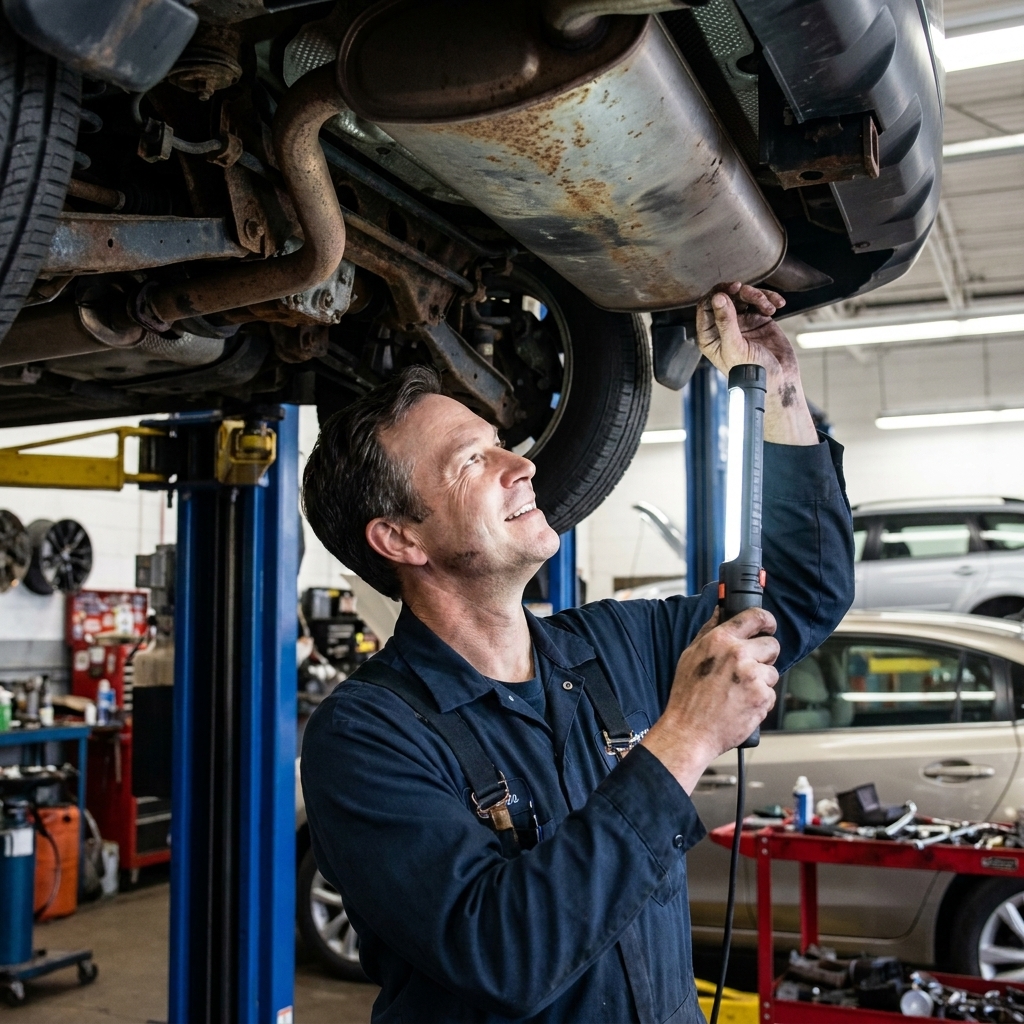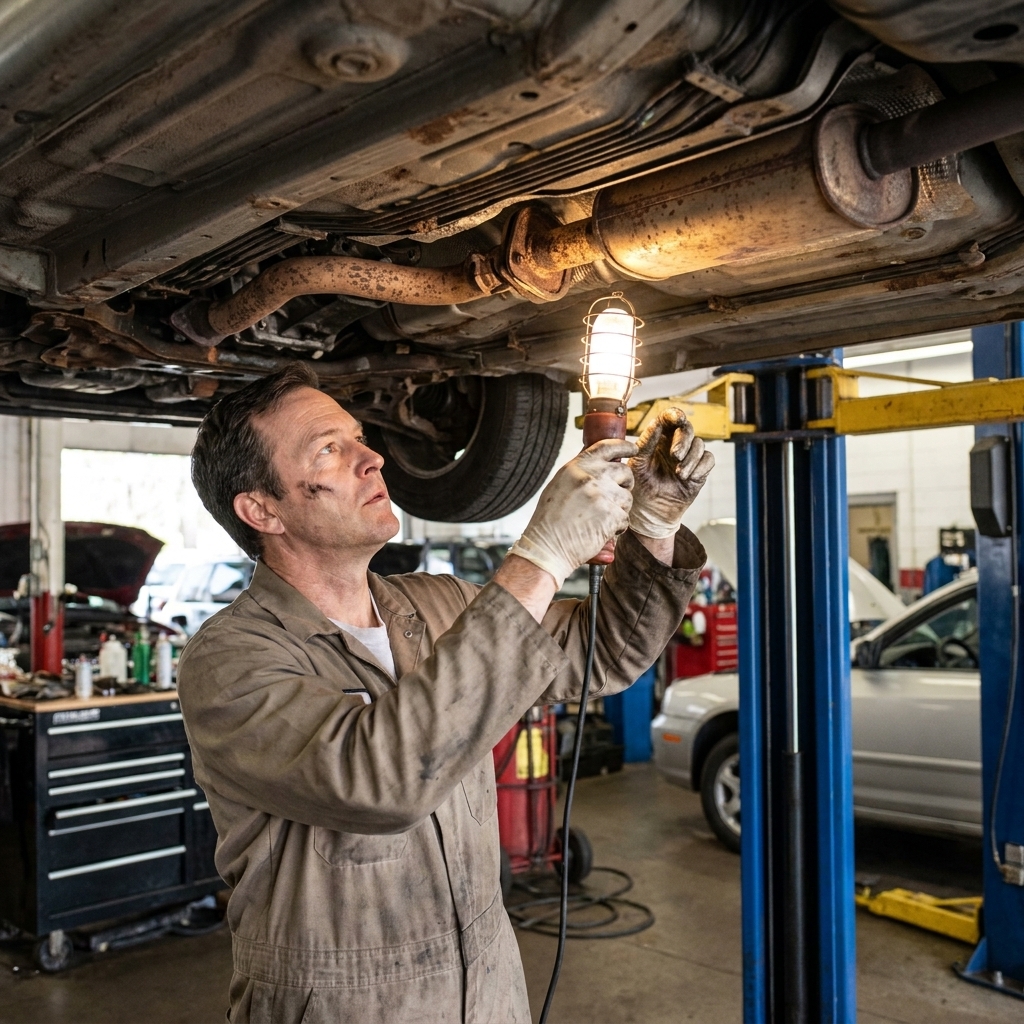
Step-by-step: scheduling a PPI, what gets inspected, red flags to watch for, and how to use the results to negotiate a fair deal on a used car.
Used Car Buying Guide
The True Cost of Maintaining a Used BMW, Mercedes, or Audi
Older German luxury cars can be a bargain to buy, but not to own. Here’s what BMW, Mercedes, and Audi maintenance really costs, plus the electrical and suspension failures that surprise buyers.

Ben Sullivan
Ben Sullivan is a former ASE-certified mechanic with over 15 years of experience inspecting, repairing, and appraising used vehicles. He contributes to Car Wise Guide to help everyday buyers navigate the used car market with confidence, armed with the knowledge to spot hidden red flags and negotiate fair prices.
Published October 18, 2026
Updated October 18, 2026
I love a well-kept German luxury car. When they’re right, a BMW, Mercedes, or Audi can feel tighter, quieter, and more confident than most mainstream cars ever will. The problem is that the used car market makes it very easy to buy the badge and very hard to budget for the ownership.
In the shop, I saw the same story play out over and over: someone finds a 10- to 15-year-old 3 Series, C-Class, or A4 for the price of a Corolla, falls in love on the test drive, then gets introduced to the “luxury tax” a few months later. Not a dealership ripoff. Not a conspiracy. Just the real cost of parts, labor time, and how these cars are engineered.
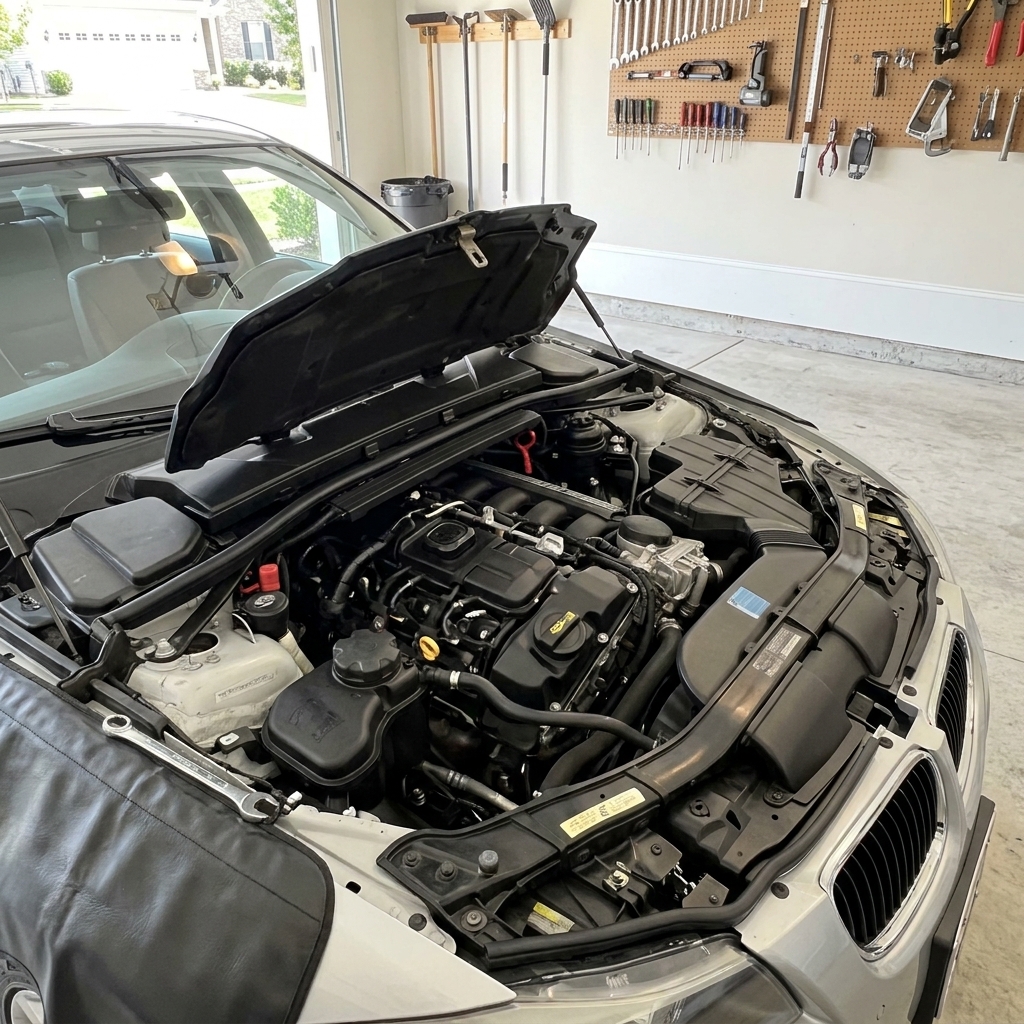
Let’s talk about numbers, the failures that actually happen, and how to decide if a used BMW, Mercedes, or Audi is a smart buy for your budget.
The big idea: price is only half
Here’s the mindset shift I want you to make: with older German luxury cars, you are not buying “a $9,000 car.” You’re buying a car that used to require $60,000-car maintenance standards, but now you’re paying them out of pocket with no warranty safety net.
Three reasons costs run higher than most buyers expect:
- Parts pricing and parts density: more sensors, more modules, more complex cooling and vacuum systems, more bushings and links in the suspension.
- Labor time: packaging is tight. Simple jobs can require extra disassembly, special tools, and longer diagnostics.
- Precision matters: in my experience, skipping the “right way” on fluids, batteries, programming, and alignment can create new problems.
Annual cost ranges
Costs vary wildly by model, engine, and how well the prior owner maintained it. But for a typical 8- to 15-year-old BMW, Mercedes, or Audi in the 80,000 to 140,000 mile range, here are realistic planning numbers if you want the car to stay dependable.
Context: these ranges reflect typical U.S. pricing at independent Euro-specialist shops. Dealer pricing and high-cost metro labor rates can run higher.
Budget tiers
- “Good one” that’s been maintained: about $1,500 to $3,000 per year in maintenance and repairs on average.
- Average used example: about $2,500 to $5,000 per year, with at least one bigger bill every 12 to 24 months.
- Neglected or unlucky example: $5,000 to $10,000+ per year is absolutely possible, especially if it needs suspension, cooling system work, oil leaks, and electrical diagnosis in the same season.
These are “out of pocket” ownership numbers, not including fuel, insurance, or registration.
Hidden costs
Diagnostics: the bill before the bill
German cars do not reward guessing games. When an intermittent electrical issue pops up, you can burn money fast if a shop has to chase it. A proper diagnostic session is often $200 to $500+ depending on labor rate and how deep the problem is, and some issues take more than one round.
This is also why I push pre-purchase inspections so hard. Paying $200 to $400 before you buy can keep you from inheriting a four-figure mystery.
Programming and batteries
Many newer and mid-2000s-and-up examples, especially BMWs, require a battery registration or coding step when the battery is replaced. Mercedes and Audi requirements vary by model and platform. Not every shop can do it, and skipping it can shorten battery life or trigger electrical weirdness. Plan on $300 to $600 for battery replacement and registration in many cases.
Tires, brakes, and alignment
Consumables cost more largely because these cars tend to run wider, lower-profile performance tires, larger brakes, and sometimes staggered or run-flat setups. That adds up fast.
- Tires: often $800 to $1,600 for a set, sometimes more with staggered sizing or run-flats.
- Brakes (pads and rotors): commonly $700 to $1,800 per axle depending on model and whether you’re using quality aftermarket parts, OE parts, or you’re dealing with a performance package. Dealer quotes can be higher.
- Alignment: $150 to $250 is typical, and worn suspension parts can make alignment impossible until you fix the underlying play.
AWD tire matching and driveline service
If your car has xDrive, 4Matic, or Quattro, tires matter more than people think. Mismatched brands, uneven tread depth, or one new tire paired with three worn ones can stress differentials and transfer cases. AWD models can also have extra fluid services (front and rear differentials, transfer case) that add cost if you actually want them to live.
Two big gotchas
If you asked me to pick the two categories that blindside the most used-luxury shoppers, it’s electrical and suspension. Not because these cars are “bad.” Because the systems are complex, the cars are now old enough for age-related failures, and repair paths can be expensive.
1) Electrical failures
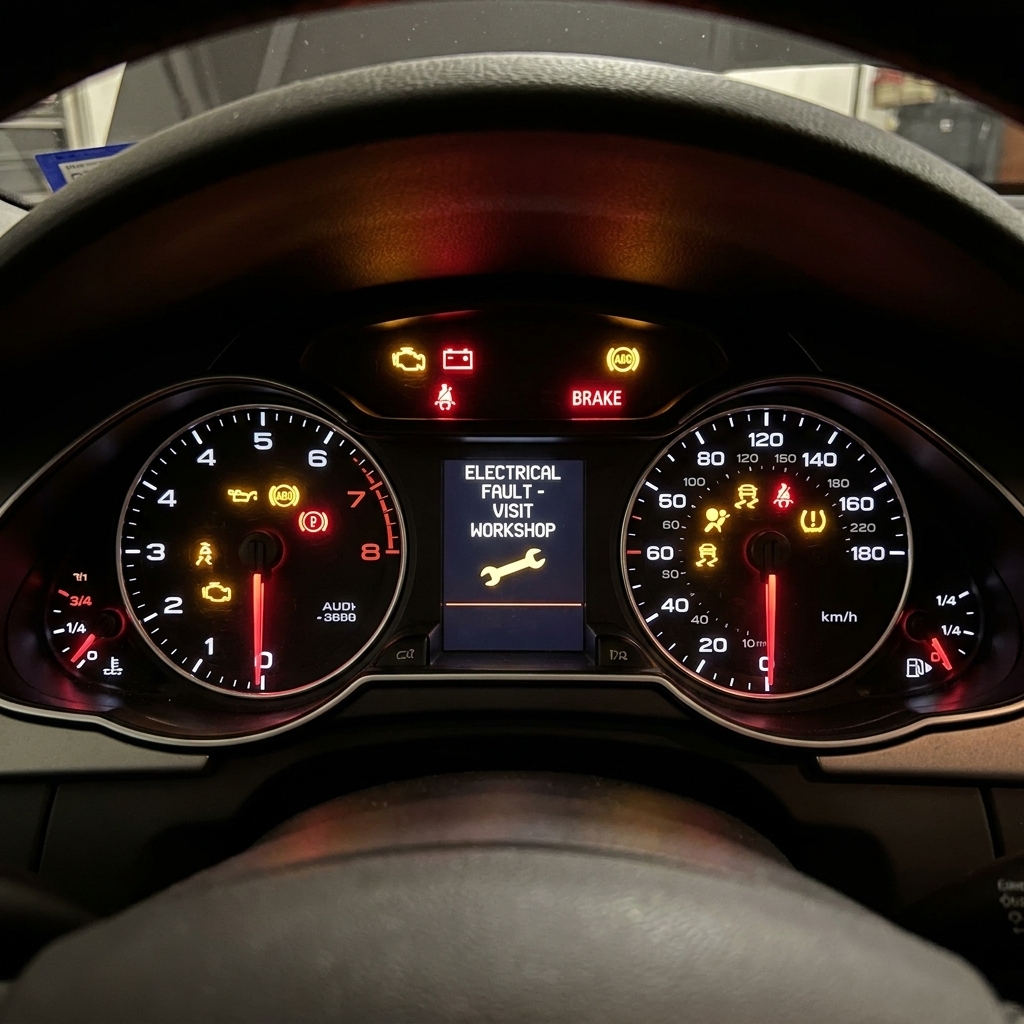
Electrical issues are frustrating because they can look random. A window switch works today and doesn’t tomorrow. The dash lights up like a Christmas tree for a week, then clears itself. The car won’t start because of a steering lock, a key issue, a low voltage event, or a failing module.
Common electrical cost drivers on older BMW, Mercedes, and Audi include:
- Aging wiring and connectors: heat and vibration cause brittle insulation and poor pin contact.
- Comfort and body modules: door lock actuators, window regulators, seat modules, trunk latch modules.
- Sensors everywhere: wheel speed sensors, NOx sensors on some diesels, parking sensors, steering angle sensors.
- Charging system problems: alternator, battery monitoring systems, and voltage stability issues.
- Water intrusion: clogged sunroof drains and leaking seals that soak carpets and modules.
Typical repair range: some are “annoying but survivable” at $200 to $600. Others are the painful ones, like module replacements and programming, that can hit $800 to $2,500+.
2) Suspension wear
German luxury cars earn their reputation with chassis tuning. The trade-off is that many models use multi-link setups with more individual control arms, ball joints, and bushings than simpler cars.
Over time, rubber bushings crack, hydraulic mounts leak, and ball joints loosen. The early symptoms are easy to miss:
- Clunks over small bumps
- Steering that feels vague or “wanders” on the highway
- Uneven tire wear
- A shake during braking that looks like warped rotors but is really worn arms or bushings
Typical suspension repair range:
- One or two arms/links: often $400 to $1,000 depending on brand and labor.
- Front end refresh (multiple arms, alignment): commonly $1,200 to $2,500.
- Air suspension components (on equipped models): a single air strut or compressor can be $1,200 to $3,500+ installed, sometimes more depending on vehicle.
Where the money goes
Every brand has gems and troublemakers. These are broad patterns I’ve seen across many inspections and repair orders, especially on higher-mileage examples. Also, spec matters. An E90 328i does not budget like a 335i. An Audi A4 does not budget like an S4. “Same badge” does not mean “same costs.”
BMW: cooling, oil leaks, arms
BMWs can be fantastic used buys when maintenance history is solid. The recurring wallet-hitters tend to be:
- Oil leaks: valve cover gasket, oil filter housing gasket, oil pan gasket on some models. A small leak becomes a big job depending on access.
- Cooling system plastic aging: expansion tanks, hoses, thermostats, water pumps. Overheating is not something you “drive through.”
- Front suspension and steering feel: control arm bushings and links, especially if the car has larger wheels or has lived on rough roads.
What it feels like financially: a BMW that’s slightly behind on maintenance can quickly demand $2,000 to $5,000 to baseline it so you can trust it.
Mercedes: electronics, mounts, air ride
Mercedes vehicles can age well, but when they need attention it is rarely cheap. Frequent cost centers include:
- Electrical gremlins: especially in comfort features and body electronics.
- Engine and transmission mounts: worn mounts can cause vibration that owners mistake for engine issues.
- Air suspension (when equipped): wonderful ride quality, expensive failures.
What it feels like financially: Mercedes ownership is often steady higher costs, with occasional spikes when a module, air strut, or actuator fails.
Audi: engine-family specifics
Audi’s driving feel is addictive, especially with Quattro in bad weather. The common pain points I see are usually engine-family-specific, which is exactly why service history matters so much.
- Oil consumption and leak issues: varies by engine family and maintenance history.
- Timing service risk (varies): some engines use belts with a known service interval, others use chains where guides or tensioners can become a higher-mileage repair. Don’t treat this as a universal Audi problem, treat it as a “verify the exact engine” problem.
- Cooling system service complexity: access can be tight and labor adds up quickly.
- Electrical troubleshooting: intermittent faults, sensor issues, and water intrusion can lead to repeated shop visits if not diagnosed correctly.
What it feels like financially: Audis are often fine until they aren’t, then the repair is complex enough that you really want a specialist.
5-year math check
Let’s run a simple scenario for a buyer looking at a 10- to 12-year-old German luxury sedan that costs $10,000 to $15,000 to buy.
If you average $3,000 per year in maintenance and repairs (a reasonable middle-of-the-road planning number at an independent shop), you are at $15,000 over five years, plus tires and brakes as they come up.
If you hit one “big year” with a suspension refresh and electrical work and that year totals $6,000, your five-year maintenance total can easily reach $18,000 to $22,000.
This does not mean you should never buy one. It means your purchase decision needs to be based on the full budget, not the monthly payment or the sticker price.
Shop smarter
1) Buy the owner
The best used examples usually come from the boring owner who did the boring stuff on time: fluids, brakes, quality tires, and fixing small leaks before they became big ones.
Green flags:
- Service records showing consistent maintenance, not just “oil change sometimes”
- Same shop for years, ideally a Euro specialist
- Recent major maintenance already done (cooling components, suspension arms, mounts, etc.)
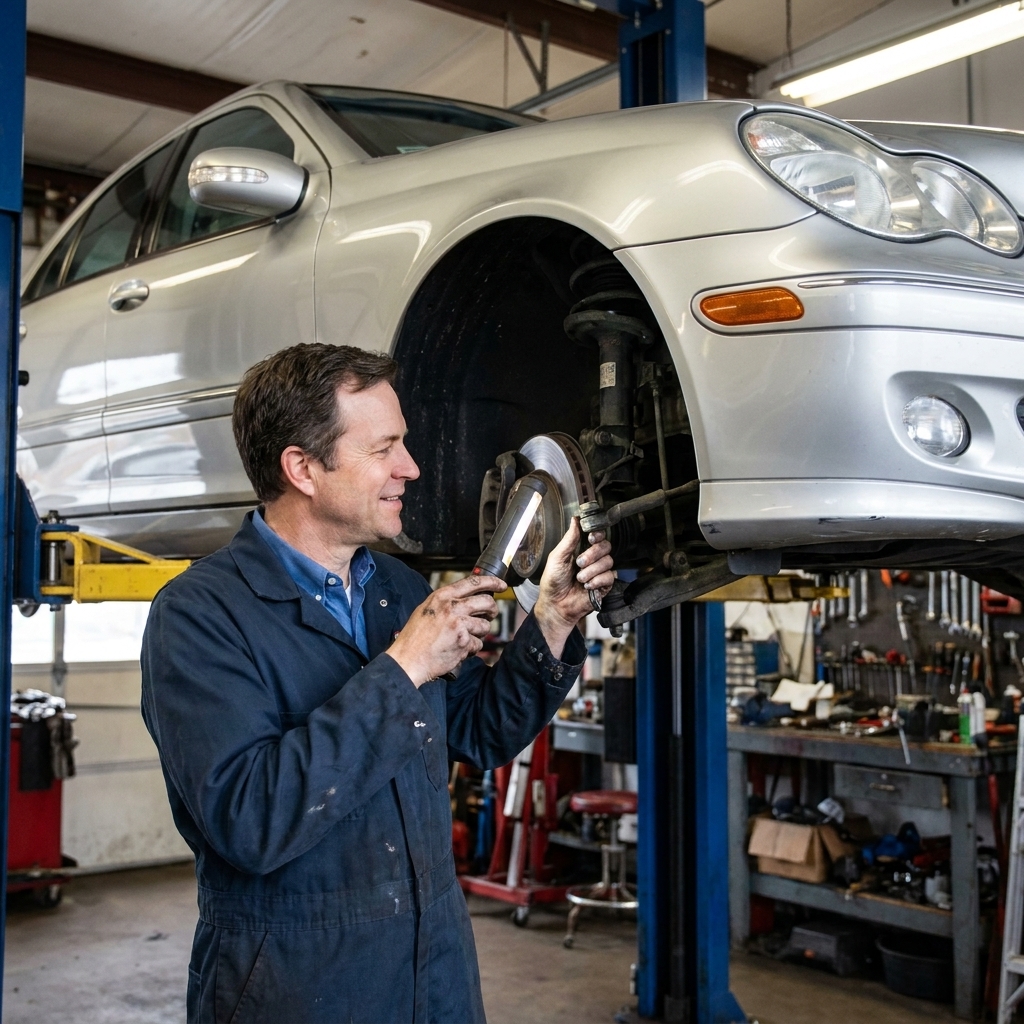
2) Pay for a Euro-specialist PPI
If you only take one piece of advice from this article, make it this one. A proper PPI should include:
- Full-system scan for codes, including history codes
- Lift inspection for leaks, suspension play, and torn boots
- Tire wear analysis and brake measurement
- Cooling system and charging system evaluation
- Test drive with a technician who knows what “normal” feels like on that chassis
3) Baseline it
Even a good example should be baselined so you know where you stand. That usually means catching up on fluids, filters, and any known weak points that are starting to seep, crack, or loosen.
Maintenance history that matters most:
- Oil changes: consistent intervals with the correct spec oil. Long intervals plus a hard life is where problems start.
- Coolant and cooling parts: evidence of proactive hose, thermostat, and water pump work goes a long way.
- Brake fluid: it’s boring, but it tells you whether the car was actually cared for.
- Driveline fluids (AWD especially): differentials and transfer cases are expensive when neglected.
- Transmission service reality check: “lifetime fluid” marketing does not mean “lifetime of the car with no consequences.” What’s right depends on the exact transmission, mileage, and service history, so ask your specialist what they recommend for that model.
4) Choose simpler specs
More features can mean more failure points as the car ages.
- Air suspension, soft-close doors, and panoramic roofs are nice until they aren’t.
- Simple wheel and tire setups are cheaper than staggered performance packages.
- A well-maintained, lower-trim car can be a better long-term buy than the fully loaded bargain.
5) Keep a repair fund
If you want to enjoy an older German luxury car without constant stress, keep a separate fund of $1,500 to $3,000 ready to go. When something fails, you fix it right away, and the car stays a joy instead of a financial emergency.
When to walk away
Some cars are not “a good deal,” they’re just a delayed invoice. I’d strongly consider walking if you see:
- Multiple warning lights plus an owner who says “it does that sometimes”
- Any overheat history, coolant smell, or evidence it has been driven while overheating
- AWD with mismatched tires or obvious uneven tread depths
- No service records and obvious deferred maintenance (bald tires, shaking brakes, leaking oil everywhere)
- Water intrusion signs like damp carpets, musty odor, or corrosion on connectors
Is it worth it?
It can be, if you go in with open eyes. If you love the way these cars drive and you can afford the upkeep, a well-bought, well-maintained example can be a genuinely satisfying daily driver.
But if your budget is already stretched just to purchase the car, used German luxury is one of the easiest ways to turn “I got a deal” into “I’m upside down and stressed out.”
My straight-shooter rule: if you cannot comfortably afford $2,500 to $4,000 a year in maintenance and repairs, shop a tier down. There is no shame in a reliable mainstream car. The goal is safe, dependable transportation that leaves money in your life for everything else.
Quick FAQ
Are German luxury cars unreliable?
Not automatically. Many are reliable when maintained properly. The bigger issue is that neglect is punished harder, and repairs cost more when things finally break.
Is it cheaper if I do my own work?
Yes, sometimes dramatically. But modern German makes still require scan tools, specialty tools, and a willingness to learn model-specific procedures. DIY helps most with brakes, fluids, and some suspension work. Electrical diagnosis and programming are where DIY gets tricky.
What’s the best way to avoid electrical nightmares?
Start with a thorough PPI, then check for water intrusion evidence: damp carpets, musty smell, corrosion on connectors, and sunroof drain issues. Also pay attention to battery voltage health and whether the car has a history of low-voltage faults.
What’s the most common suspension red flag on a test drive?
Loose, wandering steering at highway speed, clunks over small bumps, and inside-edge tire wear. Those signs often point to worn control arm bushings, ball joints, or alignment problems caused by worn components.