Don’t fall for a shiny detail job. Use this thorough test drive checklist to catch transmission issues, suspension clunks, brake vibrations, alignment prob...
Used Car Buying Guide
Best Used 3-Row SUVs Under $20,000
Shopping a used 3-row SUV on a $20,000 budget? Here are the best picks for growing families, with real-world third-row space, safety considerations, and ownership cost red flags to check before you buy.

Ben Sullivan
Ben Sullivan is a former ASE-certified mechanic with over 15 years of experience inspecting, repairing, and appraising used vehicles. He contributes to Car Wise Guide to help everyday buyers navigate the used car market with confidence, armed with the knowledge to spot hidden red flags and negotiate fair prices.
Published October 18, 2026
Updated October 18, 2026
If you have a growing family, a third row sounds like the perfect solution until you actually try to live with one. I’ve inspected a lot of used 3-row SUVs where the “third row” was basically a padded shelf, the tires were bald, and the seller was hoping nobody would notice the oil seep. My goal here is simpler: help you land a truly usable, safe, reliable 3-row SUV for under $20,000 without signing up for surprise repairs.
Below are the best used 3-row SUVs that consistently make sense on this budget. I’m focusing on three things that matter in the real world: third-row legroom and access, safety performance, and long-term ownership costs (fuel, tires, brakes, and the big-ticket failures I see most often).
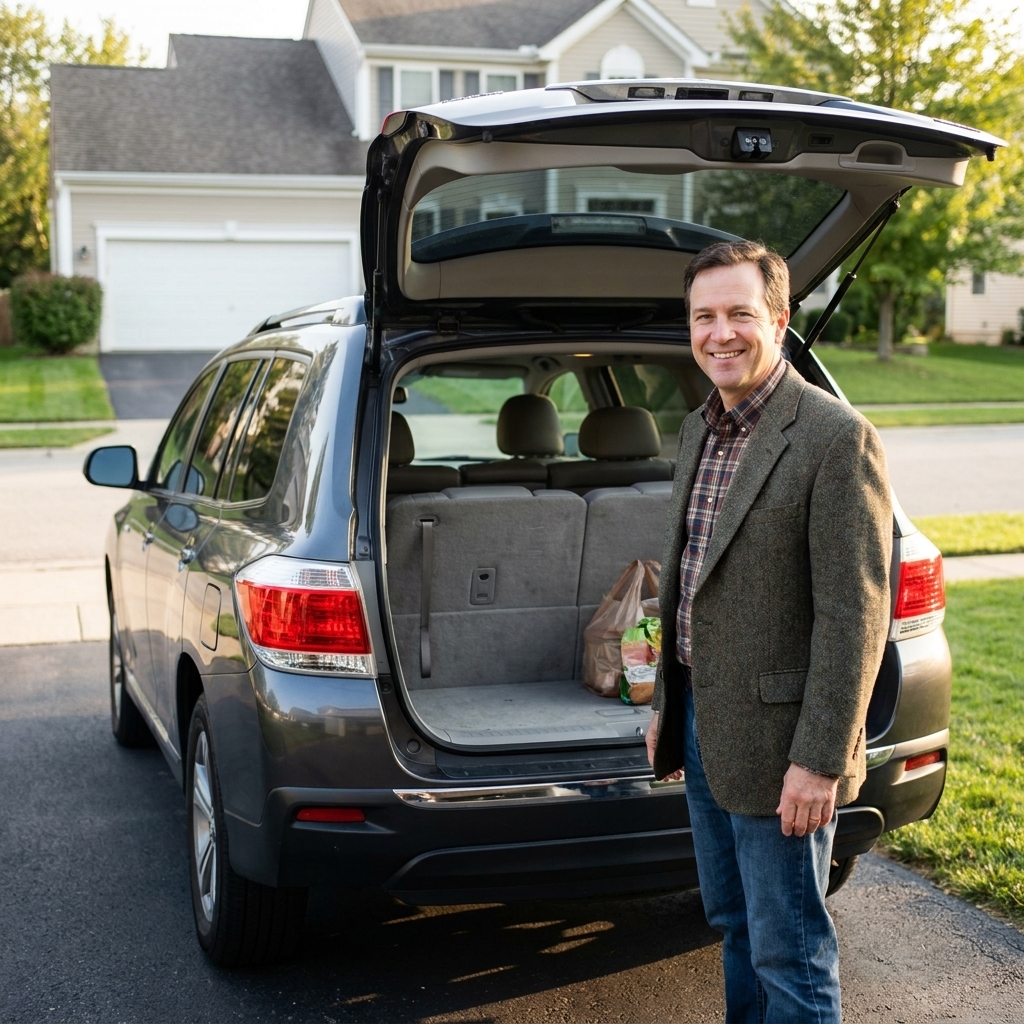
Quick picks (shortlist)
- Best all-around: Toyota Highlander (2011 to 2013, and 2014 to 2016 if you find a clean higher-mile example)
- Best people-hauler value: Honda Pilot (2012 to 2015)
- Best third-row access and kid friendliness: Mazda CX-9 (2013 to 2015)
- Best bargain if you inspect carefully: Ford Flex (2013 to 2016)
- Best AWD and safety tech value: Kia Sorento (2016 to 2018, V6 preferred)
- Best if you occasionally tow: Dodge Durango (2014 to 2016, V6, when properly equipped)
Real talk: At under $20k, condition beats brand every time. A clean, maintained “less trendy” model will run circles around a popular one that’s overdue on tires, brakes, fluids, and suspension.
How I judged these SUVs
You’ll see plenty of “best of” lists that ignore the stuff families feel every single day. Here’s what I’m looking at when I recommend a used 3-row SUV:
- Third-row usability: Not just “has a third row,” but whether adults can fit briefly, whether kids can climb back there without gymnastics, and whether there’s cargo space left when the third row is up.
- Safety record: Solid results in major crash tests for the vehicle’s year, plus available features like side curtain airbags and, in later model years, forward collision warning or automatic braking on certain trims. Always check IIHS and NHTSA ratings by exact year and configuration.
- Ownership costs: Common failure points, tire sizes (bigger wheels cost more), fuel economy reality, and how hard the vehicle is on brakes and suspension.
All of these models can often be found under $20,000, but price swings with year, miles, trim, region, and season, sometimes quickly. Shop the best-maintained example you can find, not just the lowest listing.
1) Toyota Highlander (2011 to 2016)
Why it’s here: The Highlander is one of the safest bets in the used family SUV world because it tends to age gracefully when maintained. It’s not perfect, but it is predictably car-like to drive, easy to live with, and usually not a money pit.
Third row reality
Best for kids and shorter adults. Access is straightforward, and for school runs or the occasional extra passenger, it works. For long road trips with adults in row three, you’ll feel the compromise. Cargo space with the third row up is also limited, so plan on using a roof box or packing light for bigger trips.
Safety and family features
By these years, stability control and a full set of airbags are common on most trims, but details still vary by year and configuration. If safety is your top priority, check crash ratings by the specific year you’re shopping and do not assume one year matches the next.
Long-term costs and what to watch
- Maintenance history matters: Look for consistent oil changes and cooling system service.
- Suspension wear: At higher miles, listen for clunks over bumps and watch for uneven tire wear.
- AWD upkeep: If equipped, confirm differential and transfer case fluids were serviced on schedule.
My buy advice: Don’t overpay just for the badge. A clean service record and a calm, tight test drive are worth more than 20,000 fewer miles on a neglected one.
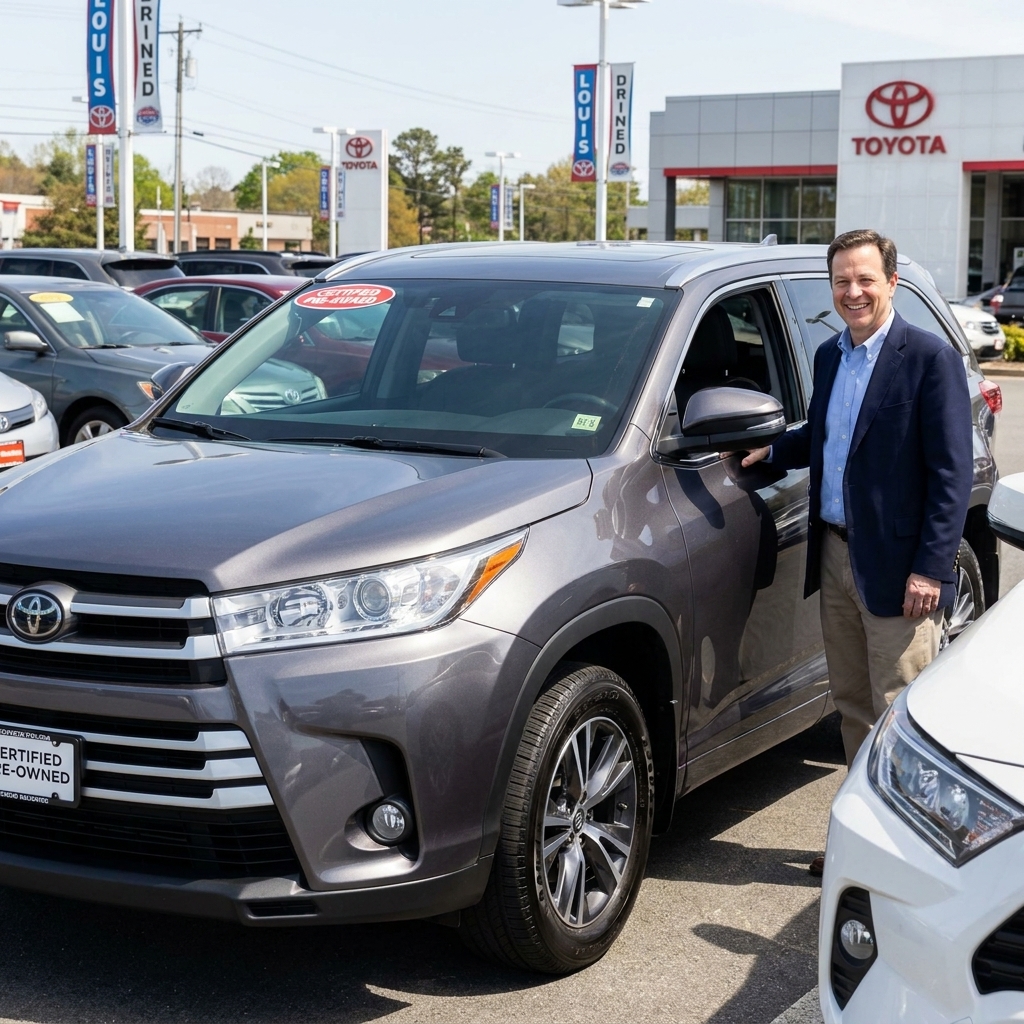
2) Honda Pilot (2012 to 2015)
Why it’s here: If you want honest-to-goodness people-moving ability under $20k, the Pilot is one of the most practical answers. It’s boxier than some rivals, which is exactly why it works.
Third row reality
Among the better options for legroom and headroom in this price bracket, especially for kids and teens. Access is decent and the cabin is easy to understand. With the third row up, cargo space shrinks quickly, so treat it like a real 8-passenger, not a real 8-passenger plus luggage.
Safety and family features
These Pilots tend to do well for basic crash protection in the segment, with common family essentials like side curtain airbags and stability control. Rear cameras became more common over time depending on trim.
Long-term costs and what to watch
- Transmission behavior: On the test drive, shifts should be smooth. Harsh engagement or shuddering deserves a deeper look. ATF service history matters here, and a pre-purchase inspection that includes a scan for codes is money well spent.
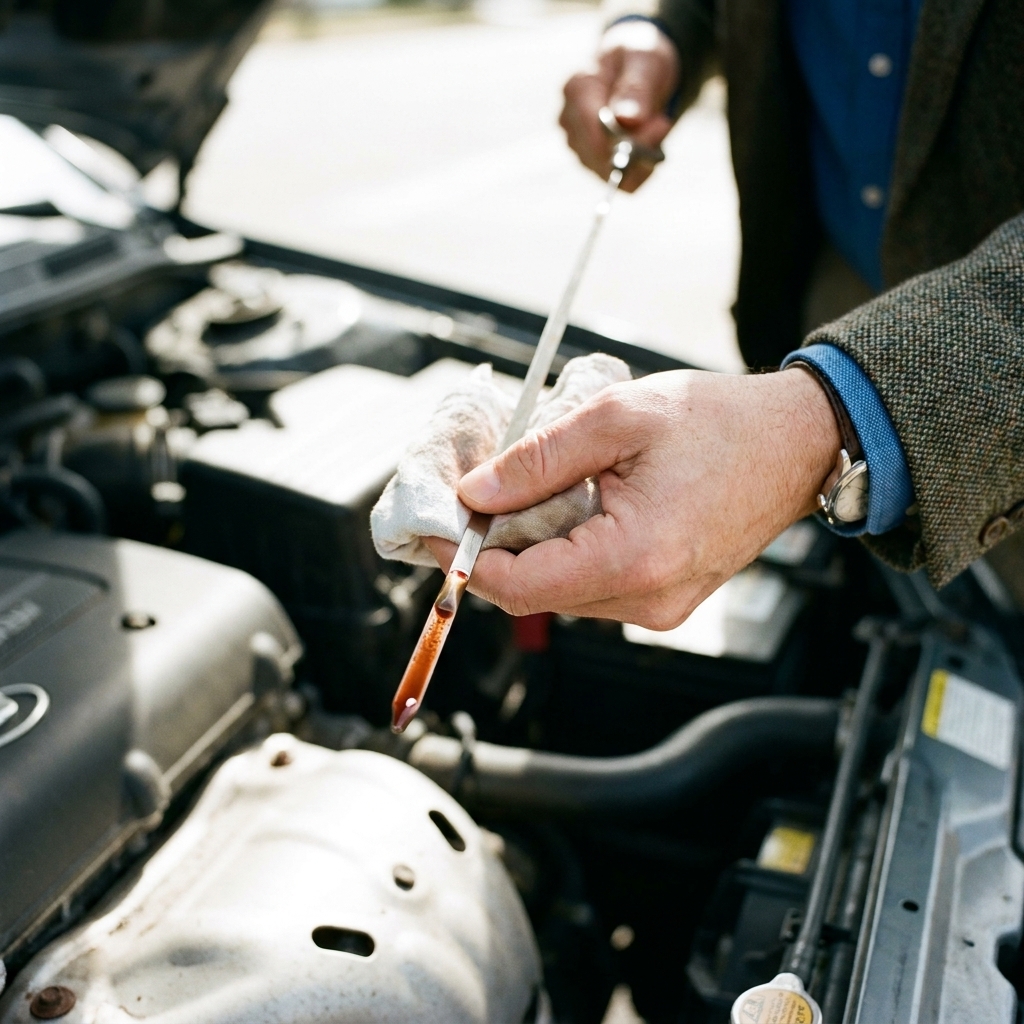
- Engine oil leaks and seepage: Common on higher-mile vehicles. Not always a dealbreaker, but use it to negotiate and plan repairs.
- Timing belt engine: These Pilots use a timing belt. Verify it was replaced on schedule with the water pump. If the seller cannot prove it, assume it needs doing and price it in.
My buy advice: A Pilot with proof of timing belt service is a different vehicle than one without it. It changes the risk equation instantly.
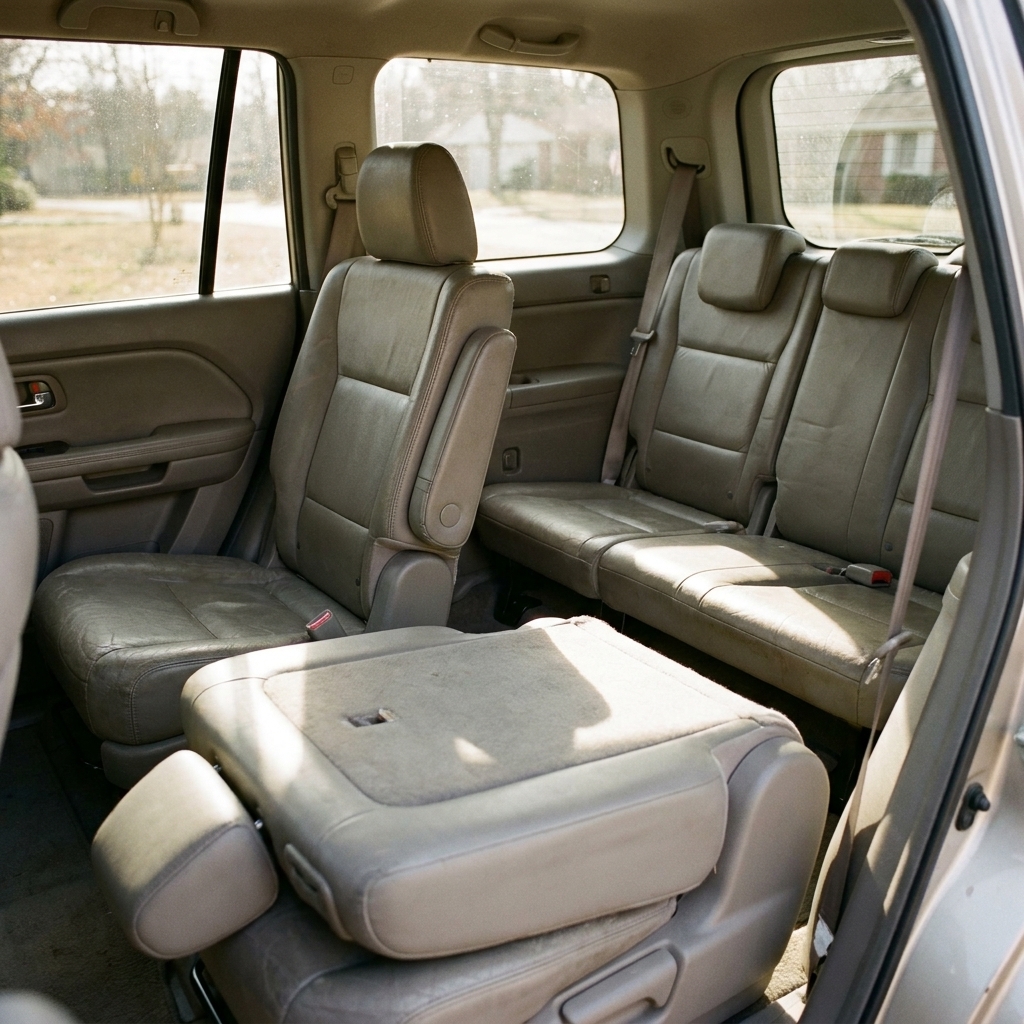
3) Mazda CX-9 (2013 to 2015)
Why it’s here: If you want a family SUV that does not feel like you’re driving a refrigerator, the CX-9 is the sweet spot. Mazda tends to tune steering and brakes well, and it shows on everyday errands.
Third row reality
Row three is best for kids and shorter adults, but the access is family-friendly and the cabin design makes it feel less cramped than some rivals. With the third row in use, the cargo area is on the smaller side, so it’s a great carpool machine and a so-so road-trip-with-everybody-and-everything machine.
Safety and family features
You’ll often find strong safety equipment for this class and time period, plus available blind-spot monitoring on some trims depending on year. Check the specific VIN’s feature list, because it varies.
Long-term costs and what to watch
- Tires and brakes: This is a heavier crossover. Budget accordingly and inspect wear carefully.
- Front suspension: Listen for knocking or looseness over rough roads.
- Cooling system condition: Any sign of overheating history is an automatic dealbreaker for me. Whether it’s a radiator, fan, thermostat, or something deeper, an overheated aluminum V6 can turn into an expensive story fast. Look for clean coolant, stable temps on the test drive, and no dried coolant residue around hoses, seams, or the water pump area.
My buy advice: The CX-9 rewards owners who keep up with maintenance. Find one that feels tight and drives straight, with clean fluid condition and no overheating story.

4) Ford Flex (2013 to 2016)
Why it’s here: The Flex is the undercover bargain in the 3-row world. It’s boxy on purpose, which means it can be genuinely roomy inside. If you can get past the looks, you might get the most space per dollar.
Third row reality
Excellent for this budget. The seating position and roofline help real people fit back there, not just kids. It is one of the few under-$20k options where adults can tolerate the third row for more than a quick hop. And even with row three up, you usually have more usable cargo room than you’d expect.
Safety and family features
Many Flex models were well-equipped for their time, and you can often find useful family tech like a rear camera and parking sensors depending on trim.
Long-term costs and what to watch
- Water leaks: Check for damp carpets, musty smells, or water staining in the cargo area.
- Steering and suspension: Listen for clunks and check tire wear patterns.
- Turbo models: If you’re looking at a turbocharged variant, maintenance becomes less forgiving. For most families, the non-turbo setup is the lower-stress ownership play.
My buy advice: Flex values vary wildly. Don’t get hypnotized by low price. Spend the extra hour checking for water intrusion and a clean underbody.

5) Kia Sorento (2016 to 2018, V6 preferred)
Why it’s here: In this price band, newer often means more modern safety tech and a fresher interior. The Sorento can be a strong value if you buy carefully and prioritize condition.
Third row reality
This is a kid row in most configurations. It’s useful for smaller passengers and shorter trips. Even when equipped with a third row, it’s still a tight fit compared to larger 3-row SUVs. If you need adult-sized third-row comfort often, look harder at the Pilot, Flex, or a larger SUV.
Important: Not every 2016 to 2018 Sorento is a 3-row. Third-row seating is trim and package dependent, and plenty are 2-row setups. Confirm it has the third-row seat before you shop, and confirm it still folds and latches properly.
Safety and family features
Depending on trim and packages, you may find advanced driver-assistance features that are harder to get in older competitors for the same money. Verify features by VIN, not by seller memory.
Long-term costs and what to watch
- Engine choice: If you can, lean V6 for smoother power in a loaded family vehicle. Availability varies by year and trim, so you may need to be flexible.
- Maintenance documentation: A newer SUV with missing service history can still be a gamble.
- Tire costs: Some trims wear larger wheels. Bigger wheels usually mean pricier tires.
My buy advice: Try to buy a Sorento that still feels one-owner-ish inside. Heavily worn seats, mismatched tires, or a sloppy alignment usually means the rest of the maintenance story is similar.
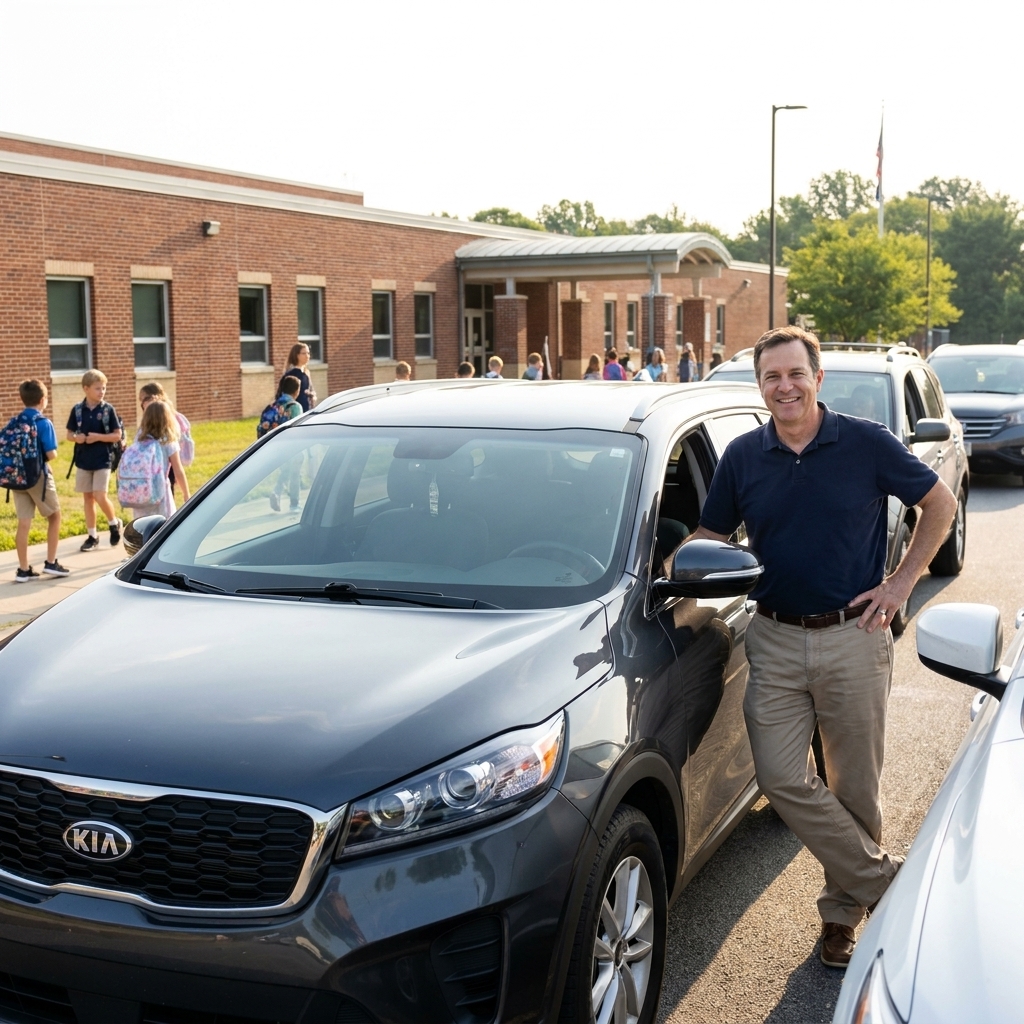
6) Dodge Durango (2014 to 2016, V6)
Why it’s here: If you tow a small camper or want a more traditional SUV feel, the Durango can be a good fit. It tends to feel sturdy on the road, and when properly equipped, it can handle occasional towing without feeling overwhelmed.
Third row reality
Usable, with decent access. Not the roomiest in every configuration, but it is more accommodating than many smaller crossovers that “technically” offer three rows. With the third row up, cargo space is not huge, so expect to choose between extra passengers and extra stuff on some trips.
Safety and family features
Look for models equipped with a rear camera and parking sensors. For families, those two features reduce daily stress more than most people realize.
Long-term costs and what to watch
- Brakes and tires: These can be heavier vehicles and can eat consumables if driven hard.
- Front end wear: Check for vibrations under braking and looseness over bumps.
- Electrical quirks: Make sure every window, lock, and infotainment function behaves correctly on your test drive.
My buy advice: Prioritize a clean, unmodified Durango with matching tires and a calm test drive. Walk away from anything that feels like it has lived a hard life.
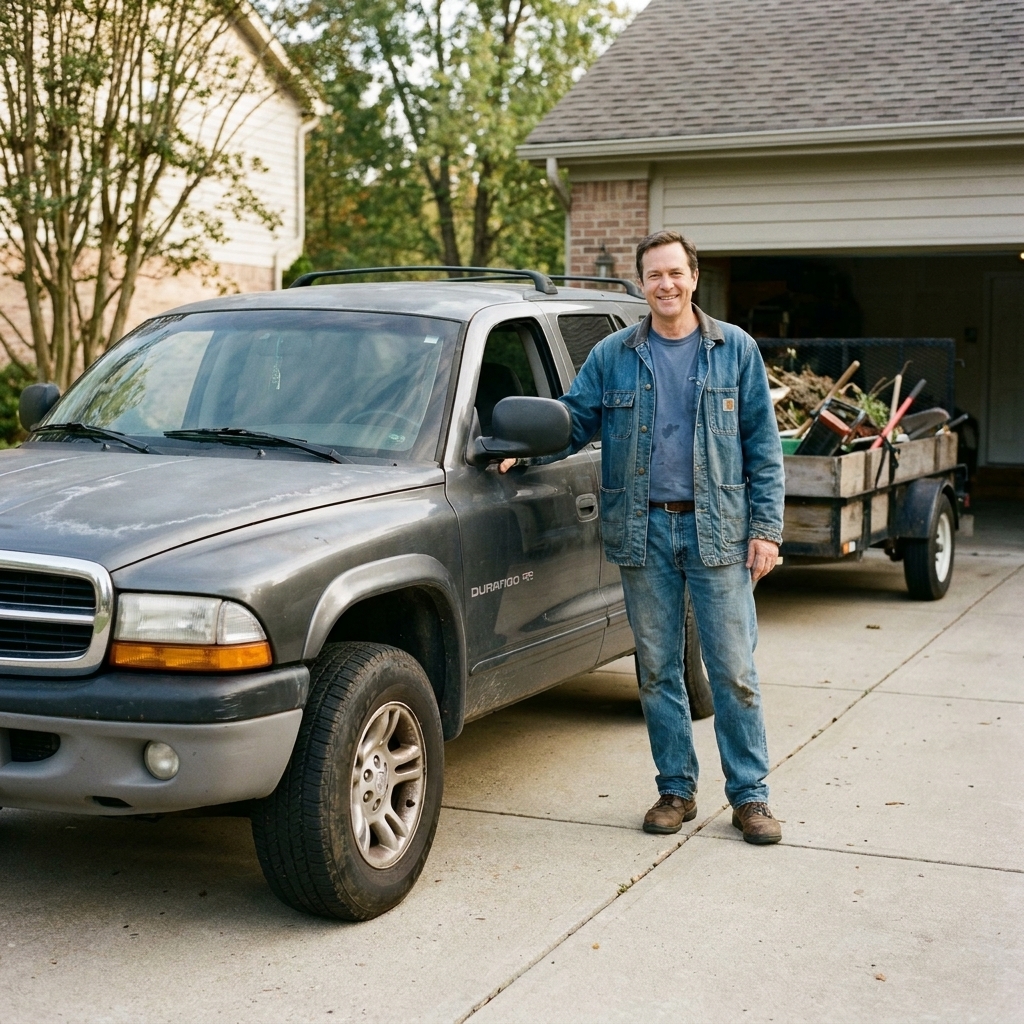
Before you buy any 3-row SUV
If you take nothing else from this article, take this checklist with you. It catches most expensive surprises.
Third row and cargo test
- Have your tallest kid, teen, or friend actually sit in the third row.
- Fold the third row up and down yourself. It should not bind, jam, or feel uneven.
- With row three up, check the remaining cargo space for your real life items: stroller, groceries, sports bags.
Car seat reality check
- Check for third-row top tether anchors and confirm you can actually reach them with the seat installed.
- If you use car seats in row two, test the seat slide and tilt with the car seat installed. Some “easy access” systems stop being easy once a car seat is in the way.
- Bring your own car seat to the test drive. Ten minutes in the parking lot can save you years of daily annoyance.
Safety basics
- Confirm all seat belts latch and retract correctly in rows 1 through 3.
- Check tire date codes and tread depth. Bad tires make even a highly rated vehicle unsafe.
- Make sure the airbag light turns on with the key and then turns off after starting.
Ownership cost red flags
- Mismatched tires on AWD models can be a quiet wallet-drainer. Ideally all four match in brand, size, and wear.
- Shuddering on acceleration or harsh shifts can signal transmission or drivetrain issues.
- Coolant smell, overheating history, or dried coolant residue is a no-go.
- Clunks over bumps often mean suspension work is due, which adds up quickly on heavy family SUVs.
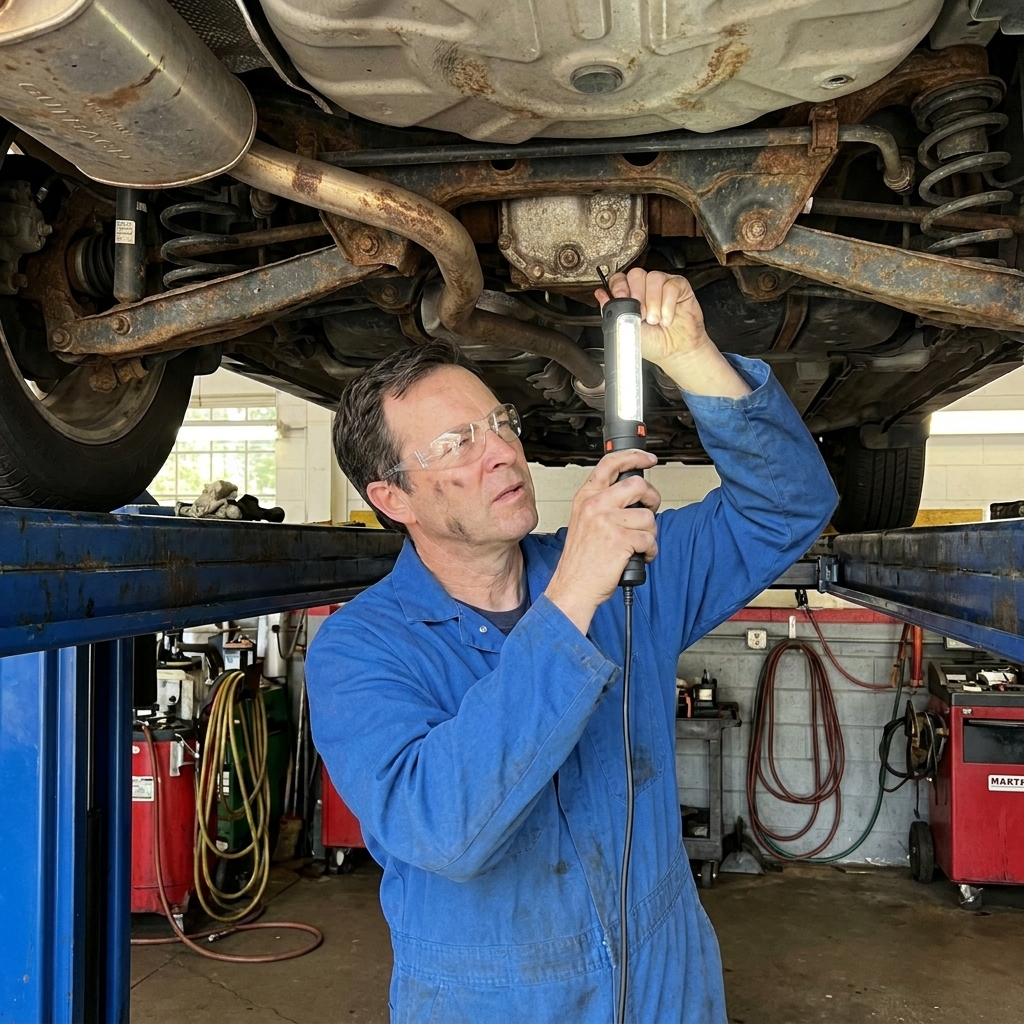
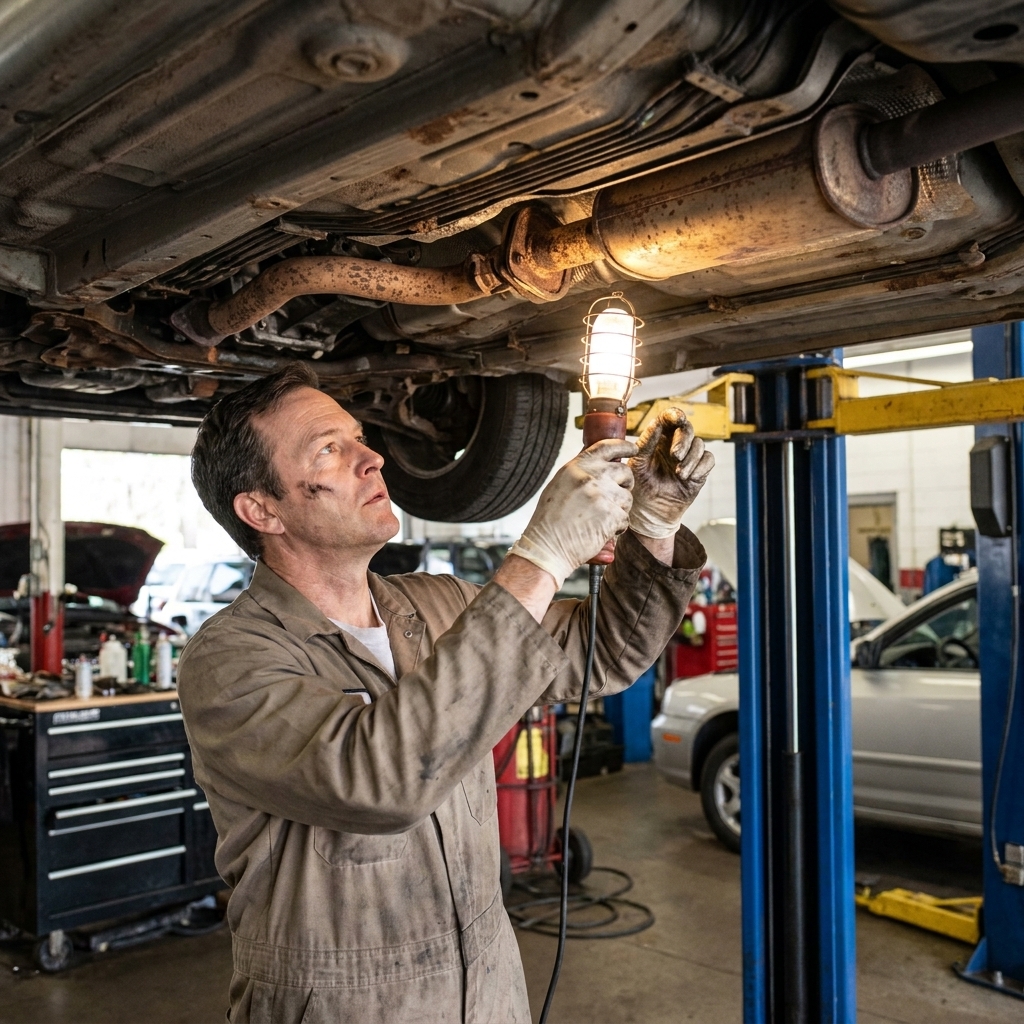
If you can swing it, get a pre-purchase inspection at an independent shop. I’ve watched a $150 inspection save families $3,000 to $7,000 more times than I can count.
FAQ
What year range should I shop under $20,000?
Most buyers land somewhere around 2011 to 2018 depending on model and miles. Older, higher-quality models (like Highlander and Pilot) can still be smarter buys than newer vehicles with weak maintenance history.
Is a third row in a midsize SUV actually usable?
For kids, yes. For adults, it depends. The Flex is one of the best adult-usable third rows under $20k. The Pilot is also strong. In many other midsize crossovers, row three is best viewed as a carpool or emergency seat.
Should I buy AWD?
Buy AWD if you truly need it for weather, terrain, or steep driveways. Otherwise, front-wheel drive versions usually cost less, get slightly better fuel economy, and have fewer drivetrain components to maintain. If you do buy AWD, insist on matching tires and evidence of fluid services.
What’s the biggest mistake buyers make with used 3-row SUVs?
Assuming “it drove fine” means it is healthy. On a heavy family SUV, worn suspension, borderline brakes, and old tires can hide in plain sight. Also, people forget to budget for the first year of catch-up maintenance, which is often where the real cost shows up.
My bottom line
If you want the safest path under $20,000, start with a Toyota Highlander or Honda Pilot with documented maintenance. If you want maximum third-row usefulness for the money, look hard at the Ford Flex. And if you want a family SUV that feels nicer to drive every day, the Mazda CX-9 is an easy recommendation.
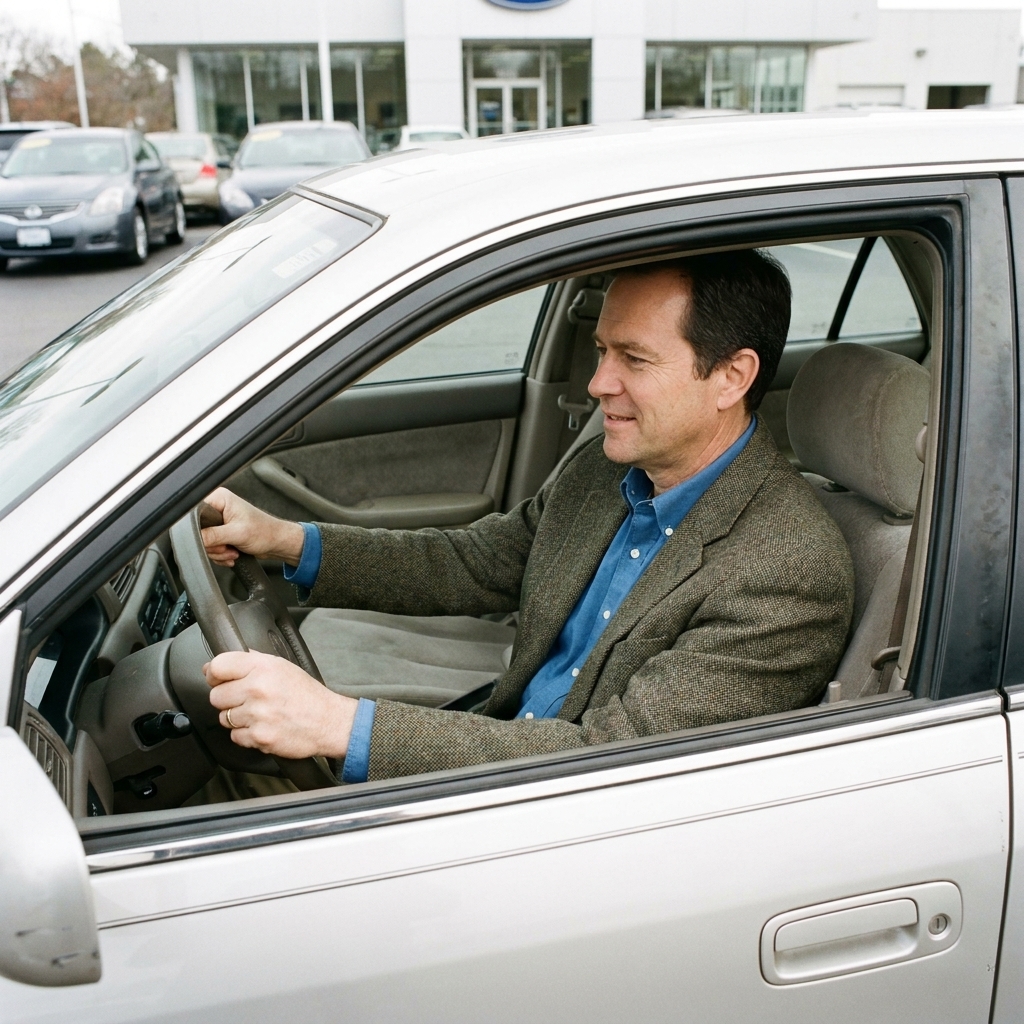
Whichever direction you go, let the car prove itself. Bring a checklist, do a long test drive on rough roads and highway speeds, and get it inspected. Your future self, and your savings account, will thank you.