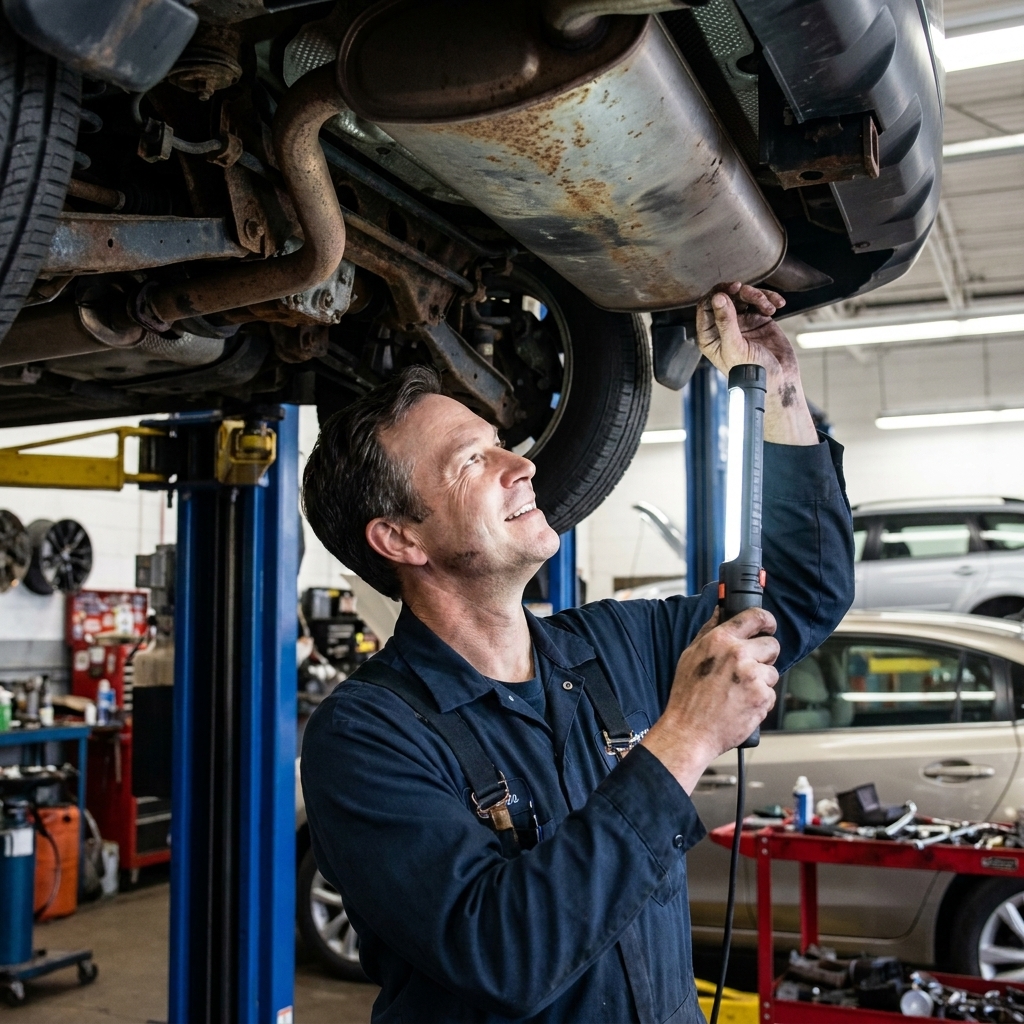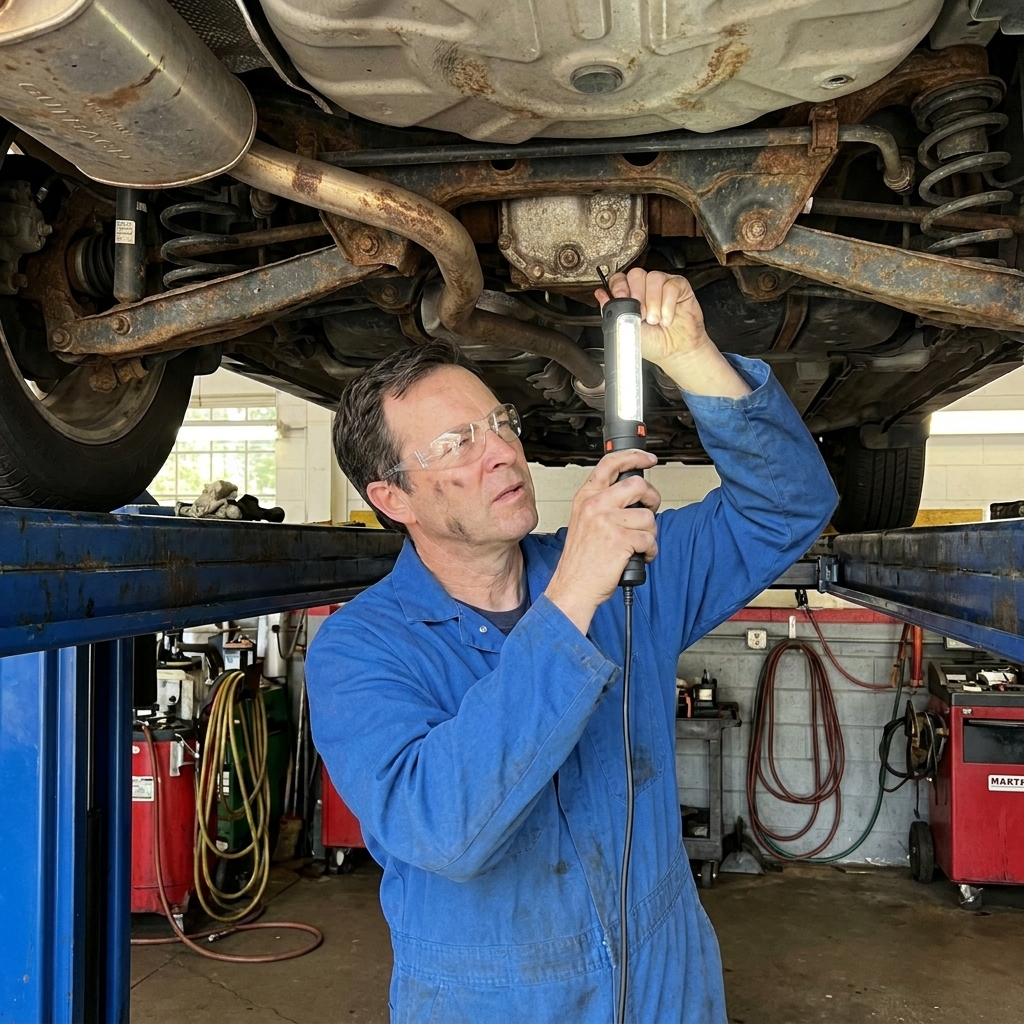
Don’t fall for a shiny detail job. Use this thorough test drive checklist to catch transmission issues, suspension clunks, brake vibrations, alignment prob...
Used Car Buying Guide
7 Hidden Maintenance Red Flags to Notice on a Used Car Test Drive
A sensory checklist you can use on any used car test drive. Here are 7 subtle sounds, smells, and driving quirks that often point to expensive maintenance problems.

Ben Sullivan
Ben Sullivan is a former ASE-certified mechanic with over 15 years of experience inspecting, repairing, and appraising used vehicles. He contributes to Car Wise Guide to help everyday buyers navigate the used car market with confidence, armed with the knowledge to spot hidden red flags and negotiate fair prices.
Published October 18, 2026
Updated October 18, 2026
Most used cars don’t scream “I’m a problem.” They whisper it. A faint whine at 45 mph. A hot, sweet smell after a highway merge or longer acceleration. A steering wheel that trembles just enough for you to second-guess yourself.
When I did pre-purchase inspections, the buyers who avoided the worst surprises weren’t the ones who knew every spec. They were the ones who paid attention to what the car was telling them during a simple test drive. Use this sensory checklist and you’ll catch a lot of hidden maintenance issues before they become your problem.

Before you roll
- Start it cold if possible. A warmed-up engine can hide hard starts, timing noise, smoking, and rough idle.
- Drive with the radio off and the windows cracked for part of the drive. You need to hear and smell the car.
- Try three environments: a rough neighborhood street, a 45 to 55 mph road, and a short highway stretch.
- Do a few gentle tests, only where it’s legal and safe: moderate acceleration, a smooth stop from about 50 mph to 0, and a couple of low-speed full steering turns in an empty parking lot.
Cold start clues
What you’ll notice: Extra noise on startup, a shaky idle, or smoke from the tailpipe right after the engine fires.
What it often means: A brief rattle can be normal on some engines, but a loud timing chain rattle, persistent ticking, or a rough idle can point to wear, poor maintenance, vacuum leaks, or misfires. Exhaust smoke color matters:
- Blue smoke: oil burning (rings, valve seals, turbo seals).
- White smoke that lingers with a sweet smell: possible coolant burning (bigger concern).
- Black smoke: too much fuel (injector, sensor, or tuning issues).
Quick confirmation: Let it idle for 30 to 60 seconds, then walk behind the car and look for lingering smoke. Pay attention to whether the idle smooths out quickly or continues to hunt and stumble.
1) Brake pulsation or shake
What you’ll notice: When you brake from around 45 to 60 mph, the pedal pulses, the steering wheel shakes, or the whole front end feels like it’s fluttering.
What it often means: People call this “warped rotors,” but many real-world cases are disc thickness variation or uneven pad material deposits on the rotor face. That can come from overheating, cheap pads, improper bedding, or a caliper that is not releasing cleanly. Old brake fluid does not directly cause pulsation, but it can contribute to corrosion and sticky calipers or slide pins, which can then create heat and uneven deposits.
Quick confirmation: Do one smooth stop from speed on a safe, straight road. If the vibration is only under braking, rotors or brake hardware are likely. If the car also vibrates while cruising, you might be looking at tire or suspension issues too. If the car pulls hard to one side under braking, think sticking caliper, a collapsed brake hose, or uneven pad contact.
Reality check: If the pulsation gets more noticeable as you slow down, that often lines up with rotor variation, but it is not definitive. The only real confirmation is measuring runout and thickness variation, plus checking caliper operation.
Cost reality: Pads and rotors can be reasonable. Calipers, hoses, and ABS faults can get expensive fast. If the seller says “it just needs rotors,” treat that as a maybe, not a diagnosis.
2) A burnt smell after a short drive
What you’ll notice: After 10 to 20 minutes, especially with a little highway time, you smell something “hot.” Common versions:
- Burnt oil smell that’s sharp and smoky
- Burnt rubber smell like a belt or tire
- Acrid clutch smell on a manual transmission car
What it often means: Burnt oil can be oil leaking onto a hot exhaust manifold or catalytic converter. Burnt rubber can be a slipping serpentine belt, a seized pulley, or even a tire rubbing due to suspension damage. A clutch smell can mean a worn clutch, a driver who rides it, or a car that has lived in stop-and-go delivery-style driving.
Quick confirmation: Park, pop the hood, and sniff near the engine bay carefully. Look for fresh wetness around valve covers and on the back side of the engine. With burnt rubber, glance at the serpentine belt for cracking or shiny glazed sections.
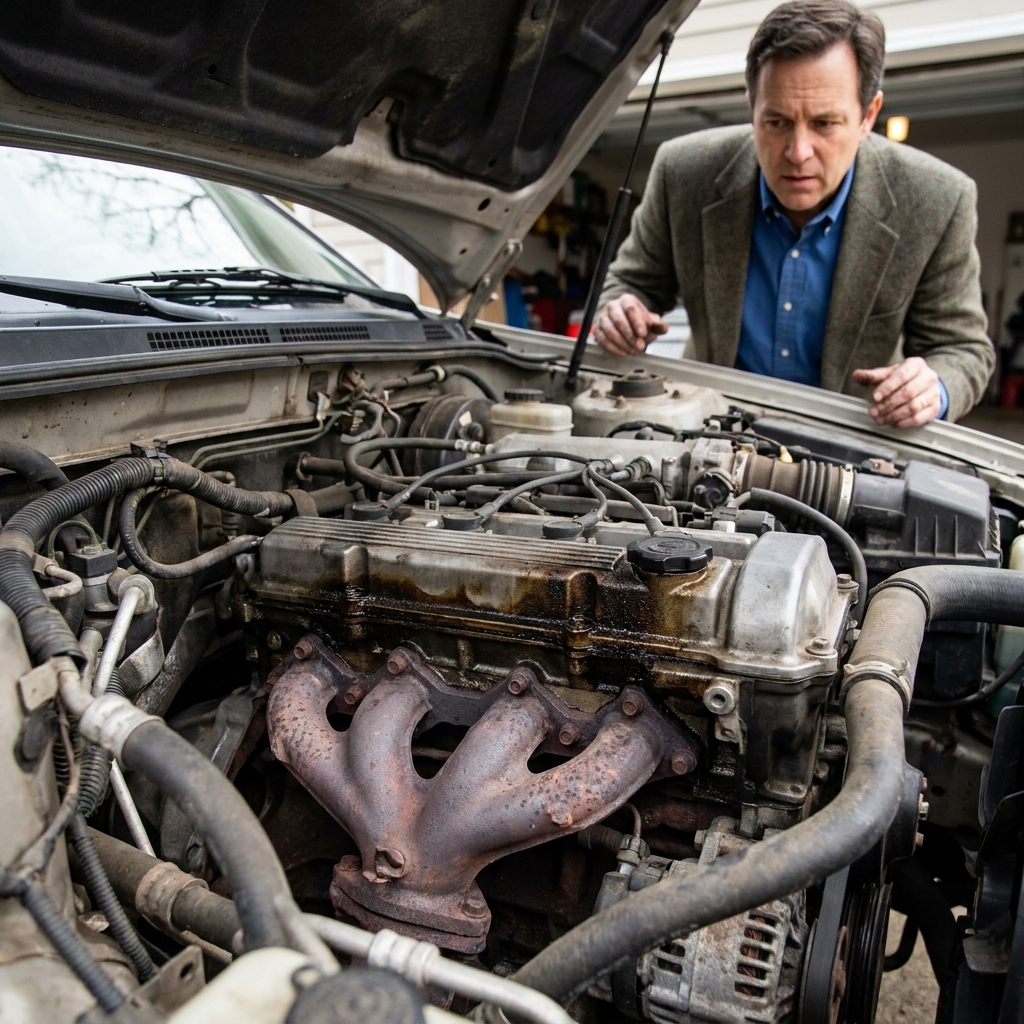
3) Coolant smell or damp heat
What you’ll notice: A syrupy sweet smell, especially after a drive or when the heater is on. Sometimes the windshield fogs more than normal, or the cabin feels humid even with the blower running.
What it often means: Coolant leaks. That can be external like a radiator, hose, or water pump, or internal like a heater core starting to leak into the cabin. A heater core leak is a sneaky wallet-drainer because replacing it can mean pulling a big chunk of the dashboard on some models.
Quick confirmation: Turn the heater on full hot for a minute. If the smell gets stronger inside the cabin or the windows fog quickly, put a big question mark next to “heater core.” After the drive, look under the hood for crusty white or pink residue around hose connections and the radiator end tanks.
Buyer advice: A one-time whiff can happen from a recent spill or a small seep at a cap. But a persistent coolant smell is not normal and needs an explanation. Cooling systems are designed to be closed and pressure-tight.
4) Whining or humming with speed
What you’ll notice: A steady hum that gets louder as you go faster, or a whine that rises in pitch with vehicle speed. Sometimes it changes when you gently steer left or right.
What it often means:
- Wheel bearing wear (classic hum or growl that changes when you load one side of the car)
- Uneven tire wear that mimics bearing noise
- Differential or transmission bearing wear (often a whine, sometimes tied to throttle on or off)
Quick confirmation: At about 40 to 55 mph on a safe, straight road, make a very gentle lane-position change left then right, without abrupt inputs. If the noise gets louder turning left and quieter turning right, that often points to a wheel bearing on one side. Often, not always. Road crown, tire noise, and some AWD driveline noises can fool you.
Cost reality: A wheel bearing can be manageable. Differential or transmission noise is a major negotiating point, and sometimes a reason to walk.

5) Clunks over bumps
What you’ll notice: Over small bumps or driveway entrances, you hear a clunk, thunk, or rattle. The car may feel like it has a delay between steering input and what the tires do.
What it often means: Worn suspension and steering parts. The usual suspects are stabilizer bar links, struts, control arm bushings, ball joints, and tie rod ends. These wear items aren’t glamorous, but they are safety-critical, and they add up quickly when multiple parts are tired.
Quick confirmation: Find a mildly rough road and drive at low speed with the windows down. Then do a slow parking lot test in an open area: turn the wheel near full lock and creep forward. If you hear popping, clicking, or clunking, you could be looking at CV joints, strut mounts, or steering components.
Negotiation tip: Suspension noise is rarely “nothing.” If the seller says “it’s just a sway bar link,” ask for a receipt proving it’s been diagnosed. Otherwise, price it like a front-end refresh might be coming.
6) Highway steering shake
What you’ll notice: The steering wheel trembles at highway speeds, and it may come and go in a narrow speed range.
What it often means: The common answer is tire balance, but hidden maintenance red flags show up here too:
- Bent wheel from pothole impacts
- Separated tire belt (can become a blowout risk)
- Bad alignment plus neglected rotations leading to cupping
- Worn suspension that lets the wheel wobble under load
Quick confirmation: On a smooth road, keep your hands light on the wheel and feel for a rhythmic shake. Then, without braking hard, let off the gas. If the vibration changes a lot on accel versus decel, that can be a clue it is more than simple balance, such as an out-of-round tire, a worn CV axle, or a driveline angle issue. After the drive, look at the tires for scalloped or cupped wear and check the inner edges as best you can.
Safety note: If the shake feels violent or the car hops, stop the test drive. A tire with a broken belt can fail suddenly.
7) Transmission issues people excuse
What you’ll notice:
- Delayed engagement when shifting from Park to Drive or Reverse
- Harsh 1-2 or 2-3 shifts after the car is warmed up
- RPM flares where the engine revs up but the car does not accelerate proportionally
- Shuddering at light throttle around 30 to 50 mph (common with some torque converter issues)
What it often means: Low or old fluid, overdue service, software issues, internal clutch wear, torque converter problems, or a transmission that has been overheated. On CVTs, a droning, slipping sensation, or flare can be an early warning sign.
Quick confirmation: On a level road, accelerate gently from a stop several times. Then do one moderate acceleration merge. A healthy transmission feels consistent, not confused. If you can make the symptom happen repeatedly, assume it’s real.
What I tell buyers: If a seller says “they all do that,” maybe. But it’s your money. Budget for risk or choose a different car. Transmission repairs are one of the fastest ways to turn a “good deal” into a financial headache.
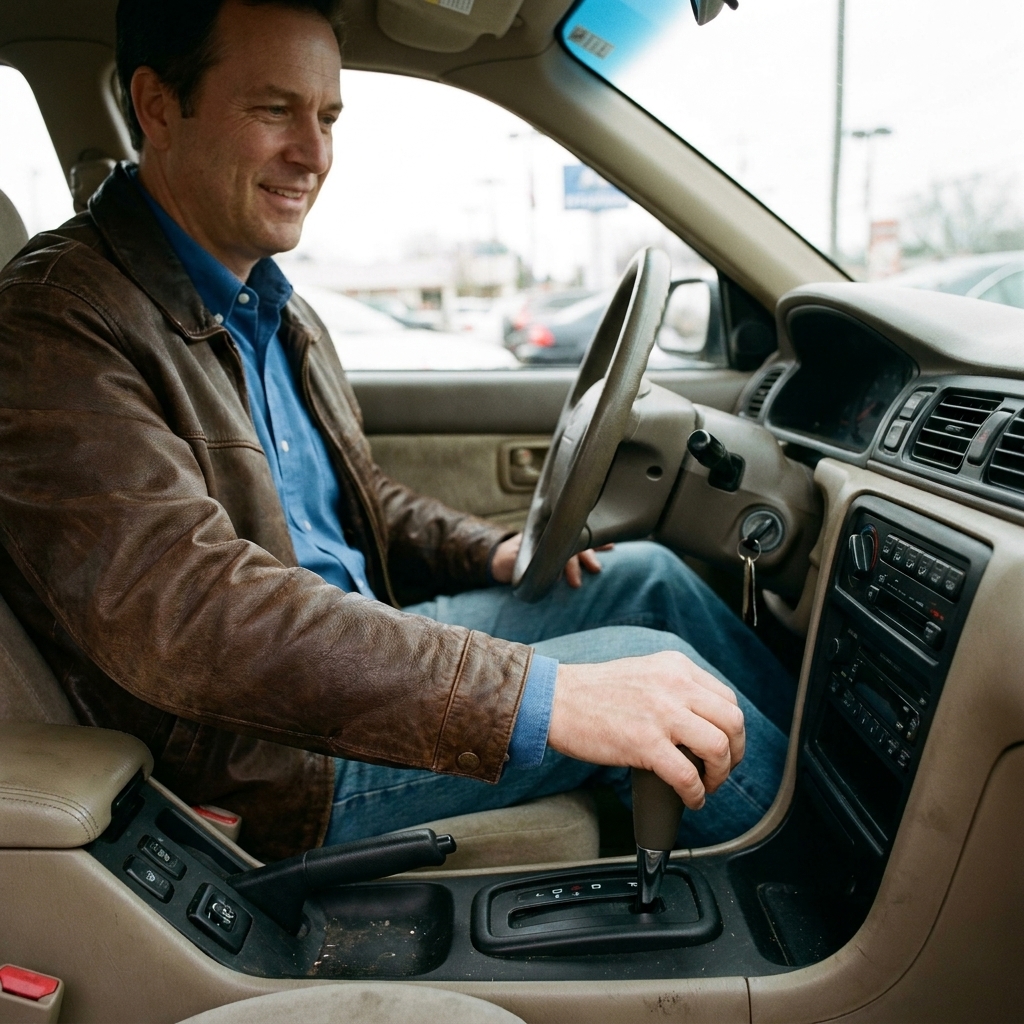
Watch the temp gauge
What you’ll notice: The temperature gauge creeping above normal, the A/C getting warm at idle, warning lights, or fans that sound like a jet engine all the time.
What it often means: Cooling system problems, low coolant, a weak radiator fan, a sticking thermostat, or early head gasket trouble. Some cars do not have a real gauge, so pay attention to warning messages and any smell of coolant after the drive.
Quick confirmation: Let it idle for a couple minutes after the drive with the A/C on. The temp should stay stable. If it climbs, that is a serious negotiating point or a reason to walk.
How to use these red flags
One red flag doesn’t automatically mean you should run. It means you should slow down and get clarity.
- If you notice one symptom: ask for maintenance records, then schedule a pre-purchase inspection.
- If you notice two or more symptoms: assume neglected maintenance until proven otherwise and negotiate accordingly.
- If you notice a safety symptom: strong brake pull, violent vibration, overheating warning, or heavy smoke, end the drive and move on.
A clean interior and a fresh oil change don’t prove the car was cared for. Your senses during the drive are harder to fake.
Quick checklist
- Cold start: rough idle, loud rattles, or exhaust smoke that lingers?
- Braking: any pulsation, shimmy, pull, or grinding?
- Smells: burnt oil, burnt rubber, sweet coolant, or raw fuel?
- Noise with speed: hum, growl, whine, or drone that increases with mph?
- Over bumps: clunks, rattles, popping on turns?
- Highway feel: steering wheel shake at 55 to 75 mph?
- Shifting: delays, harsh shifts, flares, or shudder?
- Temp: stable gauge and no overheating warnings?
- After the drive: any fresh leaks under the car, or new smells under the hood?
FAQ
How long should a used car test drive be?
Long enough to get it fully warmed up and to hit at least one stretch of road at 55 mph or higher. I like 20 to 30 minutes when possible, including a few minutes of stop-and-go and a short highway run.
Should I test drive with the air conditioning on?
Try both. Run the A/C for a few minutes, then turn it off and listen. A struggling compressor or weak cooling fan can show up as engine bogging, odd noises, or temperature creep when the A/C is on.
Can uneven tires fake mechanical problems?
Yes. Cupped tires can sound like bad wheel bearings, and poor balance can mimic suspension issues. But here’s the catch: uneven tires are often a maintenance story too, like skipped rotations, bad alignment, or worn suspension that caused the wear in the first place.
Should I scan it for codes before buying?
If you can, yes. A basic OBD scan can reveal stored or pending codes and whether emissions monitors are “ready.” It does not replace a test drive, but it pairs well with one, especially when the car feels fine but your gut says something is off.