A hands-on test-drive checklist for automatics and manuals, plus a simple OBD-II scan. Detect slipping, rough shifts, hesitation, and fluid red flags before ...
Used Car Buying Guide
Avoid These 5 Used Cars After 100,000 Miles
Some used cars are fine at 100k. These five models are the ones I’d be cautious with, because expensive engine or transmission failures become more common as miles pile on.

Ben Sullivan
Ben Sullivan is a former ASE-certified mechanic with over 15 years of experience inspecting, repairing, and appraising used vehicles. He contributes to Car Wise Guide to help everyday buyers navigate the used car market with confidence, armed with the knowledge to spot hidden red flags and negotiate fair prices.
Published October 18, 2026
Updated October 18, 2026
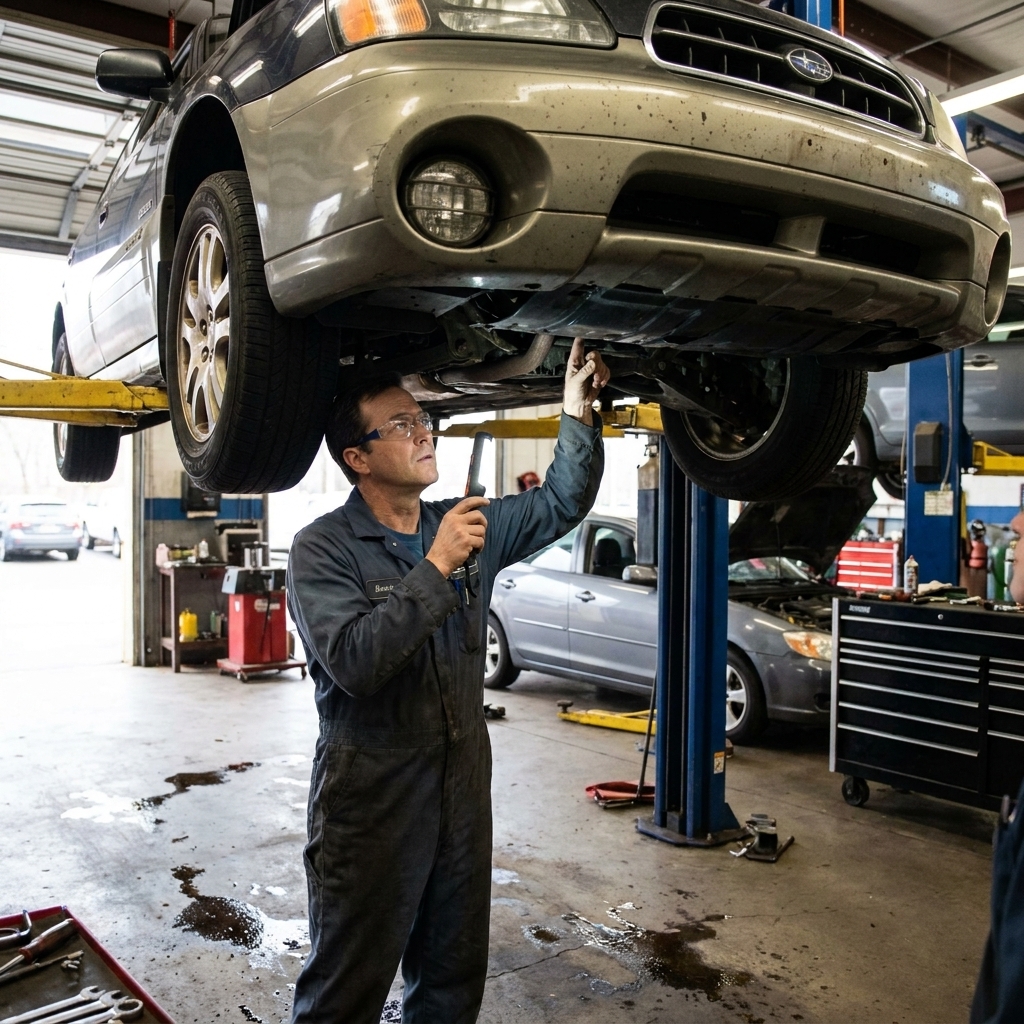
Before you start: 100,000 miles is not the problem
I’ll say the quiet part out loud. A well-built car with documented maintenance can be a great buy at 100,000 miles. I drive a high-mileage truck myself. The issue is that some models have a track record of catastrophic engine or transmission failures right around the time the second owner takes over, and the repair bill can sometimes exceed the value of the car.
This list is for buyers who want a simple rule: if it’s over 100k and you do not have ironclad service records, walk away. Even with records, the right move is usually to budget for major repairs or pick a more durable alternative.
1) Nissan Sentra (2013 to 2019): CVT risk climbs fast
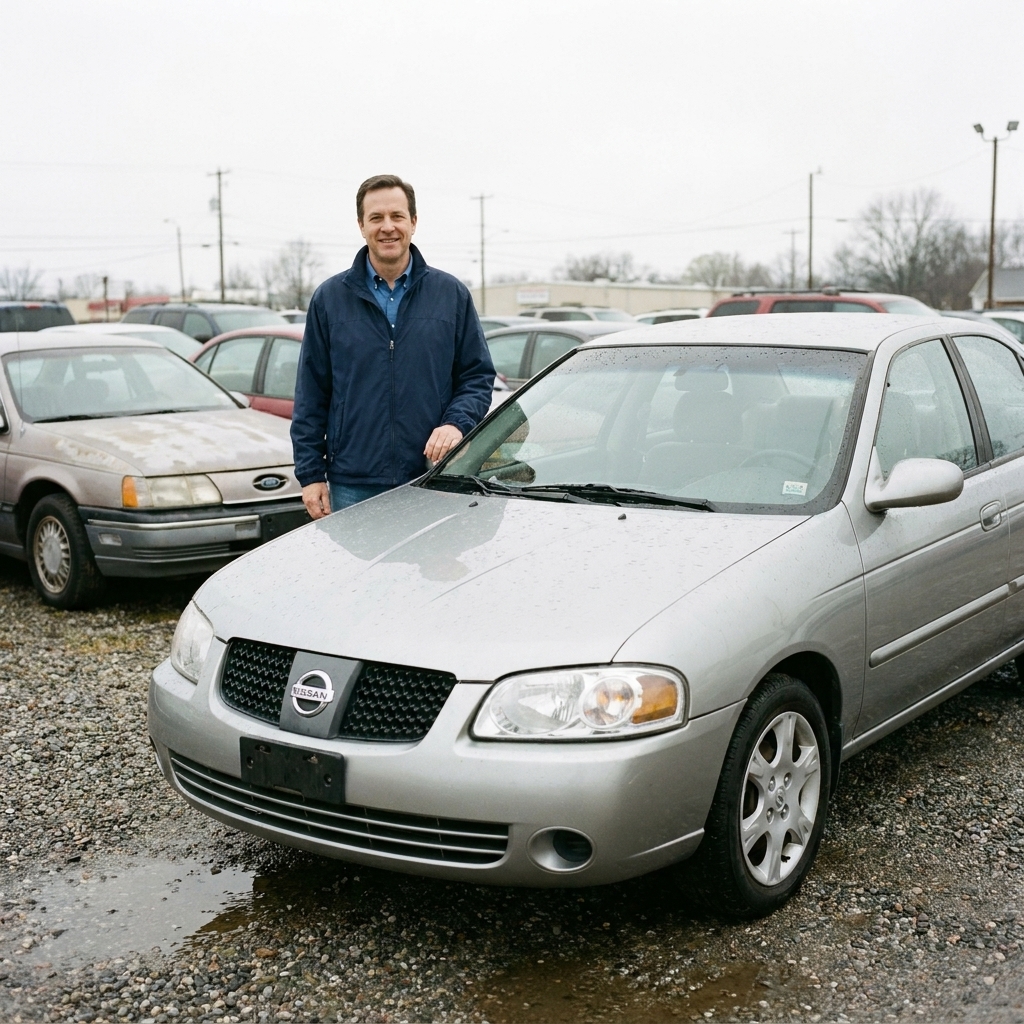
If you’ve spent any time around used car lots, you’ve seen these priced to move. There’s a reason. Many Sentras from this era use Nissan’s Jatco CVT automatic transmission, and once mileage climbs, the odds of expensive transmission issues rise in a way I’m not comfortable betting my own money on.
To be fair, outcomes vary a lot. Driving style, heat, maintenance history, and whether the CVT has already been replaced with paperwork can make a big difference. But if you are staring at a 120k Sentra with vague records, you are playing with fire.
What tends to happen after 100k
- CVT shudder, slip, or delayed engagement that gets worse as the unit heats up
- RPM flare where revs rise but the car does not accelerate normally
- Overheating behavior on long drives, hills, or hot days
Red flags on a test drive
- Any hesitation from a stop, especially when turning into traffic
- Surging at steady speed (feels like gentle bucking)
- Burnt smell after the drive, or any history of “transmission replaced” without documentation
My take: If you are shopping a Sentra over 100k, you need proof of consistent CVT fluid service and a test drive long enough to fully warm the transmission. If it already had a documented CVT replacement and it drives clean hot and cold, it is a different conversation. Without that, I usually steer buyers to a different compact sedan.
2) Ford Focus (2012 to 2016): PowerShift problems
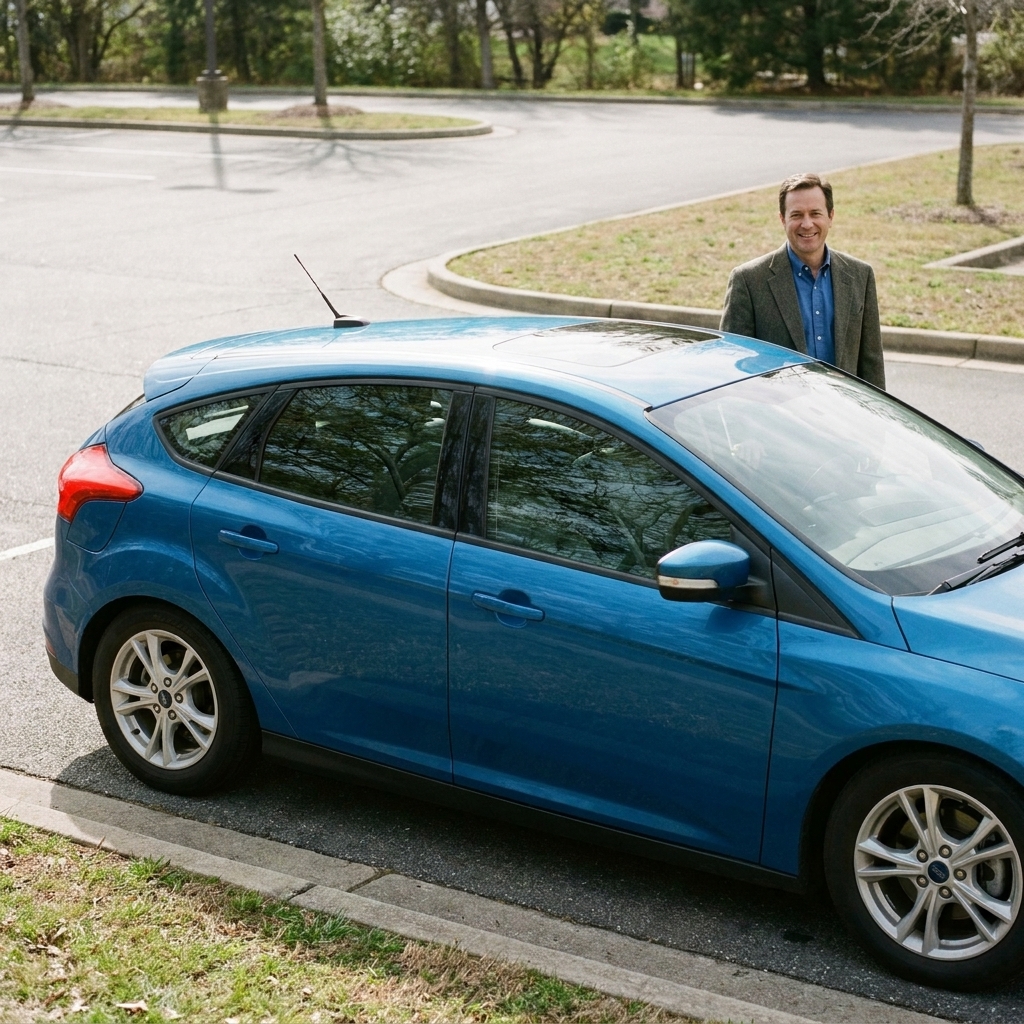
This one hurts, because the Focus can be a great-driving small car. The problem is the PowerShift DPS6 dual-clutch automatic transmission used in many automatics from these years. I’ve watched too many owners chase shuddering, jerking, and repeated repair visits. Over 100k, the chance of it becoming a constant annoyance or an expensive project jumps.
Important nuance: manual-transmission Focus models are not part of this automatic-transmission issue. If you can drive a stick, the math changes.
What tends to happen after 100k
- Shudder on takeoff that feels like a manual clutch being let out poorly
- Harsh low-speed shifts, lurching in stop-and-go traffic
- Repeat repairs involving clutch packs, forks, actuators, or control modules that do not fully fix the behavior
Red flags on a test drive
- Shuddering when pulling away from a stop sign on a slight incline
- Delay selecting Drive or Reverse
- A seller who says “they all drive like that”
My take: If you need an automatic, I’d avoid a 2012 to 2016 Focus over 100k unless you have documentation showing recent, substantial DPS6-related work and you still like how it behaves after a fully warmed-up drive. If you find a clean manual, it can be a much safer buy.
3) Jeep Patriot (2007 to 2017): not cheap to keep
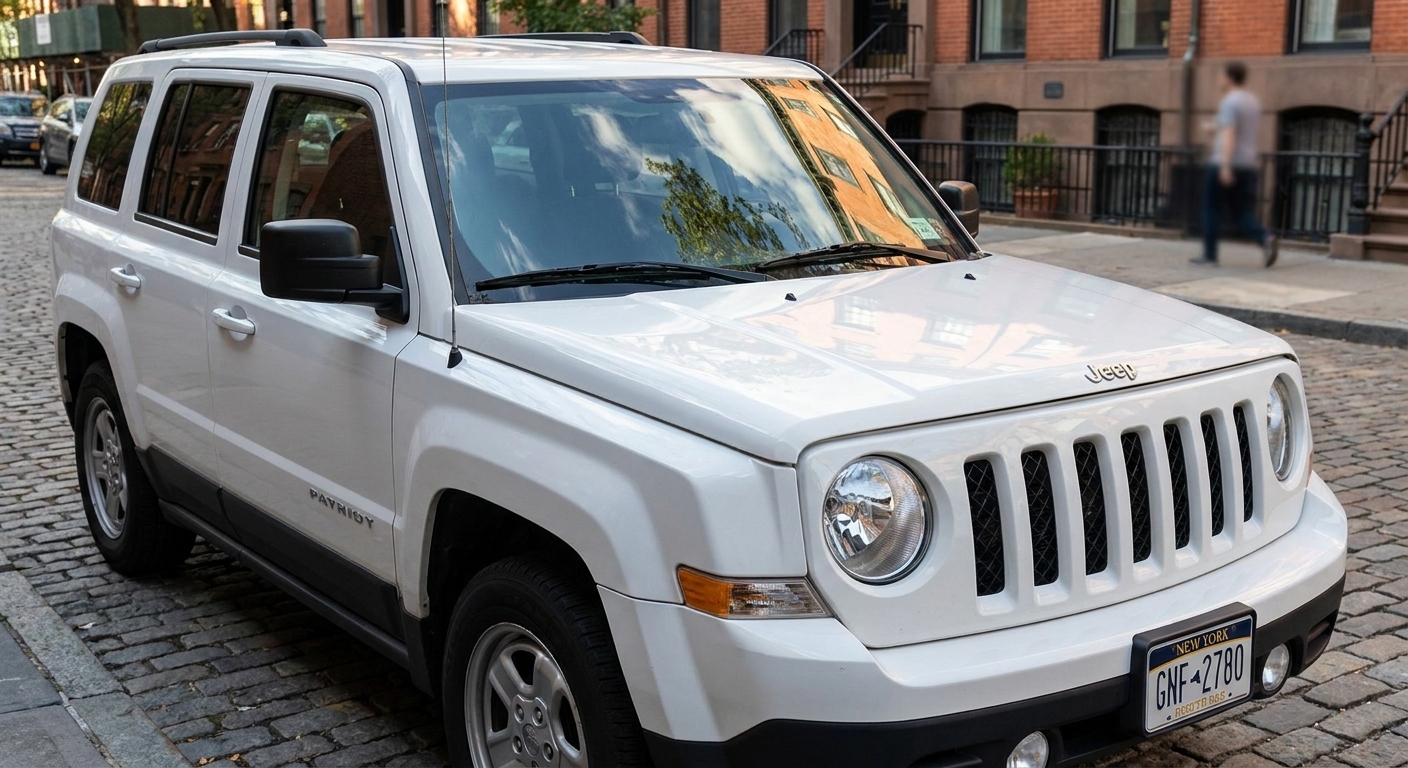
The Patriot is one of those vehicles that looks like a bargain in the listing and then punishes you in ownership. Past 100k, I see a pattern of drivability complaints, suspension wear, and powertrain issues that can quickly erase any upfront savings.
Also, not every Patriot is the same. Many were sold with a Jatco CVT, while others came with a conventional automatic or a manual depending on year, engine, and drivetrain. That matters, because the risk profile changes with the transmission.
What tends to happen after 100k
- CVT-related issues on CVT-equipped models, including whining, shuddering, and heat-related behavior
- Front-end wear that shows up as clunks, wandering, and uneven tire wear
- Cooling and oil leak problems that become “death by a thousand cuts”
Red flags on a test drive
- Steering that feels loose or requires constant correction
- Clunking over small bumps or during braking
- Temperature gauge doing anything other than sitting steady
My take: If you want a small, simple SUV with longevity past 100k, I’d generally rather see you in a better track-record model, even if it costs a little more upfront. If you do look at a Patriot, confirm which transmission it has, then test drive it long enough to get everything hot.
4) Mini Cooper (2007 to 2013): costly as it ages
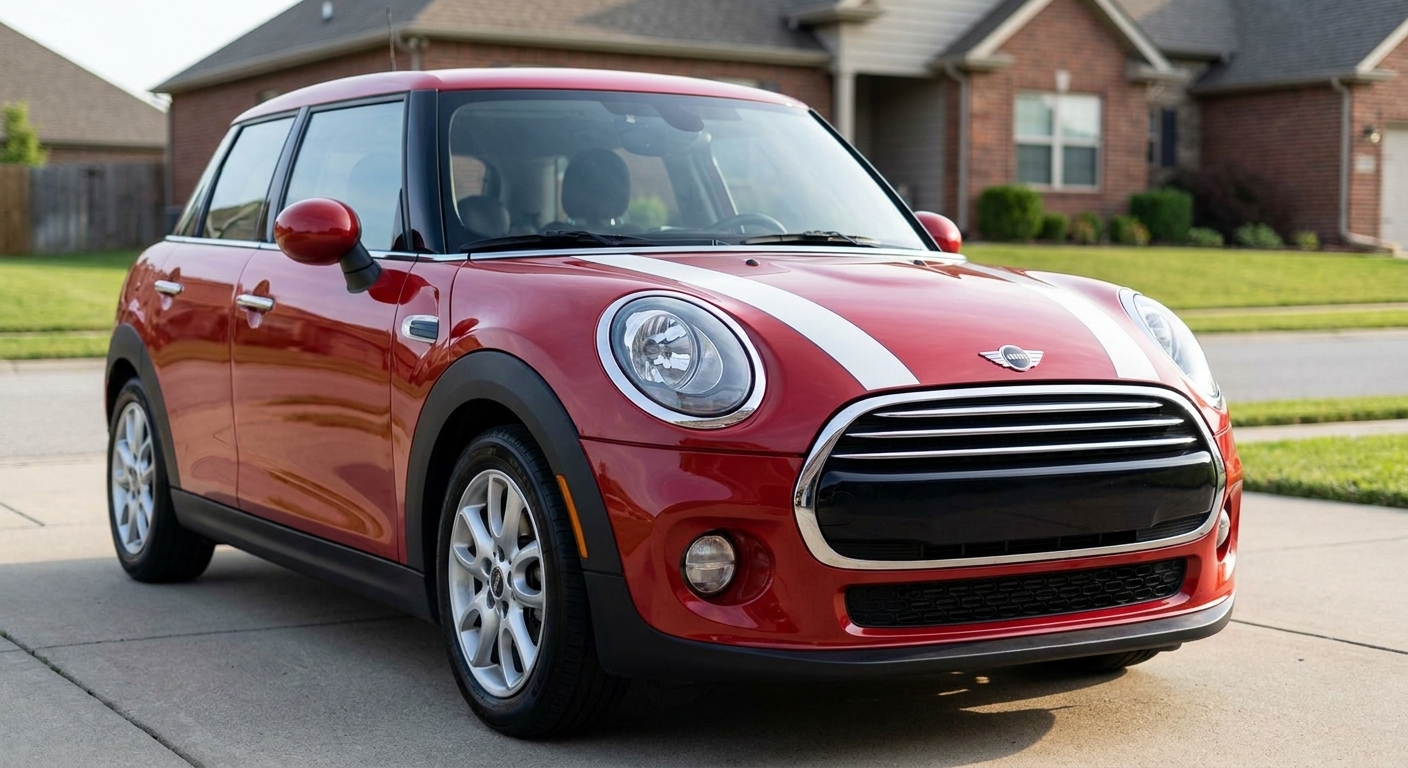
I get it. These are charming cars. But as they cross 100,000 miles, a lot of Minis from this era start demanding the kind of maintenance budget most shoppers are not expecting from a small hatchback. The big issue is not one single part. It’s the combination of engine-related repairs, oil leaks, timing chain concerns on some engines, and higher labor complexity.
Another nuance: risk varies by engine and trim. Turbo vs non-turbo matters, and so do engine families across these years. Some are simply more drama-prone than others.
What tends to happen after 100k
- Oil leaks that turn into recurring reseal jobs
- Timing chain stretch or tensioner issues on certain engines and years that can get expensive fast
- Cooling system and turbo-related repairs on some trims that add up quickly
Red flags on a test drive
- Rattling noises on cold start from the engine area
- Burning oil smell after the drive, or smoke hints near the back of the engine bay
- Temperature creeping upward in traffic
My take: A high-mile Mini can be a fine hobby car for someone who knows what they’re getting into. As a budget daily driver, it’s one I’d avoid after 100k unless you have detailed service records, a clean inspection, and a repair fund that matches the badge.
5) Hyundai Sonata (2011 to 2014, 2.4L): engine failure risk
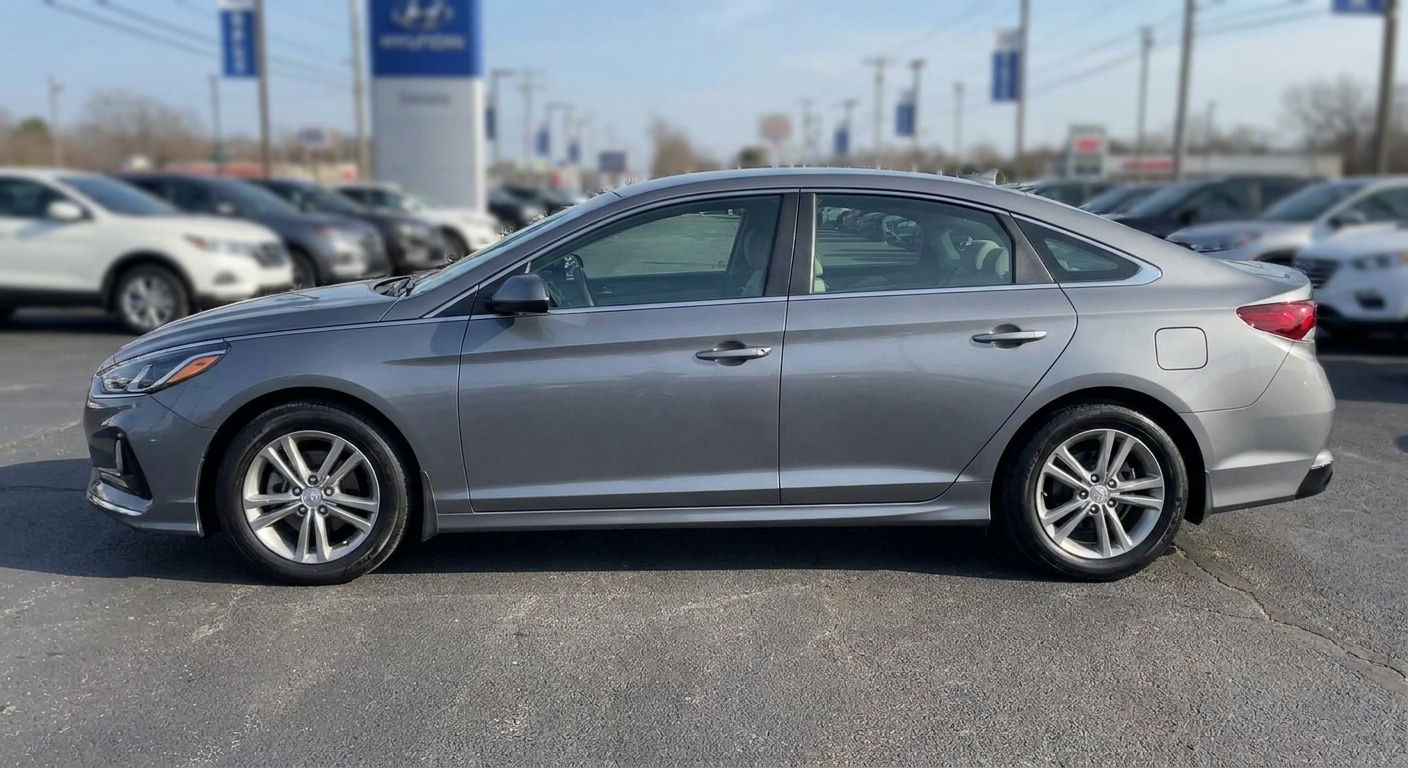
This is the one that I’ve seen break hearts. These Sonatas can look like a smart buy on paper, especially because they often have good features for the money. The problem is that certain engines from this era, especially the Theta II 2.4L GDI, have a reputation for serious internal engine failures that can lead to sudden breakdown.
Because recalls, campaigns, and warranty coverage can depend on the exact car, this is one where you should verify recall and warranty status by VIN before you fall in love with the price.
What tends to happen after 100k
- Knocking that progresses from faint to loud quickly
- Oil consumption that gets worse between oil changes
- Sudden loss of power or engine seizure in worst cases
Red flags on a test drive
- Any knocking sound under light throttle or when climbing a hill
- Low oil level at inspection time, or seller admits it “burns a little”
- Check-engine light history related to misfires or knock-sensor-related codes
My take: If you’re considering one over 100k, do not buy it based on a quick spin around the block. Get a pre-purchase inspection, check for service documentation, verify open recalls and warranty coverage by VIN, and treat any engine noise as a hard stop.
What to buy instead
I’m not saying these are the only good options, but if you want the same general size and mission with better long-term odds past 100k, here’s where I usually point people.
Better compact sedans than a high-mile Sentra
- Toyota Corolla
- Honda Civic
- Mazda3 (with solid maintenance records)
Better picks than an automatic PowerShift Focus
- Ford Focus with a manual transmission
- Honda Fit
- Toyota Matrix or Pontiac Vibe
Better small SUVs than a high-mile Patriot
- Toyota RAV4
- Honda CR-V
- Mazda CX-5
Better small hatches than a high-mile Mini
- Honda Fit
- Mazda3 hatchback
- Toyota Corolla hatchback
Better midsize sedans than a risky 2.4 Sonata
- Toyota Camry
- Honda Accord
- Mazda6
Quick checklist: protect yourself
If you’re looking at cars that commonly sell around the under $10k range, you’re going to run into a lot of high-mile examples of everything. Here’s how I’d play defense.
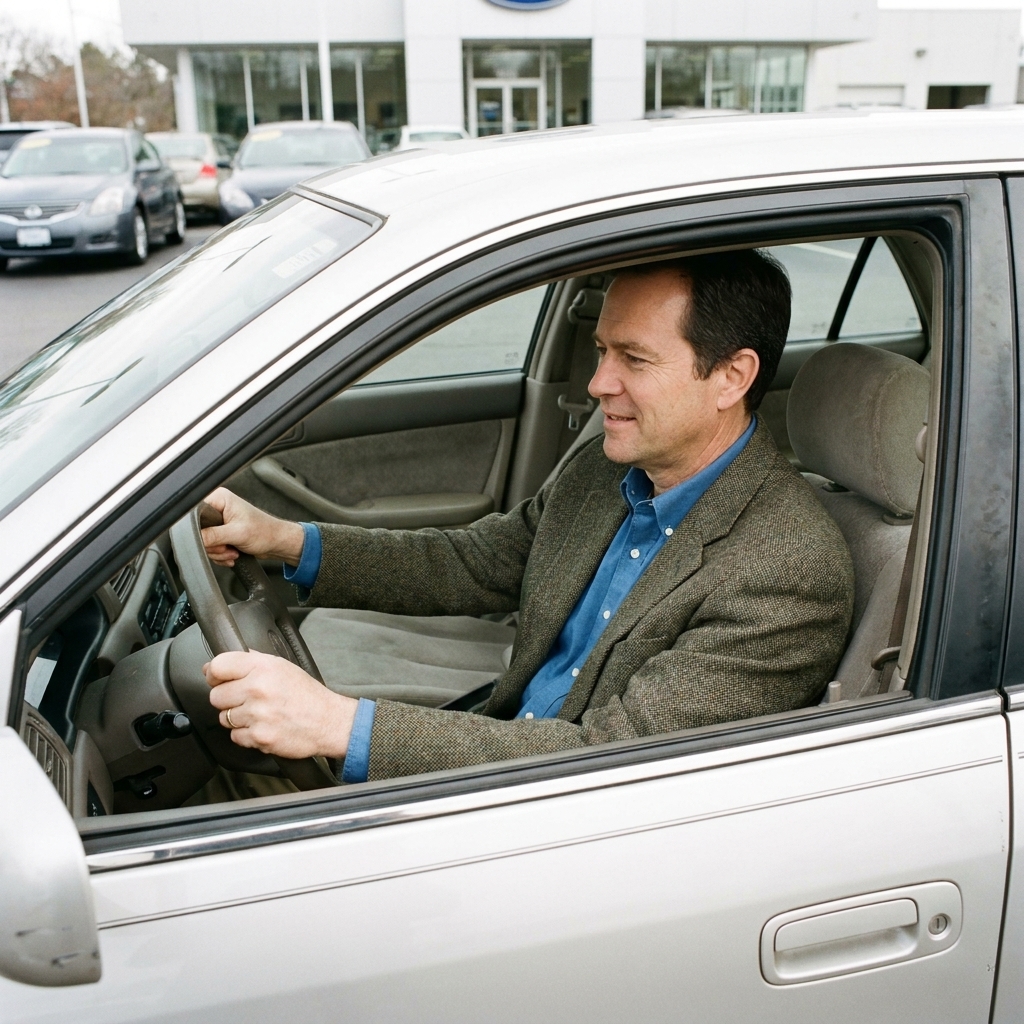
- Insist on a long test drive (at least 20 to 30 minutes) so the engine and transmission fully warm up.
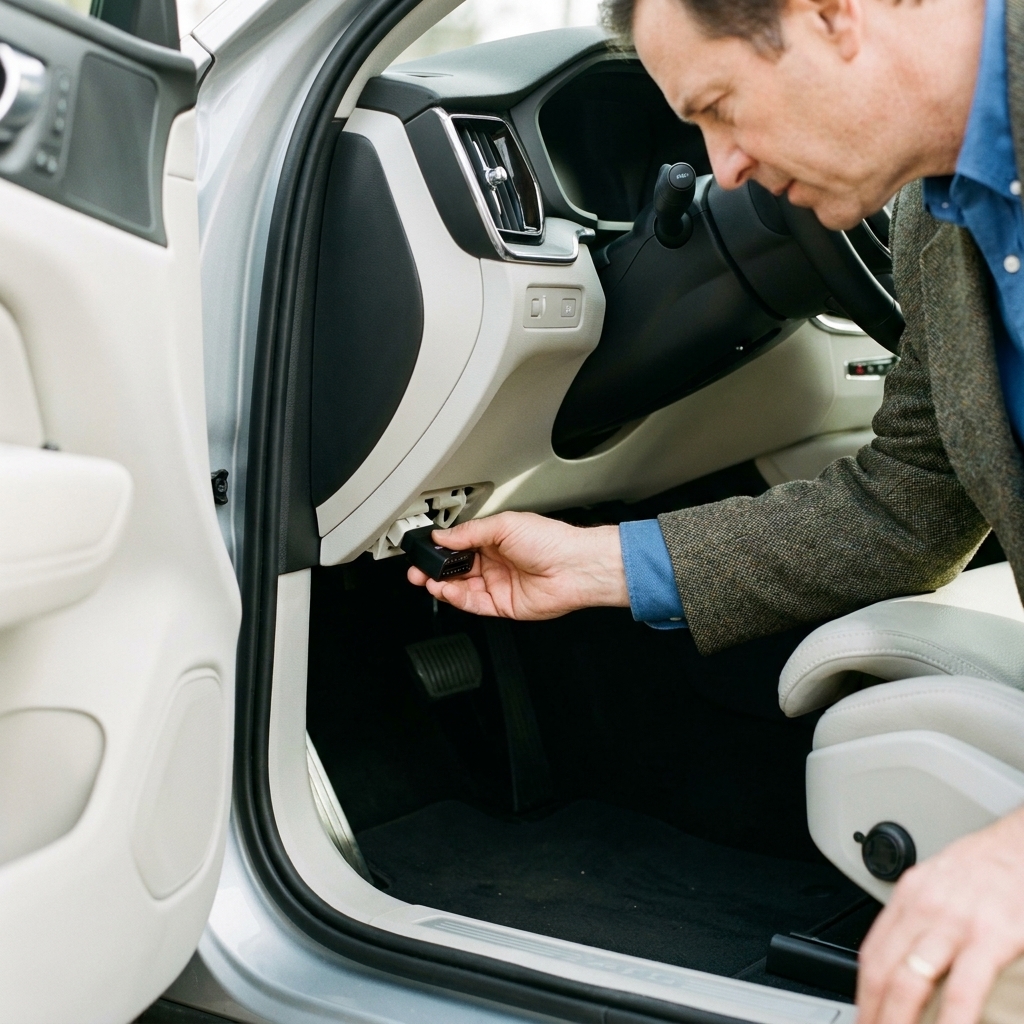
- Scan for codes even if the check-engine light is off. Pending codes matter.
- Look for real maintenance proof: invoices with dates and mileage beats a handwritten list every time.
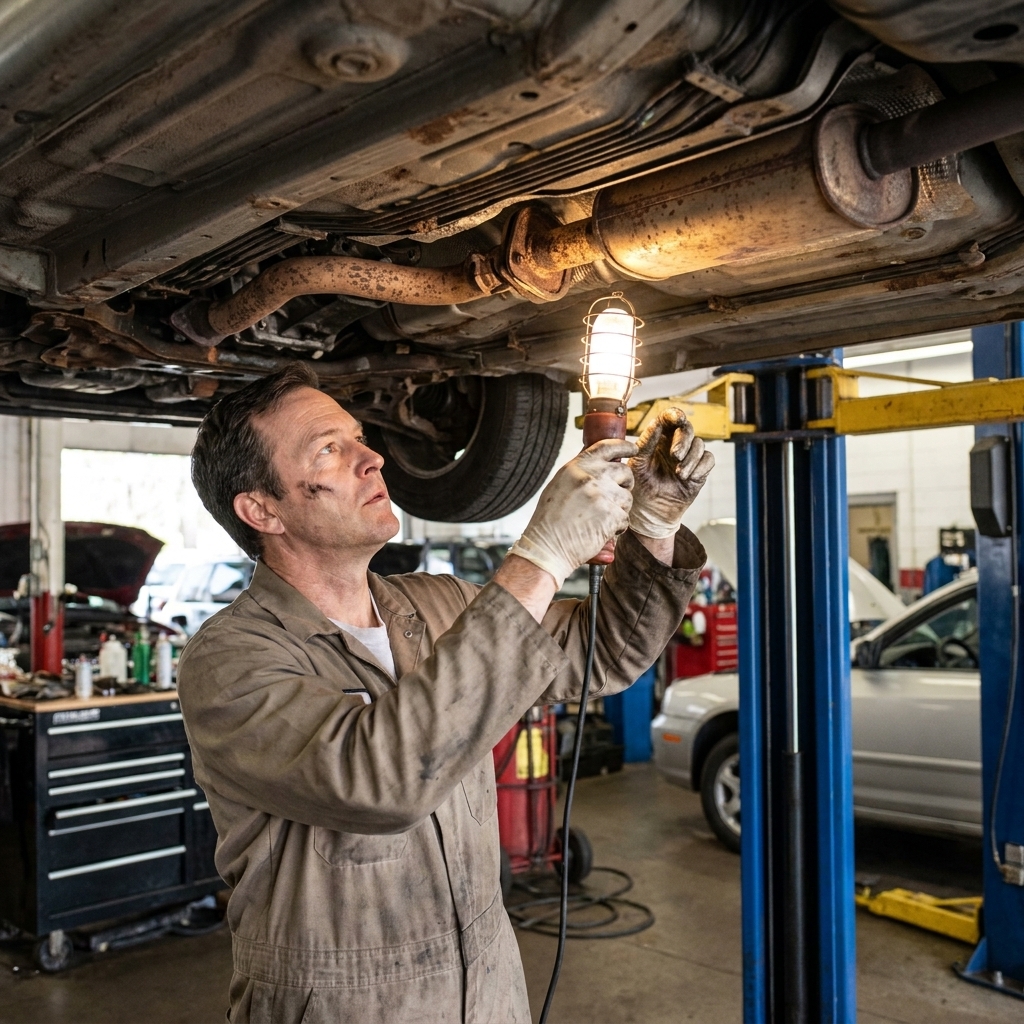
- Check fluid condition: burned transmission fluid smell is a walk-away sign.
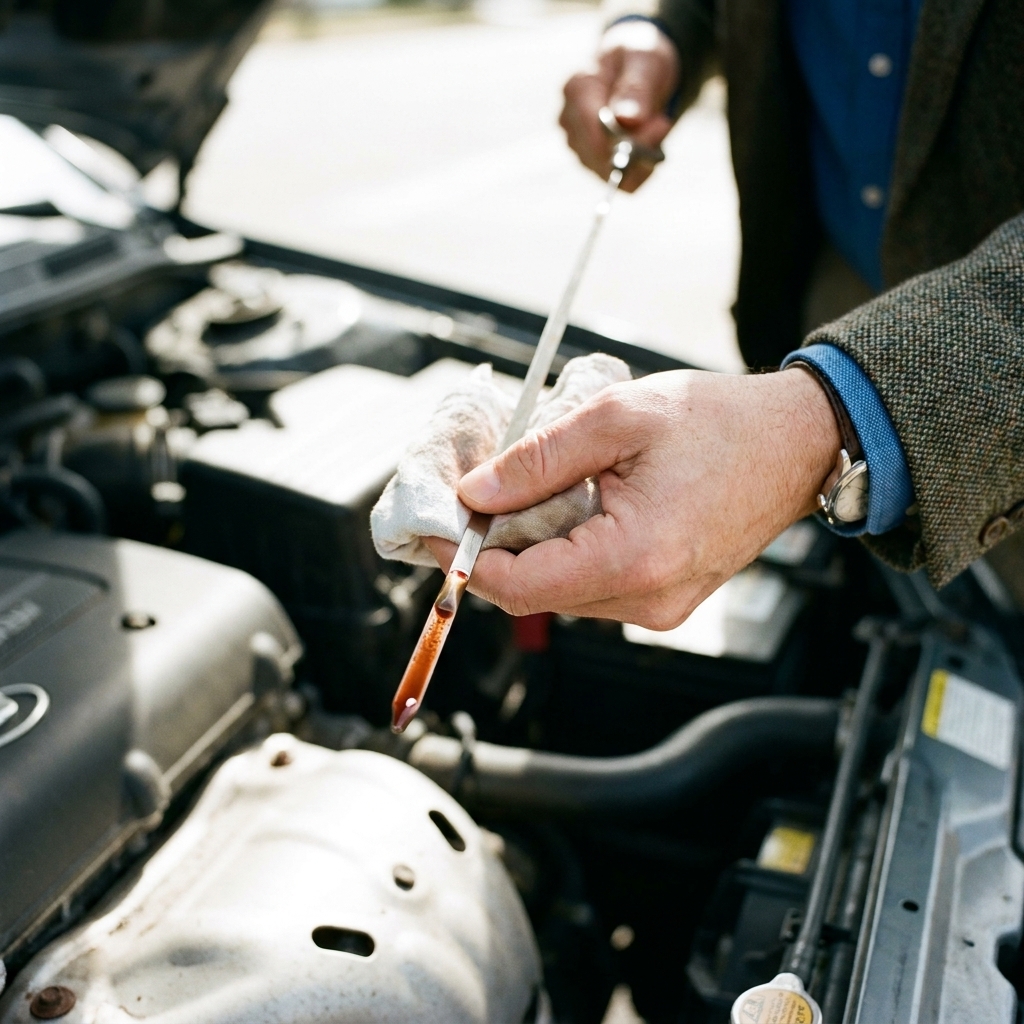
- Look for metallic shimmer in engine oil where you can check it. If the engine has a dipstick, inspect the oil. If it does not, rely on the shop inspection and filter checks.
- Budget honestly: if a “cheap” car needs a $3,500 to $6,000 transmission, it was not cheap.
- Verify recalls and warranty extensions by VIN, especially on known-problem powertrains.
FAQ
Should you avoid any used car after 100,000 miles?
No. Mileage is only one piece of the puzzle. A car with boring, consistent maintenance and a solid powertrain design can be a safer buy at 120k than a neglected problem model at 70k.
What is the biggest warning sign on these cars?
Transmission behavior you can feel. Shuddering, delayed engagement, slipping, and surging are rarely “small fixes” on the models above. Also, any engine knock is a hard no.
If the price is low enough, is it worth the gamble?
Sometimes, if you can afford a worst-case repair without it wrecking your budget. Most shoppers cannot, and that’s exactly why I’m cautious here. A great deal is only a great deal if it stays on the road.
The bottom line
I’m not here to shame anyone’s current car. Plenty of people own these models and get by. But if you’re shopping used and trying to protect your savings, these five are the ones I’d be most careful with once the odometer rolls past 100,000 miles. There are too many better bets out there.
If you’re shopping in this mileage range, do the boring stuff that saves you thousands: run a history report, insist on service documentation, verify recall and warranty status by VIN, and pay for a pre-purchase inspection at an independent shop. The best used-car deals are the ones you can still afford after the first big repair quote.