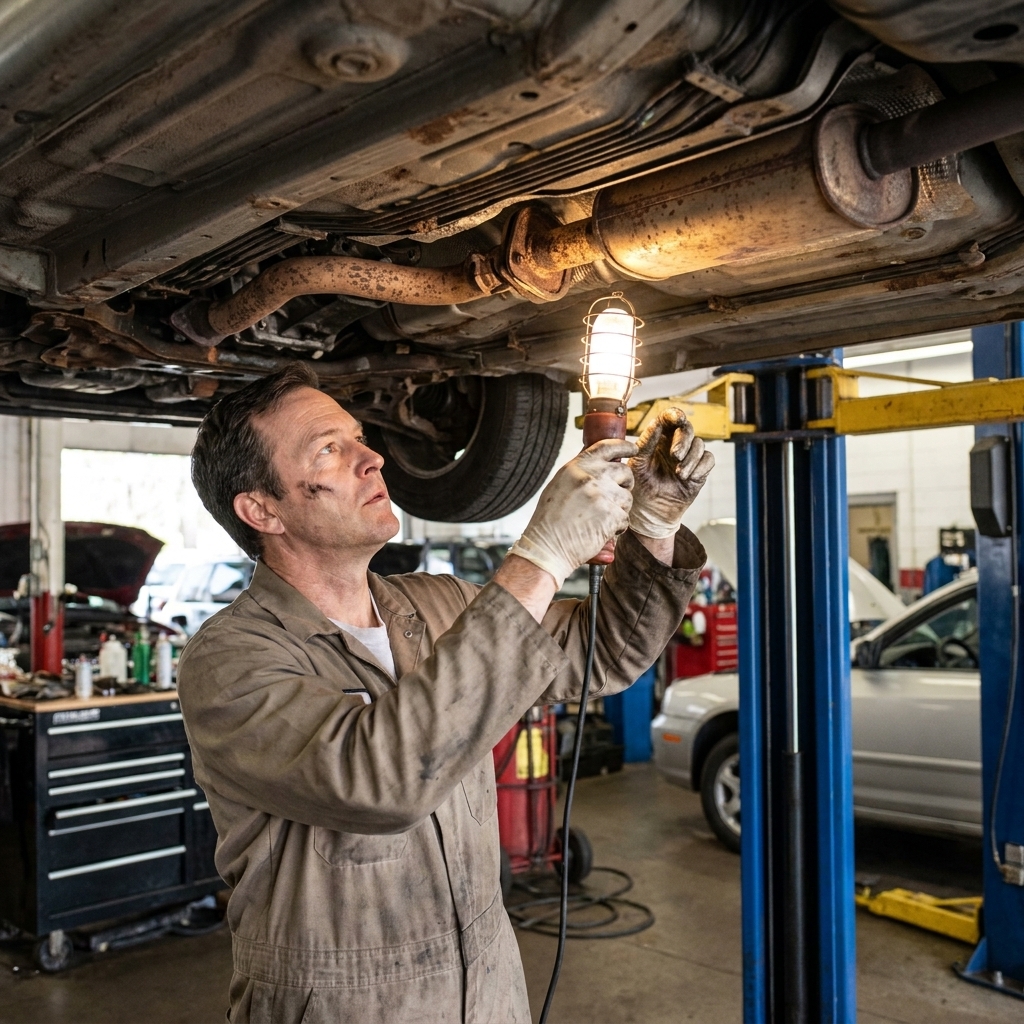
Learn which used cars have the riskiest CVTs, which ones tend to hold up better, and what inspection steps can save you from an expensive transmission failure.
Used Car Buying Guide
Used Toyota RAV4 vs. Honda CR-V (2013-2018): Which Is the Better Buy?
Shopping a used RAV4 or CR-V from 2013 to 2018? Here’s how they compare on reliability, maintenance costs, CVT vs automatic, safety tech, fuel economy, AWD, and resale value.

Ben Sullivan
Ben Sullivan is a former ASE-certified mechanic with over 15 years of experience inspecting, repairing, and appraising used vehicles. He contributes to Car Wise Guide to help everyday buyers navigate the used car market with confidence, armed with the knowledge to spot hidden red flags and negotiate fair prices.
Published October 18, 2026
Updated October 18, 2026
If you’ve narrowed your used compact SUV hunt down to a 2013 to 2018 Toyota RAV4 or Honda CR-V, you’re already doing a lot right. These are two of the most consistently good vehicles I’ve inspected over the years. But they are not identical in how they age, what they cost to maintain, and what kinds of headaches can pop up after 100,000 miles.
I’ll walk you through what matters for real-world used car buying: reliability, routine maintenance costs, common failure points, resale value, and the year-to-year differences that can trip buyers up.
Quick verdict
- Best for low-drama ownership and resale: Toyota RAV4.
- Best for comfort and driving feel: Honda CR-V.
- Best for long highway commutes: Slight lean CR-V for comfort, but it’s close.
- Buying AWD for snow: Both work. Buy the one with proof of AWD fluid service.
Personal note from the shop: The RAV4 can feel a little more truck-like to me, while the CR-V feels more car-like. That’s preference, not a deal-breaker.
Model years covered
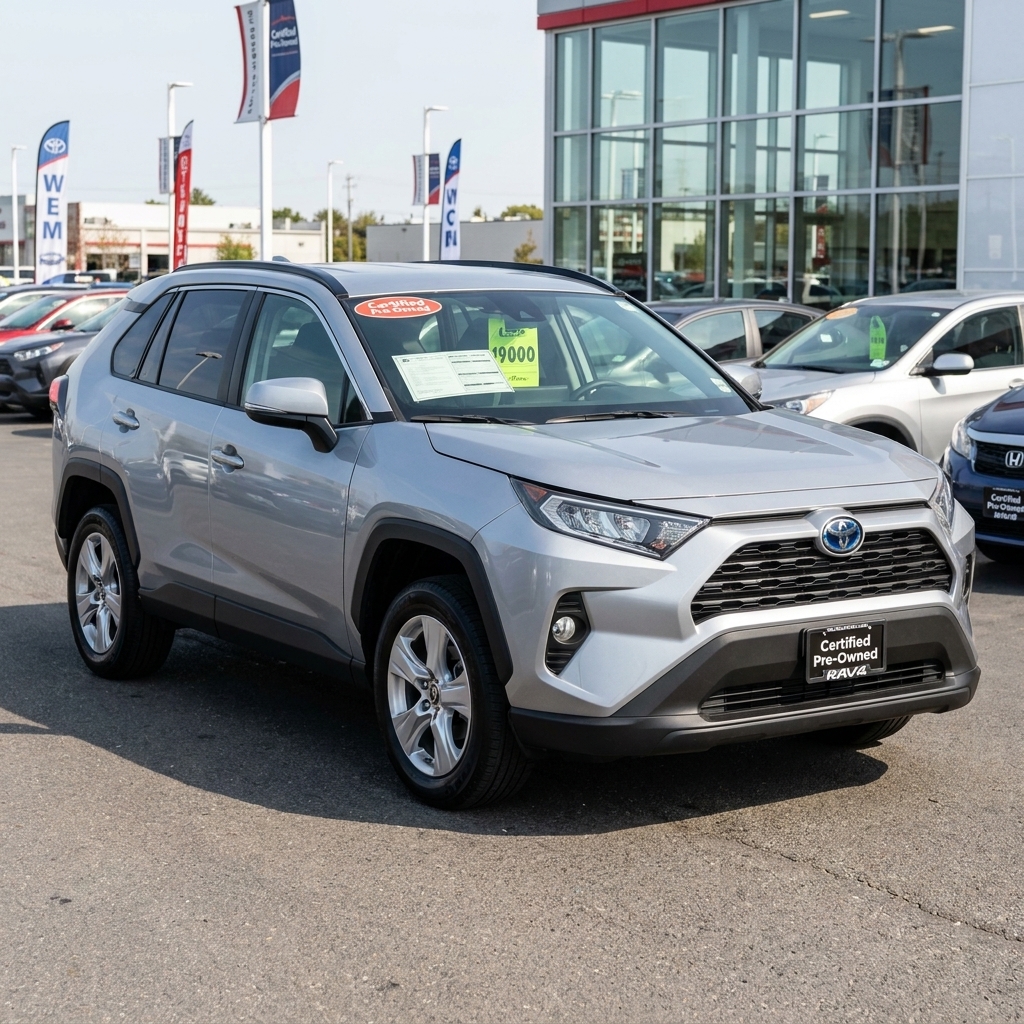
Toyota RAV4: 2013-2018 (4th gen)
This generation is known for being durable and relatively simple. Toyota made updates along the way, including a mid-cycle refresh for 2016 (styling, tech, and safety features improved depending on trim).
Hybrid note: The RAV4 Hybrid was introduced for the 2016 model year. So if you are shopping 2013 to 2015, you will be looking at gas-only. From 2016 to 2018, you may run into hybrids often enough that it is worth considering.
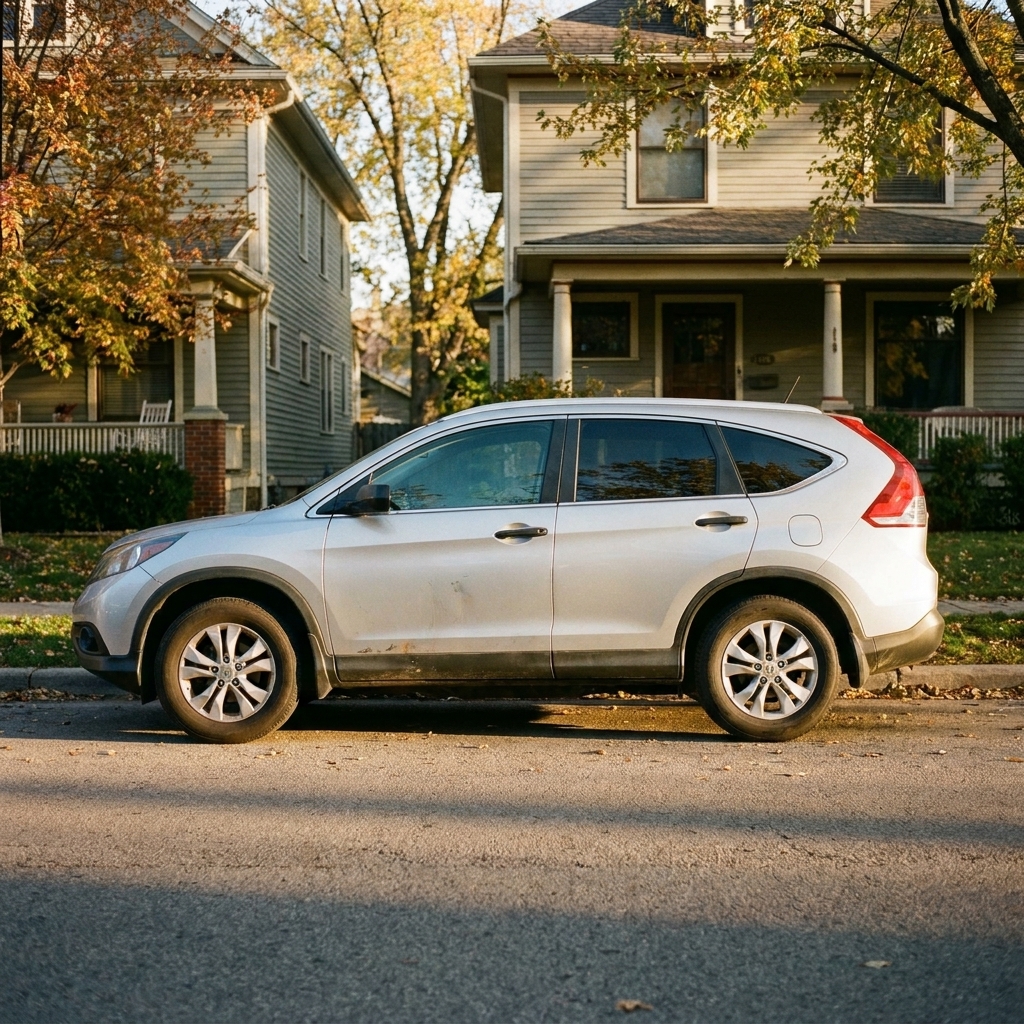
Honda CR-V: 2013-2016 (4th gen) and 2017-2018 (5th gen)
Here’s the big “gotcha” in this comparison: a 2013 CR-V is not the same generation as a 2018 CR-V. The 2017 redesign brought major changes, including a 1.5L turbo engine in most U.S. trims. Depending on trim and market, some 2017-2018 CR-Vs used a naturally aspirated 2.4L instead (more common in certain markets and some base trims), which changes the risk profile a bit.
Powertrain basics
A lot of “which is better” comes down to what is under the hood and what is behind it.
- RAV4 (2013-2018 gas): 2.5L four-cylinder with a conventional automatic transmission. Straightforward, predictable, and generally forgiving.
- CR-V (U.S. 2013-2014): 2.4L four-cylinder with a 5-speed automatic.
- CR-V (U.S. 2015-2016 2.4L): 2.4L four-cylinder with a CVT. A good CVT can last a long time, but it is less tolerant of neglected fluid changes and it feels different on the road than a traditional automatic.
- CR-V (most 2017-2018 U.S. trims): 1.5L turbo with a CVT. More torque down low, more complexity, and more reason to care about maintenance history.
- CR-V (some 2017-2018 non-U.S. or base-trim models): 2.4L without the turbo, depending on market and configuration.
Used buyer takeaway: If you hate the feel of a CVT, you may prefer the RAV4. If you do not mind a CVT, the CR-V can still be a strong buy. Either way, buy the example with the best documentation and the fewest signs of neglect.
Best years to target
If you want the short list before you start calling sellers, this is where I would focus.
RAV4 years to target
- 2016-2018 (gas): Refresh updates, same basic reliable formula. Great “set it and forget it” used buy if records are decent.
- 2016-2018 (hybrid): Best pick here if fuel costs are a priority and you can find one with a clean history.
- 2013-2015: Still solid. I just lean toward 2016+ if prices are close because you often get nicer safety and tech options.
CR-V years to target
- 2015-2016 (2.4L): A sweet spot for many buyers. Practical, efficient, and typically dependable, as long as CVT fluid service is not ignored.
- 2013-2014 (2.4L with 5AT): A good choice if you prefer a conventional automatic and you find a clean one.
- 2017-2018 (1.5T): Buyable, but I get picky. I want strong oil-change history, the right driving pattern, and proof any applicable software updates or campaigns were handled.
Reliability: what I see in the shop
Both vehicles have strong reliability reputations, and in general they earn it. The difference is how they get there and how sensitive they are to neglected maintenance.
RAV4 reliability (2013-2018)
- Strengths: The 2.5L engine and automatic transmission are typically boring in the best way. I see a lot of high-mileage RAV4s with no major powertrain work, just maintenance.
- Where owners get burned: Skipping fluid services (especially transmission and AWD-related fluids) and buying one with a shaky accident history. Mechanically, they are often fine. But I’ve seen plenty with poor-quality body repairs and alignment issues after a crash.
CR-V reliability (2013-2018)
- 2013-2016 (2.4L): Generally very dependable when maintained. Expect normal wear items and occasional suspension work as miles climb.
- 2017-2018 (1.5T, most U.S. trims): The 1.5L turbo can be a solid engine, but it’s less forgiving of short-trip driving, neglected oil changes, and the wrong oil.
- Important 1.5T note (fuel dilution): These model years had widely reported fuel-in-oil dilution complaints, especially with repeated short trips and in cold climates. Honda issued updates and guidance in certain regions. It does not automatically mean “don’t buy,” but I do want to verify any applicable updates were completed and I want to see consistent oil changes. During inspection, I check oil level and condition and ask about driving patterns.
My mechanic’s takeaway: If you want the lowest chance of a surprise repair after purchase, the RAV4 has a slight edge overall, mainly because its core powertrain stays consistent and less complex across 2013-2018.
Maintenance costs
For both the RAV4 and CR-V, your budget is mostly wear-and-tear: tires, brakes, fluids, suspension components, and the occasional battery or alternator as the vehicle ages.
What matters most
- Oil changes: Similar cost range. On 2017-2018 CR-V 1.5T models, oil change consistency matters more than usual because short-trip use can be harder on the oil.
- CVT fluid (CR-V, U.S. 2015+): If it has a CVT, I want proof the CVT fluid was serviced on schedule. A smooth test drive is good, but records are better.
- AWD fluids (both): If it’s AWD, plan on rear differential service and any other AWD coupling or transfer unit fluid service the factory calls for. On Hondas, you may hear it called Dual Pump Fluid (depending on model and system). No proof means you should budget to do it immediately.
- Brakes and tires: Similar. Tire cost swings a lot based on wheel size and whether the previous owner installed bargain tires. I’d rather see mid-grade name-brand tires than the cheapest set available, especially on AWD.
When things get expensive
- RAV4: Not usually hit with frequent big-ticket repairs, but neglect can turn basic fluid service into expensive catch-up work.
- CR-V: On 1.5T models, neglect can get costly faster. On CVT models, old fluid is not something I ignore.
Common problems
Every used vehicle has patterns. None of these issues automatically disqualify a RAV4 or CR-V, but they should change how you inspect, what you budget, and how you negotiate.
Toyota RAV4 red flags
- Accident repair quality: Uneven panel gaps, overspray, mismatched paint texture, and steering pull on a straight road are big ones.
- AWD service neglect: Ask specifically about AWD-related fluid services. If the seller looks confused, assume you’ll be doing it immediately.
- Suspension noise at higher mileage: Clunks over bumps can mean worn sway bar links or struts. Normal aging, but it is negotiating leverage.
Honda CR-V red flags
- 2013-2016 (2.4L): Listen for suspension knocks and check tire wear patterns. Uneven wear often points to alignment issues or worn components.
- 2015+ CVT behavior: On the test drive, look for shuddering, flare, delayed engagement, or a droning that does not match road speed. None of these guarantee a bad CVT, but they are a reason to dig deeper.
- 2017-2018 (1.5T):
- Records and updates: I want consistent oil changes and I want to verify any applicable software updates or campaigns were completed.
- How it was driven: Lots of short trips and long warm-up times can be harder on these than steady commutes.
- How it runs: During the test drive, watch for hesitation, surging, inconsistent idle, or odd drivability quirks.
- A/C performance: Check that the A/C blows cold quickly and stays cold at idle. There have been compressor and condenser-related complaints in this general era, so I treat weak A/C, intermittent cooling, or a recent “recharge” as a serious negotiation point and something to have checked.
- Electronics check: On a pre-purchase inspection I test every window switch, door lock, blower speed, and backup camera behavior. Small stuff adds up fast on a used buy.

Fuel economy
Real-world MPG varies by AWD vs FWD, tire choice, driving style, and maintenance. Directionally:
- RAV4 gas: Typically solid but not class-leading in these years, especially in city driving and with AWD.
- CR-V 2.4L: Often slightly better in day-to-day mixed driving than a comparable RAV4, depending on year and drivetrain.
- CR-V 1.5T: Can be very efficient on the highway when driven gently, but short trips and cold weather can drag results down.
- RAV4 Hybrid (2016-2018): If fuel economy is a top priority, the hybrid is usually the standout. It is the one model here that can noticeably change your fuel budget.
Safety tech
Many buyers choose these SUVs for family duty, so do not gloss over safety features. Availability varies a lot by year and trim.
- Later RAV4s (especially 2016-2018): You are more likely to find Toyota Safety Sense features depending on trim and package, but do not assume it is standard. Verify the exact equipment.
- CR-V: Honda Sensing availability varies by year and trim. On some models it is common, on others it is rare or tied to higher trims.
Practical advice: During the test drive, confirm the features you care about actually work: forward collision warning behavior, adaptive cruise operation, lane-keeping, and backup camera clarity.
Resale value
In most markets, both RAV4s and CR-Vs keep value well compared to other compact SUVs. If you’re thinking ahead to selling in a few years, here’s the practical difference I see:
- RAV4 resale: Usually a slight edge, especially for clean, stock examples with a clear history.
- CR-V resale: Strong as well, particularly on clean, well-optioned trims. The 2017-2018 redesign is popular and can command higher used prices, but buyers can be more sensitive to service history on 1.5T models.
Rule of thumb: Condition and history beat brand. A one-owner CR-V with records will usually be a better buy than a mystery-history RAV4, and vice versa.
Daily driving
Space and cargo
Both are excellent “do-it-all” small SUVs. Seating is practical, cargo areas are useful, and visibility is generally good. Bring your real life to the test drive: install a car seat, load your stroller, or toss your weekly grocery run in the back. You’ll know quickly which layout fits you better.
Ride and noise
In many trims, the CR-V feels a touch more refined on the road. The RAV4 leans more utilitarian, which some buyers prefer because it feels sturdy and simple.
Controls and tech
Tech changes a lot across 2013-2018. Do not assume a newer model automatically has the features you want. Also, be honest about your tolerance for older infotainment. Some systems in this era can feel laggy, have dated Bluetooth behavior, or use clunky menus. Test the basics you will use every day: phone pairing, audio controls, backup camera clarity, and how fast the screen responds.
AWD
AWD is great if you truly need it. But on used compact SUVs, I often see buyers overpay for AWD they rarely use, then skip the extra maintenance AWD adds.
- If you live where it snows: AWD plus good tires is a real advantage. Tires matter more than most people realize.
- If you tow or go off pavement: Neither is a serious off-road SUV, but both handle gravel roads and light-duty tasks well. Just don’t confuse AWD with low-range 4WD.
- Maintenance reminder: Ask for proof that AWD-related fluids were serviced per schedule. If there’s no proof, budget to do them right away after purchase.
What I’d buy
Choose a used RAV4 (2013-2018) if you want:
- The safest bet for long-term, low-drama ownership
- Strong resale with broad buyer demand later
- A simpler powertrain story across the whole 2013-2018 range
Choose a used CR-V (2013-2018) if you want:
- A more car-like driving feel and comfortable cabin
- Great practicality with strong reliability, especially 2013-2016
- A newer design and features if you’re shopping 2017-2018, as long as service history is solid
Most pragmatic advice: Buy the best-maintained example you can find, even if it means traveling a bit or paying slightly more. A clean history and consistent maintenance beats an extra trim package every time.
Inspection checklist
If you’re standing on a lot trying to decide between these two, here’s what I want you to check before you negotiate.
- Cold start: Start it cold and listen. Rough idle, rattles, or smoke is a stop-and-investigate sign.
- Test drive at 25, 45, and 70 mph: Feel for vibrations, steering pull, braking shimmy, and transmission behavior.
- Brake feel: Pulsation suggests warped rotors. A mushy pedal could mean fluid issues or worse.
- Tire wear: Uneven wear hints at alignment or suspension wear. Also check tire brand and age.
- Fluids: Oil level and condition, coolant level, and any obvious leaks underneath.
- Scan for codes: Even if no check-engine light is on, scan it. Pending codes can save you thousands.
- Service records: Look for consistent oil changes and major fluid services (CVT and AWD if equipped). No records means you should negotiate as if maintenance is due now.
If you can, get a real pre-purchase inspection at an independent shop. It’s the cheapest insurance policy you can buy in the used car world.
Bottom line
For 2013-2018 used compact SUVs, the Toyota RAV4 and Honda CR-V are both top-tier choices. If you want the simplest path to long-term reliability and resale strength, I give the edge to the RAV4. If you prioritize comfort and driving refinement, and you’re willing to be picky about maintenance history, the CR-V is an excellent buy.
Pick the vehicle with the cleanest history, the best records, and the fewest signs of neglect. That’s how you avoid the heartbreak of buying a “great model” that was treated poorly.
FAQ
Is the RAV4 cheaper to maintain than the CR-V?
In most cases they’re similar for routine maintenance. The RAV4 often has a slight advantage in surprise-repair frequency. The CR-V can be just as affordable if it’s been serviced consistently, especially CVT fluid on CVT-equipped models.
Should I avoid the 2017-2018 CR-V because it has a turbo engine?
Not automatically. Just be stricter about records and how it drives. Also be aware of the fuel-in-oil dilution concern on some 1.5T vehicles, especially with short-trip use in cold climates. A well-maintained turbo CR-V can be a great long-term vehicle. A neglected one can get expensive faster than an older, non-turbo setup.
Which is better at 150,000 miles?
At that mileage, condition and maintenance history matter more than model choice. If both are equal, I typically trust a well-kept RAV4 slightly more for high-mileage, low-drama ownership.
Which one should I buy if I’m on a tight budget?
Buy the one with proof of maintenance, even if it has a few more miles. A cheaper price on a neglected vehicle is usually the most expensive route.