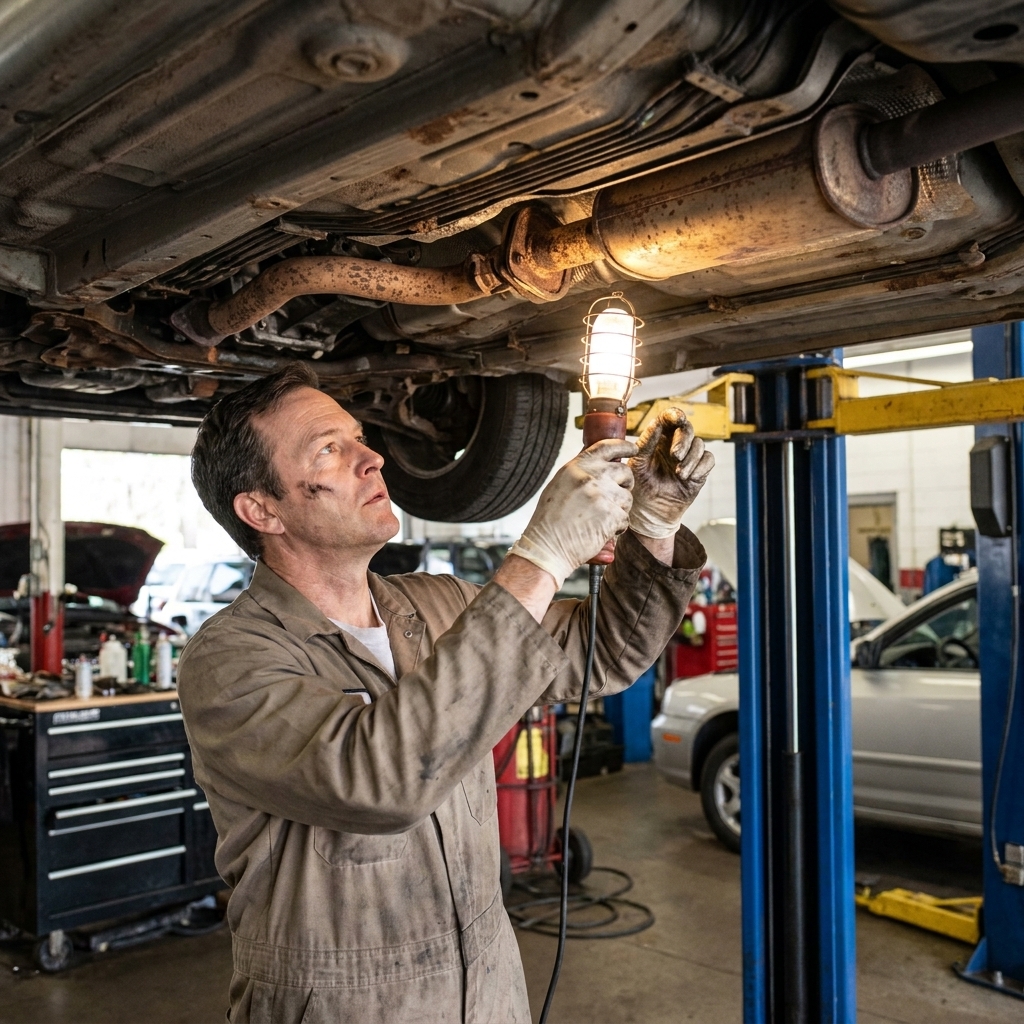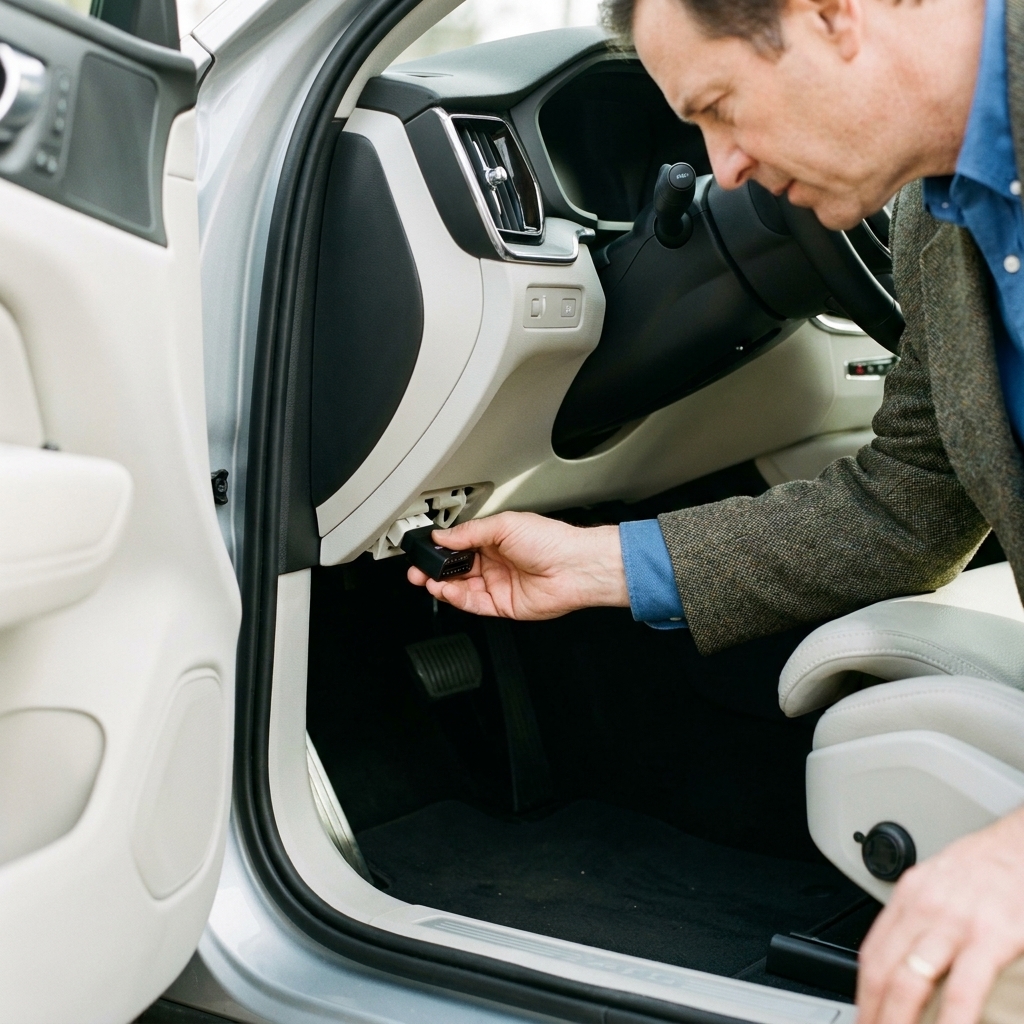
A hands-on test-drive checklist for automatics and manuals, plus a simple OBD-II scan. Detect slipping, rough shifts, hesitation, and fluid red flags before ...
Used Car Buying Guide
CVT Reliability in Used Cars: Years and Models to Avoid
A used-car buyer’s guide to CVT reliability: which models and eras are commonly failure-prone, which ones are safer bets, what to check on a warm test drive, and how to avoid a costly transmission surprise.

Ben Sullivan
Ben Sullivan is a former ASE-certified mechanic with over 15 years of experience inspecting, repairing, and appraising used vehicles. He contributes to Car Wise Guide to help everyday buyers navigate the used car market with confidence, armed with the knowledge to spot hidden red flags and negotiate fair prices.
Published October 18, 2026
Updated October 18, 2026
CVTs (continuously variable transmissions) get a bad reputation because when they fail, they can fail catastrophically and expensively. But here is the truth from the inspection lane: CVT reliability is not one-size-fits-all. Some CVTs are genuinely troublesome in certain models and production windows, while others are perfectly workable if they have been serviced and driven normally.
This guide breaks down the CVT patterns I have seen over and over as a pre-purchase inspection specialist, plus patterns that show up repeatedly in public breadcrumbs like NHTSA complaints, TSBs, warranty extensions, and service campaigns. You will get the setups that deserve extra scrutiny, the ones that are usually safer, and the quick checks you can do before you sign anything.

CVT basics on a test drive
A CVT uses a belt or chain running between variable pulleys instead of traditional gears. The design can deliver smooth acceleration and good fuel economy, but it is picky about three things:
- Heat control (overheating can damage CVTs quickly)
- Fluid condition (wrong fluid or long intervals can cause slip and wear)
- Driving load (heavy vehicles, towing, and aggressive driving raise stress)
When a CVT starts going, you often get a mix of shudder, flare (engine revs rise without matching speed), delayed engagement into Drive or Reverse, whining noises, and overheating warnings. Sometimes you get very little warning and it may suddenly stop moving.
One thing that prevents false alarms: some “rubber band” feel is normal in a CVT, especially when you tip into the throttle and the RPM rises before speed catches up. Also, many newer CVTs do “simulated shifts” under acceleration. That little step-down in RPM can be normal programming, not a failure sign by itself.
What I do not like is excessive flare, repeated shudder on light acceleration, or any delay going into gear once the vehicle is warm.
High-risk CVTs to shop carefully
Every used car is a case-by-case decision. But if you want the short list of “be extra careful” CVTs, these are the usual suspects. The theme is not that every single one fails. It is that the failure stories and replacement cost risk show up often enough that you should demand strong maintenance proof, a clean driving feel, and ideally a pre-purchase inspection that includes scan data.
Important context: the year ranges below are not a scientific cutoff. They are shopping windows based on repeat patterns I see in the field, plus commonly reported themes in complaints, TSBs, and warranty extensions. Treat them like a caution cone, not a precision map. Always verify by VIN, engine, transmission code, and trim, because manufacturers mix drivetrains within the same model year and make mid-cycle changes.
Nissan and Infiniti Jatco (highest caution)
If I had to pick one brand family that created most of the CVT heartbreak I saw, it is Nissan and Infiniti vehicles using Jatco belt driven CVTs from the late 2000s through much of the 2010s. Not every vehicle fails, but the risk profile is high enough that I treat these like “prove it to me” purchases.
How I phrase it in the real world: if it is a Nissan with a Jatco CVT in that era and it has no proof of fluid service, I assume you are buying a transmission story you have not read yet.
- Nissan Altima (CVT models): recurring replacement stories and complaints are most common in the 2007 to 2014 shopping window. Later years can be better, but I still treat 2015 to 2018 as “buy only with records and a great warm drive,” not as an automatic safe zone.
- Nissan Sentra (CVT models): frequent complaints and failure reports cluster around 2007 to 2012 and again around 2013 to 2017, with the usual theme being heat, wear, and expensive fixes.
- Nissan Versa (CVT trims): more caution in late 2000s through mid 2010s CVT equipped trims, especially when the car lived in stop and go heat with no service history.
- Nissan Rogue (CVT models): more caution in 2008 to 2015, and “records required” shopping behavior still applies in 2016 to 2018.
- Nissan Murano (CVT models): more caution in 2009 to 2014, particularly if it was driven hard, ran hot, or has vague history.
- Nissan Pathfinder (2013 to 2015): extra scrutiny because it is a heavier vehicle and early calibrations plus heat can be a rough combo.
Infiniti note (keep it VIN-specific): Infiniti used a mix of conventional automatics and CVTs depending on model and year. Some models and eras that commonly come up in CVT conversations include the QX60 (especially early years) and certain four-cylinder Infiniti sedans. Other Infiniti models and powertrains use conventional automatics. My approach is simple: I treat it like a Nissan-family CVT only after I confirm the exact unit and service history.
Why they are risky: heat management, belt and pulley wear, valve body and control issues, and a long history of complaints and expensive replacements. The cars that do best usually have a boring life, correct CVT fluid, and no history of overheating.
What I look for on these: proof of CVT fluid service, no shudder when warm, clean engagement into gear, and a scan that shows no CVT over-temp history or ratio and pressure control faults.
Jeep Compass and Patriot (specific CVT trims)
These are often overgeneralized, so here is the cleaner version: only certain FWD four-cylinder Compass and Patriot trims used a Jatco-sourced CVT, and the common problem window is mostly the 2007 to 2014 era. Other trims and years used conventional automatics or manuals.
You will hear terms like “CVT2” used online. That label gets messy fast because there were changes and different calibrations. For shopping, I would not argue the nickname. I would confirm the actual transmission application by VIN/build data and then judge the car in front of you.
- Compass and Patriot: be cautious specifically on 2007 to 2014 FWD four-cylinder CVT equipped versions, and verify by VIN because not every one is a CVT.
Why they are risky: similar story to other Jatco applications. Heat, wear, and expensive repair decisions on vehicles that often are not worth sinking a transmission into.
What I look for on these: confirm it is actually a CVT by VIN build data or window sticker, then drive it fully warm and watch closely for shudder and delayed engagement.
Mitsubishi CVTs (older, high-mile risk)
Mitsubishi has used CVTs across multiple generations and engines, and the details vary a lot by year, market, and model. The buyer-beware zone I see most is older, higher-mile Mitsubishi CVT vehicles with unknown service history. These can be fine when maintained, but when they are neglected, you often end up staring at a major repair decision that does not fit the value of the car.
- Lancer and Outlander (CVT-equipped trims): be cautious on many late 2000s through mid 2010s examples when records are thin. This is less about a perfect year cutoff and more about age, miles, and the owner’s maintenance habits catching up.
What I look for on these: documentation of CVT fluid service, consistent driving feel with no hot shudder, and zero excuses like “it just needs a reset.”
Early Subaru Lineartronic (caution, not panic)
Subaru’s Lineartronic CVT can be fine, but I am more cautious on earlier adoption years and on vehicles that were used hard or maintained lightly.
- Outback, Legacy, Forester: extra scrutiny on roughly the 2010 to 2014 era vehicles, especially with high miles and no documented CVT service.
Model-to-model reality: Subaru’s CVT history is not one single story. Some issues in certain ranges were addressed through software updates and, in some cases, valve body related repairs. That does not mean you should buy one blindly. It means you should check the VIN for coverage and confirm that any applicable updates or service campaigns were completed.
What I look for on these: a clean, smooth takeoff when warm, no slipping under steady load on hills, and records that show the owner did not treat the CVT as “sealed for life.”

Reminder: This is a buyer’s risk list, not a guarantee list. I have inspected Nissan CVTs that felt great at 120,000 miles and others that were slipping at 65,000. The difference is often maintenance history, driving conditions, and whether the car was already showing early symptoms that a seller ignored.
Safer CVT picks
If you want a CVT used car that tends to cause fewer sleepless nights, these are the ones I am usually more comfortable recommending, assuming the vehicle is otherwise sound and you verify maintenance.
Toyota eCVT hybrids (very strong record)
Toyota’s hybrid “eCVT” is not the same animal as the belt or chain CVT most people mean. It uses a planetary gearset and electric motor-generators, and it has a strong durability history.
- Generally safe pick: Prius and many Toyota and Lexus hybrids across multiple years
- Big caveat: you are shopping hybrid system health overall (battery, cooling, inverter), not a typical belt-and-pulley CVT failure pattern
Honda CVTs (good overall, verify service)
Honda CVTs have their own service requirements and they do not like neglect, but overall I see fewer catastrophic failures compared to the riskiest Jatco applications.
- Common Honda CVT applications: many Civic models from the mid-2010s onward, many Accord four-cylinder models from the mid-to-late 2010s onward, and some CR-Vs depending on year, engine, and market
- Key point: Honda CVTs are sensitive to correct OEM-spec fluid and reasonable service intervals
Subaru Lineartronic (later years are easier buys)
Subaru improved calibrations and addressed early issues over time. Later models with documented service tend to be more comfortable buys than early ones with mystery history.
Hyundai and Kia IVT (inspect carefully)
Hyundai and Kia use an “IVT” name on some models. I put these in the “inspect carefully” category. The deciding factors are maintenance proof, how it drives right now, and whether the VIN shows any relevant updates, TSB work, or warranty coverage.

How to shop a used CVT
If you remember nothing else, remember this: CVTs can hide problems during a short parking-lot loop. You want a warm test drive, the right feel checks, and paperwork that backs up the story.
1) Records beat mileage
A higher-mile CVT with documented fluid services can be a smarter buy than a low-mile CVT with no records. Many automakers advertised long intervals, but real-world heat and stop-and-go driving are brutal on CVT fluid.
- Look for: invoices showing CVT fluid changes (not just “inspection”)
- Reality check: many CVTs do not have a dipstick, so you often cannot do a quick seller-side fluid check. Records and a shop inspection matter more than promises.
- Service interval guidance: always follow the OEM schedule, but in the real world many shops recommend CVT fluid service roughly every 30,000 to 60,000 miles depending on heat, hills, city driving, and towing.
2) Do a warm drive
CVT issues often show up once fluid is hot. Your test drive should be at least 20 to 30 minutes if possible.
- From a stop: gentle takeoff, then moderate takeoff. Watch for shudder or a slipping feeling.
- Rolling acceleration: at 25 to 45 mph, roll into the throttle. Some RPM rise is normal. What I do not want is repeated flare where RPM jumps and the vehicle does not follow.
- Hill test: a steady climb can reveal overheating or weak torque transfer.
- Engagement check: shift from Park to Reverse to Drive. It should engage promptly without a harsh bang or long delay.
3) Scan it even without a light
A basic code scan is good, but a proper pre-purchase inspection shop can often pull transmission-related codes and sometimes CVT temperature history or CVT-specific data depending on the vehicle.
- Red flag codes: transmission control, pressure control solenoids, ratio errors, over-temp history
4) Know the money side
CVT replacement is often the most expensive single repair a used economy car can need. Many failed CVTs get replaced as a unit, not rebuilt locally, depending on model and shop capability.
- Typical cost range: it is common to see roughly $3,000 to $7,000+ for replacement installed, depending on the vehicle, parts source, and region.
- What drives price: reman or new units cost more than used units, dealer quotes can land above this range, and programming and calibration steps can add cost.
- Why replacement is common: rebuild support can be limited, internal contamination can spread quickly, and some shops prefer complete units for warranty and turnaround time.
- Negotiation reality: if a CVT is even slightly suspicious, the price needs to reflect that risk or you walk.
5) Check VIN coverage and updates
Before you commit, run the VIN through the manufacturer’s recall portal and ask a dealer service department to confirm open campaigns, software updates, and any warranty extensions. In some cases, there may also be extended coverage tied to settlement programs or special policies, and those are VIN-specific too. If the seller cannot explain a missing campaign or cannot provide paperwork for recent transmission work, that is useful information.
6) Do not guess on towing
A lot of CVT vehicles have low tow ratings or no tow rating at all. Do not assume “it can pull a small trailer.” Check the owner’s manual and door jamb ratings for your exact configuration. Towing beyond the rating, or towing without proper cooling, is a fast way to shorten CVT life.
CVT red flags
If you feel any of these during an inspection or test drive, treat it like a serious warning, not a minor quirk.
- Shudder on light acceleration (often feels like driving over small rumble strips)
- Delayed engagement going into Drive or Reverse
- RPM flare where revs jump but speed does not rise smoothly
- High-pitched whining that changes with throttle
- Burnt smell after driving, or evidence of overheating
- Recent transmission fluid change with no explanation (sometimes done to mask symptoms right before selling)
- Seller says “it just needs a reset” or “it is a known sensor” without paperwork
If the car has a CVT
You do not have to automatically avoid a CVT car. You just have to buy it like someone who respects what a CVT repair can do to your finances.
- Step 1: Choose the best reliability track record you can (brand and year matter, but service history matters too).
- Step 2: Demand maintenance proof, especially CVT fluid service.
- Step 3: Take a long test drive and replicate the conditions you will actually drive in.
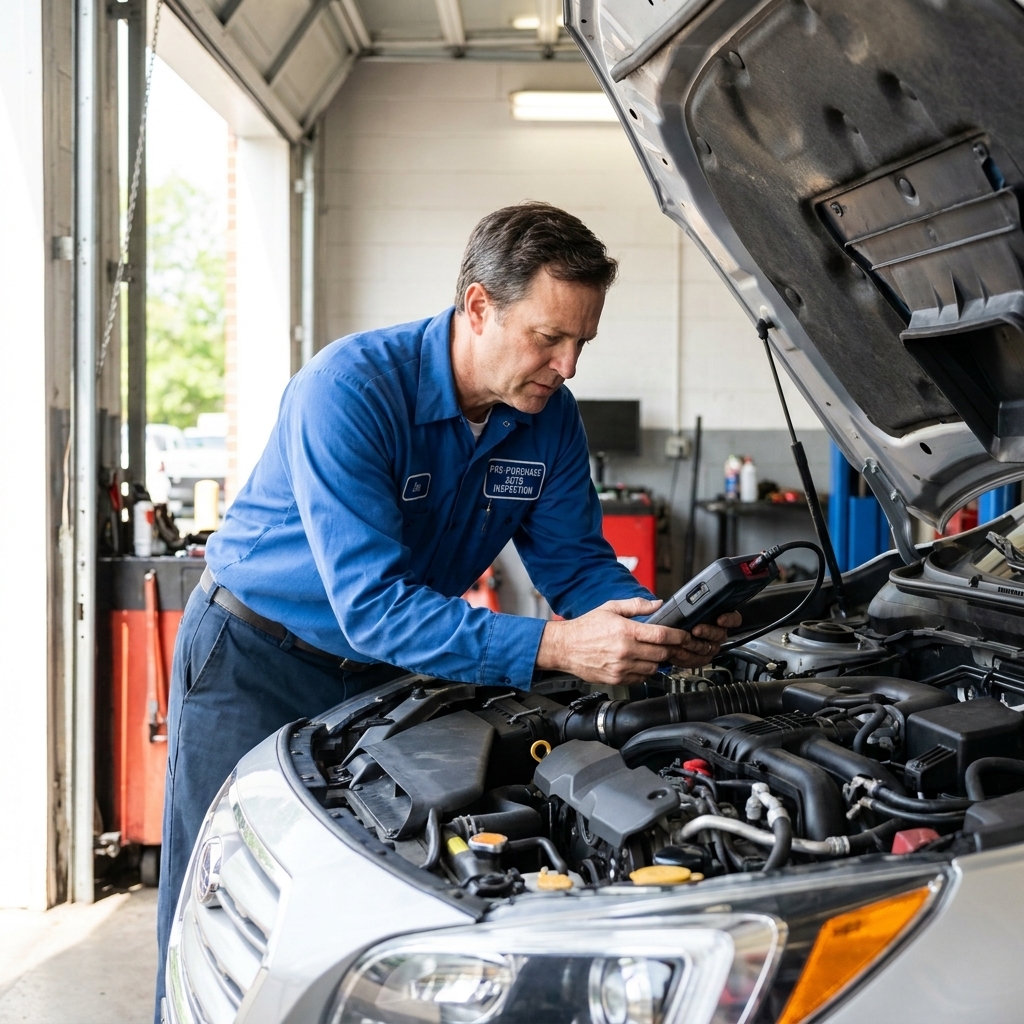
- Step 4: Pay for a pre-purchase inspection from a shop that sees lots of CVTs.
- Step 5: If anything feels off, do not hope it is fine. Either negotiate with clear justification or walk.
FAQ
Are CVTs unreliable by design?
No. They are more sensitive to heat and fluid condition than many traditional automatics, and some designs and model windows have genuinely poor track records. Others, especially Toyota’s hybrid eCVT systems, are known for strong longevity.
How long should a CVT last?
It depends heavily on the design, vehicle weight, driving conditions, and maintenance. In the real world, a well-maintained CVT can run well past 100,000 miles, but failure risk climbs quickly on neglected units or on historically problem-prone applications.
Can a CVT be serviced to prevent failure?
Fluid service helps a lot. It is not magic, and it cannot undo internal wear that is already happening. But correct OEM-spec fluid and sensible intervals are one of the few levers you can pull to improve odds.
Is it safe to buy a used Nissan with a CVT?
Sometimes. I would only do it with (1) solid service records, (2) a long test drive with zero warm shudder or hesitation, and (3) a clean inspection with scan data. If the price is not meaningfully better than a less risky alternative, I usually recommend choosing the alternative.
What is the single best CVT safe bet?
If you are open to hybrids, Toyota’s eCVT-equipped models like the Prius have an excellent reputation. You still need to evaluate overall hybrid health, but the typical belt-driven CVT failure story is not the same there.