Don’t fall for a shiny detail job. Use this thorough test drive checklist to catch transmission issues, suspension clunks, brake vibrations, alignment prob...
Used Car Buying Guide
Toyota Tacoma vs. Chevy Colorado (Used): Which Midsize Truck Wins?
A straight-shooting used-buyers comparison of the Toyota Tacoma vs. Chevy Colorado, covering reliability, resale value, payload and towing, and the key issues to check before you buy.

Ben Sullivan
Ben Sullivan is a former ASE-certified mechanic with over 15 years of experience inspecting, repairing, and appraising used vehicles. He contributes to Car Wise Guide to help everyday buyers navigate the used car market with confidence, armed with the knowledge to spot hidden red flags and negotiate fair prices.
Published October 18, 2026
Updated October 18, 2026
If you're shopping used midsize trucks, this matchup comes up constantly for a reason. The Toyota Tacoma has a reputation for running a long time and holding value as well as, and often better than, most trucks in the class. The Chevy Colorado usually shows up with a lower asking price, a more modern feel in certain years, and on paper it can offer serious capability for the money.
I've inspected a lot of both. Here's the honest takeaway: a Tacoma is often the safer long-term bet, but you pay for that safety up front. A Colorado can be a smart buy if you pick the right year, drivetrain, and condition, and if you're realistic about long-term ownership costs and a few known trouble spots.
Quick verdict
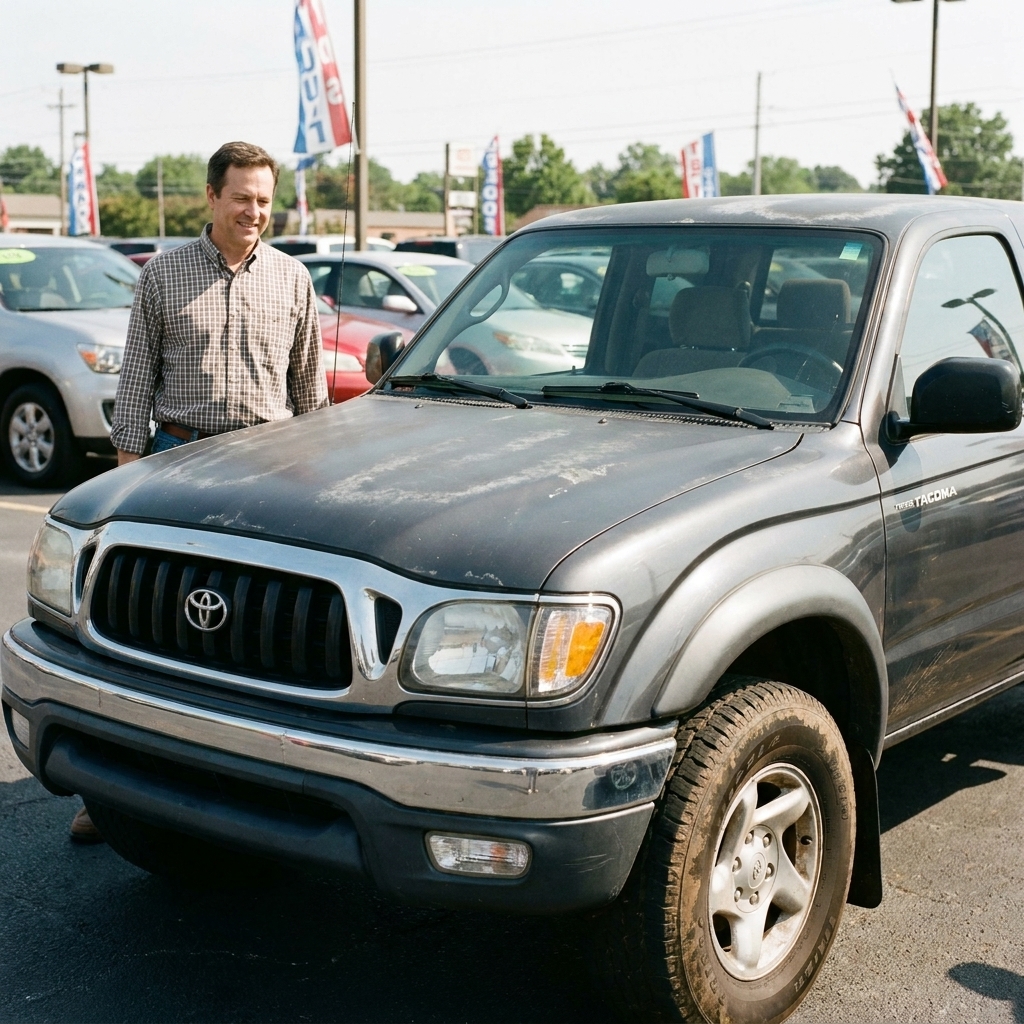
- Buy a used Tacoma if you want the best odds of low-drama ownership, strong resale value, and you're okay paying more for an older truck with more miles.
- Buy a used Colorado if your budget is tighter, you want more features for the price, you routinely carry heavier loads, or you're targeting a specific engine that fits your driving and towing needs.
Reputation helps, but condition wins every time.
Pricing and resale
Tacoma: Tacoma prices tend to feel stubborn, even for higher mileage examples. That's frustrating on the shopping side, but it can be great on the ownership side. Keep it maintained and keep rust away, and you typically lose less money over time than most trucks. As a general trend, resale studies from outlets like Kelley Blue Book, Edmunds, and iSeeCars often place Tacoma near the top for value retention, but exact rankings and results change with model year and market.
Colorado: Used Colorado pricing is often friendlier, especially if you're comparing similar configurations. In a lot of areas, you can step into a newer Colorado for the same money as an older Tacoma, but that depends heavily on cab, bed, 4WD vs 2WD, engine, trim, and even region.
Compare apples to apples: Before you call one a “better deal,” match the basics:
- Cab and bed (crew cab short bed vs extended cab long bed pricing can flip fast).
- 4WD vs 2WD (4WD is usually the big price multiplier).
- Engine and tow package.
- Mileage, rust history, and accident history.
My practical advice: If you're going to keep the truck 8 to 10 years, the Tacoma premium can make sense. If you're keeping it 2 to 4 years, the cheaper entry price of a Colorado can be the smarter financial move, as long as you buy a good one and don't get buried in repairs.
Reliability and long-term ownership
Tacoma reality check
Tacomas earn their reputation, but no used truck is magical. What I see most often on used Tacomas isn't catastrophic engine failure. It's neglected maintenance, aging suspension parts, and rust that's been ignored until it gets expensive.
- Strengths: Proven drivetrains, strong parts availability, excellent long-term durability when maintained.
- Common age and mileage needs: shocks and struts, control arm bushings, wheel bearings, brakes, serpentine belt, cooling system service, and fluid changes owners skipped because “it runs fine.”
Colorado reality check
Colorado reliability depends heavily on generation, powertrain, and how it was used. A well-maintained Colorado can be a solid truck, but I see more examples where little issues stack up: sensor problems, cooling leaks, and electrical glitches like infotainment issues or intermittent warning lights that trace back to poor maintenance, hard use, or neglected battery and ground connections.
- Strengths: Often better feature content for the money, strong capability, comfortable daily driving in many trims.
- Watch-outs: Powertrain and transmission behavior varies by year and engine. Pay extra attention to service records and how it drives when fully warm.
Bottom line: If you want the highest probability of a boring ownership experience, Tacoma usually has the edge. Colorado can still be a good choice, but it rewards careful shopping more than brand loyalty.
By generation
If you're wondering why people keep saying “pick the right year,” this is why. None of these are guarantees, but these are the patterns I’d investigate first before I got serious on a specific truck.
Tacoma
- Older Tacomas in salt states: Put frame and underbody condition at the top of your list. Toyota addressed frame corrosion on some older model years through programs and campaigns. What matters today is what's on the truck in front of you: rust, repairs, and whether it's been maintained and protected.
- 2016 and newer (third gen): Great trucks, but some owners report gear hunting or awkward shift logic. On a test drive, pay attention to light throttle behavior, rolling hills, and how it behaves at highway speeds. If it feels confused, it might be normal for that calibration, or it might be an update or maintenance issue. Either way, you should know before you buy.
Colorado
- First gen (mid-2000s to early 2010s): These can be honest work trucks if they've been cared for, but age-related leaks, front-end wear, and neglected maintenance are common. Condition matters more than the badge here.
- Second gen (mid-2010s into early 2020s): Strong value, but pay attention to transmission behavior. Shudder or harsh shifting is commonly reported in some 8-speed automatic applications, especially once fully warmed up. Don't let anyone sell you “they all do that” without proof of service and a drive that feels right.
- Duramax diesel (where equipped): Great torque and highway manners. Just remember this is a modern emissions-equipped diesel. Lots of short trips and long idle time can be hard on emissions components like the DPF, EGR, and DEF system. If the previous owner commuted short distances, ask more questions and scan for related codes.
Capability
A lot of buyers get fixated on tow ratings. In daily life, payload is often the number that matters more because it includes passengers, gear, bed weight, and trailer tongue weight.
Payload
Colorado: Colorado often pencils out better on payload, depending on configuration, and lots of used buyers notice it when they start comparing door-jamb stickers. As a very rough ballpark, many midsize trucks often land somewhere around 1,200 to 1,600 pounds of payload depending on cab, drivetrain, options, and trim, but outliers exist. The sticker is the only number that matters on the exact truck you're buying.
Tacoma: Tacoma payload can be more modest than people expect, especially on certain trims and configurations. It's still a truck, but it isn't always the best choice if you load it heavy all the time. Check the door sticker, because two “similar” Tacomas can have very different payloads.
Towing
Both can tow a lot for a midsize truck when properly equipped. As a broad range, many configurations fall roughly in the 3,500 to 7,000 pound neighborhood, but some trims will be lower and some will be higher, and exact ratings swing hard based on engine, axle ratio, 2WD vs 4WD, cab, and package. Focus on how the truck tows, not just what it's rated for.
- Check for trailer brake controller wiring, hitch condition, and signs of heavy towing such as overheating history or transmission shudder.
- On the test drive, pay attention to shift quality and engine temperature stability on grades.
Off-road use
If you're looking at an off-road oriented trim, inspect it like it's lived a hard life even if it looks clean.
- Look underneath for skid plate damage, crushed pinch welds, dented fuel tank area, and torn CV boots.
- Look for mismatched tires, bent wheels, and uneven alignment wear.
Engines and transmissions
I'm going to keep this practical. The “best” engine is the one with maintenance records and a clean pre-purchase inspection. Still, some patterns show up repeatedly.
Tacoma
- V6 models: Usually the safest all-around choice for mixed driving and occasional towing. On the road test, watch for gear hunting during light throttle or on grades, and make sure recalls and software updates have been handled where applicable.
- 4-cylinder models: Often fine as commuters and light-duty trucks, but they can feel strained if you add bigger tires or tow regularly.
Colorado
- Gas engines: Many are perfectly serviceable, but your test drive matters. Listen for valvetrain noise (ticking on cold start), check for coolant smell, and evaluate transmission shift quality when fully warm.
- Diesel models (where applicable): Great for torque and cruising, but maintenance and emissions components can be expensive. If your life is mostly short trips, a modern emissions diesel can become a headache. If you do longer highway drives and tow, it can be a strong fit.
Cab and daily driving
Tacoma: Tacomas can feel truck-like, even in nicer trims. Seating position and ride comfort are subjective. Some people love the tough feel, others find it tiring on long drives. Road noise can be higher than expected in some years.
Colorado: Many buyers cross-shop Colorado because it can feel more modern and comfortable in certain generations and trims. If this will be your daily driver first and a truck second, Colorado can win you over quickly.
Quick cab and bed note: Crew cabs and 4WD tend to cost more used, ride a bit differently, and can change payload and towing numbers. Longer wheelbase trucks can feel more stable towing, but they can be less convenient in tight parking. Buy the layout that fits your real life.
My advice: Take a real test drive. Not a 7-minute loop. Get it up to highway speed, hit rough pavement, do a few tight parking lot turns, and see how the seat feels after 20 to 30 minutes.
Red flags
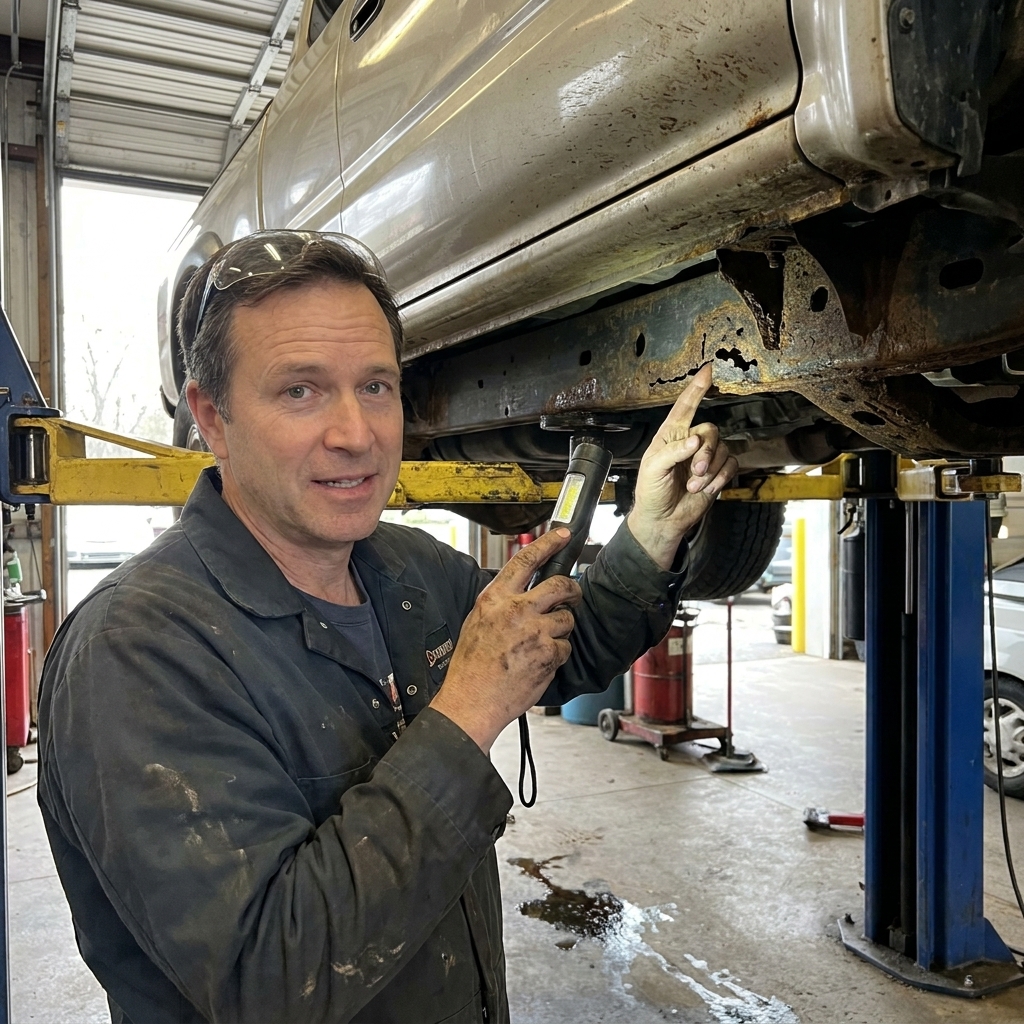
Rust and frame
- Inspect the frame rails, crossmembers, and spring perches.
- Look for flaky scale, fresh undercoating hiding rough metal, and mismatched hardware that suggests recent patchwork.
- Check brake and fuel lines for corrosion.
Hard use
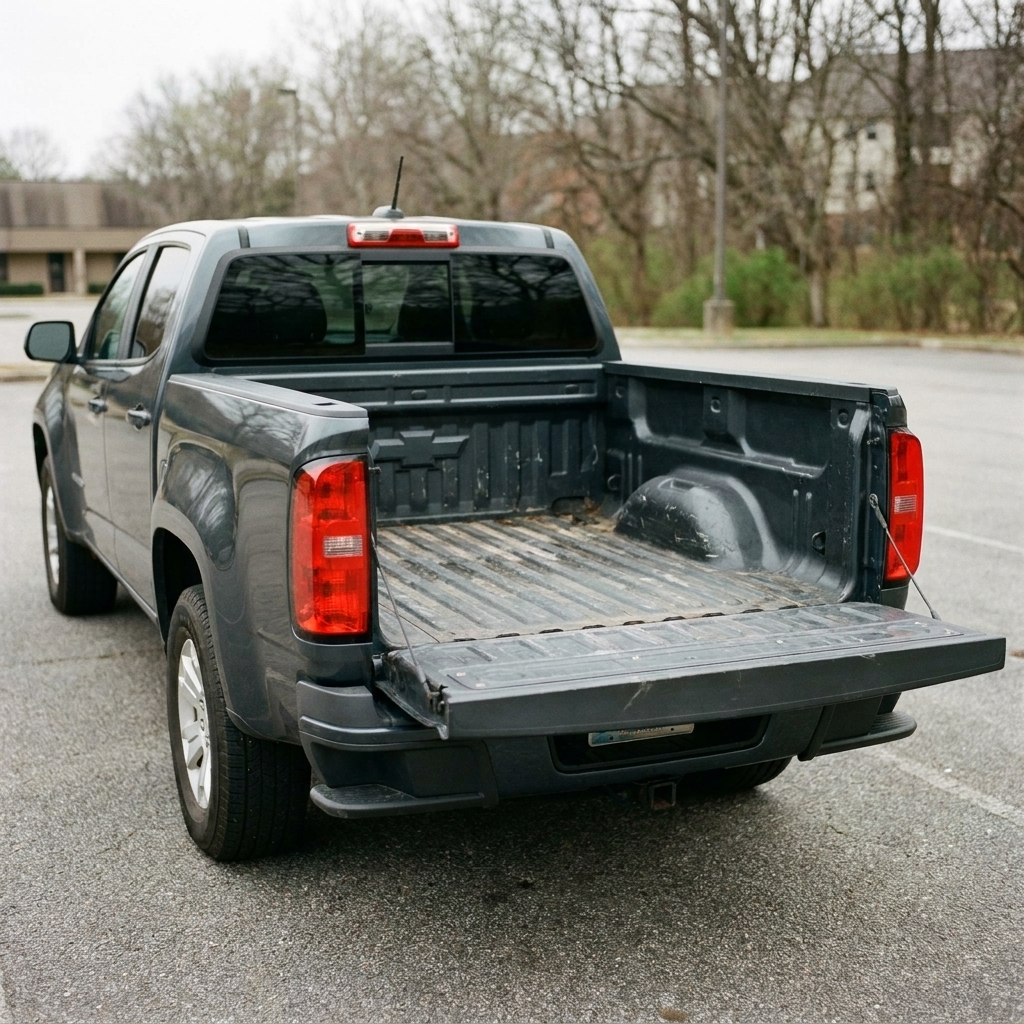
- Bed damage, bent hitch, or cracked receiver welds.
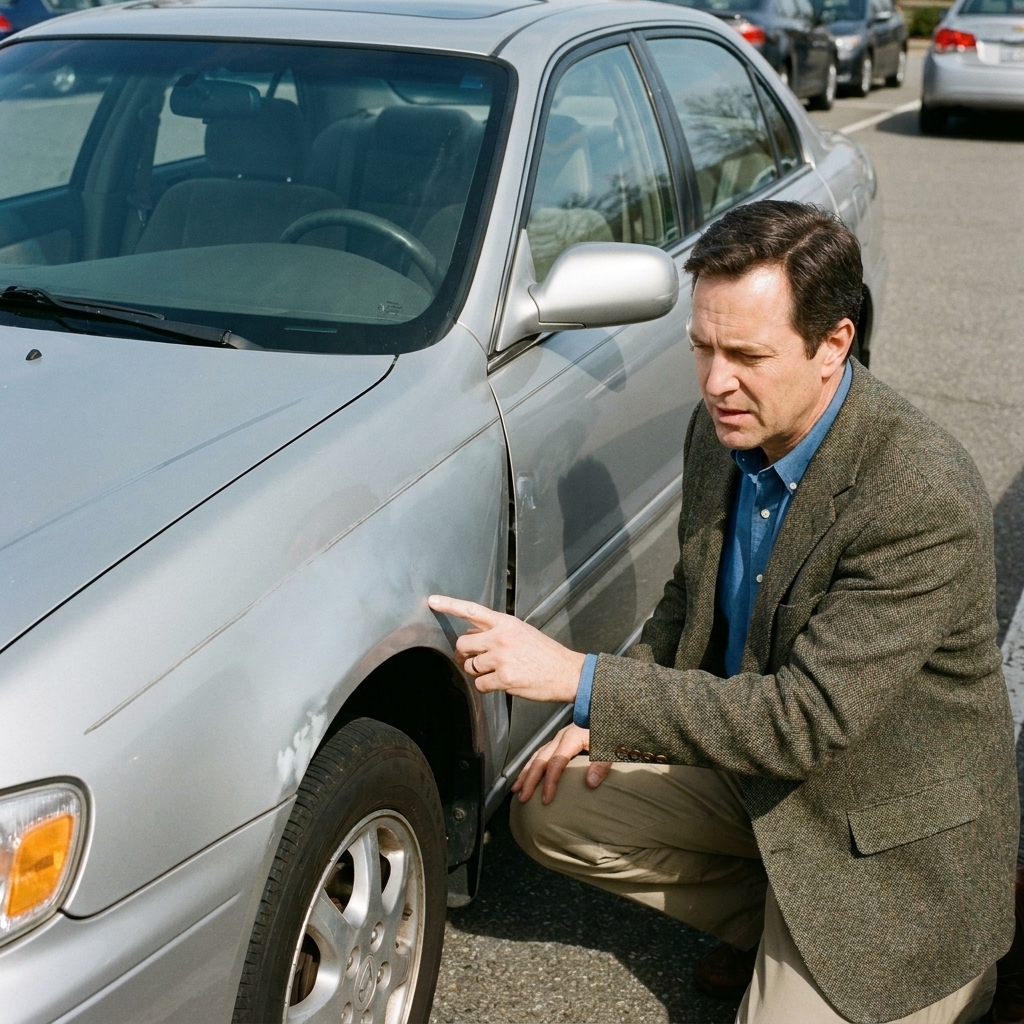
- Uneven tire wear that suggests alignment issues or worn front-end parts.
- Burnt or overheated transmission fluid smell after a long test drive.
4WD health
- Engage 4HI and 4LO on a loose surface if possible.
- Listen for binding, grinding, or delayed engagement.
- Check CV boots for grease sling and torn rubber.
Paperwork
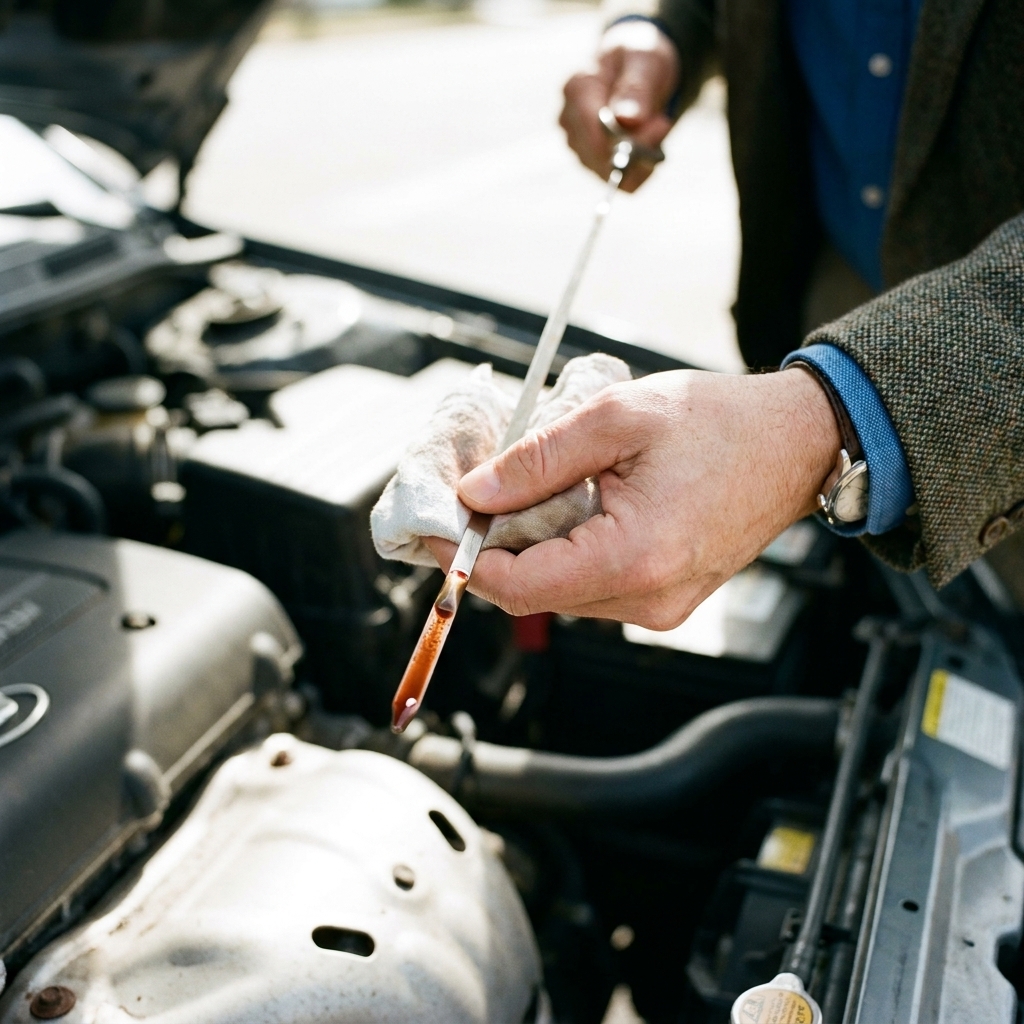
- Service history: Oil changes, transmission service if recommended for that powertrain, coolant service, differential and transfer case fluids.
- Recalls: Ask for proof of completion.
- Title history: Avoid salvage, flood, and rebuilt unless you truly know what you're doing and the price reflects the risk.
Which Tacoma to shop
Instead of obsessing over trim names, focus on configuration and condition.
- Best for most buyers: A clean-history Tacoma with documented maintenance, stock tire size, and no rust issues.
- Be cautious with: Lifted trucks with unknown parts, oversized tires without gearing changes, and anything with fresh undercoating but no photo history of the frame.
If you want maximum resale value later, staying close to stock and keeping records is the easiest way to protect your money.
Which Colorado to shop
A Colorado can be a value play, but you've got to be picky.
- Best for value: A one or two owner truck with consistent service records, clean transmission behavior when fully warm, and no cooling system issues.
- Be cautious with: Trucks with warning lights recently cleared, rough shifting a seller calls normal, and evidence of heavy commercial use if you're looking for a long-term personal vehicle.
If you find a Colorado that's been babied, it can be one of the best bargains in midsize trucks.
Ownership costs
With both trucks, your biggest cost drivers are tires, brakes, suspension wear, and deferred maintenance from the previous owner.
- Tacoma: You might pay more up front, but you often get more back later. Parts availability is strong and independent shops know them well.
- Colorado: You can save thousands on purchase price. That savings should leave room in your budget to catch up on maintenance and handle the occasional repair without stress.
Buying checklist
- Run a history report and match it to physical clues. Reports miss things. Your eyes won't.
- Test drive at least 30 minutes with city, highway, and tight turns. Make sure you evaluate it fully warm.
- Scan for codes even if the dash is clear. Pending codes matter.
- Check the payload sticker on the driver’s door jamb. For towing, verify the truck’s actual configuration and use the manufacturer’s tow info for that model year.
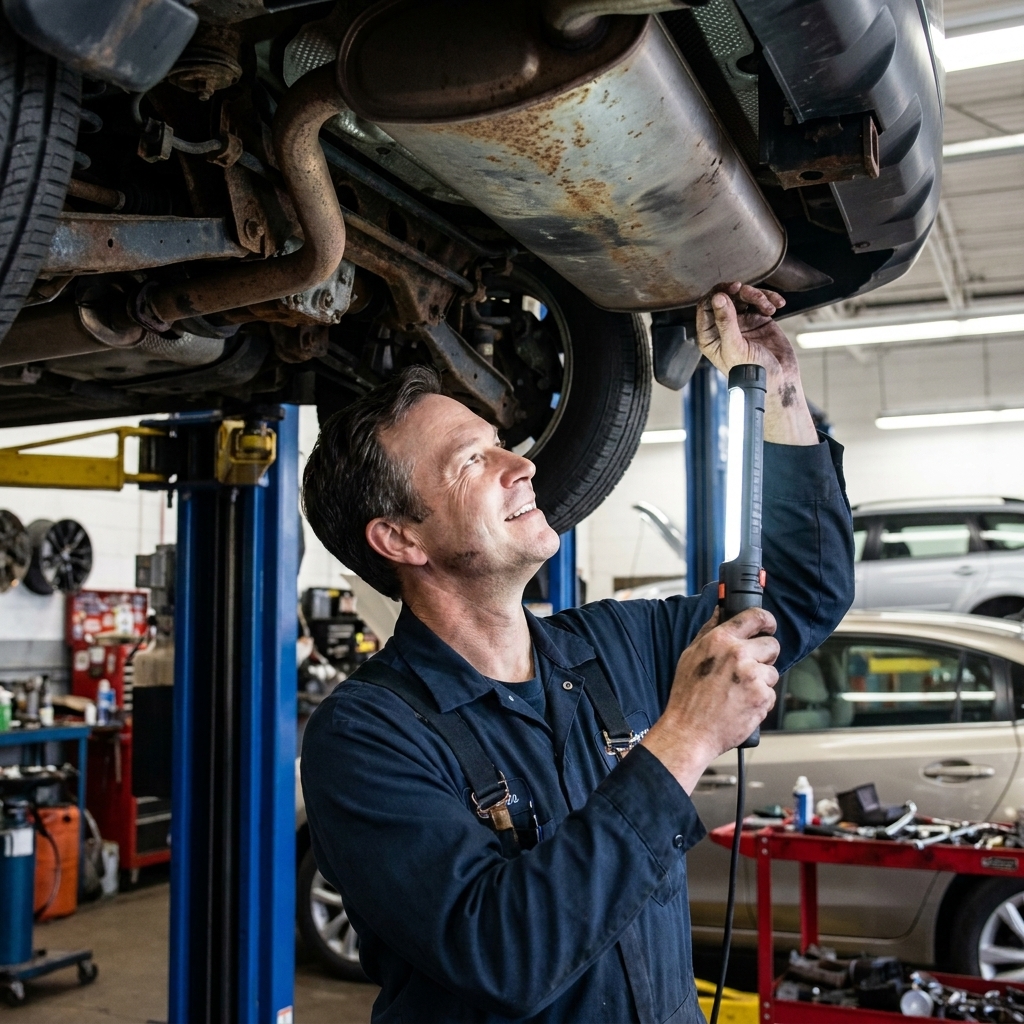
- Get underneath or pay someone who will. Frames, leaks, and suspension wear live down there.
FAQ
Is a Tacoma always more reliable than a Colorado?
On average, Tacoma has the stronger long-term track record. But a well-maintained Colorado can absolutely outlast a neglected Tacoma. Condition, maintenance, and rust history decide it on the used market.
Why are used Tacomas so expensive?
Resale value is driven by reputation, demand, and limited depreciation. People trust Tacomas, so they pay for them. The upside is you usually recover more of your money when you sell.
Which is better for payload and hauling?
Colorado often has an edge in payload depending on configuration. The only number that matters is the payload sticker on the driver’s door jamb of the exact truck you're buying.
What’s the number one thing to check?
Rust and underbody condition, especially if the truck has lived where roads are salted. A shiny paint job won't save a rusty frame.