Don’t fall for a shiny detail job. Use this thorough test drive checklist to catch transmission issues, suspension clunks, brake vibrations, alignment prob...
Used Car Buying Guide
Test Driving at a Dealership vs. Private Seller: What to Expect
Dealership and private-seller test drives feel very different. Here’s what to expect with insurance, routes, ID requirements, paperwork, and pressure so you can stay in control.

Ben Sullivan
Ben Sullivan is a former ASE-certified mechanic with over 15 years of experience inspecting, repairing, and appraising used vehicles. He contributes to Car Wise Guide to help everyday buyers navigate the used car market with confidence, armed with the knowledge to spot hidden red flags and negotiate fair prices.
Published October 18, 2026
Updated October 18, 2026
Test drives are where the truth shows up. But the experience can feel totally different depending on whether you’re driving a car from a dealership lot or meeting a private seller in a grocery store parking lot.
I’ve done a lot of pre-purchase inspections, and I can tell you this: the best test drive is the one where you control the pace, you know the ground rules, and you’re not getting rushed or guilted into a decision. Let’s walk through what to expect in both scenarios, including the paperwork, the insurance reality, and the pressure factor.
The big differences
- Dealership: More formal process, more paperwork, often some level of business insurance involved, and usually more sales pressure.
- Private seller: Less formal, more flexible routes, but higher personal risk if something goes wrong and more responsibility on you to verify everything.
Neither option is automatically better. The right one depends on your comfort level, your preparation, and how willing the other party is to keep it straightforward.
Dealership test drives
ID, check-in, and insurance
Many dealerships will ask for:
- A valid driver’s license
- Your phone number and basic contact info
- Sometimes proof of insurance, sometimes not
Here’s the honest reality: many dealerships carry a garage policy that may apply to test drives, but coverage is not universal and the details can vary a lot by state, carrier, and dealer policy. In some situations, the dealer’s policy may be primary. In others, your own policy could come into play. Some dealers also have rules tied to who’s in the car or whether a salesperson is present.
If you’re unsure, ask directly: “Am I covered under your policy during the test drive, and is there a deductible I could be responsible for if something happens?”
Who rides with you
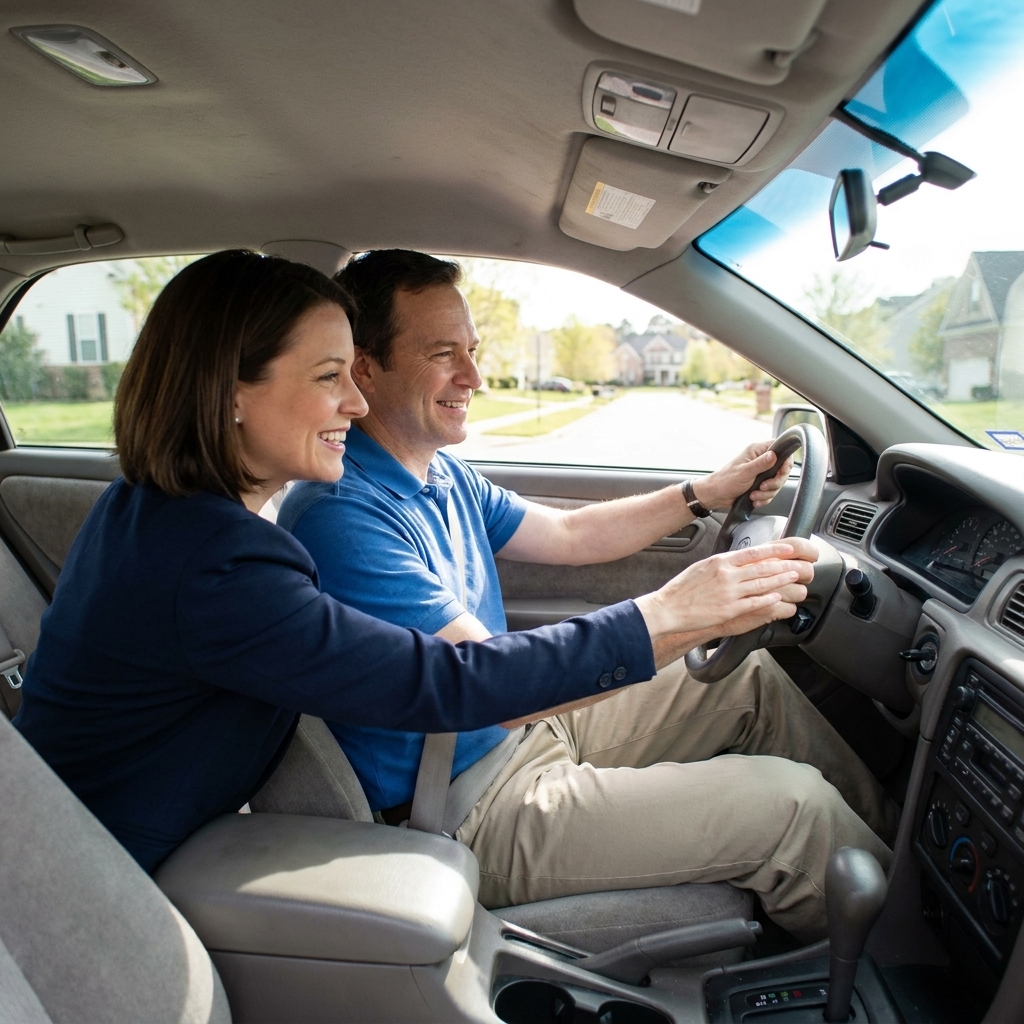
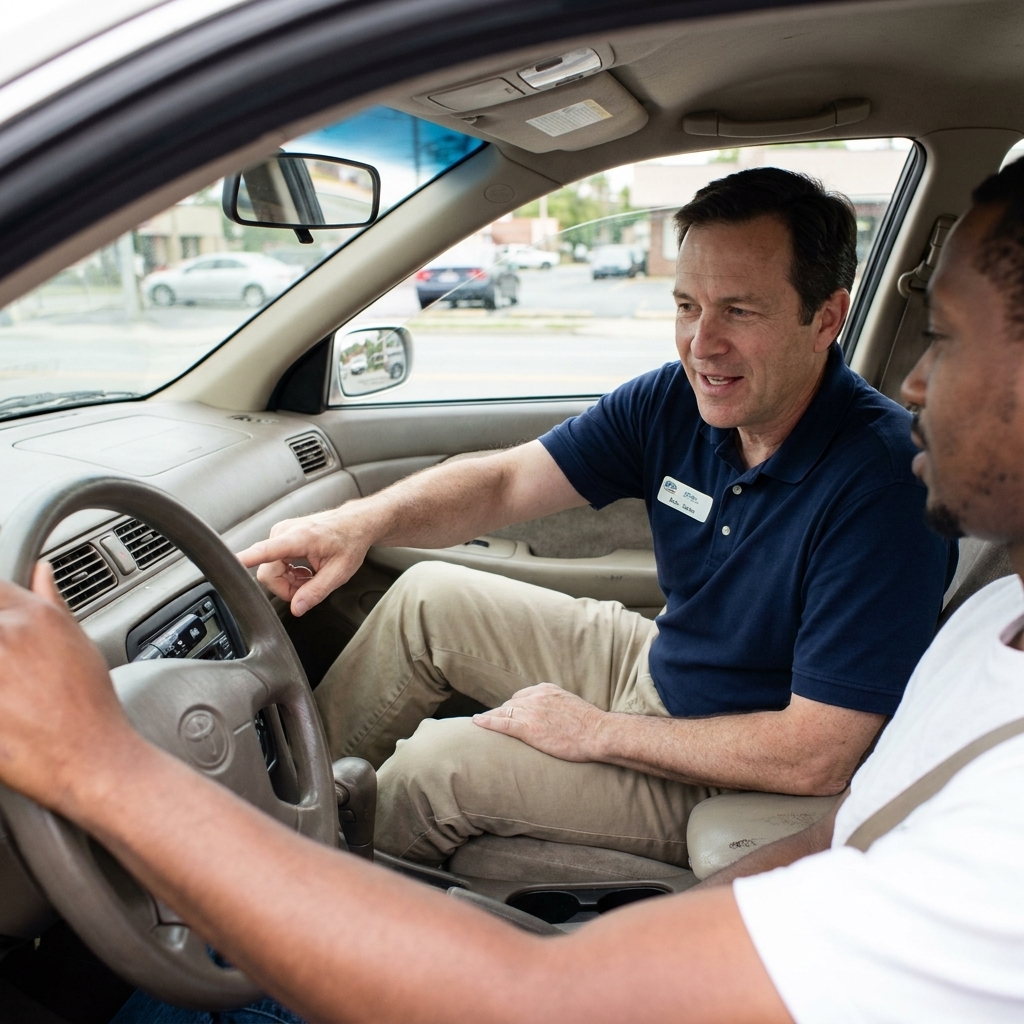
Often a salesperson comes along. Sometimes they’ll let you go solo if you seem serious and their policy allows it, but don’t count on it. If a salesperson rides with you, it’s not automatically a bad sign. Just understand it can change the vibe, and it can make it harder to listen for noises or concentrate.
Route and time
Many dealerships have a standard loop and a time window, like 10 to 20 minutes. That loop may or may not include the roads you need to evaluate the car properly.
If you want a real evaluation, you want at least:
- Some city streets (stop-and-go)
- A sustained stretch at higher speed (ideally 55 to 70 mph if it’s legal and safe)
- At least one rough patch of road (to listen for suspension clunks)
- A safe, straight, low-traffic spot for a firm brake application
If their loop doesn’t include that, ask. A reasonable dealer will work with you.
Also: keep it safety-forward. This is not the time for hard launches, turning off traction control, or trying to “see what it’ll do.” You’re checking for normal behavior, not stress-testing the car.
Trade and payment talk
Dealers love using the test drive to start the deal emotionally. Expect questions like:
- “What monthly payment are you trying to be at?”
- “How much do you want for your trade?”
- “If it drives well, are you ready to take it home today?”
My advice is simple: keep the conversation on the car until you’re done evaluating it. You can say, politely and firmly: “I’m focusing on how it drives first. We can talk numbers after.”
Private seller test drives
Meeting spot, keys, and trust
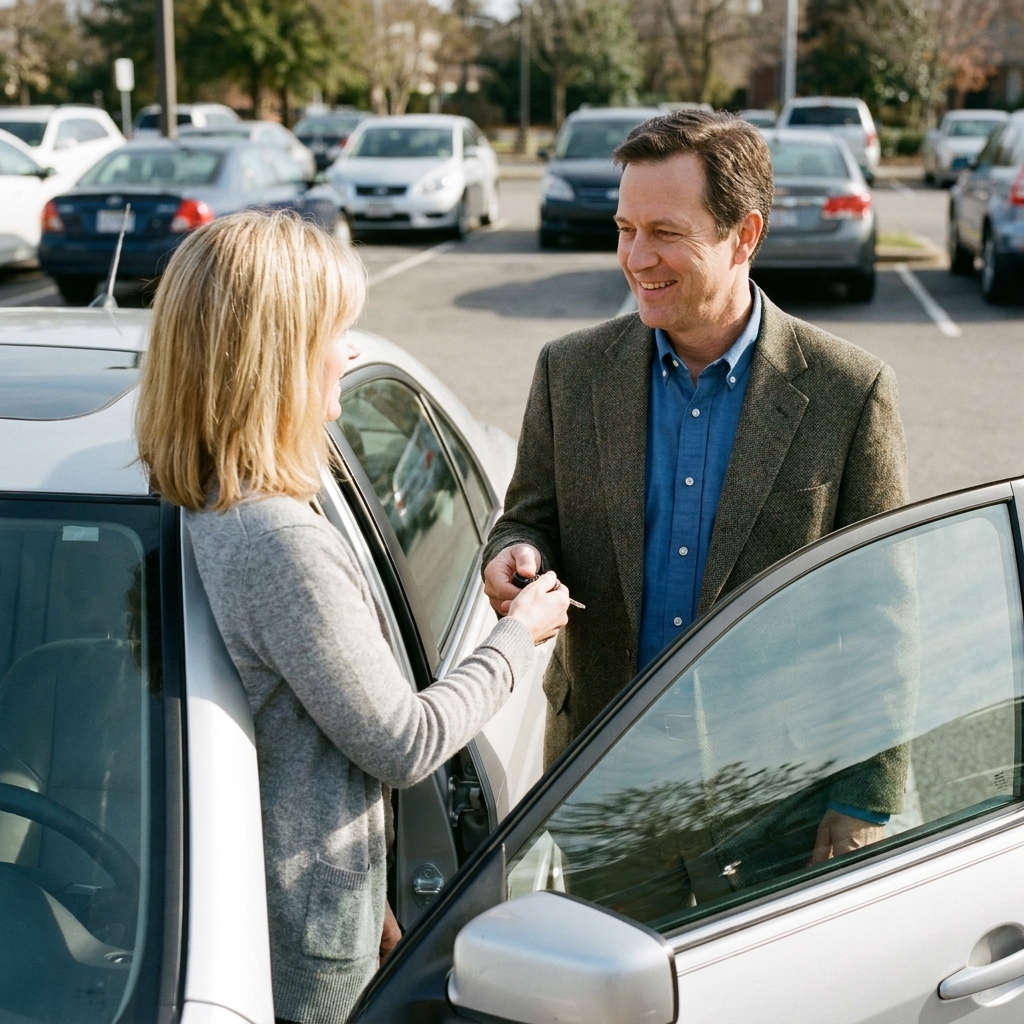
Private sales are built on trust, and that’s both the benefit and the risk. Some sellers will toss you the keys and hop in the passenger seat. Others will want to drive first. Some won’t let you drive at all, which is usually a deal-breaker.
A fair private-seller setup looks like this:
- You meet in a public place, daytime (even better: a police station safe-exchange zone)
- You both show a driver’s license so names and faces match
- The seller rides along (common) or follows in another car
For your own safety, bring a second person if you can, and tell a friend where you’re going. Share your live location for the meet, especially if it’s a private driveway or a remote area.
Insurance and liability
This is the biggest difference. A private seller does not have a dealership garage policy. Often the car is insured under the owner’s policy, but permissive-use rules and exclusions vary widely by insurer and by state. Some policies limit coverage for certain drivers, require drivers to be listed, or reduce coverage in ways you won’t know in a parking lot.
Bottom line: you might have limited coverage, or none, even if the seller says, “It’s insured.” And if you crash their car, you’re not just dealing with paperwork. You’re dealing with an individual person who is now stressed, angry, and potentially facing a claim. That can get messy fast.
Before you drive, ask the seller: “Is the car currently insured, and are you comfortable with me driving it?” If they seem evasive or the car is not insured, I would not drive it.
More flexible, less structured
Private sellers often allow a longer, more realistic test drive because they are not running a tight sales process. That’s great for you, as long as you stay safe and keep the interaction professional.
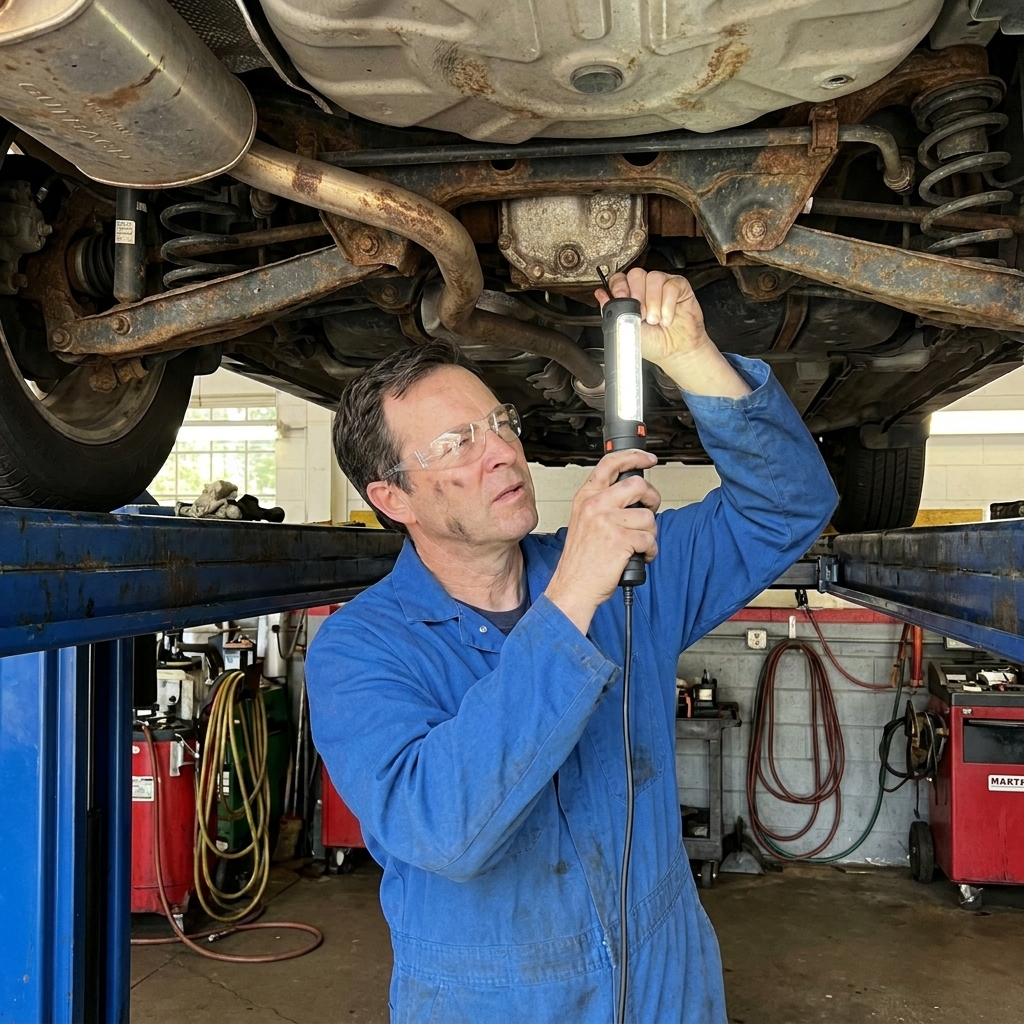
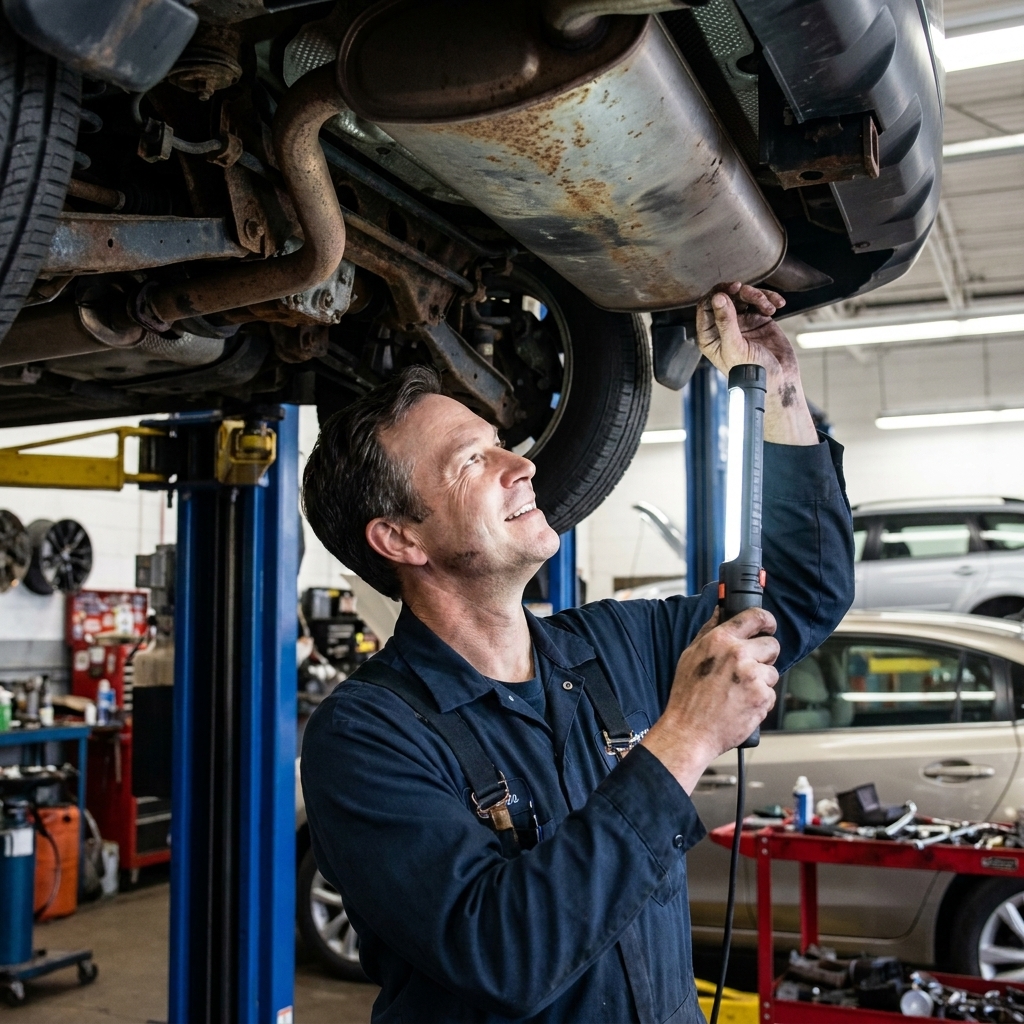
If the seller is comfortable, this is where you can request the best move in used-car buying: a pre-purchase inspection at a shop. A good seller will usually agree if you offer to schedule it and pay for it.
Holding the car for a PPI
Sometimes a seller will ask for a deposit to hold the car while you get it inspected. If you do this, keep it simple and written: the amount, the date, and whether it is refundable if the inspection finds major issues. If they push for a large, non-refundable deposit before you’ve verified the title status and basic condition, I would slow down.
Pressure and control
Dealership pressure is systematic
Dealerships are designed to close deals. The pressure may feel friendly, but it’s still pressure. Common tactics include:
- Keeping the conversation on monthly payment instead of total price
- “Someone else is coming to look at it” urgency
- Extended warranty pitches before you’ve decided on the car
- Four-square style negotiations (mixing price, trade, down payment, and payment)
How to keep control: decide ahead of time what you’re evaluating on the drive. Take notes. And don’t negotiate until you’ve seen service history and you’ve had time to think.
Private seller pressure is emotional
Private sellers are usually attached to the car, or attached to the money they need from it. Pressure might sound like:
- “I’ve taken really good care of it, you can trust me.”
- “I’ve got three other people asking about it.”
- “If you’re serious, bring cash.”
How to keep control: stay respectful, but keep everything evidence-based. Condition, records, title status, and a clean inspection matter more than anyone’s story.
What to bring and ask
Bring this
- Your driver’s license
- Proof of insurance (even if they don’t ask)
- A flashlight (phone light works in a pinch, flashlight is better)
- A paper towel or rag (checking fluids happens)
- A small magnet (handy for quick body filler suspicion checks)
- A notepad or notes app for observations
Ask before you drive
- “Any current warning lights?”
- “Any open recalls you know of?”
- “Can I start it cold?”
- “Can I take it on faster roads if it’s safe and legal?”
- Title status: “Is the title clean, rebuilt, salvaged, or branded in any way?” (A “buyback” or manufacturer repurchase is a type of brand in some states, so ask for details if they mention it.)
VIN and title reality check
Verify the VIN on the dashboard matches the VIN on the driver-door jamb label. For private sales, the title should match too, but titles are not always physically present at the meeting (especially if there’s a lien or you’re meeting after work). If the seller cannot show the title, ask how it will be transferred, whether there is a lien, and what paperwork you will receive the day you pay. If their answers get vague, treat that as a warning sign.
How to run the drive
If I’m coaching a friend on a test drive, this is the exact sequence I recommend:
1) Cold start and idle
- Listen for ticking, knocking, or rattling that fades or gets worse
- Watch the idle for surging or stumbling
- Make sure all dash lights illuminate briefly, then go out (including airbag and check engine)
2) Low-speed checks
- Steering feel: no groaning, no binding, no heavy pulling
- Transmission behavior: smooth engagement into Drive and Reverse
- Brakes at low speed: no grinding, no pulsation, no pulling
3) Higher-speed behavior
- Acceleration: no hesitation, no misfires
- Transmission shifts: consistent, not flaring or slamming
- Vibration: note any shaking at speed (often tires, sometimes worse)
4) Braking and turning
- One firm brake application in a safe, straight, empty area
- Several moderate turns both directions to listen for clicking (CV joints) or groans (power steering issues)
5) Parking lot maneuvers
- Full-lock turns at low speed (listen for clunks)
- Test backup camera, sensors, and parking brake
After the drive, pop the hood again and look for fresh leaks or smells. A quick post-drive peek catches more than you’d think.
EVs and hybrids
This guide is general, but EVs and hybrids add a few quick checks during the drive:
- Regen braking feel should be smooth and predictable, not grabby or inconsistent
- Look for warning messages related to the high-voltage system
- Check the charging port door and connector area for damage or corrosion
- On plug-in models, confirm it recognizes a charge cable if the seller can demonstrate
Rules that protect you
Don’t hand over your license as collateral
I’m fine with a seller seeing your license. I’m not fine with them holding it while you drive. If they insist, offer an alternative: let them ride along, or show your license while you take a photo of their plate and the vehicle VIN for your own records. (Some sellers reasonably want a name and face match. You can protect your privacy without turning it into a standoff.)
Don’t go alone with strangers
This protects both sides. If a seller suggests you take the car alone while they stay behind, that can be a safety issue or a setup for misunderstandings if something happens.
Don’t let anyone rush basics
No matter who’s selling, you deserve time to:
- Verify the VIN matches the dash and door label (and title if available)
- Look for obvious leaks and uneven tire wear
- Confirm the car actually has the features you’re paying for
When to walk away
- The seller will not allow a test drive at all
- The seller cannot clearly explain how the title will be transferred
- The title name does not match the seller’s ID (private sale)
- The car appears uninsured (private sale) and they still want you to drive it
- You see signs of overheating, heavy smoke, or severe transmission slipping
- They refuse an independent pre-purchase inspection on a car that should reasonably qualify
- You feel unsafe or pressured in a way that overrides common sense
FAQ
Can a dealership require a credit check before a test drive?
They can. Dealer policies vary, and for certain vehicles or markets they may require a credit check, a deposit, or a verified identity step before handing over keys. Many dealerships do not require that for typical used cars. If you’re not comfortable, ask if you can test drive with your license and insurance first, then discuss financing after you’ve decided you even like the vehicle.
Should I let the private seller drive first?
It can be helpful. Watching how they drive tells you a lot about how the car may have been treated. Just make sure you still get your own drive time on the same roads.
What if the dealer won’t let me take it on faster roads?
That’s a problem, because higher-speed driving is where vibrations, alignment pull, and transmission behavior become obvious. If they won’t allow it, ask for a longer route with a manager’s approval or move on to a car they will let you properly evaluate.
Is it normal for a salesperson to talk the whole time?
Very normal. If you need quiet to listen for noises, say so. A professional salesperson will understand when you say, “Mind if we take a couple minutes in silence so I can listen for anything unusual?”
The bottom line
Dealership test drives come with more structure and usually more pressure, but also more predictable policies. Private-seller test drives can be more relaxed and flexible, but the insurance and safety responsibility sits heavier on your shoulders.
Whichever route you’re taking, your goal is the same: get enough real-world driving time to decide if the car is mechanically sound, comfortable, and worth pursuing. If anyone tries to make you feel weird for wanting a thorough test drive, that’s your cue to keep shopping.