
Practical, no-fluff negotiation tactics: out-the-door pricing, comps, timing, fees, trade-ins, deposits, inspections, and scripts that keep you in control.
Used Car Buying Guide
Best Times of Year to Buy a Used Car Cheap
Learn the months, weeks, and days when dealerships tend to be most flexible on used car prices, plus practical scripts and tactics to turn timing into real savings.

Ben Sullivan
Ben Sullivan is a former ASE-certified mechanic with over 15 years of experience inspecting, repairing, and appraising used vehicles. He contributes to Car Wise Guide to help everyday buyers navigate the used car market with confidence, armed with the knowledge to spot hidden red flags and negotiate fair prices.
Published October 18, 2026
Updated October 18, 2026
If you are trying to get the lowest price on a used car, timing is not magic. It is leverage. Many dealerships have real deadlines, real inventory pressure, and real managers watching numbers like a hawk. When you show up at the right moment with financing and a plan, you are not begging for a deal. You are offering the dealer a solution to their problem.
Below is how I’d time a used car purchase if I were buying my own daily driver. I’ll cover the best months, the best weeks, and even the best days to make an offer, plus practical scripts that keep you from overpaying. Just know up front: these are patterns, not guarantees. Dealer type, local demand, and the exact vehicle you want can override the calendar.

The rule: buy when they have a deadline
Dealership pricing tends to move around three pressures:
- Calendar deadlines (end of month, end of quarter, end of year) when managers want units sold and aging inventory reduced. This is especially common at franchise stores, but many independent dealers track similar monthly goals.
- Inventory age (cars sitting too long cost money and attention, and they usually become easier to negotiate).
- Seasonal demand (when shoppers are scarce, dealers often get more flexible).
You can use all three at once by shopping at the right time and targeting vehicles that have been listed a while.
Best months for low used car prices
Used car pricing varies by market, but these patterns show up often because they are tied to dealer behavior and shopper demand. Region matters too. In snow states, AWD and 4WD can spike before winter. In warm climates, seasonality can feel flatter.
January: quietly one of the best
January is a sweet spot in many markets. The holiday rush is over, weather keeps some shoppers home, and plenty of people are focused on paying off December bills. That usually means fewer buyers on the lot, which tends to create more negotiating room.
- Why dealers deal: slower foot traffic, motivation to start the year strong, and a desire to move older inventory that carried through the holidays.
- Best targets: mainstream sedans, small SUVs, and anything that is not riding a seasonal hype wave.
February: still good, especially late month
February stays relatively calm. If you shop the last week of February, you can stack low demand with end-of-month pressure.
March and April: mixed
Tax refunds often bring buyers back, and more demand can firm up pricing. The size of that bump varies year to year and by region, but it is real enough that I treat spring as a “be selective” season.
- How to win anyway: focus on cars with high days-on-market and listings with recent price drops.
- Consider: making offers on weekdays when the store is quiet.
May through August: often the toughest
Summer tends to be busy. People have time to shop, students need cars, families travel, and dealers often have steady traffic. That does not mean you cannot negotiate, but you are usually fighting a stronger current. If you are shopping for a high-demand model, summer can feel especially tight.
- If you must buy: shop near month-end and target older inventory with visible price reductions.
September and October: often calmer again
Back-to-school expenses and routine schedules pull attention away from car shopping. For many buyers, this is a more negotiable time than summer. One exception: in colder regions, demand for AWD and 4WD can start climbing as winter gets closer.
November: strong deals, with caveats
November can be excellent because dealers are pushing toward year-end goals and many shoppers are distracted. Holiday promos can also bring heavy traffic, so your best results often come on a quiet weekday within the holiday week.
December: deadline season
If you make me pick one month where dealers are consistently motivated, it is December. Year-end numbers matter at a lot of stores, and many managers want to close the books strong and clean up aging units.
- Best window: the final week of December, and often the last 2 to 3 days of the year.
- Important: selection may be thinner, so decide what matters most to you: lowest price or perfect spec.

Best weeks and dates to buy
End of the month
If you only remember one timing trick, make it this: shop the last 3 to 5 days of the month. Many dealers track results in monthly buckets, and the pressure often ramps up as the month closes. This is common, not universal. Some one-price stores do not care what day it is, but most traditional dealers still feel month-end heat.
- Best move: do your test drives and research earlier in the month, then make your serious offer at month-end.
- What to say: “If we can get to $X out the door today, I can wrap this up before close.”
End of the quarter
Quarter-end can stack additional pressure on top of month-end. Not every store runs incentives the same way, and used departments are not always tied to factory programs like new car sales. Still, many managers review performance quarterly, so it can help.
- Best quarter: Q4, which includes December’s year-end push.
Holiday weekends
Holiday promotions bring traffic. Traffic gives dealers confidence. You may see advertised discounts, but you can also see more competition for the same vehicles.
My take: use holiday weeks for selection, then negotiate hard on a quiet weekday when the store wants to keep deals moving.
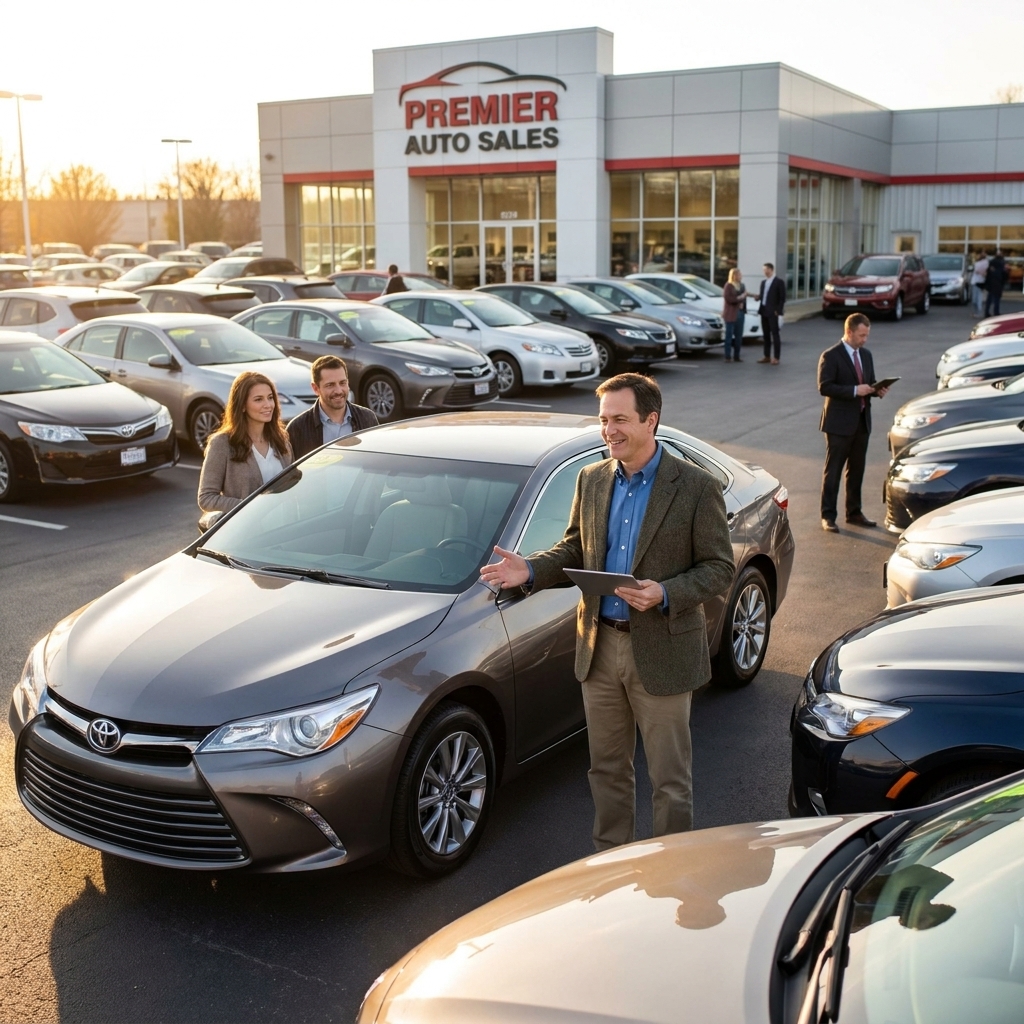
Best days of the week
Tuesday and Wednesday
Midweek is usually slower. When the showroom is quiet, staff has time to work your deal, managers are more likely to engage, and you are less likely to feel rushed or emotionally pulled by a busy environment.
Monday
Some dealerships are catching up from weekend leads and paperwork. It can be a solid day to make a clean offer because they want momentum. This varies by store and staffing.
Thursday
Thursday can bring a small increase in traffic heading into the weekend. It is still workable, especially if you come prepared and keep the deal simple.
Friday and Saturday
Weekends are when most people shop. More shoppers means less pressure to discount any single car. If Saturday is your only option, aim for late in the day when everyone is tired and the dealership would rather close a deal than restart the dance with someone new.
Sunday
In some places, dealerships are closed Sundays. Where they are open, Sunday can be busy, which usually works against the buyer.
The timing factor buyers miss: days on market
Calendar timing matters. But vehicle timing often matters more.
Here is what I saw over and over when appraising and inspecting cars: a vehicle that has been sitting is a vehicle the dealer wants gone. Every extra day typically adds carrying costs or opportunity costs. That can include floorplan interest on financed inventory, curtailments, insurance, reconditioning, and the simple fact that the car is taking up a slot that could hold something easier to sell.
- Under ~30 days listed: often priced optimistically. Smaller discounts.
- 30 to 60 days listed: more flexible. Good time to make a firm offer.
- 60+ days listed: prime negotiating territory if the car is still clean and well documented.
How to use this: Ask directly, “How long has this one been in inventory?” Then pause. The answer tells you how motivated they are.
Quick warning: days-on-market can be messy. Some listings get reposted or moved between sites and the counter resets. Cross-check what you can. Look for a dealer stock number that stays the same, a Carfax listing history, repeated photos, or simply ask for the in-stock date.
A game plan that works
If you want a clean, repeatable approach, here is the method I recommend to friends and family.
1) Get financing first
Even if you plan to finance through the dealership, walk in with a pre-approval from a bank or credit union. It keeps the deal focused on the car price, not monthly payment games. It also helps if you are dealing with a one-price store where negotiation is limited. Your leverage shifts to rate, fees, add-ons, and the ability to walk.
2) Shop earlier, buy later
Test drive in the first half of the month. Narrow your list. Then return at month-end with your strongest offer when deadlines are real.
3) Make an out-the-door offer
“Out the door” means the full number including taxes and fees. That is the only number that matters. A dealer can lower the price and raise a fee, and you end up right where you started.
What this looks like in real life: Say a car is listed at $18,500. After sales tax, doc fee, registration, and any required state fees, your out-the-door number might land closer to $20,000 depending on where you live. When you negotiate, negotiate the out-the-door total so you are not surprised in the finance office.
4) Separate the trade-in
If you have a trade, keep it clean: agree on purchase price first, then trade value. Mixing them gives the dealer more room to move numbers around.
- Simple line: “Let’s lock in the out-the-door price on this car first. Then we can talk about my trade.”
5) Shut down add-ons fast
Most overpaying happens in the back end. Add-ons can be useful, but only if you want them and the price makes sense.
- Simple line: “I’m not buying extras. Please revise the out-the-door to $X with only required state fees and taxes.”
6) Be ready to walk
The best negotiating tool is calm willingness to leave. You do not need to be aggressive. You just need to be clear.
- Simple line: “I’m at $X out the door. If that doesn’t work, no hard feelings. I’ll keep looking.”

Situations where timing matters less
Timing helps, but it should not trap you. I have seen buyers wait so long chasing the perfect deal that they end up spending more on repairs, rentals, or missed work.
- If your current car is unsafe or unreliable: buy sooner and focus on vehicle condition and total ownership cost.
- If the exact trim and color you need is rare: prioritize the right vehicle with a clean history over a slightly better calendar discount.
- If rates are moving: a lower price can get erased by a higher interest rate. Always look at total cost over the loan term.
- If you are buying a seasonal vehicle: expect calendar rules to bend. Convertibles often get pricier in spring and summer. AWD and 4WD can get pricier before winter in colder regions.
Quick FAQ
Is year-end really the best time to buy used?
Often, yes. December combines end-of-month, end-of-quarter, and end-of-year pressure. You can see unusually motivated managers, especially on aging inventory. It is still market-dependent, and the best deal is not guaranteed if the specific model you want is hot.
What time of day is best?
Late afternoon or early evening on a slow weekday tends to work well. Late in the day on a weekend can also work if you are ready to buy and the dealer wants to close one more deal.
Should I negotiate by email first?
Email or text can be great for getting a baseline out-the-door quote and confirming a vehicle is actually available. But the biggest leverage usually comes when you are physically there, ready to sign, and it is near a real deadline like month-end.
Do one-price dealers follow these rules?
Not in the same way. At no-haggle stores and some online retailers, the sticker price may not move much based on the day of the month. Your leverage shifts to picking the right car, watching for price drops, comparing multiple stores, and being disciplined about fees, warranties, and add-ons.
Do private sellers follow the same timing rules?
Not as much. Private sellers do not have monthly quotas, but they do have their own deadlines: moving dates, new car arrival, job changes. Your best leverage is still days-on-market and your ability to make a simple, immediate transaction.
Is CPO different?
Certified Pre-Owned vehicles can have firmer pricing because certification costs money and the cars are often in higher demand. The tradeoff is that CPO sometimes comes with stronger warranty coverage and, in some cases, promotional financing. If a dealer is offering subsidized rates, a slightly higher price can still be a better total deal.
The takeaway
If you want the lowest price with the least stress, shop for selection whenever you like, but make your serious offers during the last 3 to 5 days of the month, ideally in January or December, and preferably on a Tuesday or Wednesday. Then stack that timing advantage by targeting cars that have been listed a while.
Do that, and you are no longer hoping a dealer gives you a break. You are walking in when they are most likely to earn your business.