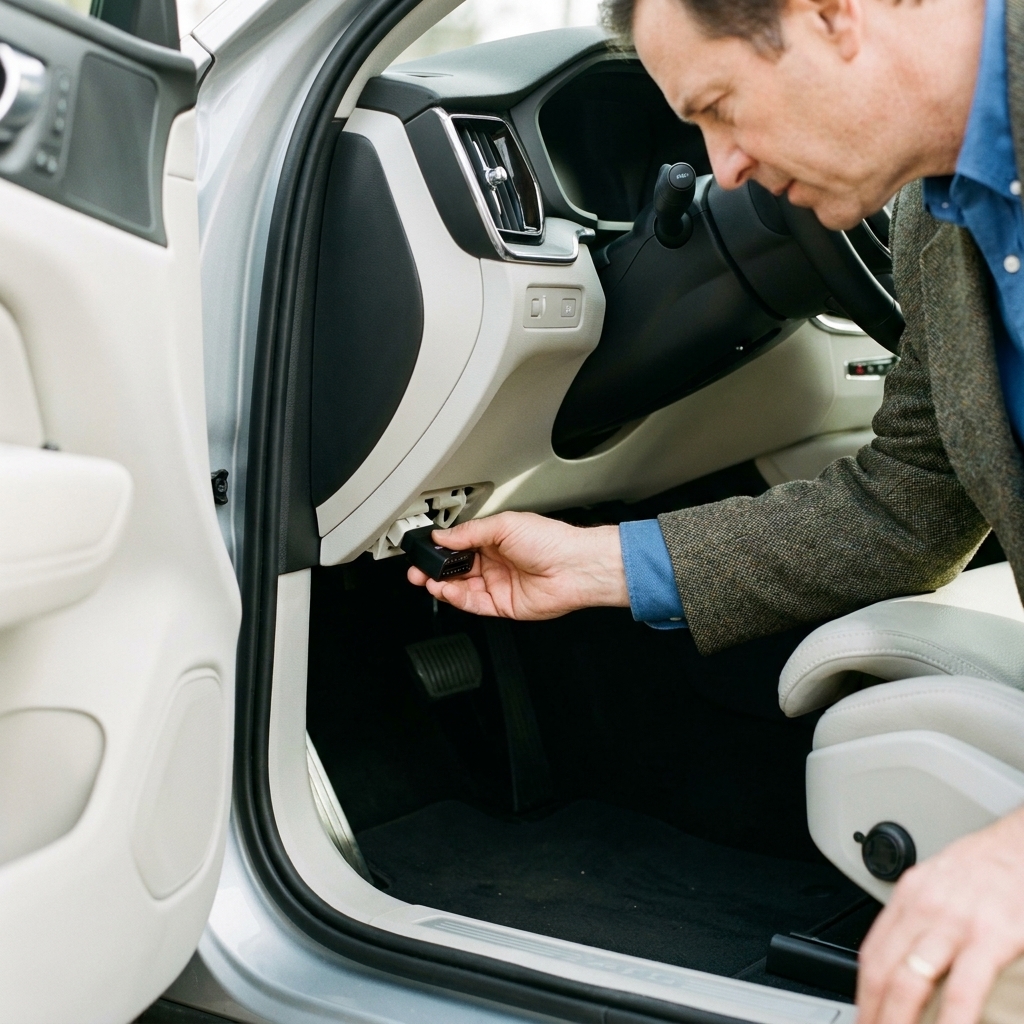
A step-by-step guide to scanning a used car with an OBD2 tool: stored and pending codes, readiness monitors, live data checks, and red flags that can save yo...
Used Car Buying Guide
Best and Worst Jeep Grand Cherokee Years to Buy Used
Shopping a used Jeep Grand Cherokee? Here are the best model years to target, higher-risk years to approach carefully, and the exact issues to test for before you buy.

Ben Sullivan
Ben Sullivan is a former ASE-certified mechanic with over 15 years of experience inspecting, repairing, and appraising used vehicles. He contributes to Car Wise Guide to help everyday buyers navigate the used car market with confidence, armed with the knowledge to spot hidden red flags and negotiate fair prices.
Published October 18, 2026
Updated October 18, 2026
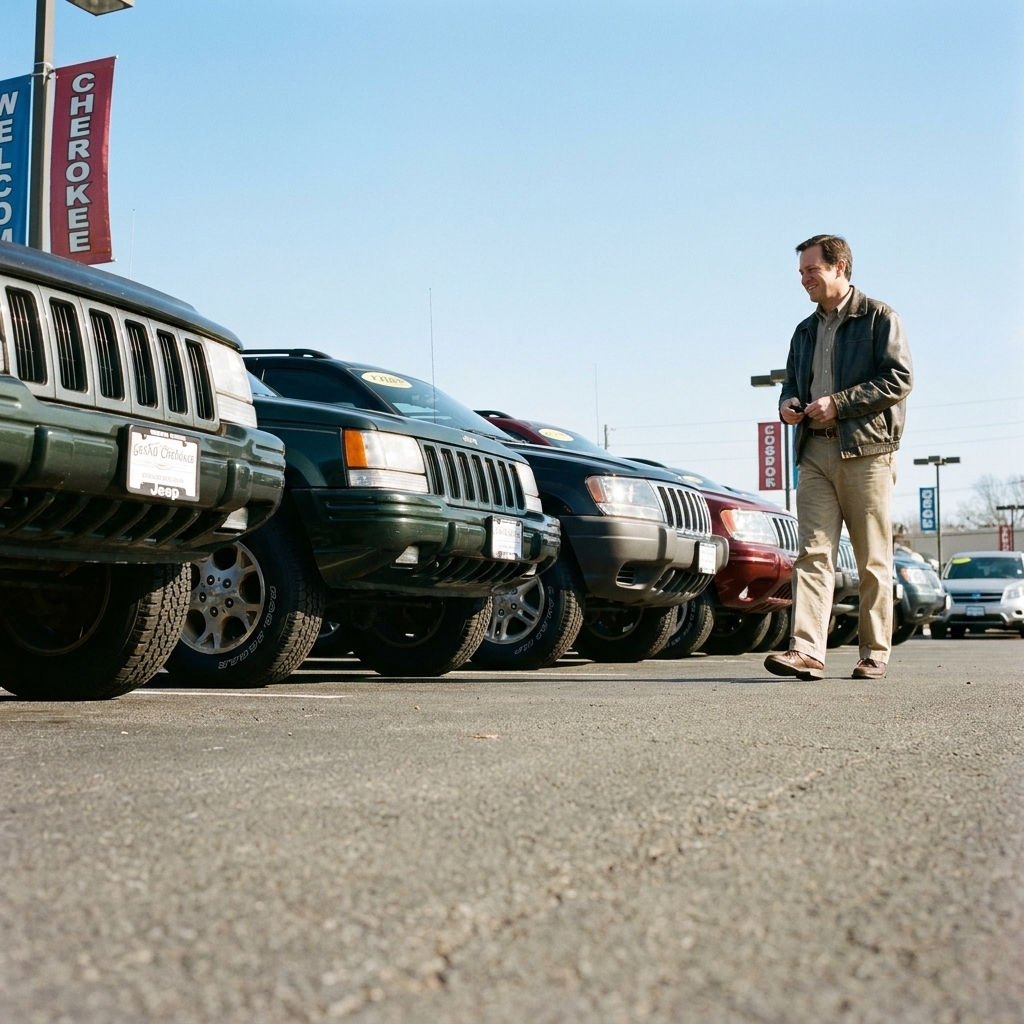
If you’ve been looking at used Jeep Grand Cherokees, you’ve probably noticed something: two Grand Cherokees can look nearly identical on a dealer lot, yet one will be a dependable daily driver and the other will slowly nickel and dime you with electrical gremlins, suspension faults, and “mystery” warning lights.
I’ve inspected a lot of these over the years, and a few patterns show up often enough to influence how I shop. This is not a scientific ranking, and any single vehicle can be a great or terrible buy, but these year-to-year trends are consistent with what I see in the shop and with the kinds of issues that commonly show up in owner complaints and service bulletins.
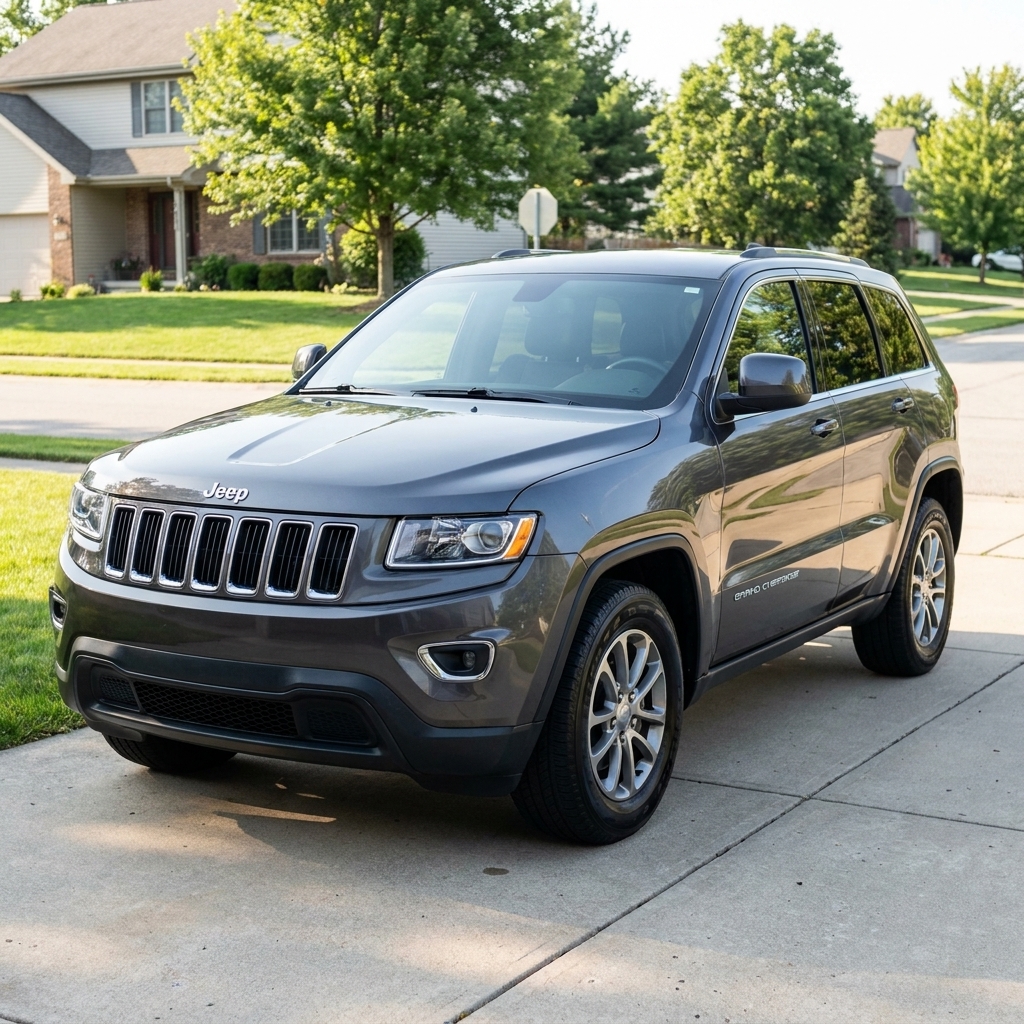
Below are the best and higher-risk years to buy a used Jeep Grand Cherokee, plus what to check on a test drive so you don’t end up paying for the previous owner’s deferred maintenance.
Quick picks: best and worst years
Best years to target (often safer bets)
- 2016: A WK2 sweet spot with most early bugs sorted.
- 2017: Generally consistent, especially with records.
- 2018: Late-cycle WK2 with fewer repeat issues.
- 2019: Similar strengths to 2018, often a good value.
- 2020: Late-run WK2 models tend to be more consistent.
Higher-risk years (buy only with proof and inspection)
- 2011: Early WK2 teething issues and more electrical complaints in the real world.
- 2012: Still early for the platform, with more repeat complaints than later years.
- 2014: Refresh year. Great updates, but it is a year I inspect more skeptically for tech glitches.
- 2015: Often improved from 2014, but I still see more tech-related complaints than the later sweet-spot years.
Older years: condition beats year
- 2005 and 2006: WK era. Age, rust, and previous repairs dominate the risk now.
- 2007 to 2010: Can be fine if maintained, but workmanship and corrosion matter a lot.
How to use these picks: Treat them as a starting point, then confirm your specific vehicle with a full scan and an inspection. A well-maintained “riskier” year can beat a neglected “good” year every time.
Generations and why years matter
Model years matter on the Grand Cherokee because Jeep tends to bundle major changes into refresh years. Refresh years can bring better tech and nicer interiors, but they can also introduce new failure points. When you buy used, you generally want the years where the factory had time to work the kinks out.
- 2005 to 2010 (WK): Older platform. Maintenance history and rust are everything.
- 2011 to 2021 (WK2): The main focus for most used shoppers. Some excellent years, some I would be extra picky about.
- 2022 and newer (WL): Newer generation with more tech. It can be great, but be serious about recall checks and software updates.
This guide focuses mainly on 2005 and newer models. Earlier WJ-era Grand Cherokees can be solid, but the buying strategy is different enough that it deserves its own rundown.
Best years to buy
2016 Jeep Grand Cherokee
If you want one year to circle first, it is usually 2016. It is far enough into the WK2 run that early-year software and electronics hiccups are less common, but it is not so new that you are paying a big premium.
Why it is a good buy: In my inspection experience, it shows fewer repeat tech complaints than the early WK2 years, parts availability is excellent, and plenty of independent shops know the platform.
What to still check: transmission shift quality hot and cold, evidence of cooling system upkeep, and whether the 4WD system engages cleanly.
2017 Jeep Grand Cherokee
2017 is another strong pick if you find one with clean service records. In practice, the difference between a great used Grand Cherokee and a nightmare often comes down to whether the previous owner maintained it.
- Look for regular oil changes and drivetrain fluid service on 4x4 models.
- Listen for clunks from suspension components over bumps.
- Make sure all driver-assist and infotainment features work without freezing.
2018 and 2019 Jeep Grand Cherokee
2018 and 2019 tend to be strong choices because they land in the mature part of the generation. These years also often come with better documentation since they are newer and owners still have dealer printouts and app histories.
My advice: prioritize condition and service history over trim level. A basic Laredo that has been cared for will usually treat you better than a loaded Summit that has been neglected.
2020 Jeep Grand Cherokee
2020 can be a great buy if you want a newer vehicle without jumping into the newest generation’s growing pains. You will often find these as lease returns.
What I like: generally refined drivability and better odds of complete maintenance records.
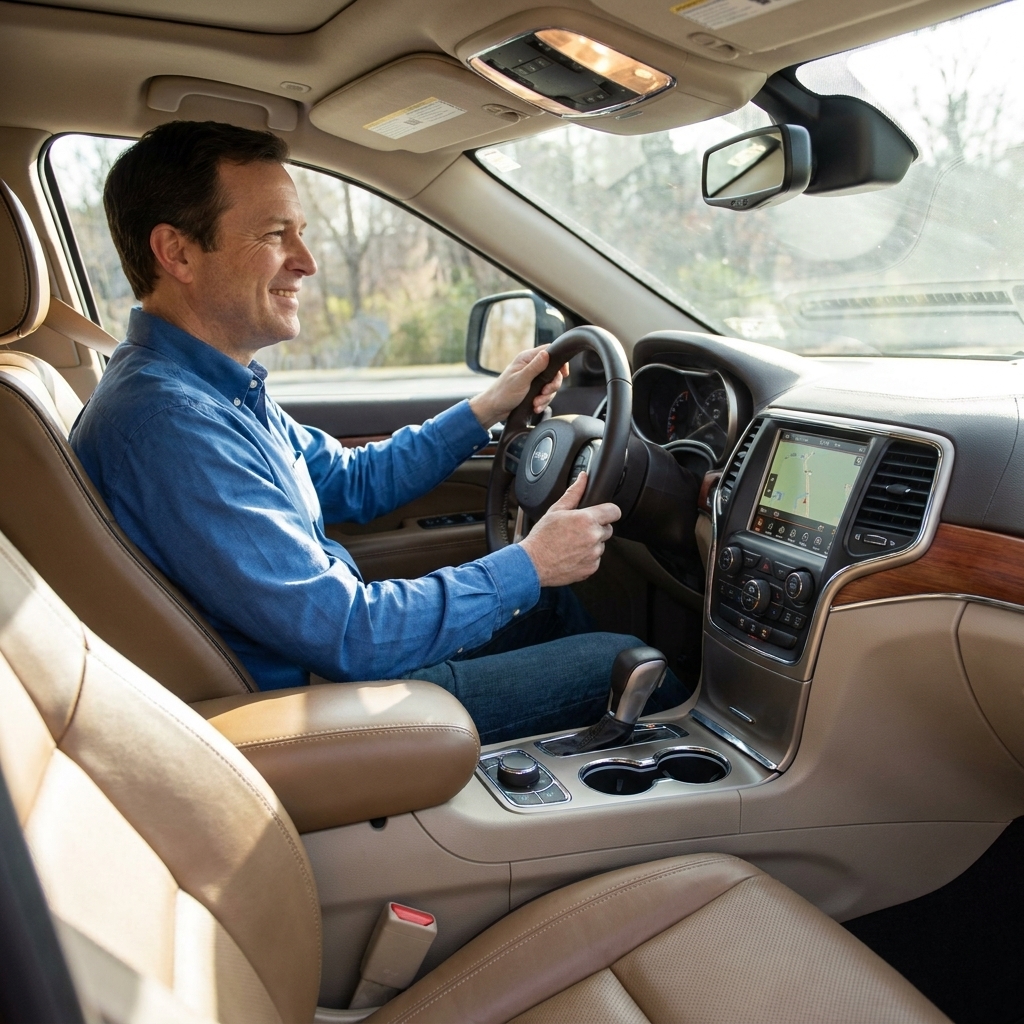
Years to approach carefully
2011 and 2012 Jeep Grand Cherokee
The early WK2 years can be tempting because prices look good. The trouble is, they can turn into a string of expensive “one more thing” repairs, particularly low-voltage electrical cascades and module communication faults that are hard to diagnose without a good scan tool and a patient technician.
Common deal-breakers I see in this era:
- Persistent warning lights that come and go
- Power accessory glitches (locks, windows, lighting)
- Rough shifting or delayed engagement on higher-mileage examples
If you are set on an early WK2, budget for a thorough pre-purchase inspection and do not buy one without a clean scan for stored codes across multiple modules, not just the engine computer.
2014 Jeep Grand Cherokee
2014 is a year I warn buyers about because it is a major refresh for the WK2. The refresh brought meaningful interior and infotainment changes, but first-year changes are also where bugs tend to show up. In my experience, this is a year where I more often see repeat visits for Uconnect issues, electrical oddities, and intermittent faults that take time to chase.
Could you find a good one? Yes. I just approach 2014 with a higher bar for documentation and a stricter inspection.
2015 Jeep Grand Cherokee
2015 is often better than 2014, but I still treat it as a “buy only if it is exceptional” year. If the vehicle has a strong maintenance trail, everything works, and it passes a serious inspection, it can be fine. If the seller is vague or the dash is full of warnings, I would keep shopping.
Problem areas to know
Electrical and software issues
When people talk about Grand Cherokee electrical headaches, they are usually describing issues caused by modules, wiring faults, poor grounds, weak batteries, or software glitches. You will also hear TIPM mentioned a lot in Chrysler-family discussions. While TIPM gets talked about broadly in the brand world, many “electrical” complaints on these SUVs end up being battery, charging, ground, or infotainment related. Either way, module replacement should be diagnosis-led, not guesswork.
What to do before you buy:
- Bring a scan tool that can read pending and history codes across modules, not just “check engine.”
- Verify every power feature works: windows, locks, seats, mirrors, wipers, lighting, rear hatch, and remote start if equipped.
- Confirm battery and charging health. A weak battery can trigger false warnings and odd behavior.
Transmission behavior
Not every Grand Cherokee transmission complaint means the transmission is failing. Sometimes it is software, sometimes it is maintenance, and sometimes it is mechanical. Either way, you want one that shifts cleanly cold and fully warm.
Red flags on the test drive:
- Delayed engagement when shifting into Drive or Reverse
- Harsh 2-3 or 3-4 shifts under light throttle
- Shuddering or vibration under steady acceleration
- Clunks when coming to a stop
Quadra-Lift air suspension
Higher trims can have Jeep’s air suspension. It rides nicely and the adjustable height is genuinely useful, but it adds complexity. As these age, air leaks, tired compressors, and sensor issues can show up.
If you are shopping an air-suspension Grand Cherokee:
- Cycle through ride heights and confirm it raises and lowers promptly.
- Let it sit parked for 30 to 60 minutes and check for corner sag.
- Listen for the compressor running excessively.
Engines and trims
3.6L Pentastar V6
For most shoppers, the 3.6L V6 is the sensible pick. It is common, parts and knowledge are everywhere, and it tends to be the most financially pragmatic option long-term.
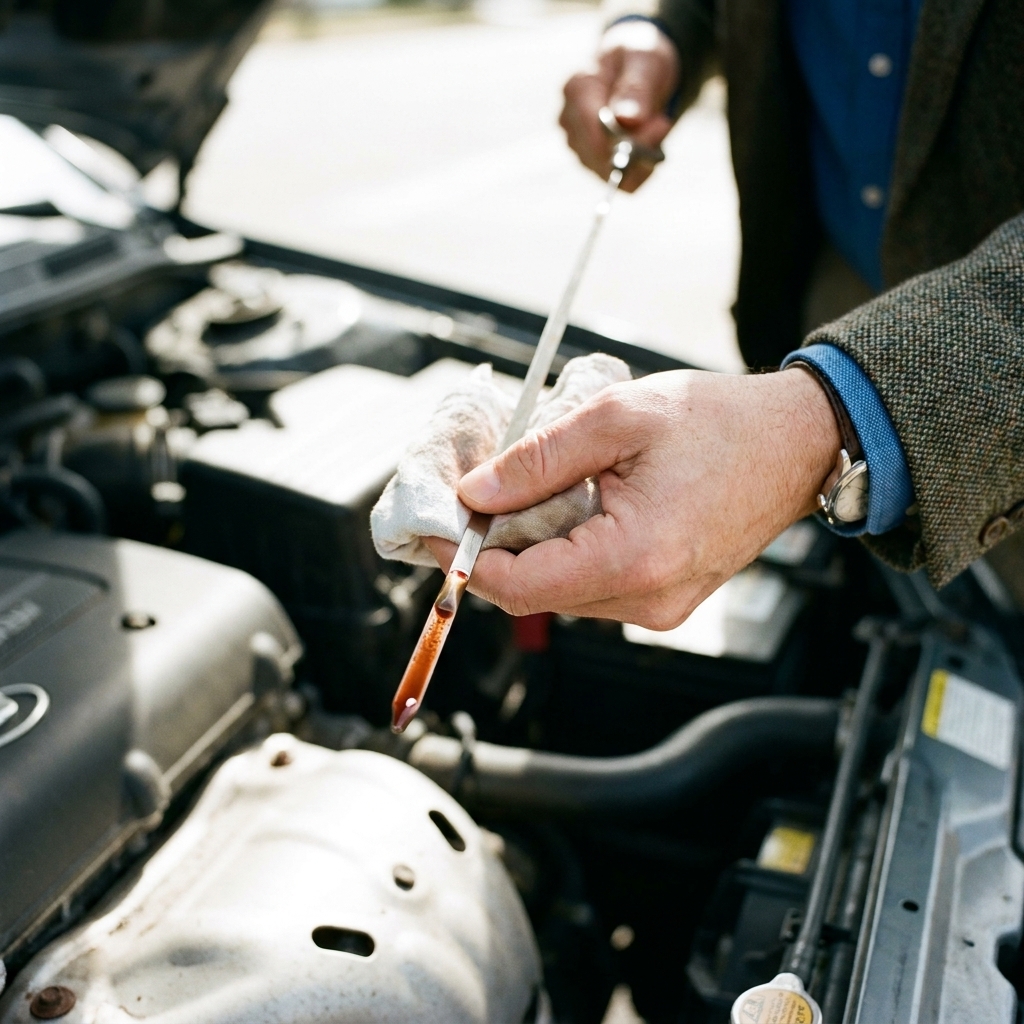
Smart checks: look for oil leaks around the oil filter housing and cooler area, listen for abnormal ticking on cold start, and verify temperature stays stable on a longer drive.
5.7L Hemi V8
The 5.7L Hemi is fun and capable, especially for towing, but it raises the stakes. You are shopping for a previous owner who did not skip oil changes and did not beat on it cold. Budget more for fuel, tires, and brakes.
Smart checks: confirm smooth idle, no exhaust tick under load, check for misfire codes on a scan tool, and review service history for consistent oil intervals.
3.0L EcoDiesel
If you are considering a diesel Grand Cherokee, go in with your eyes open. Diesel emissions components like the DPF, SCR and DEF system, and EGR hardware can be typical cost drivers when they act up, and used buyers can inherit someone else’s short-trip habits. The best move is to verify recall completion, check whether any emissions-related warranty coverage applies to that specific VIN, and only buy one with clear service records.
I usually tell everyday buyers to choose gas unless they know exactly why they want the diesel.
SRT and Trackhawk
High-performance Grand Cherokees can be incredible, but they are a different buying proposition. They often cost more to run, and they are more likely to have seen hard driving. If you shop one, assume higher consumables and insist on clean history, excellent tires, and a thorough inspection.
Trim advice
For a used daily driver, I generally like mid trims like Limited and well-kept Laredo models. Once you step into Overland and Summit territory, you are more likely to get air suspension and more tech. That can be great, but it gives you more to verify.
Recalls and updates
Before you fall in love with any used Grand Cherokee, take five minutes and run the VIN through the NHTSA recall lookup and Jeep’s recall portal. Confirm recalls were completed and ask for documentation. On tech-heavy models, software updates can matter for infotainment stability and driver-assist behavior.
This is especially important on 2022 and newer (WL) models. Along with recall status, verify that major software updates were applied and test every driver-assist feature on the road, not just on the dash.
Pre-purchase checklist
If you take nothing else from this guide, take this: a used Grand Cherokee can be a great SUV, but you want one that has been maintained and you want to verify the big-ticket systems before money changes hands.
My short checklist
- Full code scan: engine, transmission, ABS, airbag, body modules.
- Cold start: listen for abnormal ticking, rattles, or rough idle.
- Test drive: include city speeds, highway speeds, and a few tight parking-lot turns.
- Uconnect test: pair Bluetooth, test backup camera, check that the touchscreen responds cleanly, and confirm audio and steering-wheel controls work.
- 4WD operation: verify the selector works with no warnings and no actuator grinding or long delays. If you need to confirm 4WD modes, do it on a low-traction surface and follow the owner’s manual. Some driveline feel on dry pavement can be normal in certain modes.
- Suspension: clunks over bumps, uneven tire wear, and air suspension operation if equipped.
- Cooling system: stable temperature on the road, no coolant smell, no dried residue around hoses or the radiator, and clean coolant condition.
- Leaks: oil pan area, transmission pan, front and rear differential areas.
- Service records: oil change history, brake work, tires, and any module replacement paperwork.
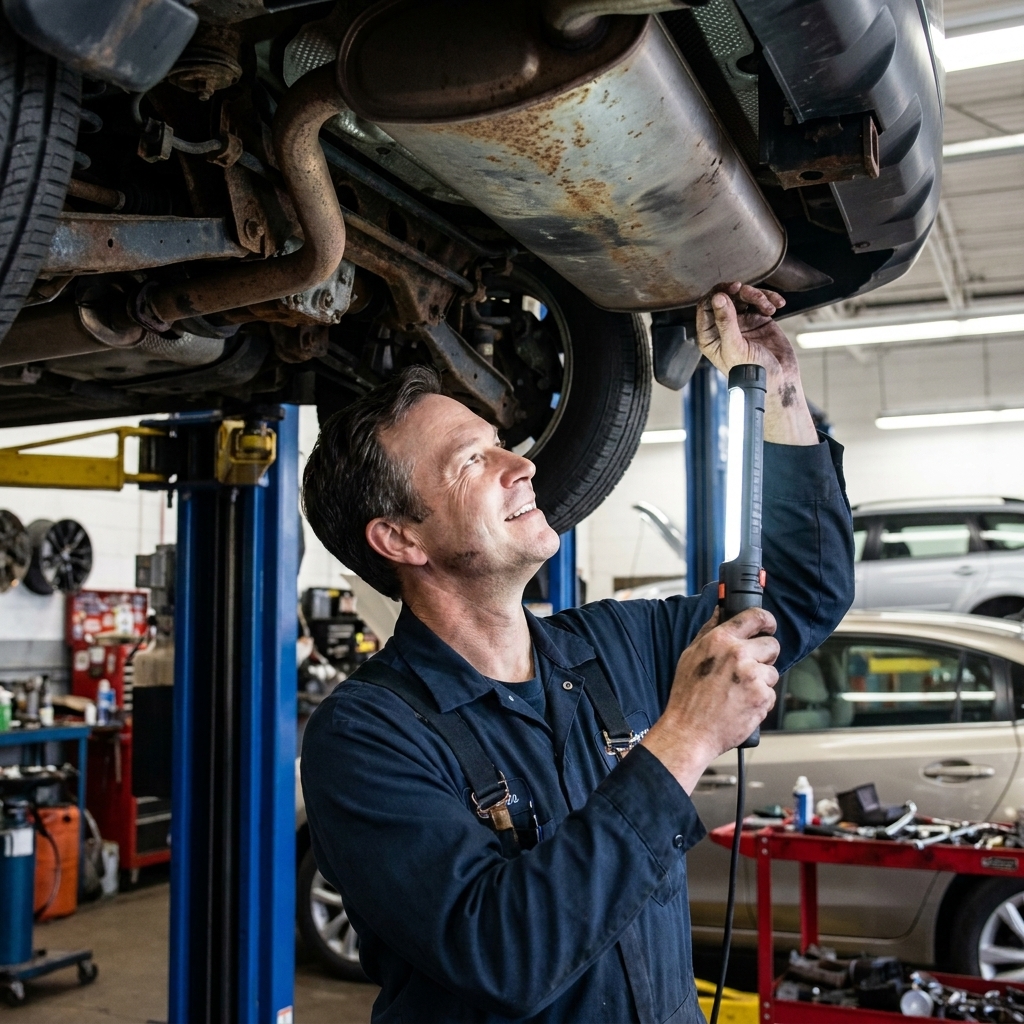
If a seller will not allow an inspection, I treat that as a serious warning sign.
FAQ
What is the single best year for a used Jeep Grand Cherokee?
If you want a simple answer, I typically point buyers to 2016 first. In my experience it is a reliable WK2 sweet spot with fewer early-cycle issues showing up repeatedly.
Are 2014 Jeep Grand Cherokees really that bad?
They are not all bad, but 2014 is a higher-risk year because it is a major refresh year and it is commonly associated with more infotainment and intermittent electrical complaints than later WK2 years. If you buy one, it should be because it is a standout example with documentation and it passes a real inspection.
Should I avoid air suspension Grand Cherokees?
Not automatically. You are trading comfort and capability for complexity. If the system is healthy and you verify it works properly, it can be a great feature. If it is sagging, slow to raise, or throwing warnings, I would move on.
How many miles is too many on a Grand Cherokee?
Miles matter less than maintenance and condition, but once you are past 100,000 miles, assume some wear items are coming due (suspension components, cooling system parts, drivetrain services). Budget accordingly and insist on a scan for stored codes.
Bottom line
If you want the Grand Cherokee experience without the “why is this warning light on again?” lifestyle, I would start with 2016 to 2020 models with strong service records. Based on what I see most often during inspections, I am more cautious with 2011 to 2012 and especially 2014 to 2015 unless you have proof the common problem areas were addressed and the vehicle checks out clean.
And remember: the best year on paper can still be a bad buy if it was neglected, and a “problem year” can be okay if it has been carefully maintained. A thorough pre-purchase inspection is money well spent on any used Jeep.