Don’t fall for a shiny detail job. Use this thorough test drive checklist to catch transmission issues, suspension clunks, brake vibrations, alignment prob...
Used Car Buying Guide
5 Luxury Cars That Depreciate Fastest (And Make Incredible Used Buys)
Five luxury cars that drop in value fast but can hold up well as used buys. Trims to target, what to inspect, and what $15k to $25k can get you.

Ben Sullivan
Ben Sullivan is a former ASE-certified mechanic with over 15 years of experience inspecting, repairing, and appraising used vehicles. He contributes to Car Wise Guide to help everyday buyers navigate the used car market with confidence, armed with the knowledge to spot hidden red flags and negotiate fair prices.
Published October 18, 2026
Updated October 18, 2026
There is a reason luxury cars can feel like a trap in the used market. The window sticker was huge, the tech is tempting, and one bad repair bill can erase the “deal” overnight.
But here is the good news from a guy who has inspected a whole lot of used luxury iron. Some luxury models depreciate fast for reasons that have less to do with reliability and more to do with lease-heavy buying patterns, brand perception, and expensive new-car pricing. If you pick the right models, the right years, and verify maintenance, you can land a genuinely premium daily driver in the $15k to $25k range without signing up for endless headaches.
This list focuses on cars that commonly lose value quickly and have a strong track record when cared for. I will also tell you what to avoid, what to check on the test drive, and the trims that usually make the most sense.
Before you shop
Depreciation by itself is not a green light. A smart used luxury buy is a car that:
- Has a proven powertrain with a long service history and no chronic catastrophic failures.
- Was commonly leased, meaning there are lots of clean, well-kept off-lease examples that hit the used market at once.
- Has manageable repair costs for the big-ticket items, or at least predictable ones.
- Has parts availability and independent-shop friendliness. Dealer-only cars can get expensive fast.
My rule: if the car needs a specific specialty shop and dealer-level diagnostic subscriptions just to do routine repairs, it is rarely a good “value luxury” pick at $15k to $25k. Think module programming, security re-learns, or electronic suspension calibrations that a normal independent shop cannot touch.
One more reality check: insurance, registration, and tires can be luxury-priced even when the car is reliable. Call your insurance company before you fall in love.
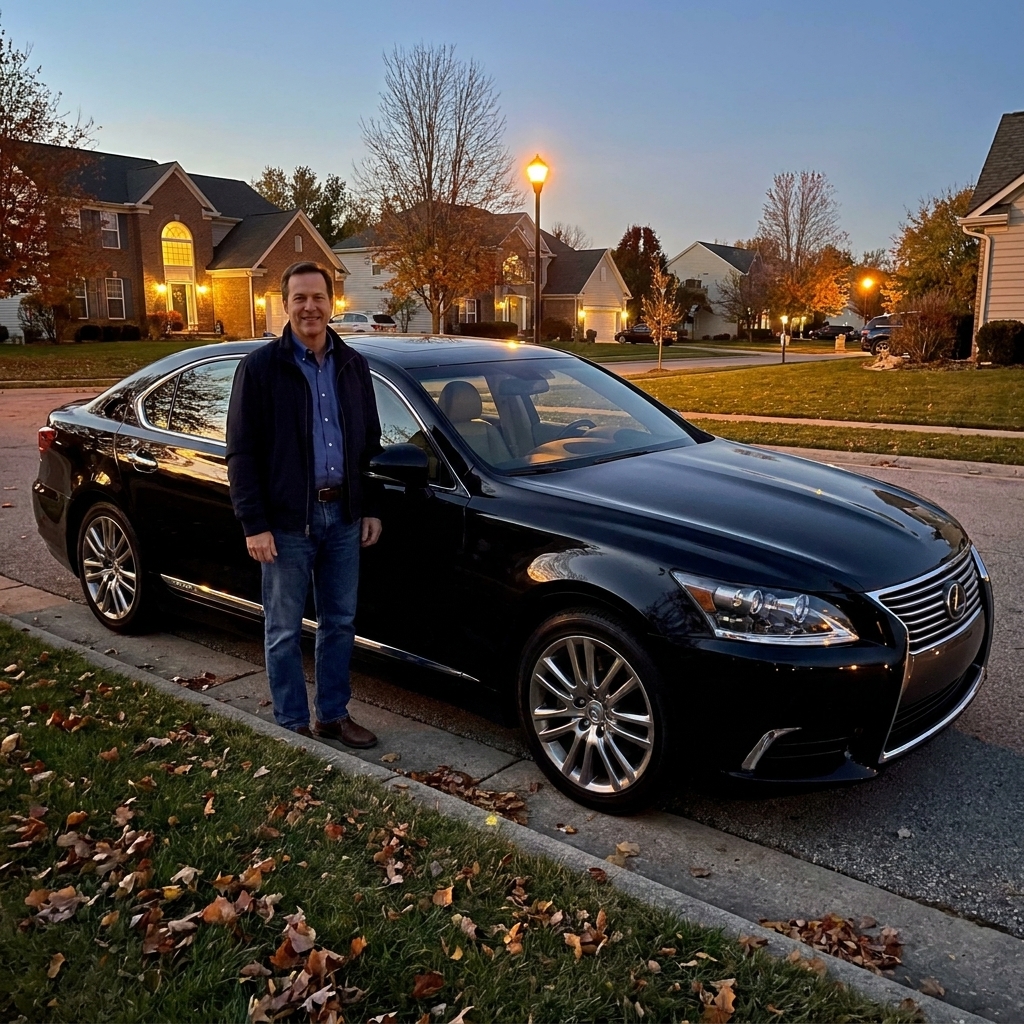
1) Lexus LS 460 (2007 to 2017)
If you want the most luxury per dollar with the fewest surprises, the LS is my first stop. These cars depreciate hard because they were expensive new and because big luxury sedans are not trendy. That works in your favor.
Why it works used
- Excellent long-term durability when maintained. The LS was built to be over-engineered.
- Quiet, comfortable, and solid in a way many newer cars cannot match.
- Strong resale floor once you buy used. You are letting the first owner eat the big hit.
What $15k to $25k can buy
Typically a 2010 to 2014 LS 460 with higher miles, or an earlier year with cleaner history and lower miles. Condition matters more than year here.
What to check (do not skip these)
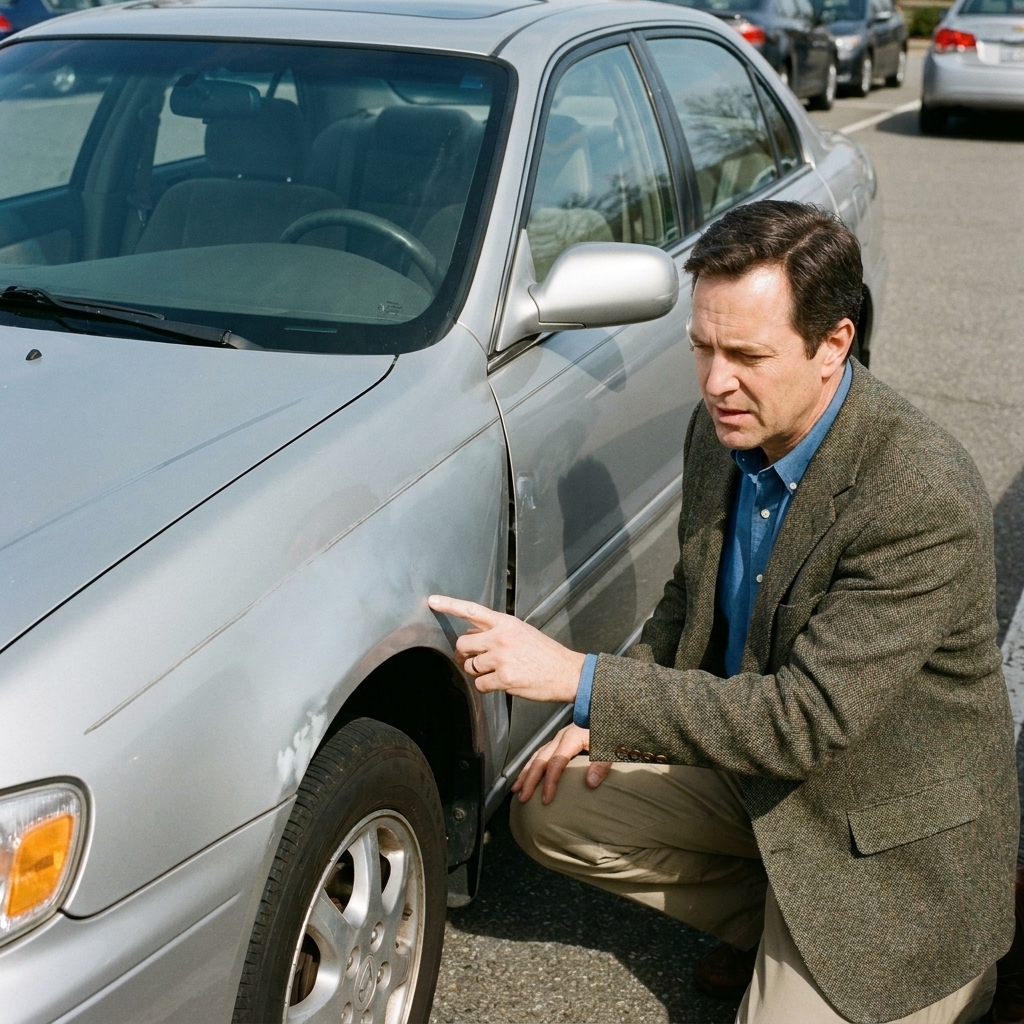
- Control arm and suspension wear: Listen for clunks over bumps, feel for wandering on the highway. This is one of the most common “welcome to LS ownership” expenses, especially up front.
- Air suspension (if equipped): Confirm it self-levels after sitting overnight, and make sure any height control if fitted works correctly. Air struts are not cheap.
- ABS and brake electronics (infrequent, but expensive if it happens): You do not want warning lights, odd pump noises, or inconsistent pedal feel. It is not the usual LS headline problem, but it is a big bill when it shows up.
Buy it if: it has documented oil changes, transmission services, and it drives tight with no dash lights.
Pass if: the seller says “it just needs a sensor” or the suspension feels floaty and noisy.

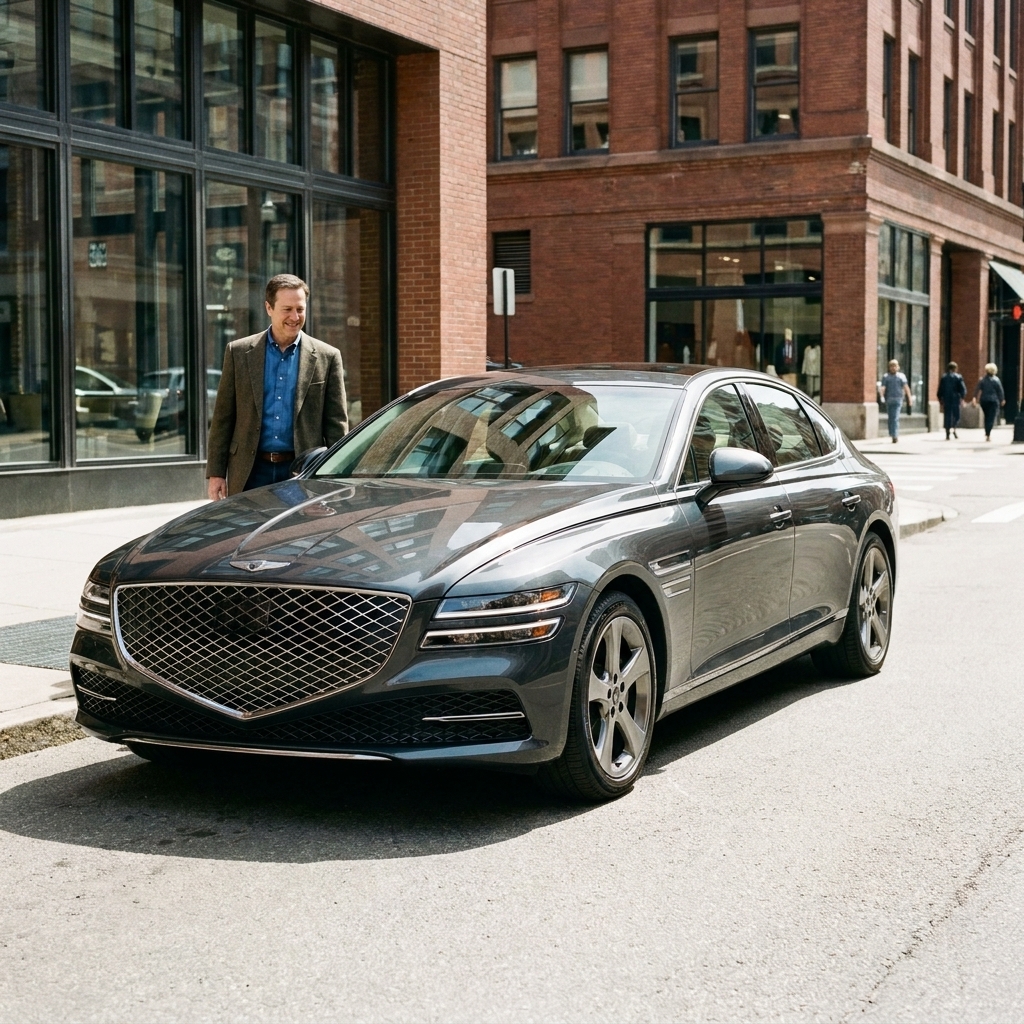
2) Hyundai Genesis (2012 to 2016) and Genesis G80 (2017 to 2020)
This is one of my favorite “quiet wins” in the used luxury world. The Hyundai Genesis sedan and the later Genesis-branded G80 depreciate fast because the badge does not carry the same status as the German brands. Mechanically, they are often a safer bet than you would expect.
Why it drops so fast
Brand perception and a steady supply of off-lease inventory tend to push prices down, even when the cars are clean and well equipped.
Why it is a smart pick
- Strong value for features: heated and ventilated seats, safety tech, excellent sound systems, and real comfort.
- Generally robust drivetrains, especially the V6 models, if oil changes and cooling system maintenance were not neglected.
- Great highway manners: smooth ride, solid steering feel, and low cabin noise.
What to check
- Service records: These cars reward maintenance. I want proof, not promises.
- Front-end noises: Listen for knocks over rough roads. Worn front suspension bits can turn a bargain into a parts list.
- Oil leaks: Look around the valve covers and under the engine for seepage.
Typical expensive item: suspension wear and higher-end trim electronics can add up if the previous owner deferred repairs.
Trim tip: A well-kept V6 is usually the sweet spot for budget-friendly ownership. The V8 can be wonderful, but you want a clean history and a thorough pre-purchase inspection.
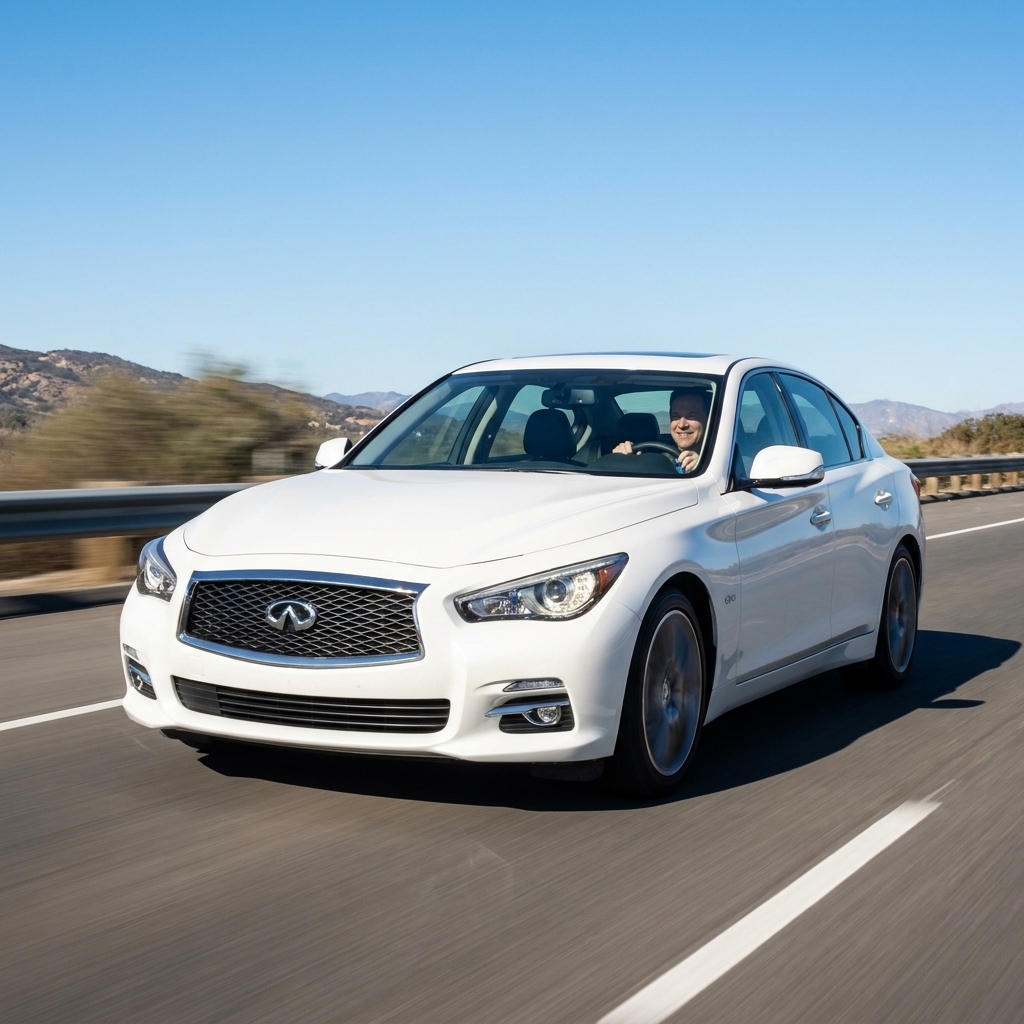
3) Infiniti Q50 (2014 to 2015) with the 3.7 V6
The Q50 is a classic case of “depreciation creates opportunity.” Infiniti sedans tend to slide in value faster than their German rivals, and that means your $15k to $25k budget can land a sporty, comfortable car with strong performance.
Target this engine
If you want the safer, simpler play, look for the 3.7-liter V6 (often called the VQ37). In the Q50, that engine is a 2014 to 2015 thing. Starting in 2016, Infiniti moved most Q50s to the 3.0-liter twin-turbo V6 lineup, which is a different ownership conversation.
Why it makes sense used
- Strong acceleration and a fun rear-wheel-drive feel (AWD is available in many examples).
- Good cabin comfort without being overly complicated.
- Parts and service access tends to be reasonable compared to many European luxury options.
What to check
- Steering feel: Some Q50s used electronic steering systems that owners either love or hate. Make sure it feels natural to you at speed.
- Oil consumption and leaks: Check oil level, look for seepage, and inspect the underside for wet spots.
- Previous modifications: These get tuned and modified. A heavily modified car is a gamble unless you know exactly what you are looking at.
Typical expensive item: a previously modified or abused car that needs catch-up maintenance can burn your budget quickly.
Pass if: the seller has aftermarket intakes, downpipes, and “no check engine light right now” vibes with no documentation.
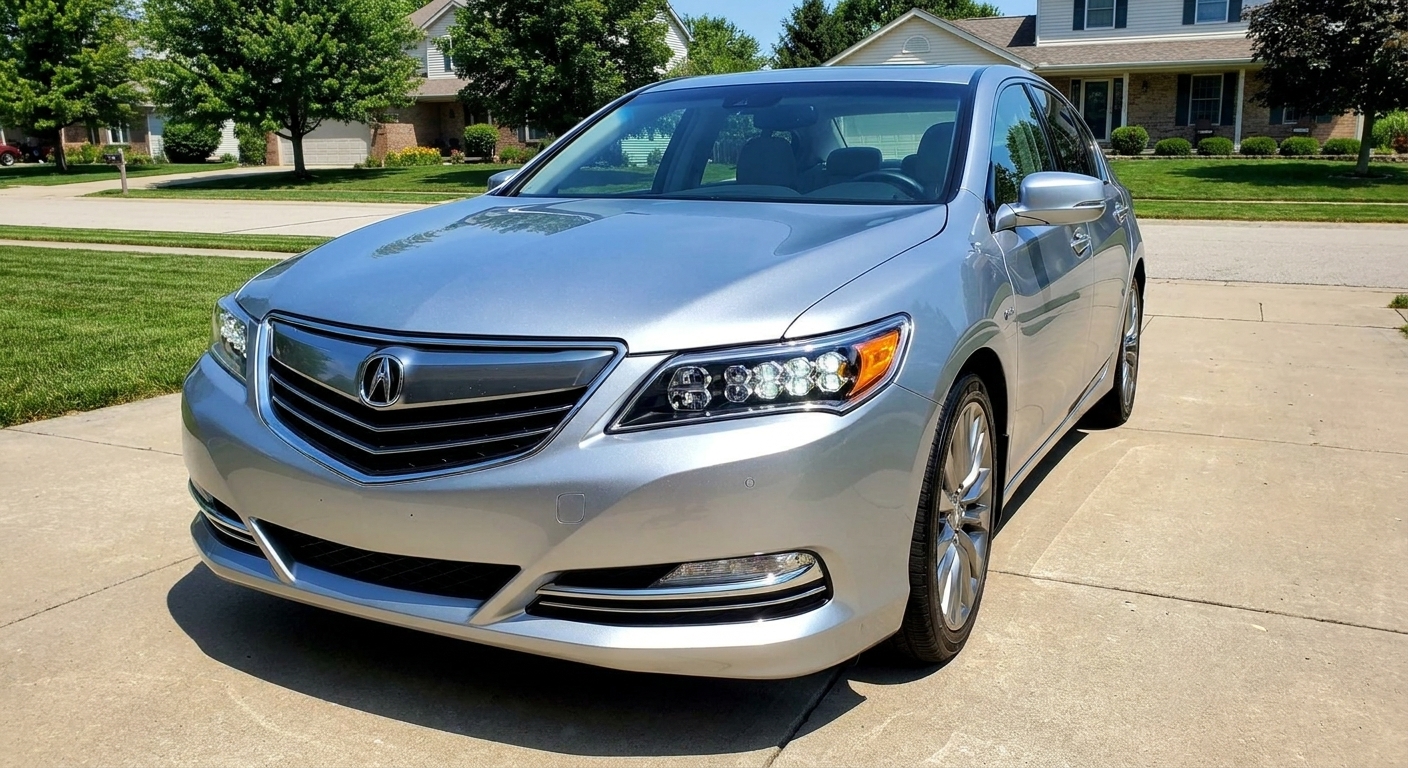
4) Acura RLX (2014 to 2020)
The Acura RLX might be the most underrated used luxury sedan on the road. It sold in small numbers, it does not have the brand heat of a German flagship, and that means depreciation is your friend.
Why it is a solid used buy
- Honda and Acura build quality with a more premium cabin feel than most people expect.
- Comfort-first tuning: it is a great long-distance commuter.
- Value pricing: a lot of car for the money, especially if you can find one with good history.
What to know about trims
You will see standard front-wheel-drive models and the Sport Hybrid SH-AWD. The hybrid can be excellent, but it is also more complex. On a strict budget, I typically lean toward the simpler setup unless you have a nearby shop that is comfortable with hybrid diagnostics.
What to check
- Infotainment operation: test every screen, button, camera, and audio function. Fixing luxury infotainment can get expensive fast.
- Suspension and tire wear: uneven wear can point to alignment issues or worn components.
- ADAS calibration: If equipped with advanced driver-assist features, confirm there are no warning messages.
Typical expensive item: model-specific tech parts can be harder to source than you would expect, simply because the RLX is not common.
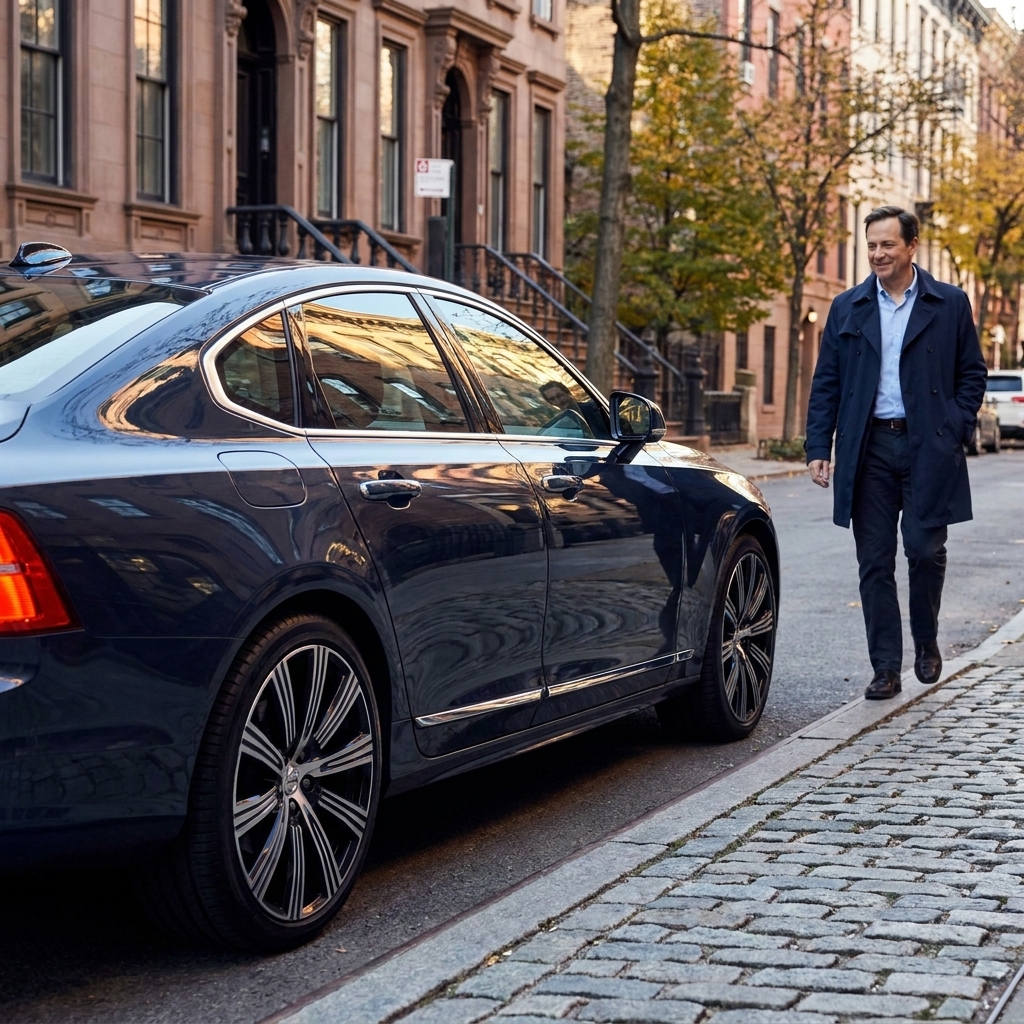
5) Volvo S90 (2017 to 2020)
Volvo sedans take a notable depreciation hit, and the S90 is a perfect example. It looks upscale, has a calm and modern interior, and can be a great used buy if you pick carefully and verify maintenance.
Why it can be a great buy
- Serious comfort: seats are among the best in the business for long drives.
- Strong safety focus with lots of driver-assist features in many trims.
- Elegant design that still feels special even after a few years.
What to check
- Maintenance history: Volvo is not the brand to wing it on oil changes and scheduled service. I specifically want documentation for scheduled services and any cooling system work.
- Drive-E engine care: Many S90s use Volvo’s Drive-E setup (turbocharged or turbo and supercharged depending on trim). Make sure the car has consistent oil change history, and confirm there are no warning messages or stored codes related to boost, misfires, or emissions.
- Electrical glitches: test every feature, including sunroof, cameras, sensors, and climate controls.
- Suspension feel: you want quiet, controlled movement, not clunks or bouncy damping.
Typical expensive item: infotainment and ADAS related repairs can get pricey out of warranty, so the cleanest, best-documented example is the cheapest one long-term.
Ownership reality check: this is the one on the list most likely to reward you for shopping at the top end of your budget for the cleanest example you can find.
Quick checklist
- Run a history report and still verify with your eyes. Clean reports can miss stuff.
- Budget for a pre-purchase inspection. If you spend $200 to $300 to avoid a $2,500 mistake, that is money well spent.
- Test drive on rough roads and at highway speed. Luxury cars hide problems until you load the suspension and brakes.
- Scan it with a quality OBD-II tool. Hidden codes and pending codes matter.
- Check tire brand and wear. Cheap mismatched tires often signal a cheap-owner mindset.
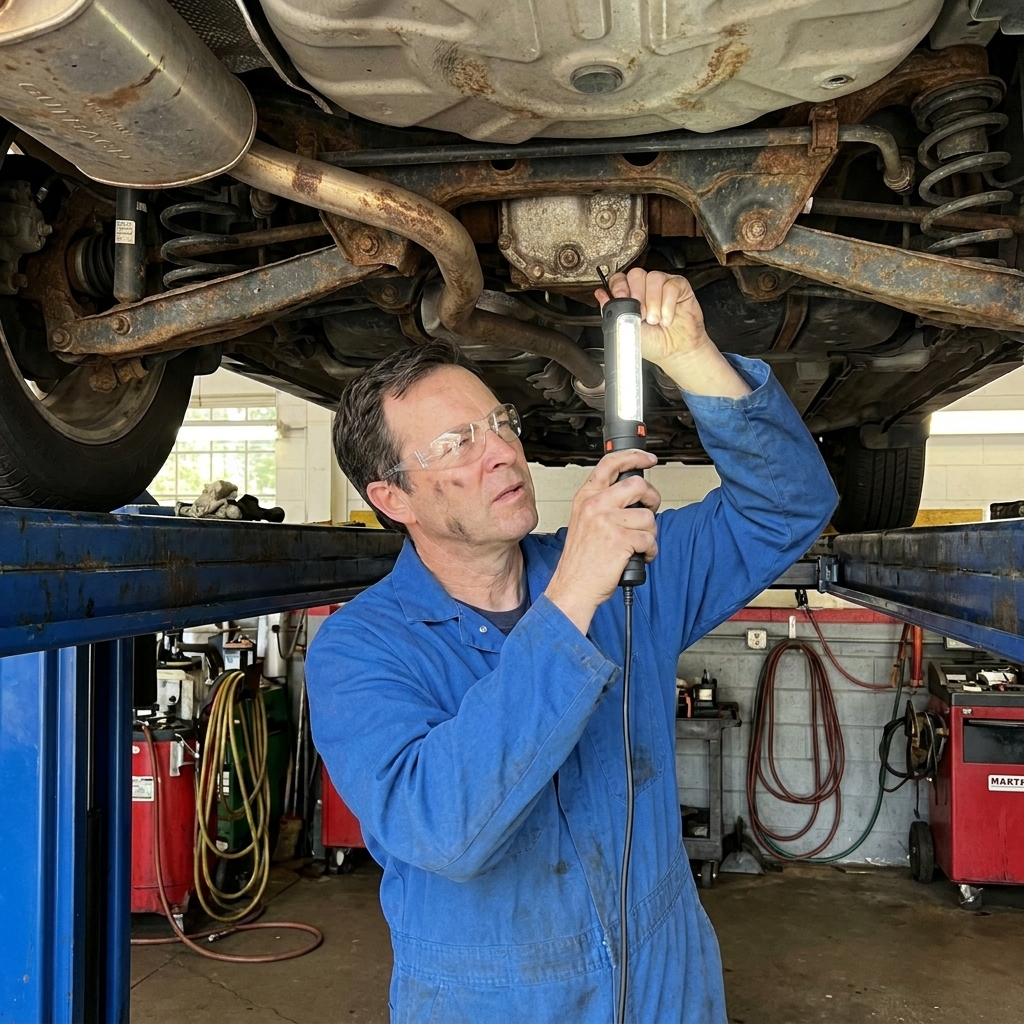
- Look underneath. If you live in a salt state, get serious about underbody rust, brake line condition, and subframe corrosion. Pretty paint does not mean a healthy underside.
FAQ
Are depreciated luxury cars always expensive to maintain?
No, but you need to separate “luxury badge” from “luxury complexity.” A used Lexus LS with good records can be less stressful than a neglected mainstream car. The expensive stories usually come from skipped maintenance, warning lights ignored, or buying a model with known high-dollar failure points.
What mileage is “too high” for a used luxury car?
I care more about maintenance than mileage. That said, once you are over about 120,000 miles, you want proof of major services and you should expect suspension wear, cooling system work, and age-related rubber and plastic issues.
Should I buy an extended warranty?
If the car is known for expensive electronics or complex drivetrains, a good warranty can make sense. Read the exclusions carefully, confirm who pays the shop, and make sure your preferred repair shop will work with that warranty company.
Bottom line
The trick is not finding the cheapest luxury car. The trick is finding a luxury car that depreciated because of market behavior, not because it is a financial grenade.
If you want the safest all-around pick, start with the Lexus LS 460 or a clean Genesis G80. If you want a sportier feel, a well-kept Infiniti Q50 with the 3.7 can be a lot of fun. And if you want modern Scandinavian comfort, a carefully chosen Volvo S90 can feel like a steal.
Whatever you pick, spend the money on an inspection. I have watched too many good people fall in love with a shiny badge and get blindsided by problems that were visible on a lift in 20 minutes.