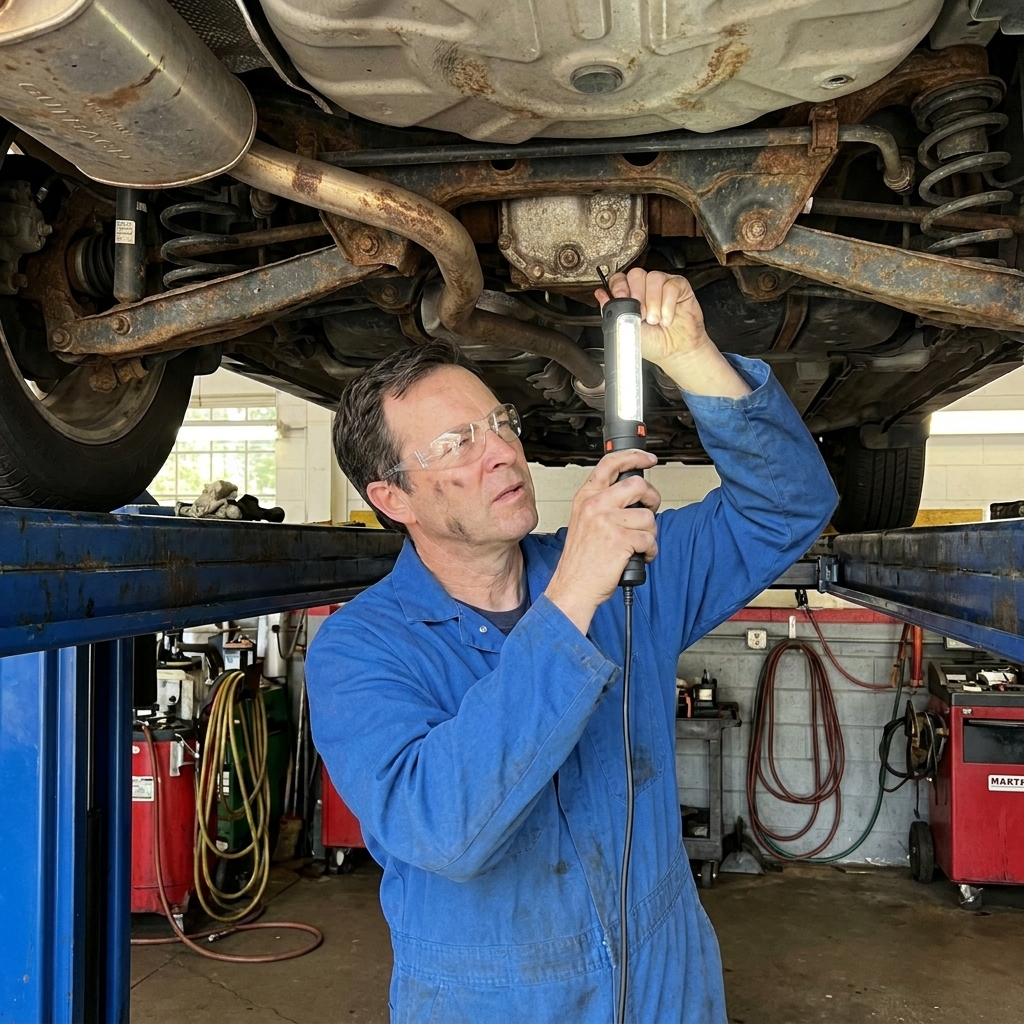
Learn how to find the right shop, schedule a pre-purchase inspection, what a PPI can cost, and how it can save you money on a used car.
Used Car Buying Guide
2016-2021 Honda Civic (10th Gen) Used Buyer’s Guide
Thinking about a used 2016-2021 Honda Civic? Here are the common problems to watch for, the best years to buy, trims that are the best values, and inspection tips before you sign.

Ben Sullivan
Ben Sullivan is a former ASE-certified mechanic with over 15 years of experience inspecting, repairing, and appraising used vehicles. He contributes to Car Wise Guide to help everyday buyers navigate the used car market with confidence, armed with the knowledge to spot hidden red flags and negotiate fair prices.
Published October 18, 2026
Updated October 18, 2026
If you want a compact car that’s easy to live with, holds value, and doesn’t punish you at the pump, the 10th generation Honda Civic (2016 through 2021) is still one of the safest bets in the used market. I inspected a lot of these when they were coming off lease, and when they’re maintained, they usually feel tight and “right” even with higher miles.
That said, this gen has a few repeat issues that can turn a great deal into a headache. Most of them are avoidable if you know what to look for, and which trims and years stack the odds in your favor.
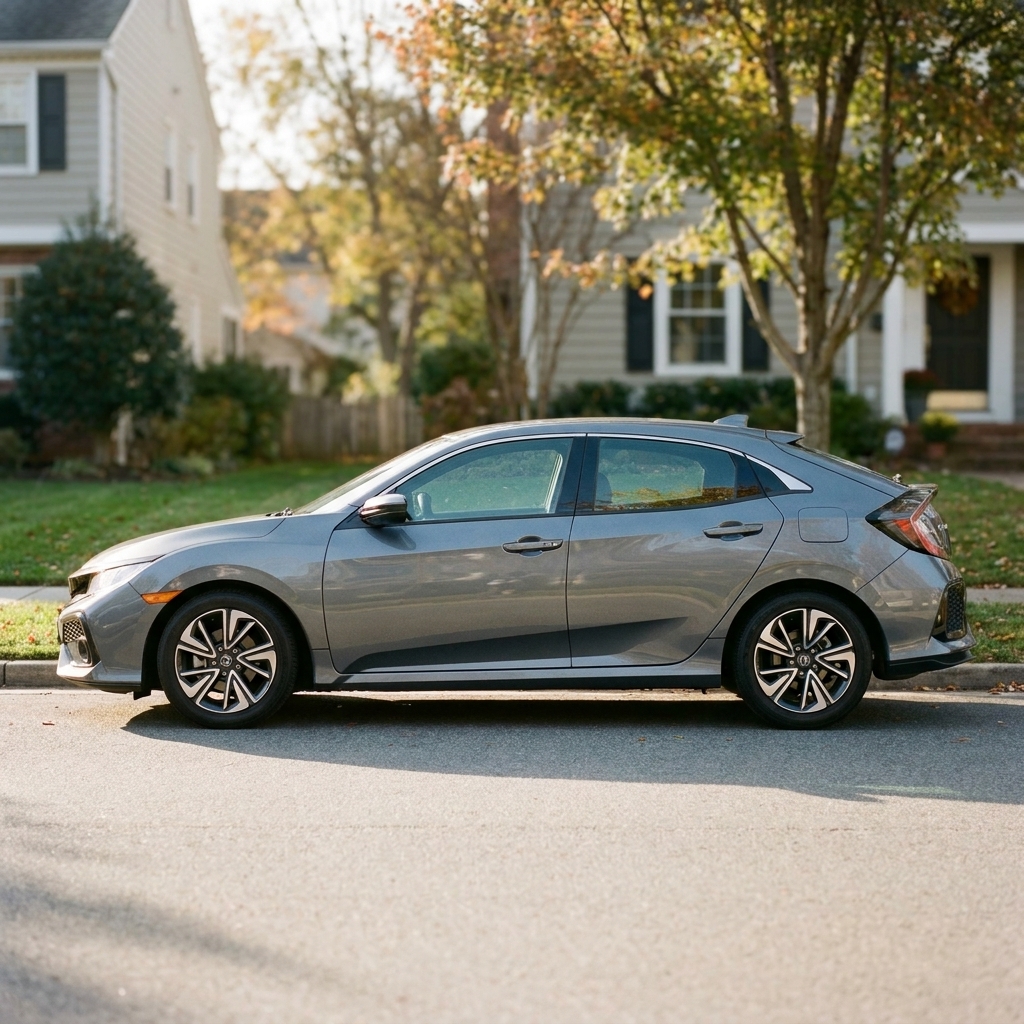
Quick verdict
- Best overall used picks: 2019 to 2021 Civic (especially after you confirm service history)
- Safest powertrain choice: 2.0L non-turbo (common on LX and many Sport trims, but verify by VIN/window sticker)
- Best daily driver blend: 1.5T with Honda Sensing and a clean oil change record
- Use extra caution with: early 1.5T cars (generally 2016 to 2018), heavily modified Civics, and any car with questionable CVT behavior
What changed by year
The 10th-gen Civic launched for 2016 with a big jump in interior quality, driving feel, and safety tech availability. Honda also moved a lot of Civics to turbo power with the 1.5L turbo (the “1.5T”), while the 2.0L non-turbo became the simpler, lower-stress option.
There were running updates as this generation went along. The most commonly cited refresh hit the sedan and coupe for 2019, while hatchback updates followed later depending on trim and market. In general, the later cars (2019 to 2021) are easier to recommend because you benefit from later-production tweaks, plus incremental tech and infotainment updates over time.
One more timeline note that saves shoppers time: the Civic coupe effectively ends before the last model year of this generation in many markets. If you are hunting for a 2021 coupe, you may be searching for something that is not actually out there.
Engines and transmissions
2.0L non-turbo (K20C2): the simple choice
If your priority is low drama and long-term reliability, the 2.0L non-turbo Civic is the one I steer budget-minded buyers toward. It’s not fast, but it’s generally forgiving of normal use, and it’s less likely to bring the turbo-related concerns you’ll read about on forums.
- Pros: simpler setup, typically fewer oil dilution complaints, usually cheaper to buy used
- Cons: slower passing power, often paired with fewer luxury features depending on trim
1.5L turbo (L15B7): strong torque, but verify upkeep
The 1.5T is a fun engine when it’s healthy. It’s punchy around town and makes the Civic feel like a class above. The tradeoff is that it’s more sensitive to oil change habits, driving patterns, and neglect.
The headline concern on early 1.5T cars was fuel dilution in the engine oil, especially in cold climates and on lots of short trips where the engine never fully warms up. Not every car is affected the same way, and many owners have zero issues, but as an inspector, I treat it as a “verify, don’t assume” item.
- Buyer takeaway: if you want a 1.5T, prioritize a car with consistent oil changes and avoid anything that smells strongly of fuel on the dipstick.
- Smart extra step: run the VIN and ask a dealer whether any applicable software updates, service bulletins, or campaigns were completed for that specific car.
CVT automatic: usually fine, but maintenance matters
Many 10th-gen Civics use a CVT. When they’re treated right, they can go the distance. When they’re abused, neglected, or asked to handle extra power from aggressive engine tuning, repairs are not cheap.
Here’s what I look for on a test drive:
- Shudder on light acceleration from a stop
- Surging or rubber-band feel that’s extreme (some is normal, but it should be smooth)
- Delay or harsh engagement when shifting from Park to Drive
- Whining that rises and falls oddly with speed
And here’s what I look for on paper:
- CVT fluid service history. If the seller has no record, budget for a CVT fluid service right away and consider walking if it drives poorly. Follow the owner’s manual guidance for your use case, and document the service so you are not guessing later.
6-speed manual: fun, but watch for abuse
Manual Civics can be excellent used buys, but they attract spirited driving. On a manual, pay close attention to clutch engagement, any grinding into gears, and modifications. A heavily modified Civic can be reliable in the right hands, but you’re buying someone else’s project, and that’s rarely a money-saving move.
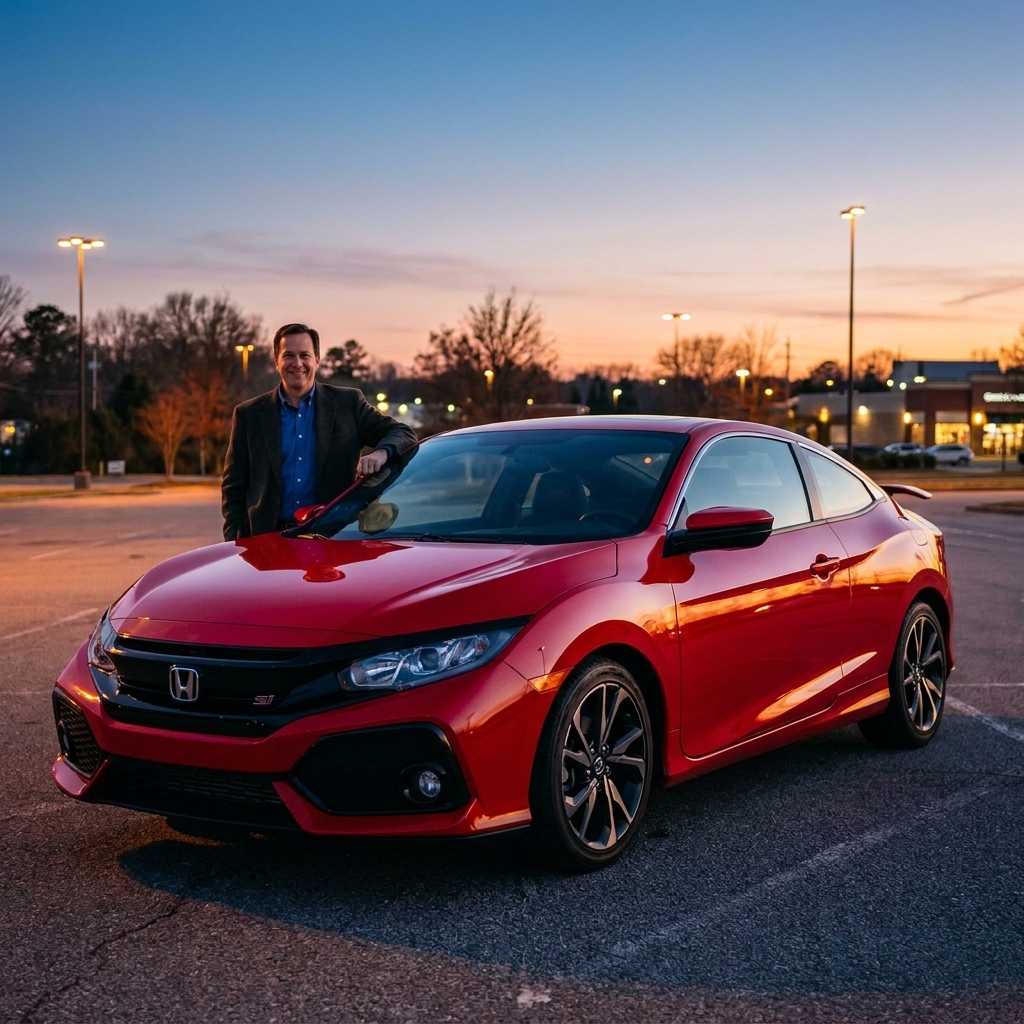
Common problems
1) Oil dilution concerns (mostly early 1.5T)
What it is: fuel mixing into the engine oil, which can reduce lubrication quality.
What to check:
- Pull the dipstick after the car has been off for a few minutes. Strong gasoline smell is a red flag.
- Look for an oil level that seems too high for a car that’s due for an oil change.
- Ask how the car was used. Lots of short trips in cold weather is the classic pattern.
Buying advice: I don’t automatically reject a 1.5T Civic, but I do insist on service documentation and a clean mechanical inspection. I also recommend running the VIN and confirming any relevant updates were performed.
2) A/C system trouble (condenser and compressor issues)
If you’ve been around these Civics, you’ve probably heard A/C complaints. I’ve seen enough weak-cooling Civics in this generation that I treat the A/C as a must-test item, not a “nice to have.”
What to check:
- With the engine idling, set A/C to LO and fan high. It should get cold quickly.
- Watch for cooling that fades at idle or in traffic.
- Listen for unusual clicking or cycling when A/C is on.
Buying advice: If the A/C isn’t clearly cold, negotiate as if you’ll be paying for diagnosis and repair. A simple recharge is not the same as fixing a leak or component failure. Also, run the VIN and ask the seller or a dealer whether there is any warranty extension or campaign history related to the A/C system for that specific car.
3) Infotainment and Bluetooth quirks
Some trims and years have infotainment systems that can be laggy or finicky with phone pairing. It’s rarely a dealbreaker, but it can be annoying every single day.
Across the later years, Honda also made incremental usability changes. Depending on year and trim, you may see things like updated software behavior and more physical controls. Do not assume two Civics from the same generation have the same head unit.
What to check:
- Pair your phone, stream audio, place a call, and use navigation for a few minutes.
- Test the backup camera and steering wheel controls.
- If you care about Apple CarPlay or Android Auto, confirm it works on the actual car, not just in the listing.
4) Road noise and tire wear (often sportier trims)
Low-profile tires look great and sharpen handling, but they can be louder and more vulnerable to pothole damage. Uneven tire wear can also hint at alignment issues or suspension damage.
What to check:
- Inspect the inside edge of all tires for excess wear.
- On the highway, listen for howling that changes with road surface, a sign of cupped tires.
5) Modified or tuned cars
This is less a “Honda problem” and more a used-car reality. Civics are popular platforms, which means a good chunk have been tuned, lowered, or run with aftermarket intakes and exhausts.
What to check:
- Aftermarket parts under the hood, non-factory clamps, or missing factory airbox pieces
- Boost gauges or add-on controllers
- Sloppy wiring for stereos or lighting
- Evidence the catalytic converter or emissions equipment was altered
Buying advice: Unless you know exactly what you’re looking at, stick to stock or lightly modified cars with documentation.
Best years to buy
Best years for most buyers: 2019, 2020, 2021
If you want the best odds of a smooth ownership experience, I like the later years of this generation. They’re newer, often have incremental tech updates, and you’re more likely to find one-owner examples with consistent maintenance.
Approach carefully: 2016 to 2018 (especially early 1.5T)
Plenty of 2016 to 2018 Civics are great cars. I’m not saying “don’t buy.” I’m saying these are the ones where I’m extra strict about:
- maintenance records
- A/C performance
- oil condition and oil change intervals (for 1.5T)
- CVT behavior on the test drive
If the seller can’t answer basic questions and the car has no paper trail, keep walking. There are too many Civics out there to gamble.
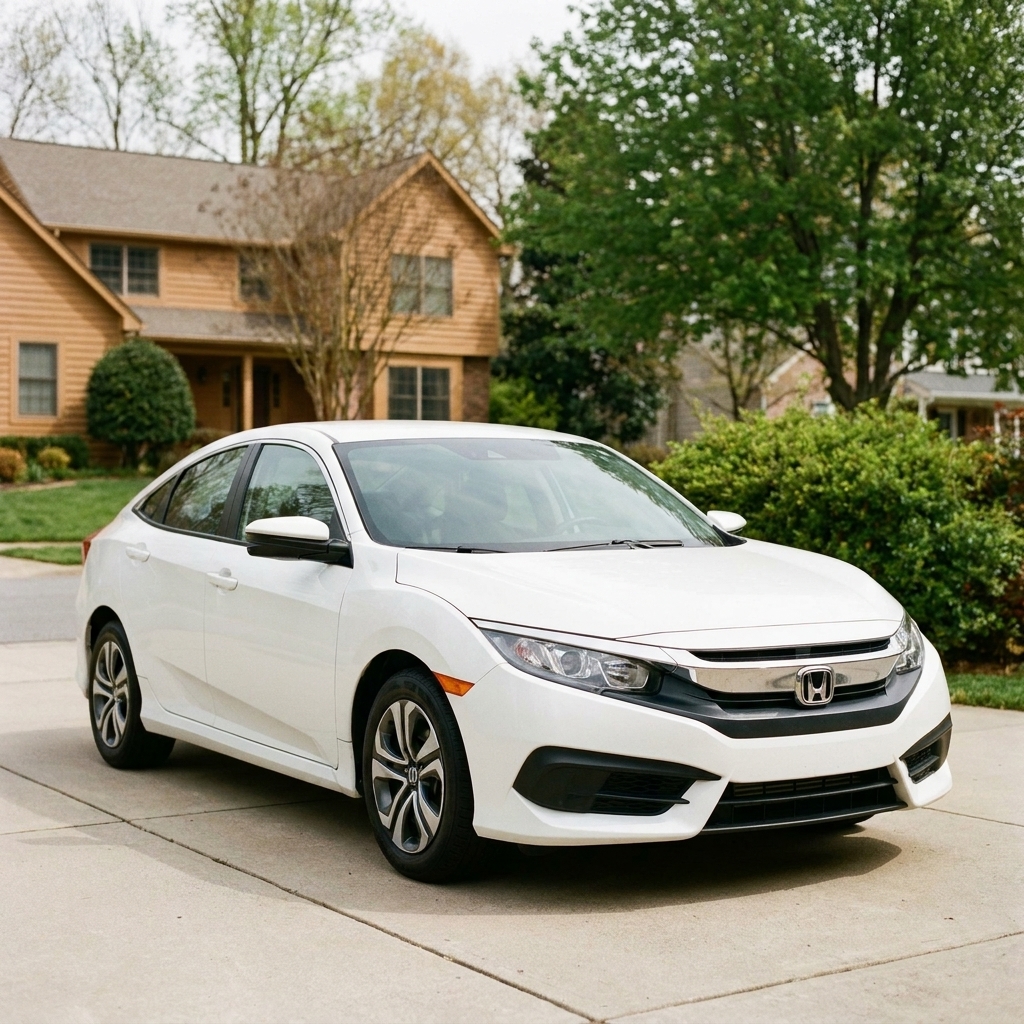
Best trims for value
Trim strategy is where you can really win on a used Civic. The “best” trim depends on what you care about most: simple reliability, safety tech, or comfort features. Also, do not assume a feature is standard just because it exists in this generation. Availability can vary a lot by year, trim, and market.
Best value for most people: EX (especially 2019 to 2021)
The EX tends to hit the sweet spot: better features than the base trims without climbing into top-trim pricing. If you can find an EX with Honda Sensing and a clean history, it’s an easy recommendation for commuting and family duty.
Best budget pick: LX (or Sport with the 2.0L)
If you’re shopping with long-term cost in mind, the LX can be a great buy, and the simpler 2.0L setup is a plus. Just understand you may give up features like heated seats, upgraded audio, and some driver-assist tech depending on year and package. On engine choice, verify the actual car by VIN or window sticker since there are exceptions.
Best for driving feel: Si (for the right buyer)
The Civic Si is genuinely fun, and Honda usually nails the steering and chassis tuning. The downside is that Si models are more likely to have been driven hard or modified. Buy the best, cleanest, most stock Si you can find, and pay for a pre-purchase inspection.
Top trims: Touring and Sport Touring
These can be fantastic daily drivers with the nicest interiors and features. The only caution is price. On the used market, top trims sometimes sit just close enough to newer cars or even a CPO deal that it’s worth running the numbers.
Trims I’d skip (not because they’re bad)
- Overpriced “sport appearance” listings where you’re paying extra mainly for wheels, spoilers, and badges
- Any trim with unresolved A/C issues or no documentation, regardless of price
Sedan vs hatchback vs coupe
Sedan
Usually the easiest to shop for, often the best pricing, and a great commuter layout.
Hatchback
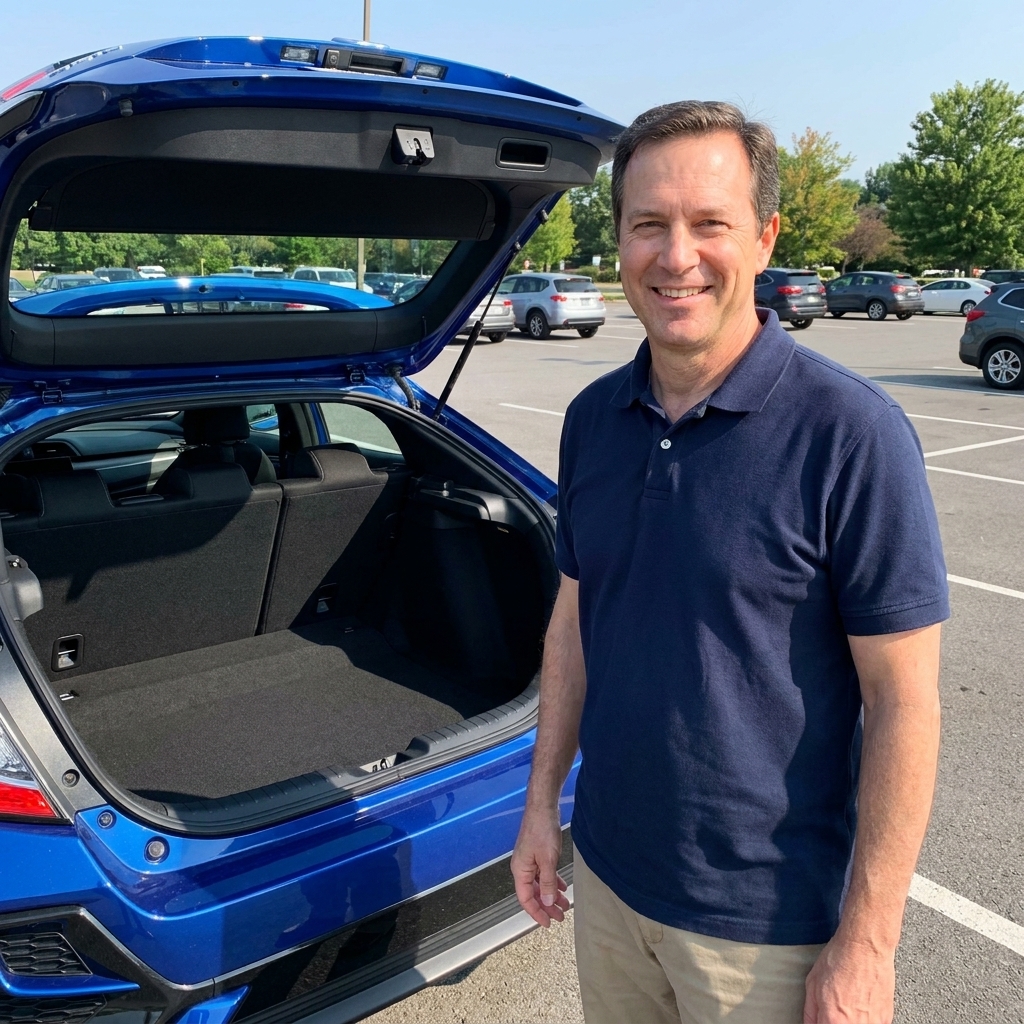
If you haul gear, pets, or strollers, the hatchback is the practical winner. Used hatchbacks can command a premium, but the utility is real.
Coupe
Cool looks, but coupes can be harder to resell and insure depending on your situation. Also, availability gets thinner late in this generation, so you may have to shop wider or travel to find a clean one. If you love it, buy it. If you are trying to make the most pragmatic choice, the sedan or hatch is usually the move.
What to check before you buy
If you take nothing else from this guide, take this: a Civic can be a great car and still be a bad purchase if it was neglected or repaired poorly. Here’s my quick, real-world checklist.
On the walkaround
- Look for mismatched paint, overspray, and uneven panel gaps (collision repair clues).
- Check tire wear patterns and curb rash on wheels.
- Inspect headlight clarity and moisture inside housings.
Under the hood
- Check oil level and condition. On 1.5T, smell for fuel on the dipstick.
- Look for coolant level stability and signs of leaks.
- Scan for aftermarket modifications and sloppy wiring.
On the test drive
- From cold start, listen for odd rattles and verify idle is stable.
- Test A/C thoroughly at idle and while driving.
- For CVT: smooth takeoff, no shudder, no harsh engagement.
- On the highway: verify it tracks straight, brakes smoothly, and no steering wheel shake.
Paperwork, recalls, and campaigns
- Ask for oil change and transmission service records.
- Run the VIN for open recalls and confirm completion where possible.
- Ask a Honda dealer to check the VIN for applicable service bulletins, software updates, and any warranty extensions or campaigns (A/C issues and 1.5T updates are worth asking about).
- Run a vehicle history report and still inspect it like it has no history report.
- Get a pre-purchase inspection from a shop that sees Hondas regularly.
Ownership costs and longevity
A well-kept 10th-gen Civic can go a long time with basic maintenance. Budget for normal wear items like tires and brakes, and be proactive about fluids. If you’re buying a turbo model, I recommend a conservative maintenance mindset: consistent oil changes, high-quality oil, and not stretching intervals just because the maintenance minder says you can.
If you want the “appliance reliable” experience, the 2.0L plus a clean history is hard to beat. If you want a little more punch, the 1.5T can still be a great long-term partner, but only if it was treated right before it ever reached you.
FAQ
Is the 2016-2021 Honda Civic a reliable used car?
Generally, yes. The platform is strong, and most issues are manageable if you buy carefully. The biggest difference maker is maintenance history, especially on 1.5T turbo models and CVT-equipped cars.
Which 10th-gen Civic engine is best?
If you prioritize simplicity and long-term predictability, the 2.0L non-turbo is my pick. If you want stronger torque and don’t mind being strict about oil changes and inspection, the 1.5T is enjoyable and efficient.
What’s the best trim for the money?
For most used buyers, an EX is the sweet spot. If you’re trying to keep costs low long-term, an LX with a great service record can be a smarter buy than a higher trim with unknown history.
Should I avoid CVT Civics?
Not automatically. I’ve seen plenty run a long time. But I do recommend you prioritize smooth driving behavior, service records, and a pre-purchase inspection because a sick CVT can get expensive fast.
Is a Civic Si a good used buy?
It can be, especially if it’s stock and owned by someone who maintained it properly. The risk is buying one that’s been tuned hard, modified, or driven aggressively without the maintenance to match.
My bottom line
If you buy the right 10th-gen Civic, you’re getting one of the best all-around used cars of the last decade. My simplest advice is this: favor 2019 to 2021, verify A/C performance, confirm the car’s maintenance and update history by VIN, and do not skip a pre-purchase inspection. That’s how you end up with a Civic that feels like a win every time you turn the key, instead of a “how is this already broken?” story two weeks after purchase.