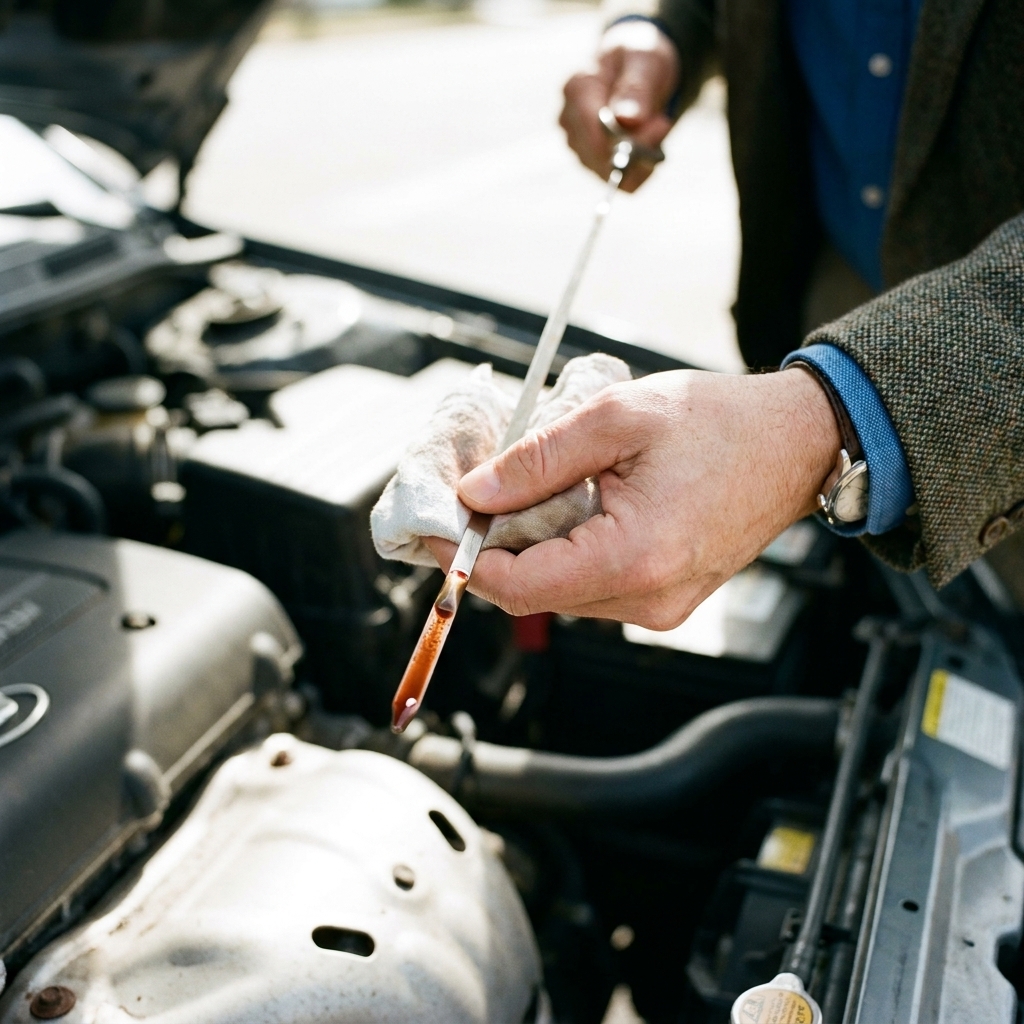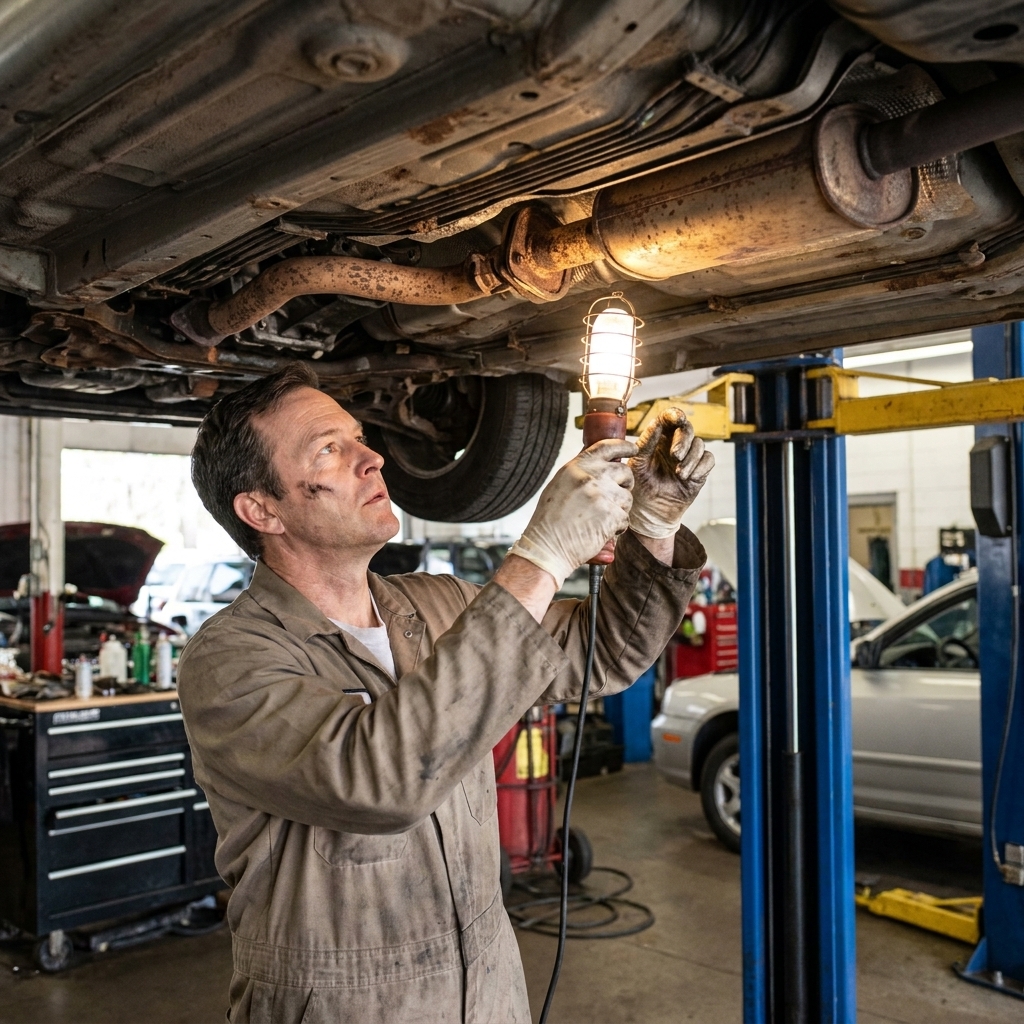
Step-by-step: scheduling a PPI, what gets inspected, red flags to watch for, and how to use the results to negotiate a fair deal on a used car.
Used Car Buying Guide
2015-2020 Ford F-150 Engines Ranked by Reliability
Shopping a 2015-2020 Ford F-150? Here’s how the 2.7 EcoBoost, 3.5 EcoBoost, 5.0 V8, 3.3 V6 (2018-2020), and 3.0 Power Stroke (2018-2020) stack up for long-term reliability, towing, and ownership cost.

Ben Sullivan
Ben Sullivan is a former ASE-certified mechanic with over 15 years of experience inspecting, repairing, and appraising used vehicles. He contributes to Car Wise Guide to help everyday buyers navigate the used car market with confidence, armed with the knowledge to spot hidden red flags and negotiate fair prices.
Published October 18, 2026
Updated October 18, 2026
If you’re shopping a used 2015 to 2020 Ford F-150, you’re looking at the first full generation of aluminum-body half-tons. The bodies hold up nicely against rust, they drive more modern than the older steel trucks, and there’s an engine for just about every kind of owner.
But here’s the catch: not all of those engines age the same. I’ve inspected a lot of these trucks for buyers, and the happiest long-term owners tend to pick the engine that matches how they actually use the truck, then verify the maintenance and a few known problem areas before money changes hands.
Reliability ranking (best to worst)
This ranking assumes normal, stock trucks and normal ownership. A tuned EcoBoost, a neglected oil-change history, or chronic overheating can flip the script fast.
Quick availability note: Two engines in this list are not available across the whole 2015 to 2020 run. The 3.3L naturally aspirated V6 shows up starting in 2018 (it replaced the earlier base V6). The 3.0L Power Stroke diesel is also a 2018 to 2020 engine. For 2015 to 2017 base trucks, you’ll commonly see the 3.5L naturally aspirated V6 instead.
- 1) 2.7L EcoBoost V6: Best all-around reliability and real-world torque, great daily driver and light to moderate towing.
- 2) 3.3L Ti-VCT V6 (non-turbo, 2018 to 2020): Simple, steady, and usually inexpensive to own, but not a towing powerhouse.
- 3) 5.0L V8: Strong performer with a few year-specific oil consumption and drivability watch-outs.
- 4) 3.5L EcoBoost V6: Excellent tow motor, but more moving parts and more common expensive issues if maintenance slips.
- 5) 3.0L Power Stroke diesel (2018 to 2020): Great highway towing manners, but modern diesel emissions complexity can get pricey out of warranty.
1) 2.7L EcoBoost (Best overall)
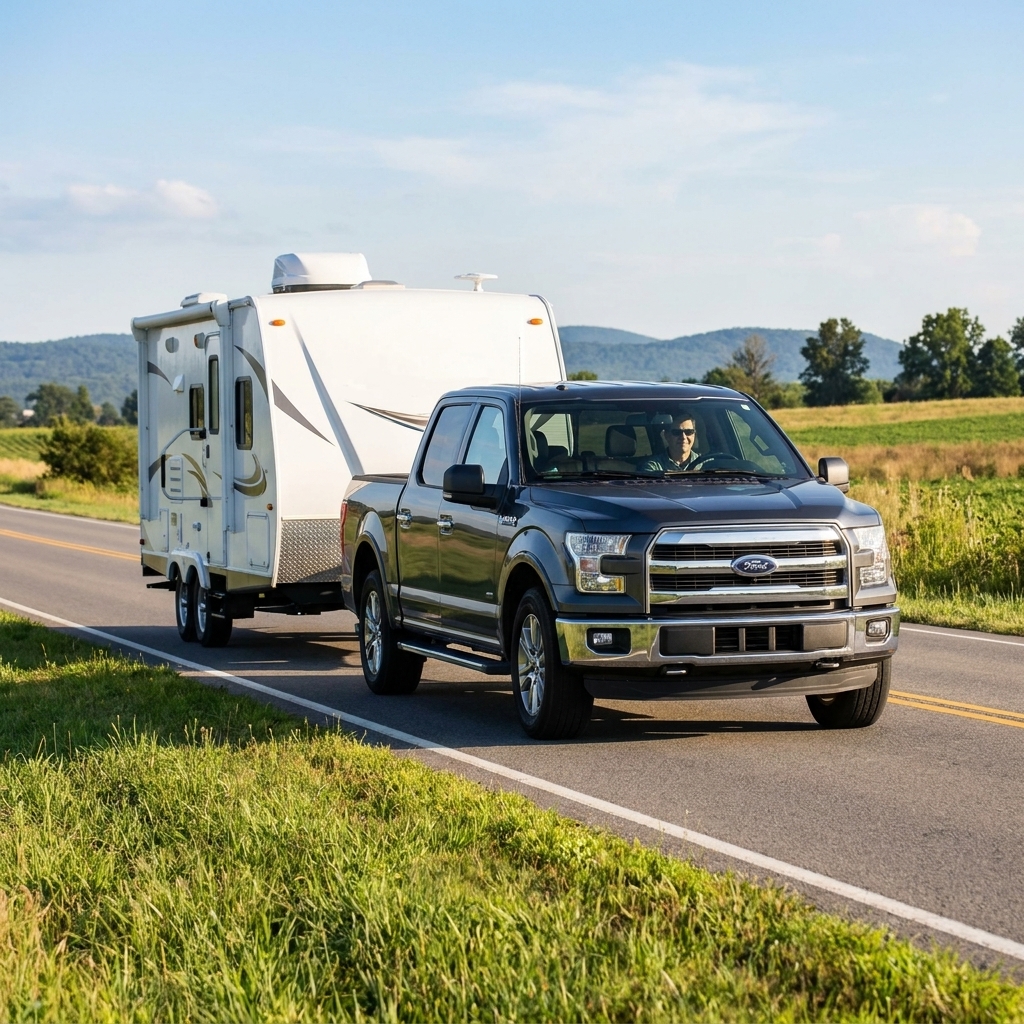
If you want my default recommendation for a used 2015 to 2020 F-150, it’s the 2.7 EcoBoost. It’s the engine I see aging the most gracefully for typical owners who commute, haul weekend project supplies, and tow a travel trailer a handful of times a year.
Why it earns the top spot
- Strong low-end torque without working hard: It makes usable power early, so it doesn’t feel strained in normal driving.
- Fewer big-bill stories than you’d expect: Turbos always add complexity, but the 2.7 tends to be less drama-prone than people assume.
- Good match for the 10-speed era: In 2018 to 2020 trucks, the transmission keeps the engine in its sweet spot, which helps with heat and load.
What to watch for on a test drive
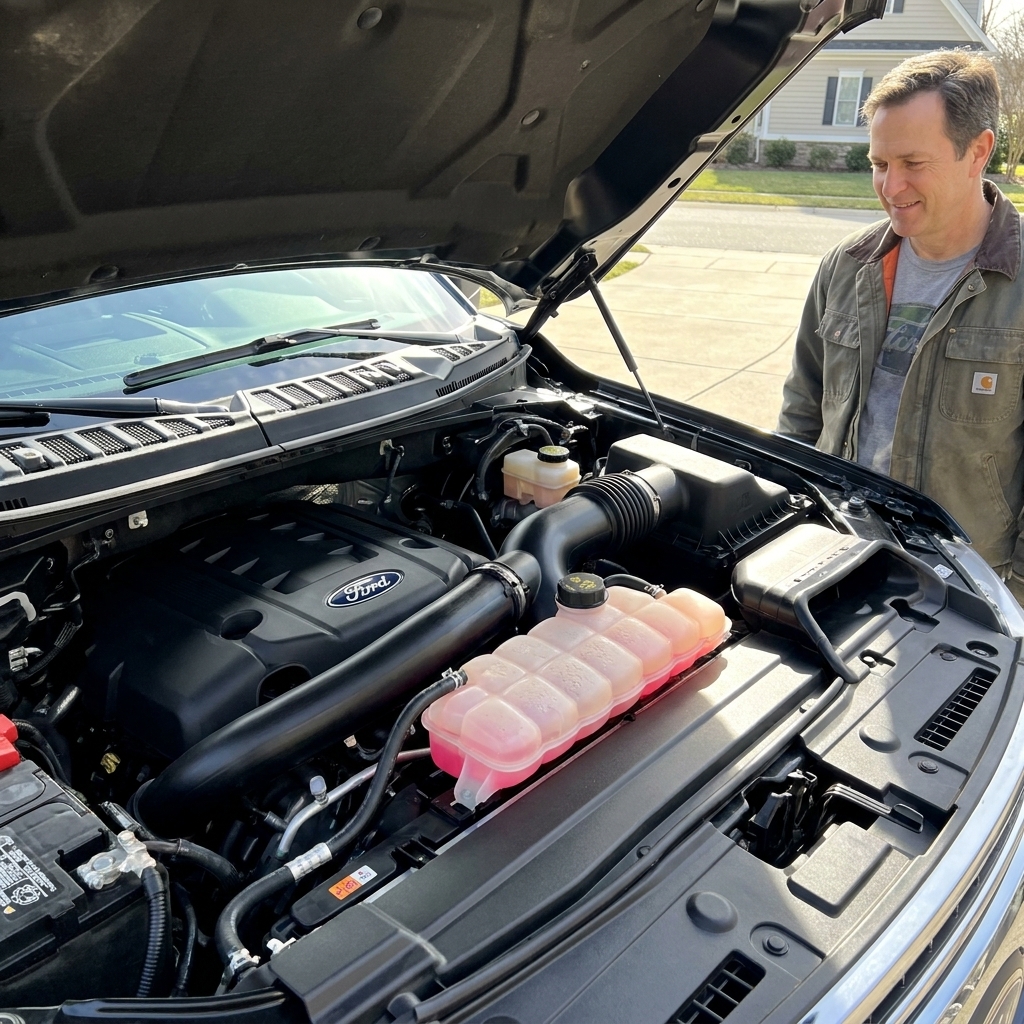
- Coolant level and sweet smell: Any chronic low coolant needs an explanation and a pressure test.
- Oil change history: Turbo engines are less forgiving. I like to see consistent oil services, not long gaps.
- Hard acceleration check: With the engine fully warm, roll into the throttle. You want smooth boost, no surging, no misfire.
Best for: Most buyers, especially if you want a comfortable daily driver that can still tow confidently when needed.
2) 3.3L V6 (Simple pick)
Year fit: The 3.3L naturally aspirated V6 is a 2018 to 2020 engine in the F-150. If you are shopping 2015 to 2017 trucks with the base engine, you are typically looking at the 3.5L naturally aspirated V6 instead.
The 3.3L is the quiet value play in this generation. It’s not the engine people brag about at the parts counter, but if you want fewer turbo-related variables and you’re honest about towing needs, it can be a very smart used buy.
Strengths
- Less complexity: No turbos, no intercoolers, fewer heat-management parts to age out.
- Usually owned by practical people: A lot of 3.3 trucks were fleet or budget-minded trims. That can mean lots of miles, but also routine service.
- Lower-cost repairs: In general, the boring engine tends to be cheaper when something does go wrong.
Where owners get disappointed
- Towing and payload expectations: It can tow, but it’s not the effortless tow engine that the 3.5 EcoBoost is. You’ll feel it on grades, especially with heavier trailers.
- Gearing matters: Axle ratio makes a bigger difference with the 3.3 than people realize.
Best for: High-mile daily driving, light hauling, occasional small trailer, and buyers who value simplicity over max torque.

3) 5.0L V8 (Pick carefully)
The 5.0 V8 is why a lot of people buy an F-150. It sounds right, it feels linear, and it’s a classic fit for a half-ton. In this generation, though, the 5.0 has a reputation that depends heavily on the year and how it was treated.
What the 5.0 does well
- Predictable power delivery: No boost ramp, no turbo heat soak considerations.
- Good for steady work: If you tow in hot climates or spend long days on the highway, some owners prefer the V8 feel and response.
Known reliability watch-outs
- Oil consumption complaints (notably in later years of this range): Some trucks burn oil. Some burn none. You need to verify.
- Cold start noise and roughness: A brief noise at startup can be normal, but repeated loud knocking or persistent ticking deserves a deeper look.
- Maintenance sensitivity: Like any modern engine, long oil intervals and low oil level can turn fine into expensive.
How to screen a used 5.0 quickly
- Check the oil level before the test drive: Not after. If it’s low, you learned something.
- Ask directly about oil top-offs between changes: If the seller casually says “they all do that,” price the truck accordingly or move on.
- Look for consistent service records: Especially on higher-mile trucks.
Best for: Buyers who want V8 character and do moderate towing, and who are willing to be picky about history and condition.
4) 3.5L EcoBoost (Tow king, higher stakes)
If your priority is towing performance, the 3.5 EcoBoost is the heavy hitter. It makes torque like a bigger engine, and when everything is healthy it tows with confidence.
Reliability-wise, the 3.5 isn’t bad. It’s just busier: more boost, more heat, more parts. That raises the odds that a previous owner’s shortcuts become your repair bill.
Where the 3.5 shines
- Towing and passing power: Especially at altitude or on long grades.
- Easy power at low RPM: Less downshifting than you might expect with the right axle ratio.
Common trouble spots to take seriously
- Cam phasers and timing-related noise: Rattle on cold start is the classic symptom buyers report. Not every truck has it, but if it does, don’t shrug it off.
- Ignition and misfire under load: Spark plugs and coils are normal wear items, but repeated misfires can point to deeper issues or neglected maintenance.
- Boost leaks: Split boots, tired clamps, and intercooler plumbing leaks can cause poor drivability.
Buying advice
- Listen on a cold start: Ideally after it sat overnight. A warmed-up truck can hide noises.
- Prefer stock trucks: Tunes can be fun, but they add risk when you’re buying used.
- Budget for preventive maintenance: If you tow a lot, stay on top of fluids and spark plugs.
Best for: Frequent towing, heavier trailers, and buyers who are disciplined about maintenance and okay with higher repair stakes.
5) 3.0L Power Stroke (Diesel caution)
Year fit: The 3.0L Power Stroke diesel is a 2018 to 2020 option in the F-150. If you are looking at 2015 to 2017 trucks, you can skip diesel shopping entirely because it was not offered yet.
The 3.0 Power Stroke is a niche engine in the F-150 world. When it’s running right, it’s a relaxed highway cruiser with excellent towing manners and strong low-end torque.
My concern on a used modern half-ton diesel is not the basic rotating assembly. It’s the emissions hardware and the owner behavior that triggers problems: lots of short trips, lots of idling, and skipped maintenance because “it’s a diesel, it’ll run forever.”
Why it ranks lowest for reliability
- Emissions complexity: Diesel particulate filter systems, sensors, and related hardware can be expensive when faults pop up.
- Higher cost of entry and ownership: Repairs can be specialized, and not every independent shop wants to diagnose modern diesel issues.
- Usage matters a lot: A diesel that lives on the highway is usually a very different story than one used for 2-mile errands.
When a used 3.0 diesel makes sense
- You drive long distances regularly: It needs consistent heat and highway time.
- You find one with excellent records: Documented maintenance and a clean scan for stored codes matter here.
- You’re keeping it stock: Modified emissions systems are a legal and financial headache.
Best for: High-mile highway drivers and long-distance tow rigs, preferably with a strong maintenance paper trail.
Year and transmission matter
Engines don’t live alone. Two notes I bring up in almost every 2015 to 2020 F-150 inspection conversation:
- 2015 to 2017 vs. 2018 to 2020: The 2018 refresh brought changes across the lineup, including widespread use of the 10-speed automatic. That can improve performance and economy, but it also adds its own behavior quirks. A smooth, consistent shift pattern is what you’re looking for. Harsh, unpredictable shifting needs diagnosis. It’s also when the base engine changed from the naturally aspirated 3.5 V6 to the naturally aspirated 3.3 V6.
- Cooling system health matters when towing: No matter which engine you choose, a marginal cooling system turns towing into a reliability problem. Look for stable temps, clean coolant, and no signs of repeated overheating.
Quick engine picks
- Best for most people: 2.7 EcoBoost
- Best if you want simple and cheap to own (2018 to 2020): 3.3 V6
- Best for frequent towing: 3.5 EcoBoost (with careful screening)
- Best if you just want a V8: 5.0 V8 (be picky about condition and oil use)
- Best for long highway miles and diesel fans (2018 to 2020): 3.0 Power Stroke (only with strong records)
Pre-purchase checklist
If you do nothing else, do these before buying:
- Scan for codes with a real scan tool: Not just “no check-engine light.” Stored and pending codes tell the truth.
- Cold start listen test: Especially important on the 3.5 EcoBoost for timing-related noise.
- Check oil level and condition: On the 5.0, low oil can be a clue. On turbo engines, dirty oil can be a clue.
- Full warm test drive under load: Find a hill or safely apply steady throttle. Misfires, surging, or shuddering show up here.
- Look for coolant crusting and leaks: Dried coolant residue around hoses, fittings, and reservoirs is a red flag.
- Review maintenance records like a detective: Consistency matters more than brand. Long gaps matter.
If a seller won’t allow a pre-purchase inspection, I treat that as an answer. There are too many good F-150s out there to gamble on the one with secrets.
FAQ
Is the 2.7 EcoBoost reliable at high mileage?
In my experience, it can be, as long as the oil changes were consistent and the truck wasn’t run low on oil or overheated. High mileage turbo engines are all about maintenance history and how they drive today under load.
Which F-150 engine is best for towing a travel trailer?
If you tow often or tow heavy, the 3.5 EcoBoost is usually the most confident choice. If you tow occasionally and want a great daily driver too, the 2.7 EcoBoost is often the sweet spot.
Should I avoid the 5.0 because of oil consumption?
Not automatically. Some trucks are fine. The key is verifying oil level and asking pointed questions about top-offs and service intervals. If you find a clean-history truck that does not burn oil, the 5.0 can be a satisfying long-term engine.
Is the 3.0 Power Stroke a good used buy?
It can be for the right owner who drives long distances and keeps up with maintenance. For short-trip driving or owners who want the lowest-risk used truck, it’s usually not my first recommendation because emissions-related repairs can be costly.