Step-by-step: scheduling a PPI, what gets inspected, red flags to watch for, and how to use the results to negotiate a fair deal on a used car.
Used Car Buying Guide
10 Most Reliable Used SUVs Under $15,000
Shopping for a dependable used SUV under $15,000? Here are 10 proven picks, plus shop-tested lifespan and maintenance cost estimates, common weak spots, and what to check before you buy.

Ben Sullivan
Ben Sullivan is a former ASE-certified mechanic with over 15 years of experience inspecting, repairing, and appraising used vehicles. He contributes to Car Wise Guide to help everyday buyers navigate the used car market with confidence, armed with the knowledge to spot hidden red flags and negotiate fair prices.
Published October 18, 2026
Updated October 18, 2026
What “reliable under $15,000” means in 2026
I’ve inspected thousands of used SUVs, and here’s the honest truth: in the under-$15k bracket, the “best” SUV is usually the one with boring ownership history. Regular oil changes. No overheating episodes. No mystery lights on the dash. No bargain tires wearing weird on one corner.
So this list isn’t about the fanciest tech or the most horsepower. It’s about the SUVs that consistently make it to high mileage without bankrupting their owners, plus the maintenance costs you should plan for if you want that dependability to continue.
Quick reality check: In 2026, some of the “big-name” reliable SUVs (4Runner, Highlander, RX) can still be found under $15,000, but you may be shopping higher mileage, older model years, or more basic trims. That’s normal. Condition and records are what separate a deal from a money pit.
About the numbers: The lifespan and annual cost ranges below are shop-observed estimates, not a formal dataset. They can swing a lot based on rust exposure, towing or off-road use, and how long the previous owner stretched maintenance intervals.
- Expected engine lifespan: Shop-observed ranges I see when the vehicle is maintained on time and not abused. This is not a promise.
- Average annual maintenance cost: My real-world estimate for routine wear items and common repairs averaged out, assuming you stay ahead of problems. This does not include accidents, yearly tires, or years of neglect catching up all at once.
Top 10 reliable used SUVs under $15,000
Prices vary wildly by region, mileage, and rust exposure. As a rule, you’ll get the best long-term deal by buying the cleanest, best-documented example you can find, even if it’s a little higher mileage.
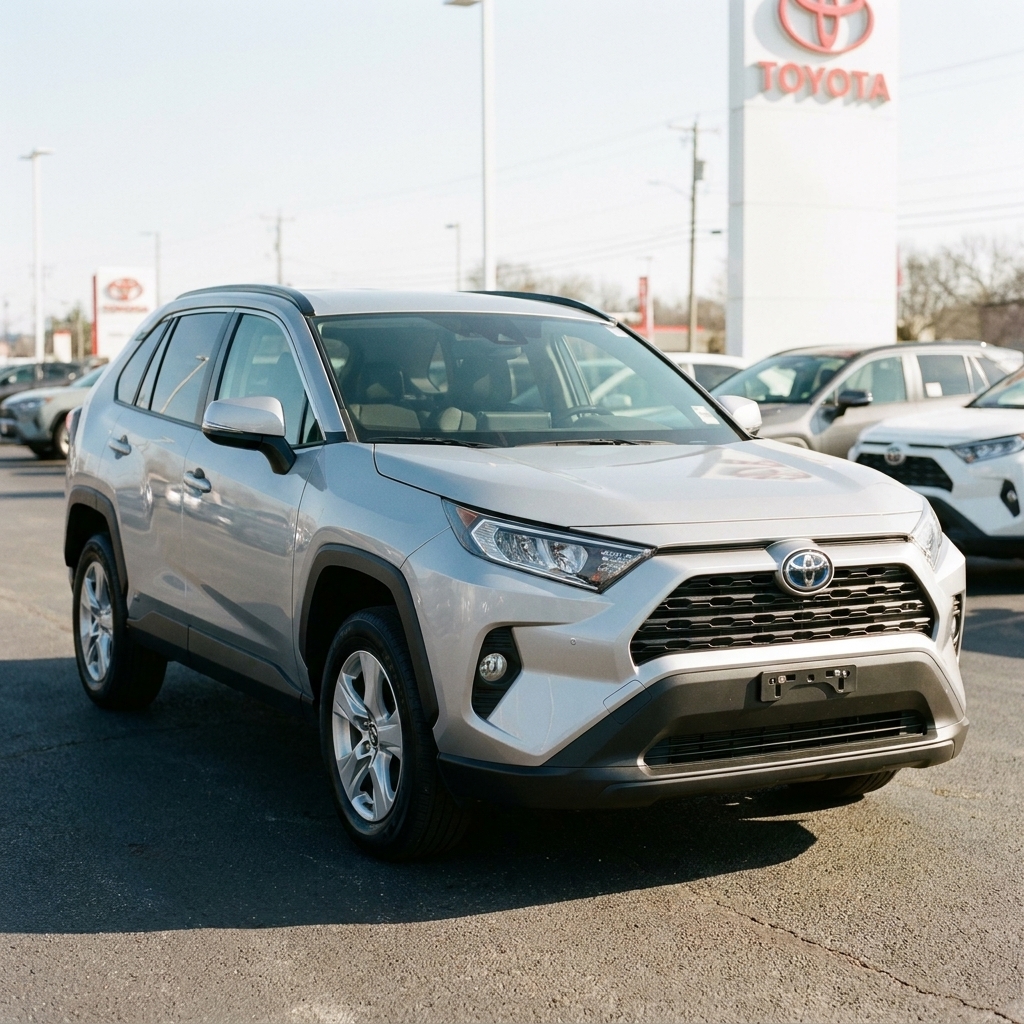
1) Toyota RAV4 (2009 to 2012, 2013 to 2015)
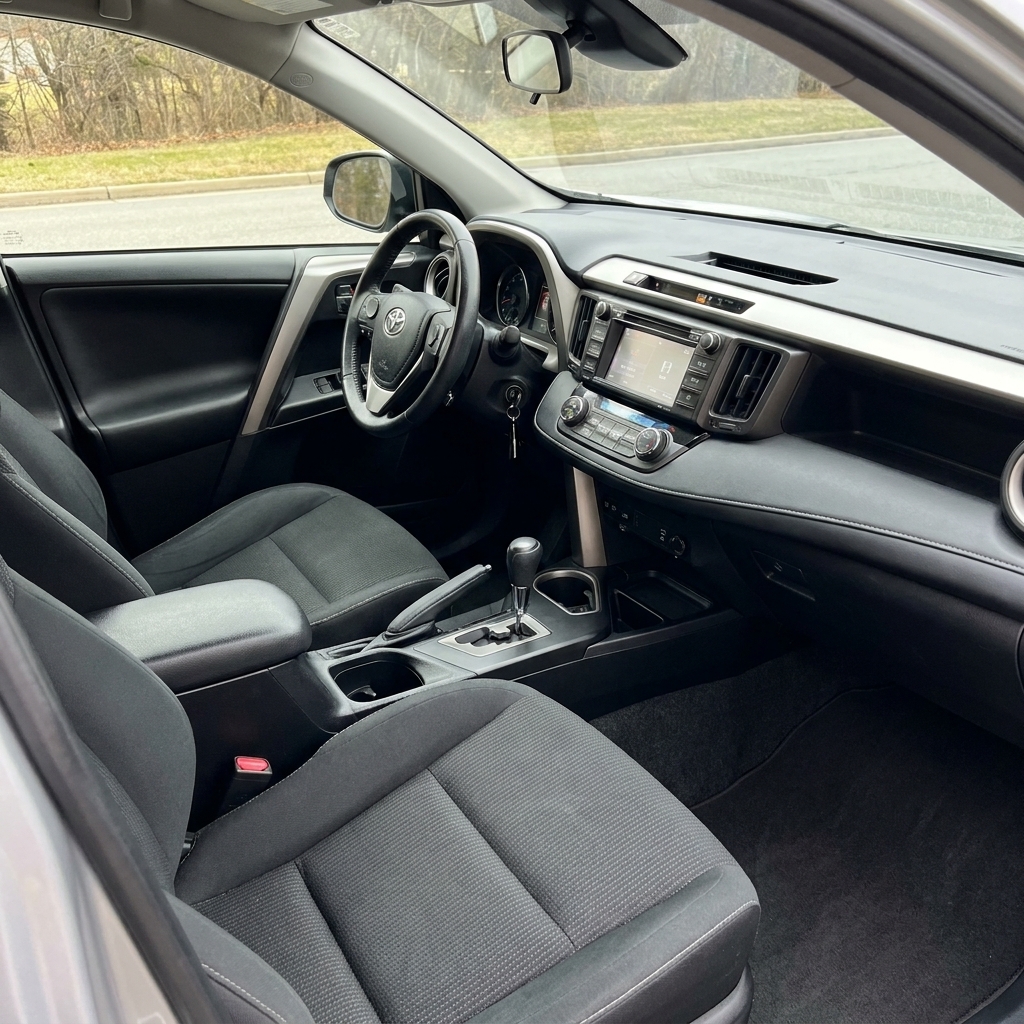
Why it’s here: The RAV4 is the definition of low drama. Stay on top of fluids and basic wear items, and these routinely pile on mileage.
Year note: 2009 to 2012 and 2013 to 2015 are different generations. Both are generally strong, but the maintenance history matters more than which side of the split you buy.
- Expected engine lifespan: 220,000 to 300,000 miles
- Average annual maintenance cost: $500 to $900
- Watch for: Oil consumption on some higher-mileage 4-cyls, especially if oil changes were stretched too long, plus noisy wheel bearings, clunks from worn sway bar links, and neglected transmission fluid.
- Buyer tip: A RAV4 that has had regular coolant and transmission services will almost always be cheaper in the long run than a lower-mileage one with no records.
2) Honda CR-V (2007 to 2014)
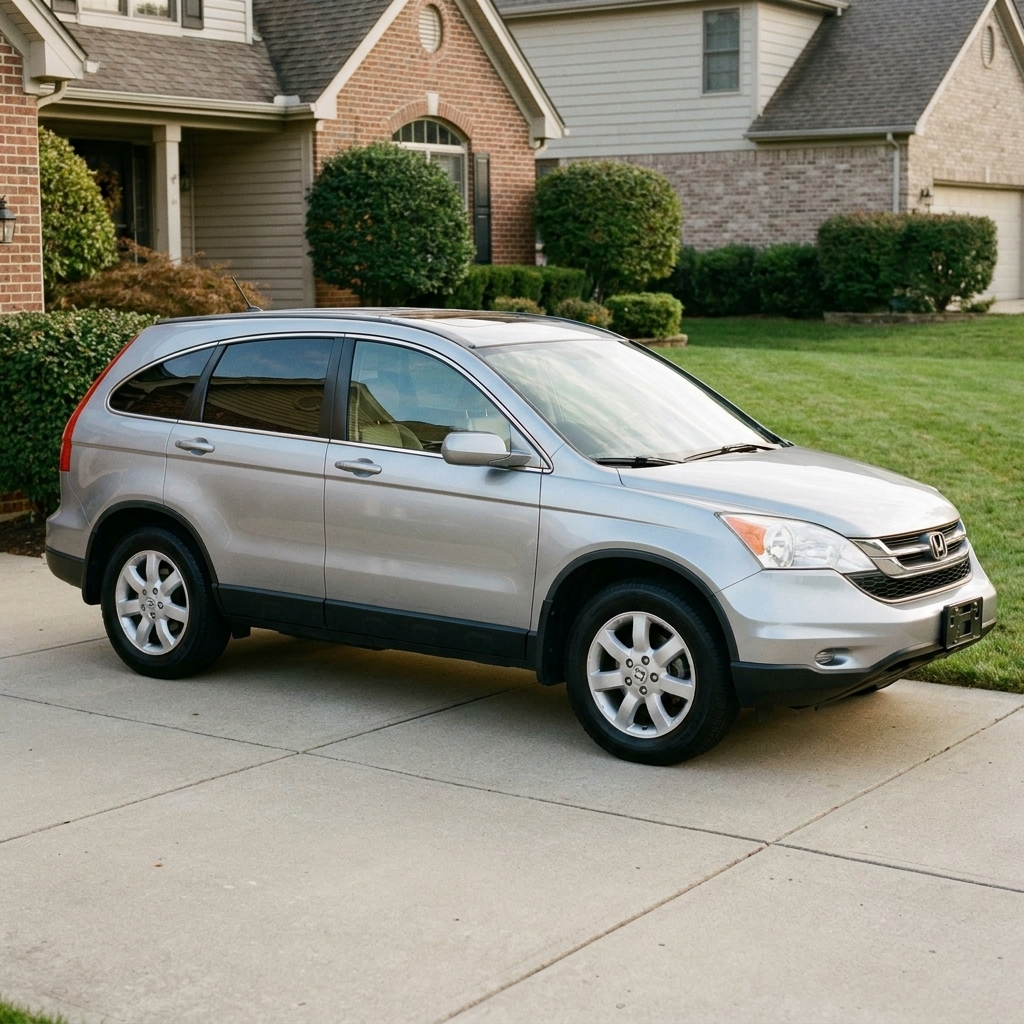
Why it’s here: The CR-V is one of the best “appliance vehicles” ever made. Not exciting, but it keeps showing up to work.
- Expected engine lifespan: 220,000 to 300,000 miles
- Average annual maintenance cost: $500 to $850
- Watch for: AC compressor issues reported on some years, rear differential fluid neglect on AWD models (it matters), and suspension wear that causes cupped tires.
- Buyer tip: On an AWD CR-V, ask when the rear diff fluid was last changed. If the seller looks confused, budget to service it immediately.
3) Toyota Highlander (2008 to 2013)
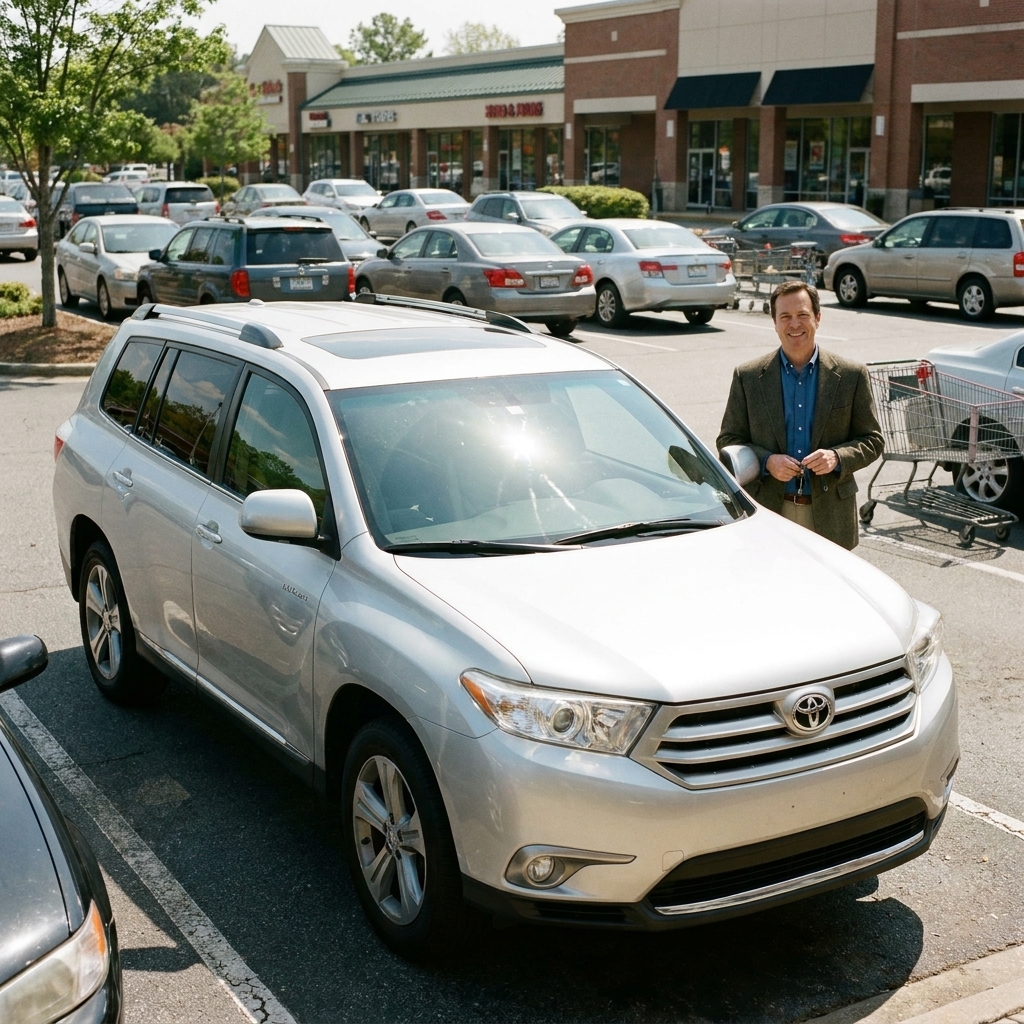
Why it’s here: If you need more space than a compact SUV, the Highlander is one of the safest bets under $15k. The 3.5L V6 is a long-haul engine when maintained.
- Expected engine lifespan: 220,000 to 320,000 miles
- Average annual maintenance cost: $600 to $1,000
- Watch for: Leaking water pumps, worn engine mounts, and neglected cooling systems. Also check for rear suspension sag if it has hauled heavy loads.
- Buyer tip: A smooth, quiet cold start matters. Rattles or rough idle on startup are a clue the vehicle has not been cared for.
4) Lexus RX 350 (2007 to 2012)
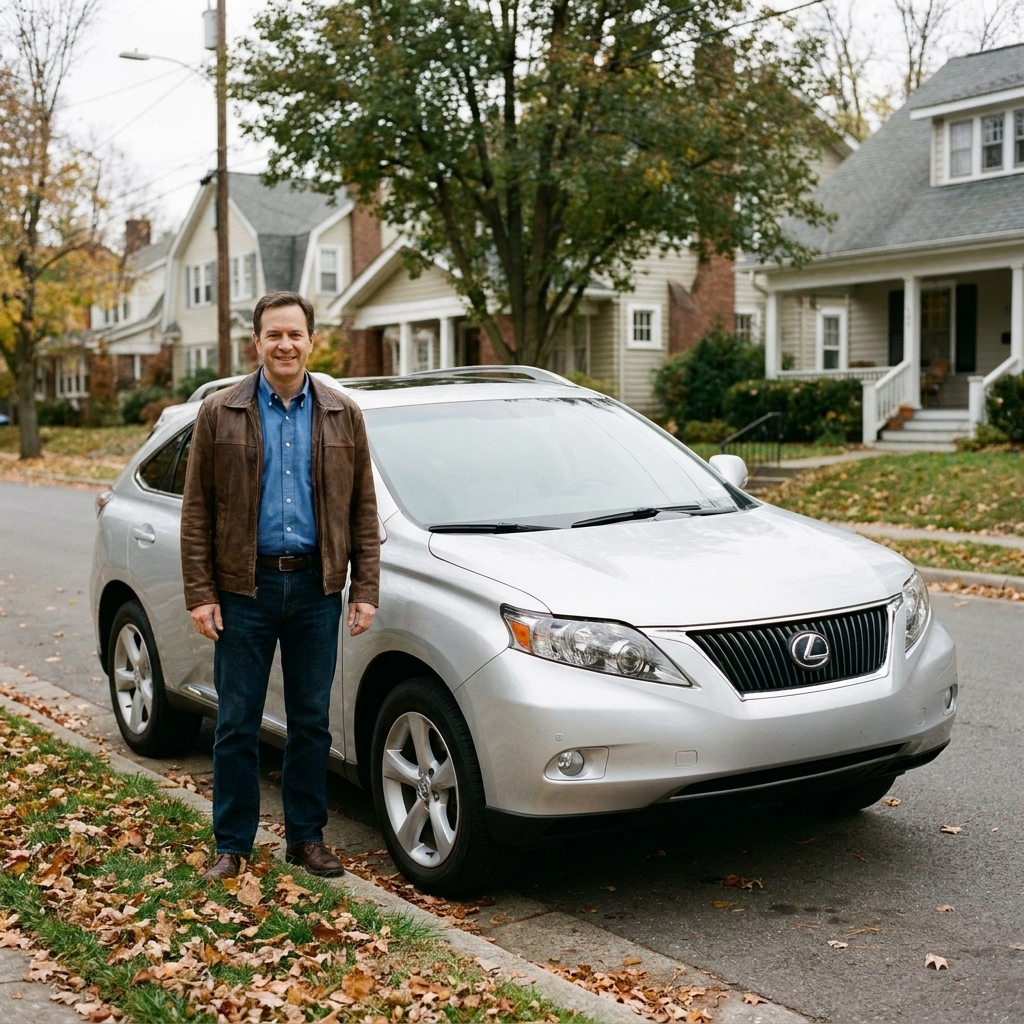
Why it’s here: This is basically Toyota reliability in a quieter, nicer package. The trick is avoiding neglected luxury cars. Routine service still decides whether it’s a dream or a drain.
- Expected engine lifespan: 230,000 to 330,000 miles
- Average annual maintenance cost: $700 to $1,200
- Watch for: Oil leaks from older gaskets, worn control arm bushings, and expensive tires if it has larger wheels. Check that all power features work.
- Buyer tip: Look for evidence of regular fluid services. Luxury owners sometimes skip basics because “it still runs fine.”
5) Acura RDX (2010 to 2012)
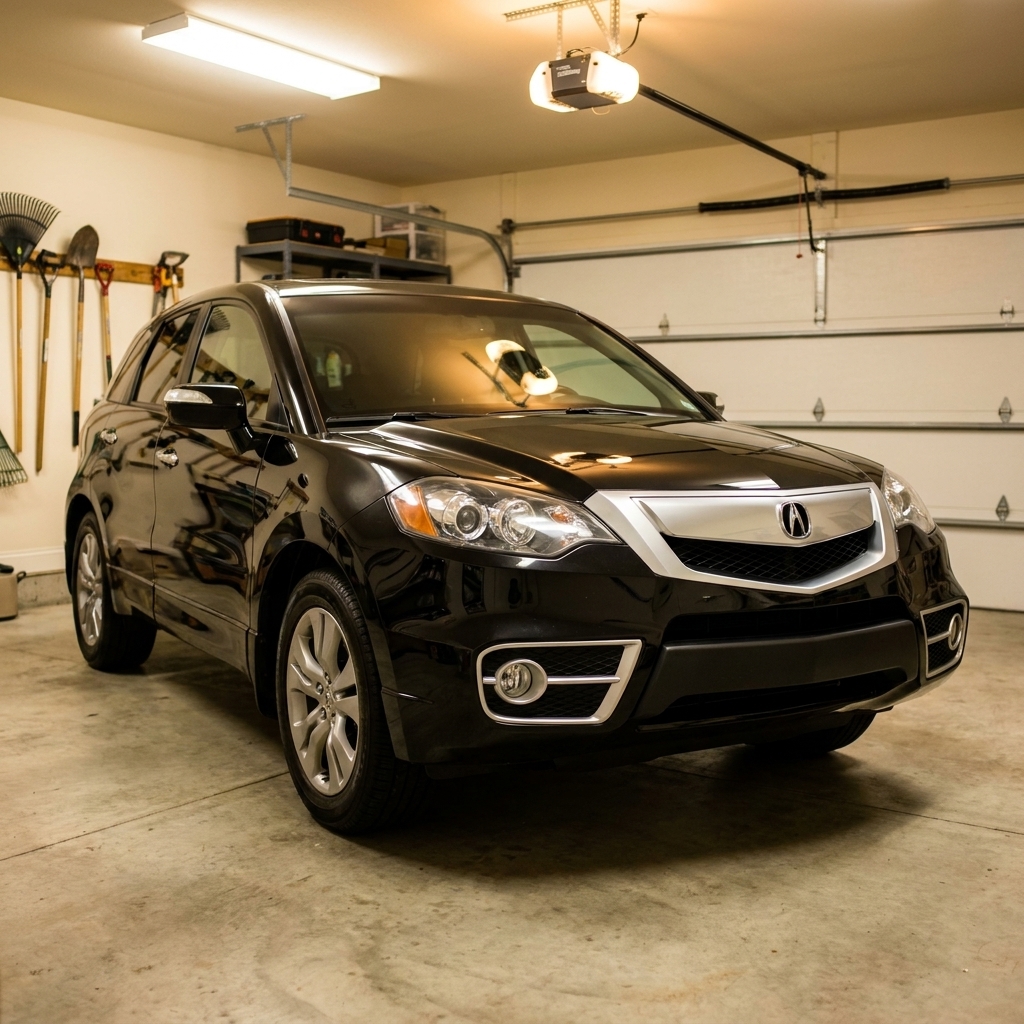
Why it’s here: You get a compact SUV that feels genuinely premium, and these can be dependable when maintained like the turbocharged vehicle they are.
- Expected engine lifespan: 200,000 to 280,000 miles
- Average annual maintenance cost: $750 to $1,250
- Watch for: This generation uses a 2.3L turbo. That means oil change discipline matters, and neglected oil can shorten turbo life. Also inspect for oil leaks, worn suspension, and overdue transmission fluid.
- Buyer tip: If the seller has consistent oil change records and it drives smoothly under boost with no smoke, you’re on the right track. A pre-purchase inspection is money well spent here.
6) Mazda CX-5 (2013 to 2016)
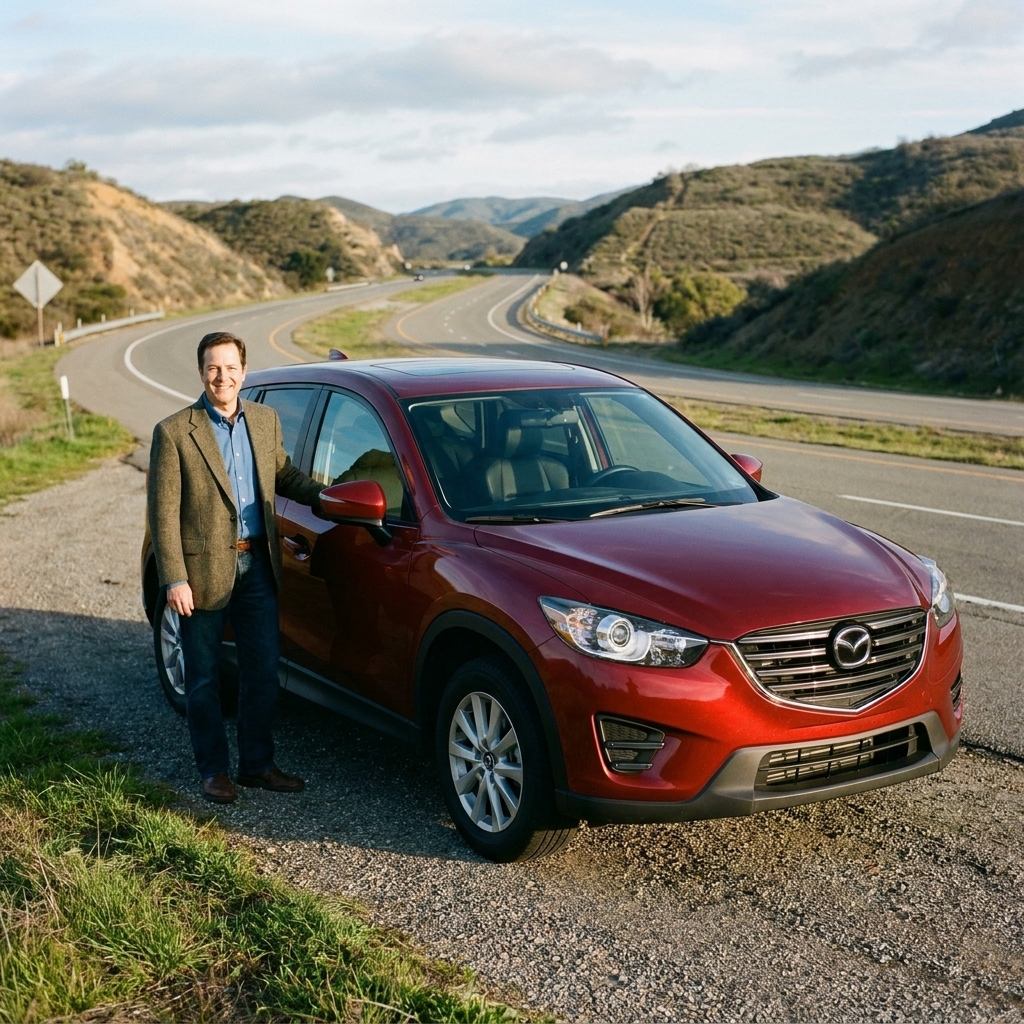
Why it’s here: Mazda’s Skyactiv era is a nice blend of reliability and good driving manners. These tend to age gracefully if you keep rust at bay.
- Expected engine lifespan: 200,000 to 280,000 miles
- Average annual maintenance cost: $550 to $950
- Watch for: Rust in salt states, worn sway bar links, and neglected brake fluid. Also check for mismatched tires on AWD models.
- Buyer tip: On any AWD crossover, four matching tires with even tread depth is a green flag for responsible ownership.
7) Subaru Forester (2014 to 2018)
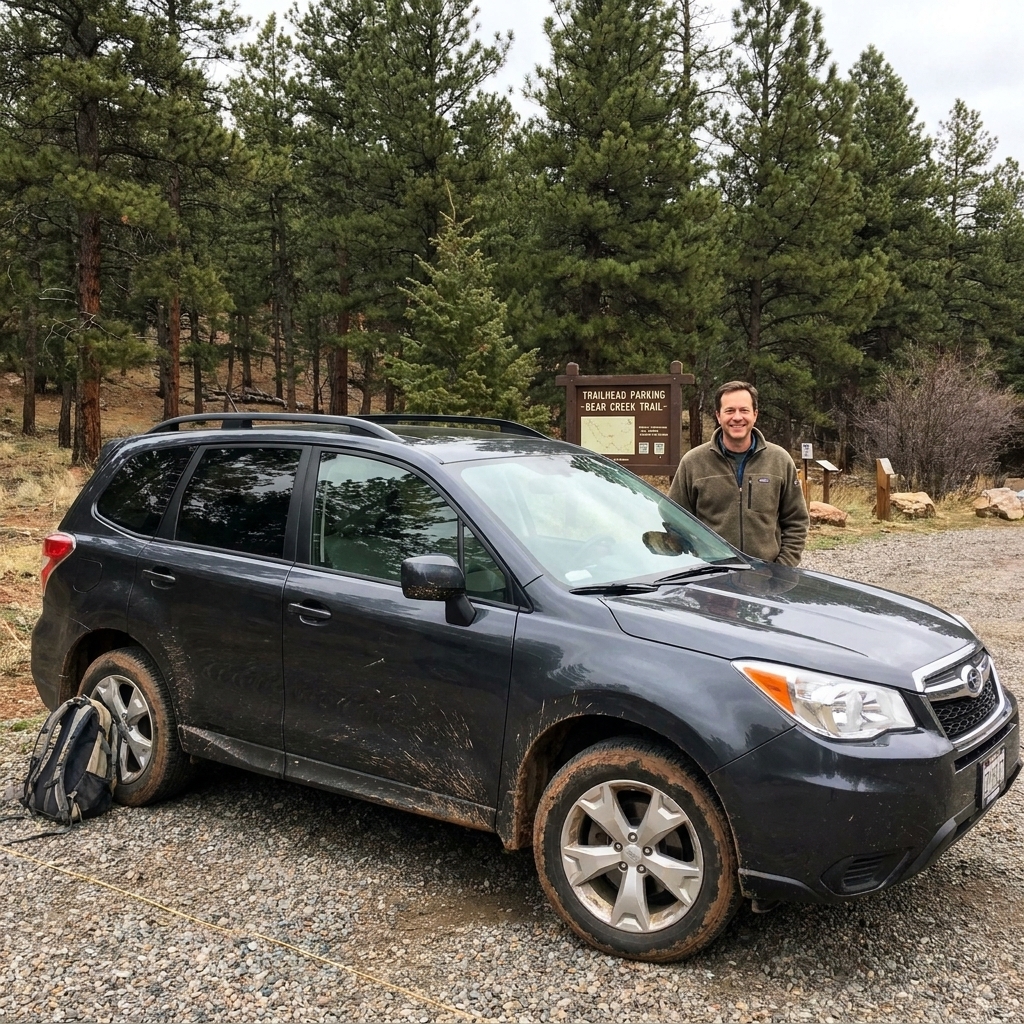
Why it’s here: Foresters are practical, safe, and excellent in bad weather. The key is buying one that has been maintained and not run low on oil.
Year note: This range includes mid-cycle updates and different calibrations. Before you buy, verify recalls and TSBs by VIN and lean hard on service records.
- Expected engine lifespan: 180,000 to 260,000 miles
- Average annual maintenance cost: $750 to $1,300
- Watch for: Oil consumption on some engines, wheel bearings, and CVT fluid that has never been serviced. Also look for external oil or coolant seepage and any signs of past overheating, like a sweet coolant smell or a temp gauge that does not stay rock steady.
- Buyer tip: A Subaru with full service records is worth paying extra for. A Subaru with mystery maintenance is a gamble.
8) Toyota 4Runner (2003 to 2009)
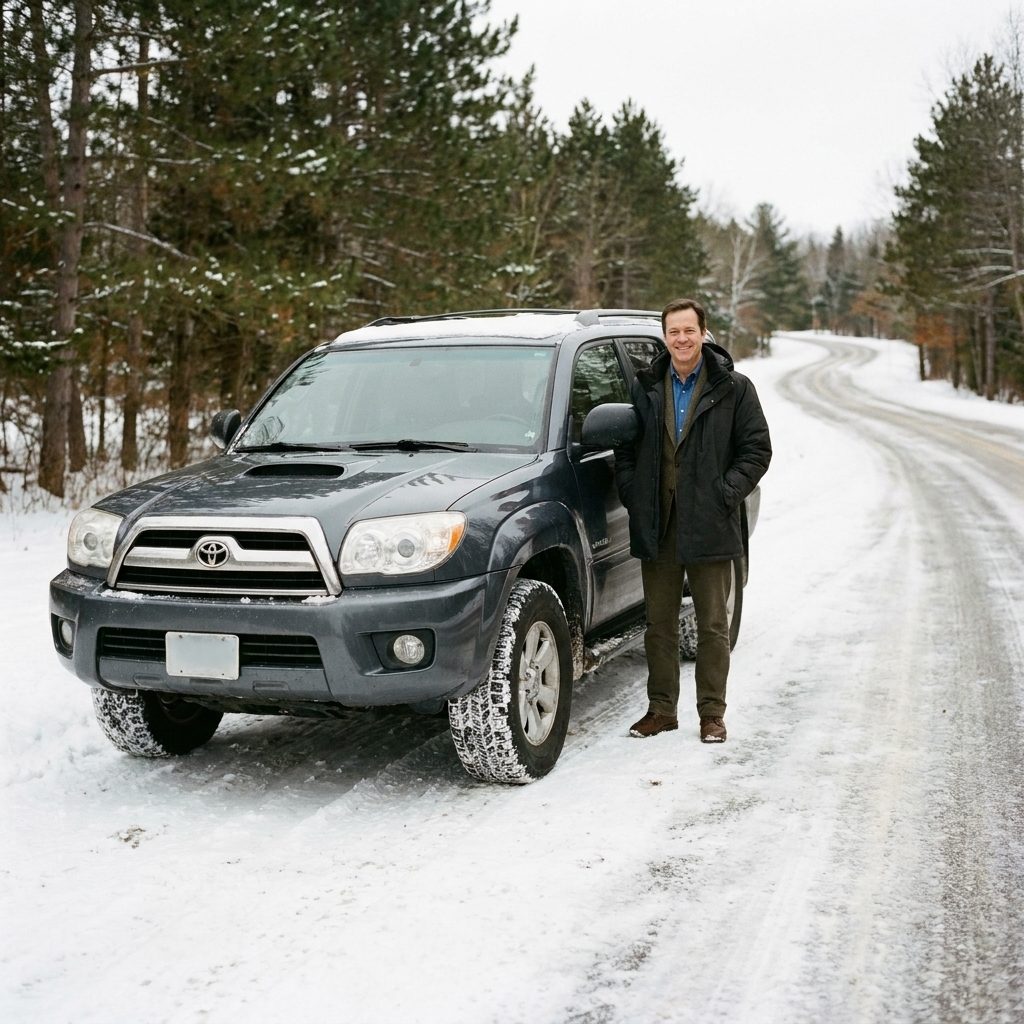
Why it’s here: If you want body-on-frame toughness and can live with worse gas mileage, the 4Runner is one of the most durable SUVs you can buy under $15k.
- Expected engine lifespan: 250,000 to 400,000 miles
- Average annual maintenance cost: $700 to $1,200
- Watch for: Frame rust (seriously), seized suspension bolts, worn steering components, and neglected differential or transfer case services. If you’re looking at a V8 model, verify timing belt service history.
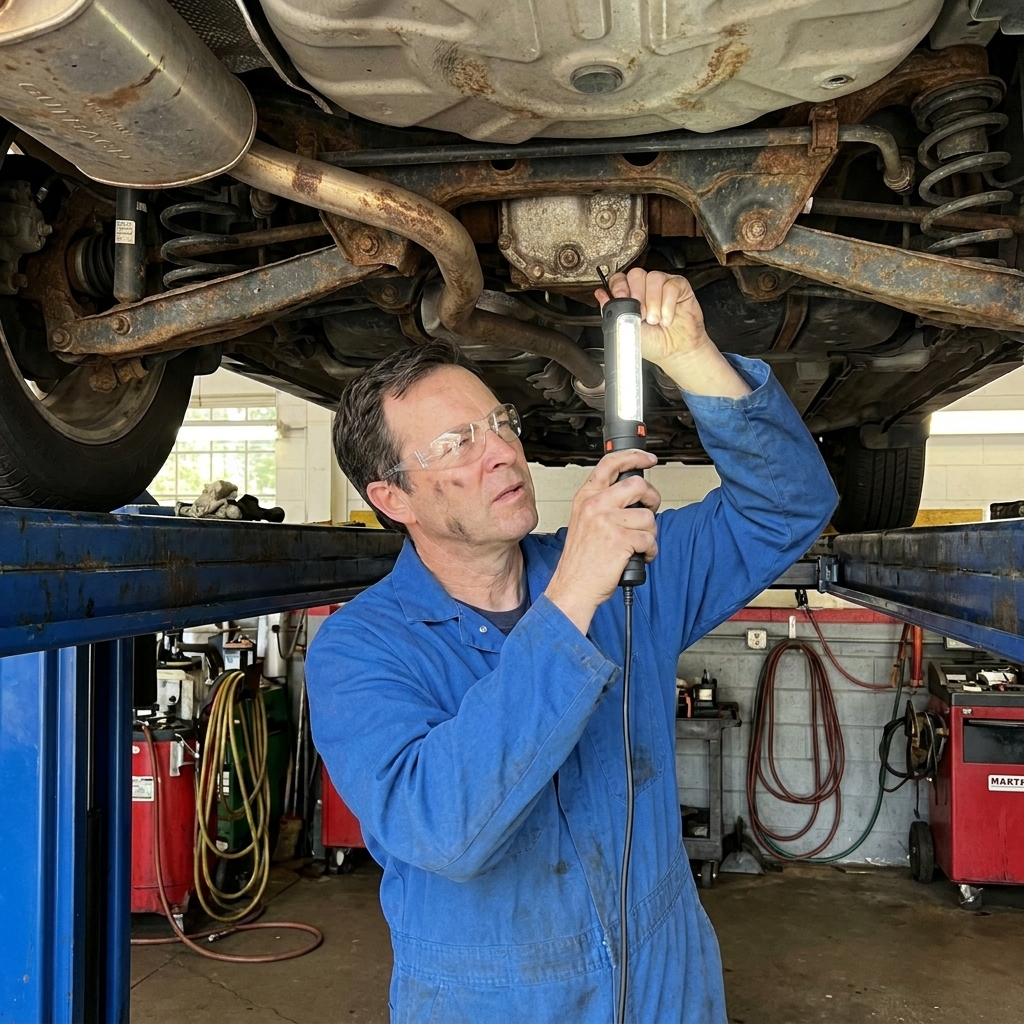
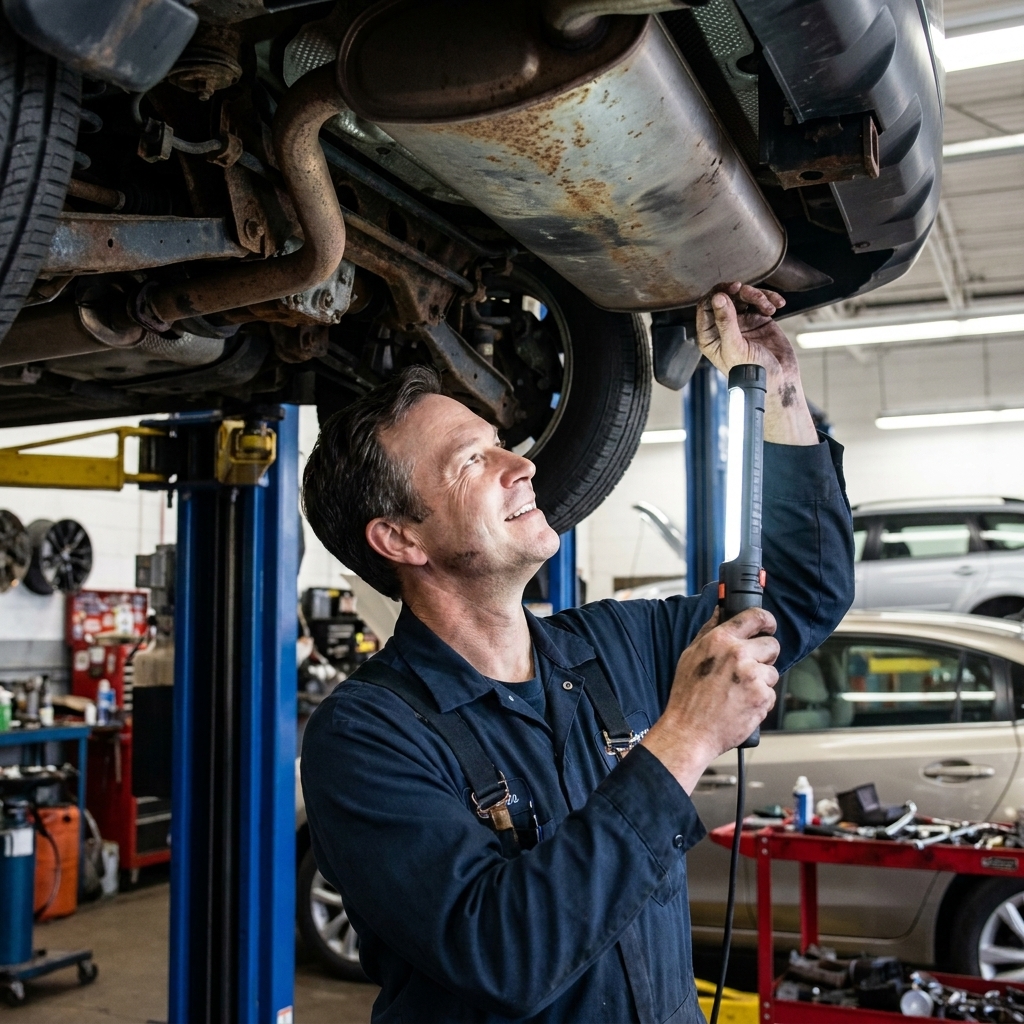
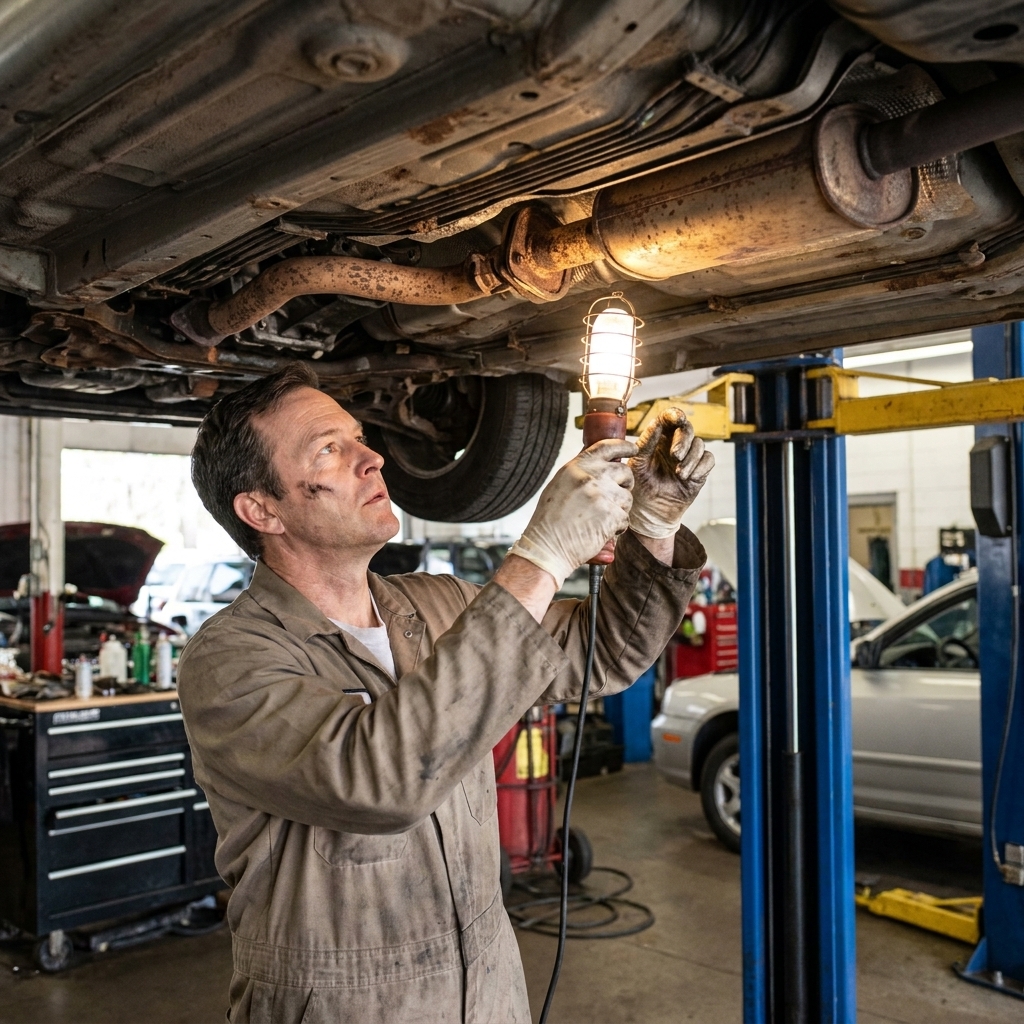
- Buyer tip: Crawl underneath with a flashlight. If the frame is flaky or heavily scaled, walk away. Cosmetics don’t matter. Rust does.
9) Honda Pilot (2009 to 2015)
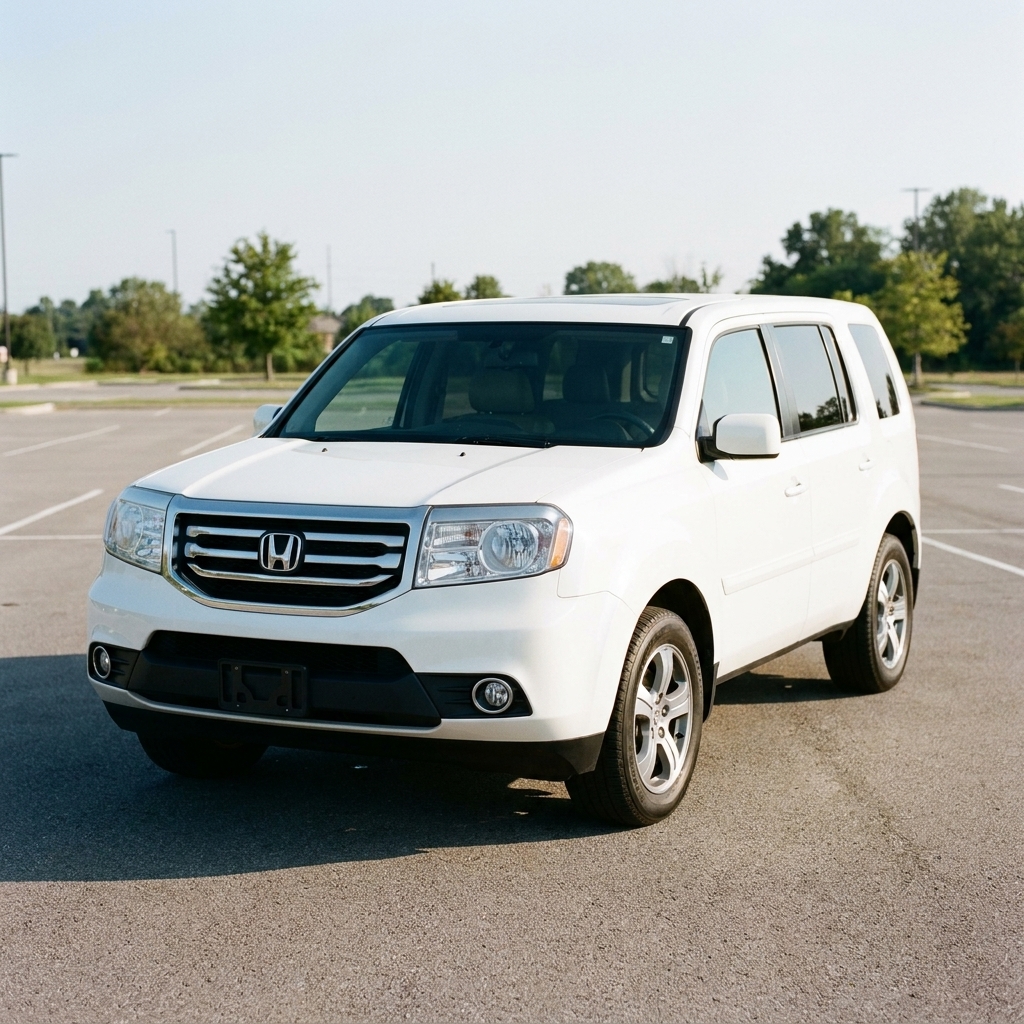
Why it’s here: You get real family space and Honda drivability. A good Pilot can be a long-term keeper, but it needs the right maintenance history.
- Expected engine lifespan: 200,000 to 300,000 miles
- Average annual maintenance cost: $800 to $1,400
- Watch for: These V6 Pilots use a timing belt. Verify timing belt service history (often around 100,000 miles or by age). Transmission service and motor mounts matter too. Also check for power steering pump seepage.
- Buyer tip: If the seller cannot prove the timing belt was done on schedule, treat it like it hasn’t been done and negotiate accordingly. Ideally, the water pump and tensioner were done at the same time.
10) Nissan Xterra (2005 to 2015)
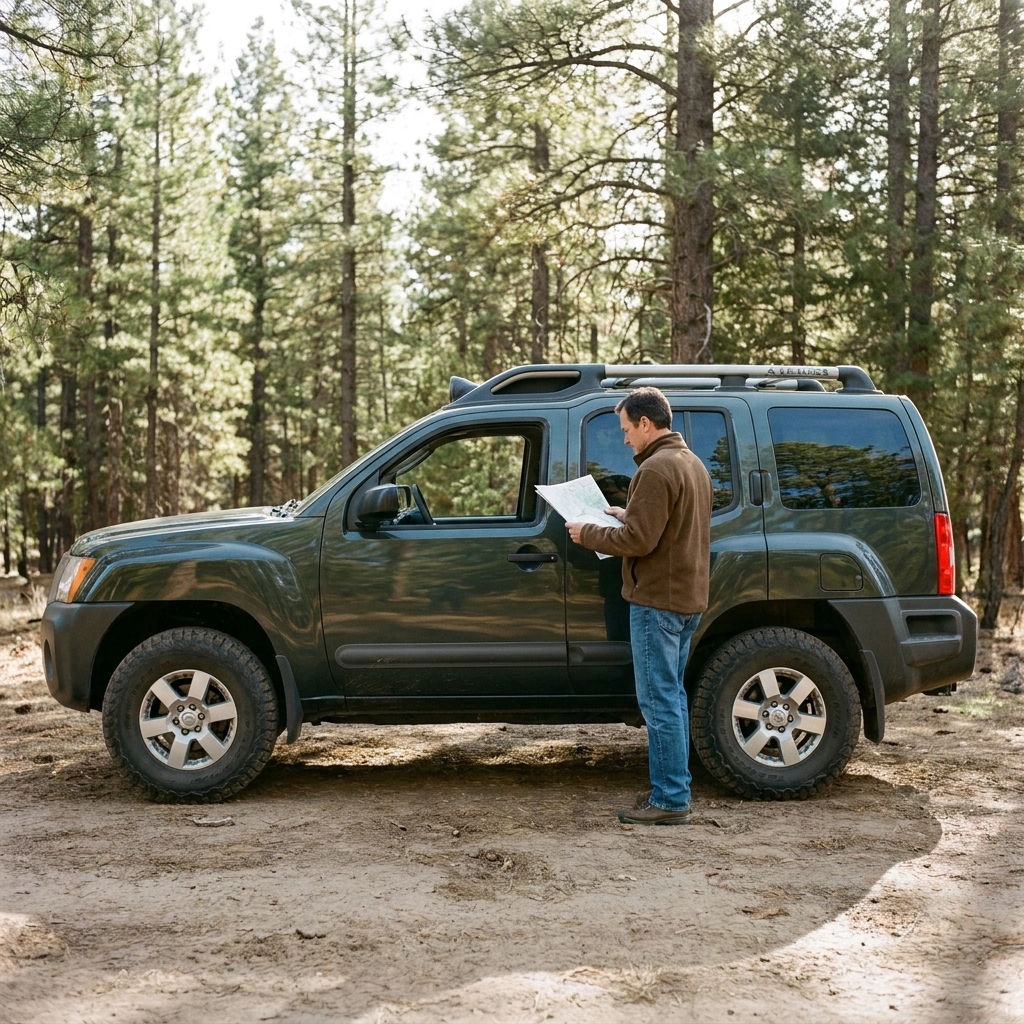
Why it’s here: Not as universally bulletproof as the Toyotas and Hondas above, but a well-chosen Xterra can be a tough, simple SUV with strong value.
- Expected engine lifespan: 200,000 to 300,000 miles
- Average annual maintenance cost: $750 to $1,300
- Watch for: On many 2005 to 2010 models, there’s a known radiator failure that can allow coolant and transmission fluid to mix (often called the “strawberry milkshake” problem).
- Also watch for: Proof of a preventive fix, which usually looks like documentation for radiator replacement with an updated unit, or a verified transmission cooler bypass done before any contamination occurred. Also inspect underneath for off-road abuse and check that the cooling system is clean.
- Buyer tip: If it has a lift, oversized tires, or fresh undercoating that hides everything, inspect extra carefully. Modifications are not automatically bad, but they raise the odds of hard use.
How I’d help you choose
If you’re stuck deciding, here’s the quick real-world filter I use with buyers at the shop:
- Want the simplest, lowest-drama ownership: Toyota RAV4 or Honda CR-V
- Need three rows and proven reliability: Toyota Highlander or Honda Pilot (with timing belt records)
- Want a nicer cabin without rolling the dice: Lexus RX 350
- Want snow traction and great visibility: Subaru Forester (service history is everything)
- Need real toughness for rough roads: Toyota 4Runner, but avoid rust
Inspection checklist
This is the stuff that decides whether an SUV is a great deal or a future headache, regardless of badge.
- Cold start: Ask the seller not to warm it up. Listen for knocking, timing rattle, or hunting idle.
- Scan the computer: A proper OBD-II scan can reveal hidden codes even when the check engine light is off.
- Transmission behavior: Shifts should be consistent. Delayed engagement, slipping, or shuddering are expensive red flags.
- Cooling system: No coolant smell, no crusty residue at the radiator, and the temp gauge stays steady in traffic.
- Tires: Uneven wear often points to worn suspension or alignment issues. That is both a safety and cost problem.
- Rust check: Look at brake lines, subframes, and suspension mounting points, not just body panels.
- Service records: Oil change consistency matters more than a stamped “dealer maintained” myth.
- Title and water damage: Avoid salvage or rebuilt titles unless you truly know what you’re doing. Check for flood clues like musty smells, damp carpet padding, silt in crevices, and corrosion on under-dash wiring.
Rust strategy
If you live in the rust belt, don’t underestimate how much corrosion decides reliability under $15k. It can be worth expanding your search to a sun-belt vehicle and paying for a pre-purchase inspection before you travel, even if that means a one-way flight and a long drive home.
Year-one budget
Even the most reliable used SUV is still used. If you’re buying under $15,000, I like to see buyers keep a starter repair fund ready.
- Minimum baseline: $800 to $1,200 for fluids, filters, and catching up on overdue items
- More realistic cushion: $1,500 to $2,500 if the SUV is over 120,000 miles
Also remember the out-the-door costs that are not maintenance: sales tax, registration, and insurance can add up fast, especially if you’re switching to a newer or more valuable vehicle than what you drive now.
If your budget is tight, pick the model with the lowest complexity for your needs and put the rest into maintenance. That’s how you turn a $12,500 SUV into a five-year win instead of a six-month regret.
FAQ
Is higher mileage automatically a bad idea under $15,000?
No. I’d rather buy a 160,000-mile SUV with excellent service history than a 110,000-mile SUV with no records and four different brands of tires. Condition and history beat the odometer every time.
Which of these is cheapest to maintain?
Typically the Toyota RAV4 and Honda CR-V are the easiest on the wallet for parts and frequency of repairs. The Lexus RX can be very reliable, but when it needs something, it can cost more.
What’s the most important maintenance item after buying?
Catch up on all fluids you cannot prove were serviced: engine oil, coolant, brake fluid, transmission fluid, and differentials or transfer case on AWD or 4WD models. Fresh fluids are cheap insurance.
Should I still pay for a pre-purchase inspection?
Yes. Reliability reputation doesn’t protect you from a neglected example. A pre-purchase inspection is often the cheapest money you’ll spend in the whole buying process.