
A mechanic’s step-by-step playbook for negotiating private-party used cars: what to say, what to bring, how to use inspection findings, scam red flags, and...
Used Car Buying Guide
Used Hybrid Showdown: Prius vs. Fusion Hybrid (2013-2020)
Prius or Fusion Hybrid? Here’s how the 2013-2020 models compare for real-world MPG, battery risk, comfort, and total cost to own, plus what to check before you buy.

Ben Sullivan
Ben Sullivan is a former ASE-certified mechanic with over 15 years of experience inspecting, repairing, and appraising used vehicles. He contributes to Car Wise Guide to help everyday buyers navigate the used car market with confidence, armed with the knowledge to spot hidden red flags and negotiate fair prices.
Published October 18, 2026
Updated October 18, 2026
If you’re shopping used hybrids in the 2013 to 2020 range, you’re probably staring at two familiar faces: the Toyota Prius and the Ford Fusion Hybrid. Both can save you real money at the pump. Both can be dependable. And both can bite you if you buy the wrong one.
I like this era because the depreciation has usually done its thing, the bugs are well-known, parts supply is strong, and you can still find cars with modern safety tech and decent interiors without paying new-car money. This guide is about cost to own, not fan clubs. We’ll talk battery risk, realistic MPG, comfort, and the stuff I’d check in a driveway before handing over a cashier’s check.
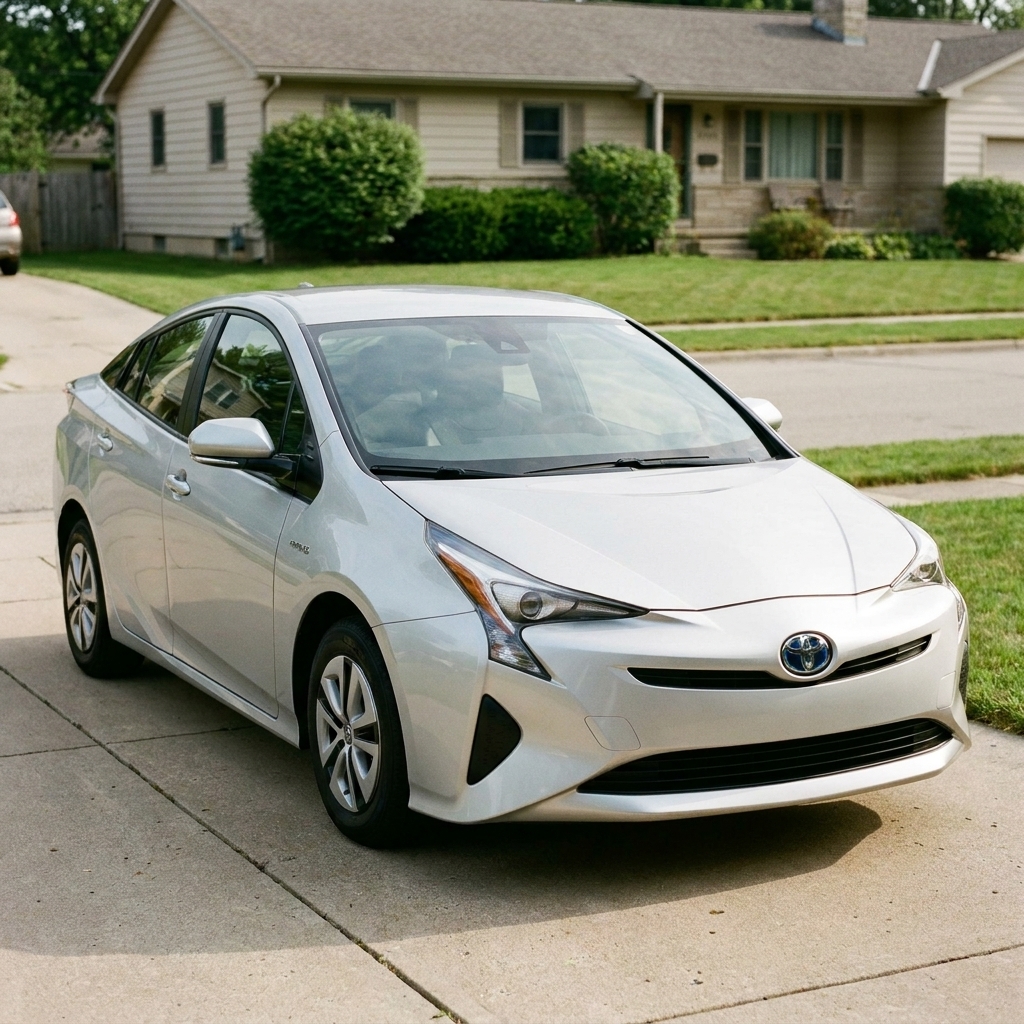
Quick verdict
Pick the Prius for the safer long-term bet
For most buyers, the Prius is the lower-drama ownership play. The hybrid system is proven, MPG is typically better, and because there are so many on the road, parts availability and independent hybrid know-how are usually easier to find in most markets. If your goal is to minimize surprises over the next 5 years, the Prius usually wins.
Pick the Fusion Hybrid for a more normal-car feel
The Fusion Hybrid is often the nicer place to spend time: a more traditional sedan vibe, quieter ride, and generally a more comfortable cabin for a lot of folks. It can be an excellent value used, especially when priced below comparable Toyotas. Just understand what you are buying: the Fusion is less common than a Prius in many areas, so you may have fewer independent shops that see Ford hybrid systems every day, fewer local battery reman options, and less platform-specific DIY knowledge floating around.
Cost to own
When people ask me “which one is cheaper,” they usually mean a mix of:
- Fuel cost (real-world MPG, not window sticker dreams)
- Battery risk (not just failure, but what your options look like if it happens)
- Routine maintenance (tires, brakes, fluids, filters)
- Repairs (suspension, A/C, cooling system, electronics)
- Insurance and resale (Prius tends to hold value, which matters even if you keep it a while)
Both cars can be inexpensive daily drivers. The Prius is typically the more predictable expense curve. The Fusion Hybrid can be cheaper up front and more comfortable, but you want to buy the cleanest example you can find and budget realistically for unknowns.
Real-world MPG
I’m going to be careful here: MPG depends on your route, your speed, temperature, tires, and how healthy the hybrid system is. The clean way to talk about it is to anchor to EPA first, then talk about what typically moves you above or below it.
- EPA gives you the baseline. Prius EPA numbers are generally higher than Fusion Hybrid numbers in these years.
- Real world clusters around EPA. Many drivers land near EPA overall, often below EPA on fast highway runs, and sometimes above EPA in city use where the hybrid system gets to do its thing.
EPA combined MPG anchors (quick reference)
These are representative combined-MPG anchors to help you sanity-check listings. Exact EPA ratings vary by year, trim, and wheels. If you want the official figure for a specific VIN, verify it on fueleconomy.gov by year and trim.
- Prius Gen 3 (2013 to 2015): generally about 50 mpg combined
- Prius Gen 4 (2016 to 2020): generally about 52 to 56 mpg combined depending on trim
- Fusion Hybrid (2013 to 2020): generally about 41 to 43 mpg combined, with some years and wheel packages a bit higher or lower
Toyota Prius (2013-2020)
The Prius is built to sip fuel. It’s the easier car to get good MPG from without trying, especially around town.
- EPA anchor: Gen 3 (2013 to 2015) lands around 50 mpg combined in most trims, while Gen 4 (2016 to 2020) typically steps up a bit, with certain trims rated in the mid 50s combined.
- Typical owner reality: often roughly around EPA, with mixed driving frequently landing in the high 40s to low 50s depending on year, tires, and speed.
- Does best: city, suburban, and stop-and-go where regen and EV assist shine.
- MPG killers: non-LRR tires, misalignment, underinflation, roof racks, overdue engine maintenance, dragging brakes, and cold weather.
- Weak 12V battery: usually shows up more as odd electronic symptoms and warning lights than as a direct MPG problem, but it is still worth addressing early.
Ford Fusion Hybrid (2013-2020)
The Fusion Hybrid is efficient, but it is heavier and shaped more like a traditional sedan. In the real world, that often shows up at higher speeds. Still, for a comfortable midsize sedan, it can be impressively cheap to fuel.
- EPA anchor: many Fusion Hybrid years in this range are rated in the low 40s combined. Exact ratings vary by model year and wheels.
- Typical owner reality: often around EPA, frequently in the 40s in mixed driving, with the biggest swings coming from highway speed, winter temps, and tire choice.
- Does best: steady commuting with moderate speeds and smooth stops.
- MPG killers: lots of 75 to 80 mph highway, worn suspension plus poor alignment, heavy wheels and tires, and cold weather.
- Weak 12V battery: can trigger warning messages, weird start-stop behavior, or infotainment resets. It is not a primary MPG knob, but it can make a car feel “off.”
My practical takeaway: If you drive mostly city or mixed suburban routes, the Prius tends to open the gap. If you drive mostly highway, the difference often shrinks, and comfort may matter more than chasing a few MPG.

Hybrid battery risk
Let’s get the big fear out in the open: yes, hybrid batteries can fail. No, it doesn’t automatically mean the car is disposable. The smart move is to understand the risk curve and what your realistic options are if the battery gets weak.
Prius battery risk (2013-2020)
Prius traction batteries have a long track record. Failures do happen, especially with age, high heat exposure, and lots of sitting, but the Prius has the advantage of sheer volume on the road. That usually means, in most places:
- More shops comfortable diagnosing and servicing them.
- More replacement options (new OEM, quality reman, or reputable rebuild paths depending on budget).
- More community knowledge on what’s normal behavior versus warning signs.
For a used buyer, the Prius generally has the more predictable battery story in this matchup.
Fusion Hybrid battery risk (2013-2020)
The Fusion Hybrid battery is not “bad.” I’ve seen plenty run deep into high mileage. The main difference as a used buyer is support. In some areas there are simply fewer independent shops doing deep hybrid diagnostics on Ford systems every day, and fewer local sources for battery service outside a dealer network.
Translation: the Fusion Hybrid can be a solid used buy when you start with a clean example and verify the hybrid system behaves normally on the test drive and on a proper scan.
What replacement can cost
Battery pricing swings wildly by region and by the path you choose. New OEM installed is typically the most expensive. Remanufactured and rebuilt packs can be cheaper, but quality varies. If you’re shopping any aging hybrid, I still recommend keeping a few thousand dollars of buffer in your budget, regardless of badge. If you want more concrete numbers for your area, call a local dealer for an installed OEM quote and one reputable independent hybrid shop for a reman installed quote. That gives you a real-world bracket fast.
- Do not assume “it was replaced” means you’re safe: ask for documentation showing what kind of battery was installed and by whom.
- Use the price gap: if the Fusion Hybrid you want is $2,000 to $4,000 cheaper than a comparable Prius, that savings can be your contingency fund.
Battery warning signs
These are not automatic guilty verdicts. Some behavior varies with temperature, terrain, and driving mode. What matters is patterns and whether a scan backs up what your gut is telling you.
- Big, rapid state-of-charge swings during gentle driving, especially if paired with poor MPG or frequent engine run time.
- Engine running more than expected at low speeds just to keep charge up.
- Weak or inconsistent EV assist compared with what you feel in similar cars, especially if it comes with warning messages.
- Hybrid-related warning lights or a seller who says “it just needs a reset.”
My best advice: Get a pre-purchase inspection that includes a hybrid-capable scan. A basic code scan is not the same thing as evaluating battery data and hybrid system history.
Comfort and livability
Ride and noise
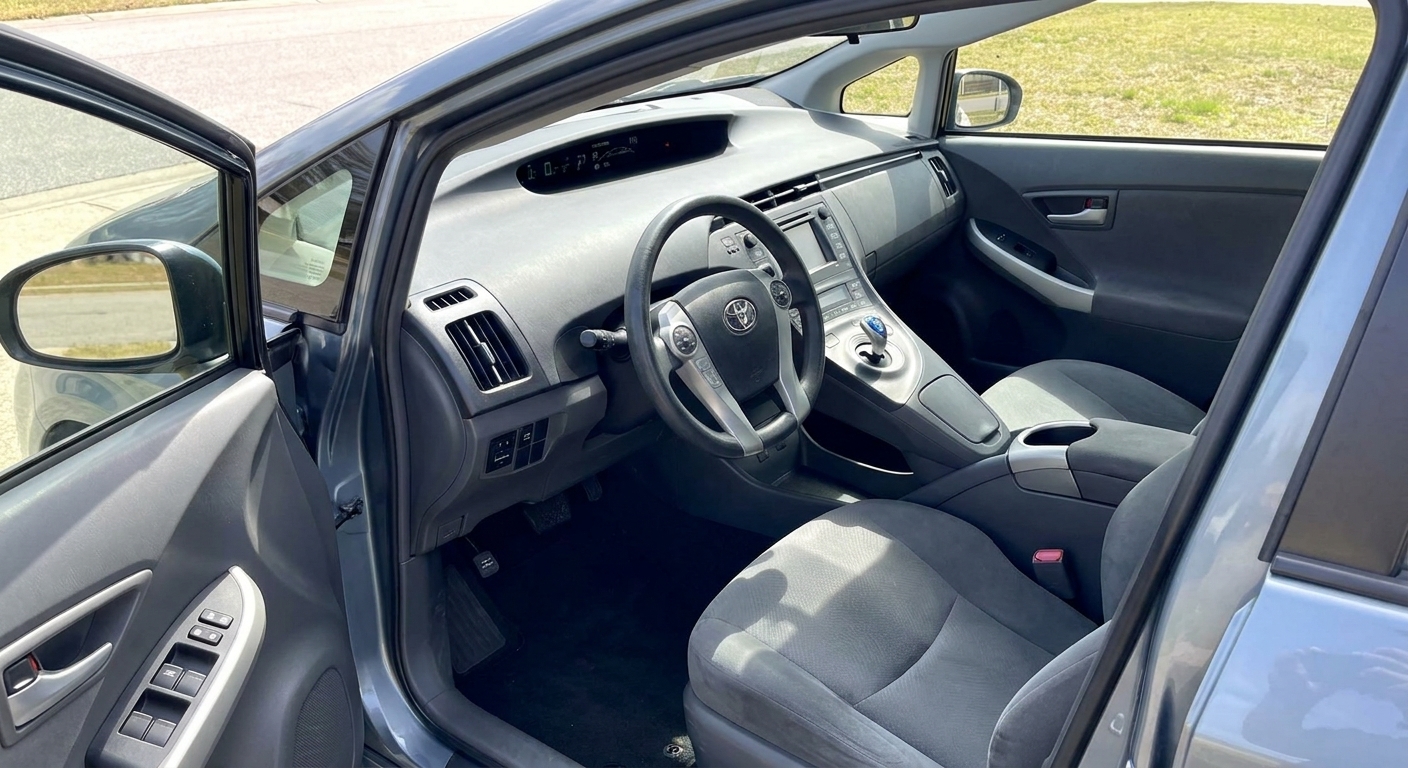
If you’re sensitive to road noise and you want a calmer highway ride, the Fusion Hybrid often feels more like a traditional midsize sedan. The Prius is comfortable enough, but it feels lighter and more economy-focused. On rough pavement, tire choice makes a huge difference in both cars.
Seating and driving position
The Fusion generally wins for conventional seating feel and a more traditional dash layout. The Prius wins for visibility and that easy-to-place shape in traffic. If you’re tall or broad-shouldered, sit in both, adjust the seat and wheel, and pay attention to thigh support and headroom.
Space and cargo
This is where body style matters:
- Prius (hatchback): more flexible cargo space for bulky loads.
- Fusion Hybrid (sedan trunk): decent trunk, but less flexible for tall items; rear seat comfort is often better for adults on longer trips.
Reliability patterns
Any 2013-2020 car can be reliable if it has been cared for. Any of them can be a money pit if the last owner ignored problems. Here are the common cost-to-own traps I see, plus one Prius-specific issue you should not ignore.
Prius: what I’d watch
- Know the generations: 2013 to 2015 is Prius Gen 3, and 2016 to 2020 is Gen 4. They are not the same ownership story.
- Gen 3 (2013-2015) EGR clogging and head gasket risk: high-mileage Gen 3 Priuses are known for EGR circuit clogging. Left alone, it is commonly linked in owner reports and shop experience with rough running, misfires, and, on some cars, expensive engine repairs including head gasket failure. If you’re shopping a 2013 to 2015 with higher miles, ask about EGR service and watch for warning signs like cold-start misfires or rattles, unexplained coolant loss, or a rough shake on startup.
- Neglected maintenance disguised by “it’s a Toyota” confidence. Oil changes still matter.
- Tires and alignment causing noise, poor MPG, and weird steering feel.
- Brake service quality matters because hybrids use regenerative braking. A sloppy brake job can create noise and pulsation that gets misdiagnosed later.
- Weak 12V battery can create odd electronic symptoms, warning lights, and start-up weirdness. It can also mask other issues, so I like to address it early rather than chase ghosts.
Fusion Hybrid: what I’d watch
- Suspension wear on higher-mileage cars, especially if it has lived on rough roads. Clunks, floaty ride, and uneven tire wear are your clues.
- Cooling system condition and overall underhood cleanliness. Overheating and coolant neglect are never a hybrid’s friend.
- Electrical issues that start simple: a weak 12V battery can show up as odd start-stop behavior, intermittent warning messages, or infotainment resets. Do not let a seller wave this off as “hybrid stuff” without proof.
- Maintenance records matter more than brand reputation. A well-documented Fusion is a smarter buy than a mystery Prius.
Before you buy
If you only do a few things before committing, do these.
1) Cold start
- Listen for knocking, loud rattles, or a rough idle that does not settle quickly.
- Make sure the engine does not surge oddly while parked.
2) Stop-and-go behavior
- On a gentle drive, confirm smooth transitions between engine-on and engine-off.
- Pay attention to jerks, shudders, or unusual hunting for power.
3) Low-speed brakes
- In a quiet lot, brake lightly from 15 to 5 mph. Listen for grinding or a clunk right as it stops.
- Feel for pedal pulsation that could indicate warped rotors or poor brake work.
4) Tires tell the truth
- Uneven wear suggests alignment or suspension issues.
- Four mismatched bargain tires can mean the owner cut corners elsewhere.
5) Scan it the right way
At minimum, scan for codes. Ideally, pay a shop that understands hybrids to pull live data and check for hybrid battery and inverter history. If you’re DIY-minded, the Toyota world often leans on Techstream and the Ford world often leans on FORScan, but the bigger point is capability, not the logo. “No check engine light” is not a clean bill of health.
6) Check the battery air intake
Hybrids hate heat. Make sure the traction battery cooling intake grille is not blocked by pet hair, lint, seat covers, or cargo. The exact intake location varies by model and year, so look it up for the specific car you are inspecting and then physically check that grille for airflow.

Best years and trims
Within 2013 to 2020, I focus less on chasing one magic year and more on buying the best-kept car you can afford. That said, a little year and generation context helps you shop smarter.
Prius tips
- Gen 3 vs. Gen 4 matters: If you want the simplest ownership story, many buyers lean toward 2016 to 2020 (Gen 4). If you shop 2013 to 2015 (Gen 3), be extra serious about EGR history, cooling system health, and the way it behaves cold.
- Hatchback practicality is a big part of the Prius value. Make sure the rear cargo area fits your real life.
- Trim creep is real: higher trims add features that can add cost if they break. Buy what you will actually use.
Fusion Hybrid tips
- Value sweet spot: these often depreciate harder than a Prius, which can make them a bargain used.
- Verify the exact MPG setup: wheel and tire package can move both ride quality and fuel economy. Two “same year” cars can feel different just based on tires and wheels.
- Infotainment matters: the Fusion got meaningful tech changes during this generation. If you care about CarPlay, Android Auto, and driver-assist features, confirm the head unit and options by VIN, not just the trim badge.
- Safety tech is option-heavy: features like adaptive cruise, lane-keeping, blind-spot monitoring, and auto emergency braking can vary by year and package. Verify what is actually on the car.
- Drive it on bad roads: listen for suspension clunks and feel for vibration that could be tires, alignment, or worn components.
Which should you buy?
Buy a used Prius if you are:
- Trying to minimize ownership risk over the next 5 to 8 years
- Chasing the best MPG with the least effort
- Planning to keep the car a long time and want strong resale
- Needing hatchback cargo flexibility
Buy a used Fusion Hybrid if you are:
- Wanting a quieter, more traditional sedan feel
- Finding a significantly cheaper, well-documented example than a comparable Prius
- Doing lots of highway driving where comfort matters and MPG gaps shrink
- Willing to be picky about condition and pay for a thorough inspection
If you want my most honest one-liner: the Prius is the safer bet, and the Fusion Hybrid can be the smarter deal, as long as you buy the right one.
FAQ
How long do hybrid batteries last?
Most last a long time, but age, heat, and sitting unused are hard on them. I have seen hybrids go well beyond 150,000 miles without battery drama, and I have seen early failures when a car lived a rough life. Buy based on condition, not hope.
Should I avoid high-mileage hybrids?
Not automatically. I would rather buy a 180,000-mile hybrid with meticulous records than a 90,000-mile car with no history and a seller who cannot answer basic questions. High miles just means your inspection needs to be more serious.
Is an inspection worth it?
A good independent shop inspection is often the best value, especially one that knows hybrids. The goal is to pay for expertise, not a logo. Ask if they can evaluate hybrid system data, not just pull codes.
What’s the biggest mistake buyers make?
Falling in love with the MPG number and ignoring the basics: tires, alignment, brakes, fluid condition, maintenance records, and how the car behaves cold. Hybrids are still cars, and neglected cars get expensive.