
Practical, no-fluff negotiation tactics: out-the-door pricing, comps, timing, fees, trade-ins, deposits, inspections, and scripts that keep you in control.
Used Car Buying Guide
Used Tesla Model 3 vs. Chevy Bolt EV: Range Loss and Value
Shopping a used Tesla Model 3 or Chevy Bolt EV? Here’s how real-world range and battery degradation compare, what to check before you buy, and which offers better long-term value.

Ben Sullivan
Ben Sullivan is a former ASE-certified mechanic with over 15 years of experience inspecting, repairing, and appraising used vehicles. He contributes to Car Wise Guide to help everyday buyers navigate the used car market with confidence, armed with the knowledge to spot hidden red flags and negotiate fair prices.
Published October 18, 2026
Updated October 18, 2026
If you’re looking at a used Tesla Model 3 and a used Chevy Bolt EV, you’re probably asking the same two questions I hear in my shop days over and over: How much range is left, and am I about to buy an expensive battery problem?
Both can be smart buys. Both can also disappoint if you buy the wrong year, the wrong trim, or trust the dashboard number without doing a few simple checks. Below is how I’d compare these two as a pre-purchase inspector: what range loss really looks like, how to estimate real-world miles you’ll get, and where the long-term value usually lands for first-time used EV buyers.
The quick verdict
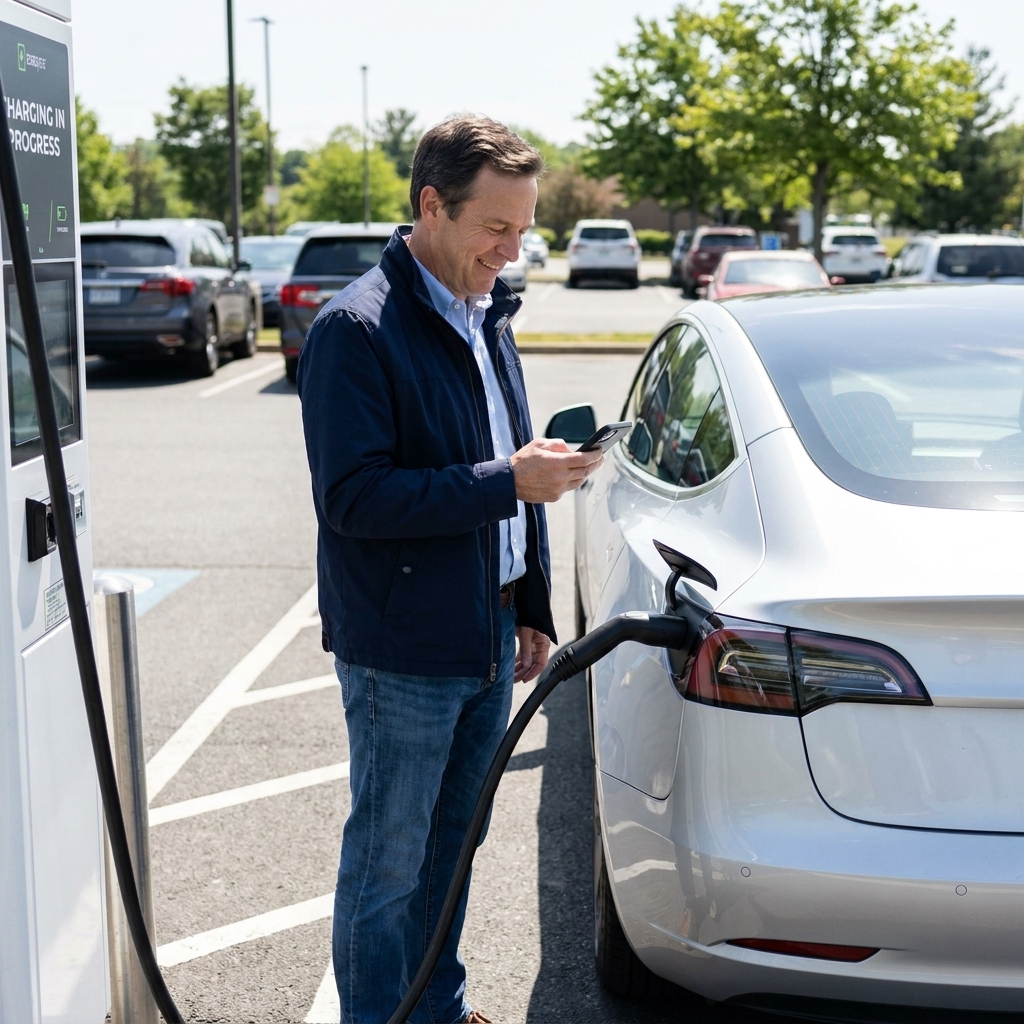
- Best for road trips and fast charging: Tesla Model 3. The Supercharger network and charging curve usually make long-distance travel easier.
- Best value commuter EV: Chevy Bolt EV. Lower used prices and simple packaging often make it the cheaper miles-per-dollar play.
- Range loss anxiety: Often overblown on both, as long as you verify battery health and don’t confuse “displayed range” with “range you’ll actually drive.”
Range loss: what it is and is not
Battery degradation is real, but it’s rarely the cliff people fear. In plain terms, lithium-ion packs lose capacity over time. That means the car can store fewer kilowatt-hours than when it was new, so your maximum range drops.
In a lot of mainstream EVs, a very common owner-reported pattern is a small drop early on, then a slower glide. Depending on climate and charging habits, it’s not unusual to hear of single-digit to low-teens percent capacity loss by around 100,000 miles, not 30 percent overnight. Results vary widely with heat exposure, frequent high-speed driving, repeated DC fast charging, and how the car is stored and charged.
What crushes real-world range
Degradation is only one piece of the range story. The bigger day-to-day range killers tend to be the boring stuff.
- Speed: 75 to 80 mph eats range in any EV.
- Cold starts and short winter trips: A cold-soaked pack plus cabin heat can make an EV feel “degraded” when it’s really just conditions.
- Tires and wheels: Oversized wheels, sticky tires, and low tire pressure can knock range down fast.
- Wind, rain, elevation, and HVAC: The screen number is an estimate that swings with conditions.
Used Model 3: range and battery reality
The Model 3’s big advantages are efficiency and charging infrastructure. For many owners, the day-to-day experience is easy. For used buyers, the risk is less about sudden battery failure and more about buying a car that does not fit your routine because the real-world range is lower than the headline number.
Range reality check
Model 3 range varies a lot by trim and wheel size. Bigger wheels generally mean less range. Performance trims also burn more energy when driven like, well, a Performance trim.
- Highway range: Expect noticeably less than the advertised rating if you drive 70 to 80 mph. That’s not a Tesla thing, that’s an EV thing.
- Cold weather: Range can drop significantly in freezing temps, especially on short hops where the pack and cabin are constantly being heated.
Year and trim watch-outs
- Heat pump (many 2021 and newer, build date matters): In North America, the heat pump became common on Model 3 around the 2021 model year. It can help winter efficiency compared with earlier resistive-heater cars. If you shop that cutover, verify by VIN/build date and equipment, not assumptions.
- LFP vs. non-LFP battery (some Standard Range and RWD cars): Some Model 3 Standard Range or Rear-Wheel Drive cars use LFP chemistry. LFP behaves differently in cold weather and is often charged to 100 percent routinely, which changes how you interpret “normal” charging habits.
- Infotainment hardware changes: Newer cars got faster processors. That is not a battery issue, but it affects day-to-day satisfaction, especially if you care about screen responsiveness.
How to sanity-check battery health
Here’s what I like because it’s practical and doesn’t require special tools:
- Look at energy consumption on a test drive. Use the car’s energy screen and watch Wh/mi while driving your typical speeds. High Wh/mi means lower real-world range regardless of “rated miles.”
- Treat “rated miles at 90 to 100 percent” as a clue, not a verdict. Tesla’s displayed rated range is based on an efficiency constant and BMS calculations. It can drift with BMS calibration and usage patterns. If it looks low, look for consistency over multiple charges and pair it with real driving efficiency.
- Check fast-charging behavior, but don’t misdiagnose cold gating. On a Supercharger, the car should ramp up and taper as it fills. Extremely slow fast charging can be a red flag, but a cold battery, a pack that is not preconditioned, or a busy station can also make charging look “broken” when it is not.
- Inspect tire type and size. Non-EV performance tires or oversized wheels can take a real bite out of range.
- Confirm Supercharging access on the VIN. It is uncommon, but I still tell buyers to verify the car is not flagged with a fast-charging restriction and that Supercharging works normally before you assume road-trip convenience.

Long-term maintenance profile
EVs skip a lot of classic maintenance, but the Model 3 still has ownership costs:
- Tires: Heavy car, lots of torque. Expect faster tire wear if the car is driven hard.
- Suspension and steering wear: Listen for clunks over bumps and check for uneven tire wear, especially on higher-mile examples.
- Cabin filters, brake fluid, coolant service: Not expensive, but don’t ignore it just because it’s an EV.
- Out-of-warranty electronics and trim: Window regulators, door handles, seat controls, and sensors can add up if you’re unlucky.
Ownership friction to know
- Account transfer: Make sure the seller properly transfers the car to your Tesla account. A stuck transfer can be a real headache.
- Connectivity: Some features depend on paid connectivity. Ask what is included and what is subscription-based on the car you are buying.
- Driver-assist package: Don’t assume a used car has Enhanced Autopilot or Full Self-Driving because it has the cameras. Confirm what is actually enabled on that VIN.
Used Bolt EV: range, recall reality, value
The Bolt EV is one of my favorite “regular person” used EVs because it’s straightforward and often priced like a normal used car, not a luxury-tech item. The big story with the Bolt is also the one that scares buyers: battery recall campaigns.
Why the recall story can be a positive
Some Bolt EVs received full battery pack replacements under recall campaigns. Others received software updates that add monitoring and, in some cases, temporarily limit usable capacity or change charge targets until additional conditions are met. From a used buyer perspective, a Bolt with a documented pack replacement can be a strong value because it may effectively have a newer pack than the odometer suggests.
That said, the remedy has differed by model year, VIN, and campaign phase. You have to verify what was done on the specific car you’re considering.
What to verify before you buy
- Recall status by VIN: Use GM’s recall lookup and also check NHTSA’s recall lookup if you want a second source. Confirm whether campaigns show open or closed for that specific VIN. Do not rely on “it was taken care of.”
- Paperwork that proves the remedy: Ask for repair orders showing what was performed (pack replacement vs. software update), plus the date and mileage. If the seller says “new battery,” make sure “battery replacement” is actually listed as completed on the RO.
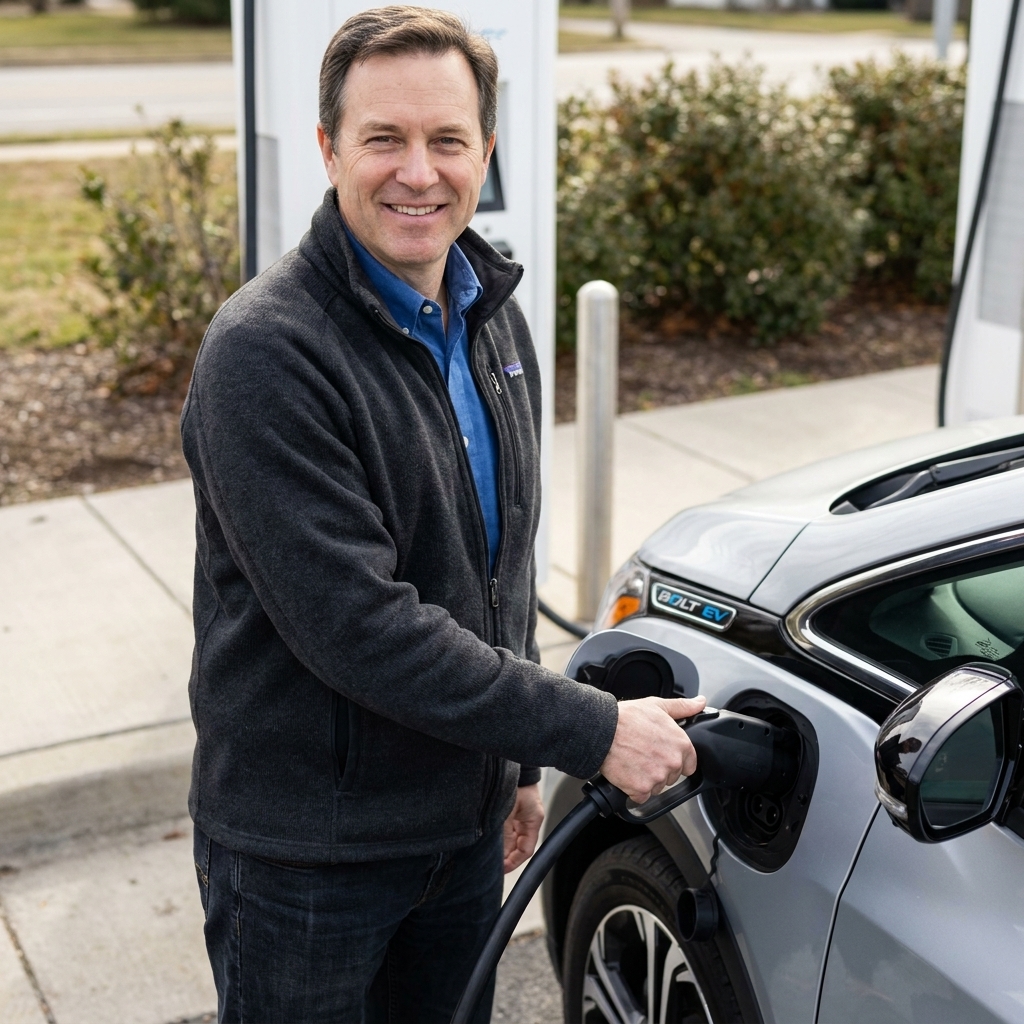
- DC fast charging option: Some Bolts were sold without DC fast charging capability. On a used car, this is a huge gotcha. Confirm the car has CCS DC fast charging if you need it.
- How to spot DC fast charging quickly: Open the charge door. If you see the two extra large DC pins below the J1772 section (the CCS combo inlet), it has DC fast charging. If it is J1772 only with no lower pins, it does not.
- Charging expectations: Even with DC fast charging, the Bolt is not a fast road-trip charger. Under ideal conditions, many Bolt EV model years peak at about 50 kW (often low-50s peak), and the average over a session is lower because charging tapers as the battery fills. Many Model 3 trims can charge substantially faster in good conditions. For commuters this may not matter. For road trips, it controls your day.
Range reality check
In real life, the Bolt is often a strong commuter and errands car. It is efficient at sane speeds and can do highway work, but it is not the car I pick first for frequent long-distance drives where charging speed and station reliability set the schedule.
- City and suburban driving: Typically strong efficiency.
- Highway driving: Range drops with speed like any EV, and slower fast charging can stretch trip time.
- Cold weather: Expect meaningful winter range loss, especially if you crank cabin heat.
Year and trim watch-outs
- Recall remedy varies: Two Bolts sitting side by side can have very different recall outcomes. Check the VIN, then verify with paperwork.
- DC fast charging is not guaranteed: Confirm it, especially if you plan to travel or rely on public charging.
- Simple tech, fewer surprises: The Bolt’s infotainment and driver-assist features are generally more traditional. That can be a plus if you want less app-account management and fewer software questions.
Long-term maintenance profile
The Bolt’s long-term costs are usually predictable:
- Tires and alignments: Same story as other EVs, though driving style plays a big role.
- 12-volt battery and basic wear items: Don’t overlook the 12-volt battery. A weak one can cause weird electrical symptoms.
- Brakes: Often last a long time thanks to regen, but calipers can still stick if the car sits.
Model 3 vs. Bolt: what decides value
Forget the badge for a minute. Value in a used EV usually comes down to your charging access, your driving mix, and how much of the car is still under meaningful warranty.
1) Charging: home setup matters most
If you can charge at home consistently, both cars become dramatically better deals. If you cannot charge at home and rely on public charging, the Model 3 often feels easier to live with because of network depth and trip planning tools.
2) Road trips: charging speed and station reliability
- Model 3: Usually the smoother road tripper because fast charging is more integrated into the ownership experience.
- Bolt EV: Can road trip, but plan for longer charging stops. Also confirm the car actually has CCS DC fast charging before you count on it.
3) Insurance, registration, tires: the hidden monthly cost
I’ve watched buyers “win” on purchase price and then lose on running costs. Before you commit:
- Get insurance quotes on the exact VIN for both cars.
- Check tire size and cost (especially on Model 3 trims with larger wheels).
- Factor any EV registration fees in your state.
4) Warranty and battery coverage
Battery and drive unit coverage varies by model year and original in-service date. As a general rule, EV traction battery warranties are often around 8 years and 100,000 miles (sometimes more, depending on brand and year), but you should verify the exact terms for the specific year you are buying. Don’t guess. Ask for the in-service date and check the official warranty booklet for that model year. Also look for any capacity-retention clause, since some warranties include a minimum capacity threshold.
Connector and charging compatibility
This is becoming a bigger deal every year, and it is easy to overlook on a test drive.
- Model 3: Uses Tesla’s connector in North America on most model years. Public charging access outside Superchargers depends on what adapters come with the car and what your local stations support. Connector equipment can vary by model year and region, so confirm what the car actually has, not what you assume it has.
- Bolt EV: Uses CCS for DC fast charging (if equipped) and J1772 for Level 2. For home charging, both cars can be simple if you have a normal Level 2 setup, but the plug and adapter details matter if you are mixing networks.
How to check battery health on a test drive
If you take nothing else from this article, do this. It’s the EV version of checking oil condition and transmission behavior.
Step-by-step
- Start with tire pressure and tire type. Low pressure or aggressive tires can make range look worse than it should.
- Drive a consistent route. Include a stretch of highway at your normal speed and a bit of stop-and-go.
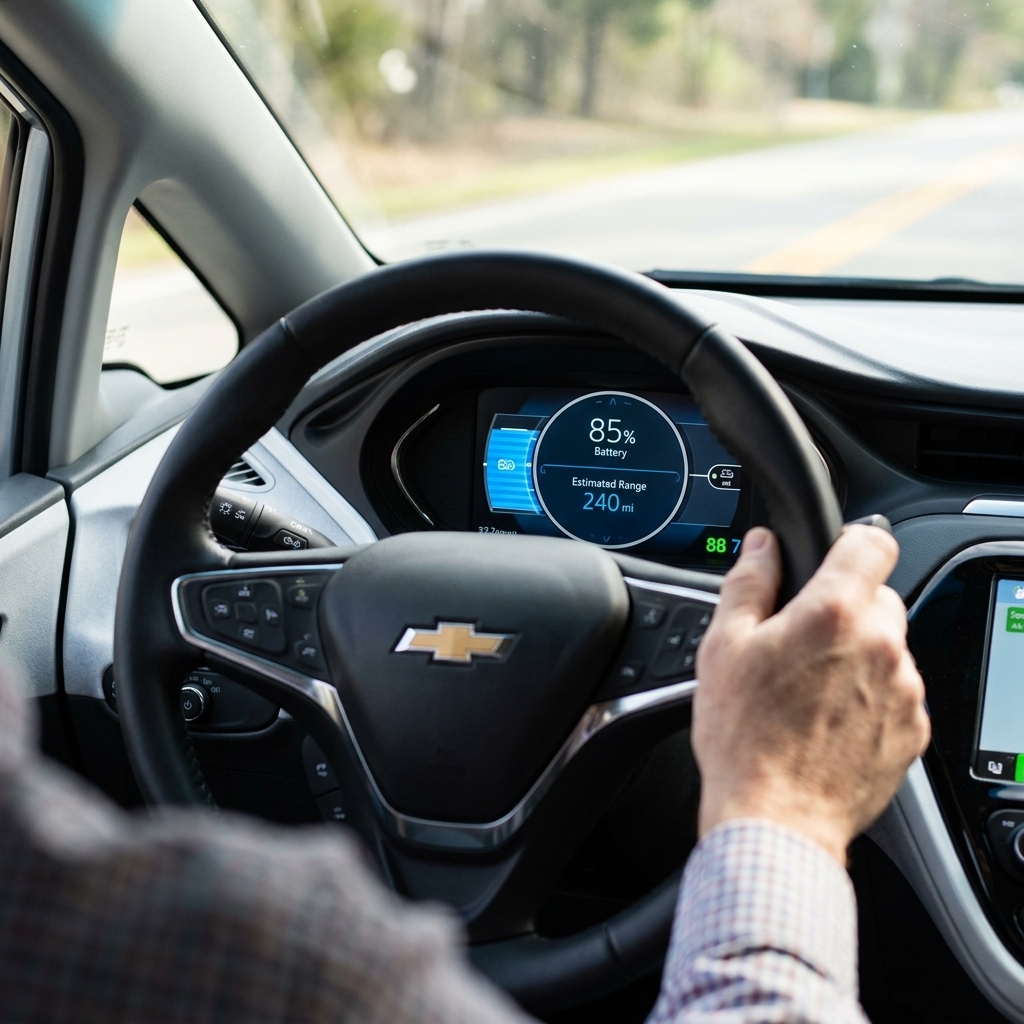
- Watch energy use, not just miles. Track efficiency (Wh/mi or mi/kWh) during the drive. That is your best clue to real-world range for your driving style.
- Run HVAC the way you actually live. If you always use heat or AC, test it that way.
- Check for warning lights and charging errors. Any error messages related to charging or battery need a deeper look before purchase.
- Scan it if you can. A pre-purchase inspection with an EV-capable shop or a knowledgeable mobile inspector can pull codes and spot issues you will not see on a casual drive.
A realistic range estimate you can do yourself
You can estimate usable range with this simple idea: usable energy × your efficiency.
- If you average 3.5 mi/kWh on your test drive and the car has about 55 kWh usable, that’s roughly 190 miles in your conditions.
- Change the efficiency to 2.8 mi/kWh in winter at higher speeds and suddenly that same usable energy behaves like 150 miles.
That 55 kWh number is example math, not a promise for any specific Model 3 or Bolt. Usable energy varies by model, model year, and in the Bolt’s case it can also be affected by recall software status. The point is to ground your expectations in the way you actually drive.
Common used EV traps
Trap 1: Buying on advertised range
If your commute is 45 miles each way and you cannot charge at work, a “barely adequate” winter range situation becomes stressful fast. Build in buffer for cold days, detours, and battery aging.
Trap 2: Ignoring charging speed until your first trip
Plenty of folks think all fast charging is the same. It’s not. Charging curve, station reliability, and whether the car is preconditioned can make two cars with similar range feel totally different on the highway.
Trap 3: Assuming the cheapest one is the best deal
A lower-price EV with mismatched tires, accident history, an unresolved recall, or sketchy charging behavior is not a bargain. It’s a project.
Which should you buy?
Pick a used Model 3 if:
- You road trip with any regularity.
- You want the easiest public fast-charging experience.
- You’re comfortable paying more upfront for a more premium feel and tech-forward ownership.
Pick a used Bolt EV if:
- You want maximum EV value for commuting, errands, and local driving.
- You can charge at home and do not need frequent fast charging.
- You find one with verified recall work completed and documentation to match.
If you’re torn, here’s my tie-breaker: buy the car that fits your charging life. Home charging makes either one a win. No home charging usually pushes the advantage toward the Model 3 in most areas.
Used buying checklist
- Confirm trim and wheel size so you’re not comparing the wrong range numbers.
- Check recall status by VIN (especially critical on Bolt EV) and verify the exact remedy with paperwork.
- Confirm DC fast charging capability (especially on Bolt EV). Look for the CCS pins under the charge door.
- Look at tires: brand, wear pattern, and whether they’re low rolling resistance.
- Test drive and record efficiency on the route you actually drive.
- Verify charging: try Level 2 if possible, and if you can, do a short DC fast-charge session while noting battery temperature and preconditioning.
- Get an insurance quote before you commit.
- Check warranty by in-service date and confirm remaining time and miles using the official warranty booklet for that year.
- Consider a pre-purchase inspection with an EV-savvy inspector if anything feels off.
FAQ
Is battery degradation worse on a Model 3 or a Bolt EV?
Neither is “always worse.” Degradation depends on age, heat exposure, charging habits, and how the specific vehicle was used. The Bolt’s unique factor is recall history, since some cars have newer packs or software changes that affect usable capacity. The Model 3’s unique factor is that wheel size, trim, speed, and temperature can make the displayed range feel misleading if you don’t test drive and watch efficiency.
Should I avoid a high-mileage Model 3 or Bolt EV?
Not automatically. High miles can mean lots of highway driving, which is often easier on the cabin and suspension than pothole city miles. What matters is battery health, charging behavior, tire wear patterns, and overall condition. A clean, well-documented high-mile EV can be safer than a neglected low-mile one.
What’s the biggest long-term cost difference?
For many owners, it’s not the battery. It’s the combined effect of insurance, tires, and how often you need paid public fast charging. If you can charge at home, running costs usually stay pleasantly low on both.